| Author |
 Replies: 11 / Views: 1,000 Replies: 11 / Views: 1,000 |
|
|
Valued Member
United States
157 Posts |
|
|
|
|
Pillar of the Community
 United States
9038 Posts |
|
|
Bedrock of the Community
United States
94367 Posts |
|
|
Moderator
 United States
34567 Posts |
Yes looks to me like you got the right diagnosis as well.
"If you climb a good tree, you get a push."
-----Ghanaian proverb
"The danger we all now face is distinguishing between what is authentic and what is performed."
-----King Adz
|
|
Valued Member
 United States
157 Posts |
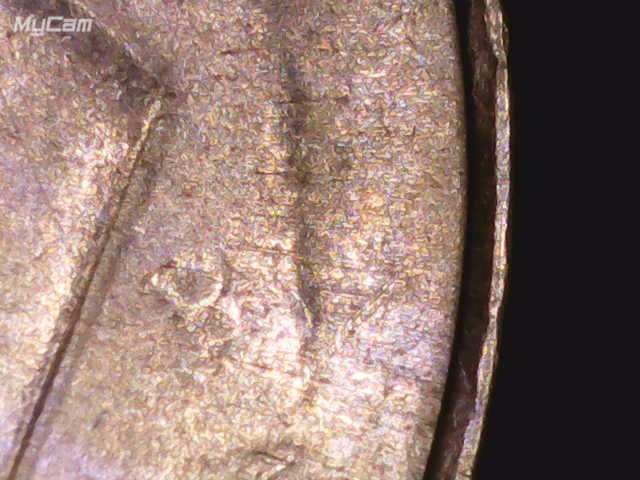
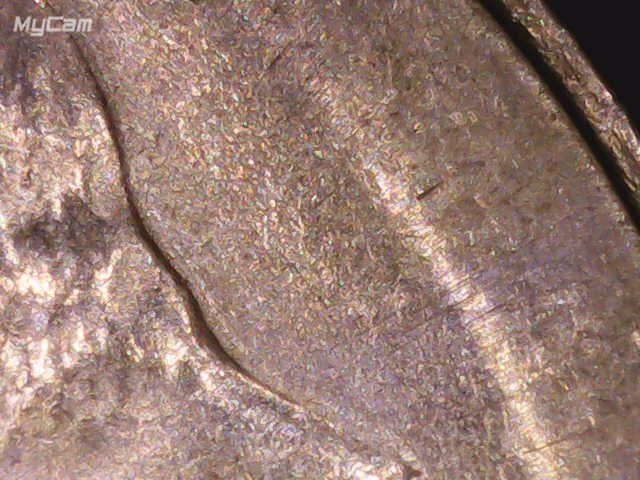
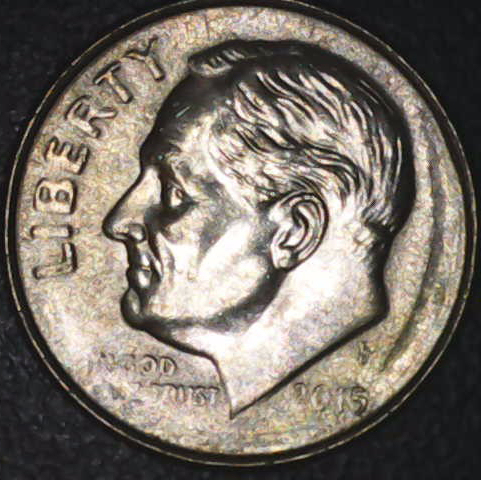
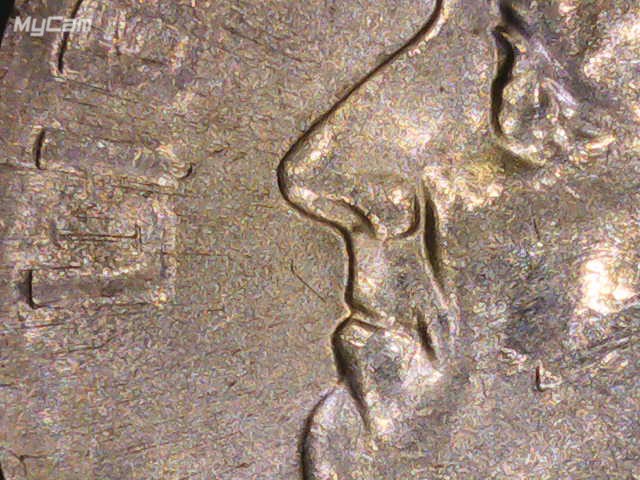
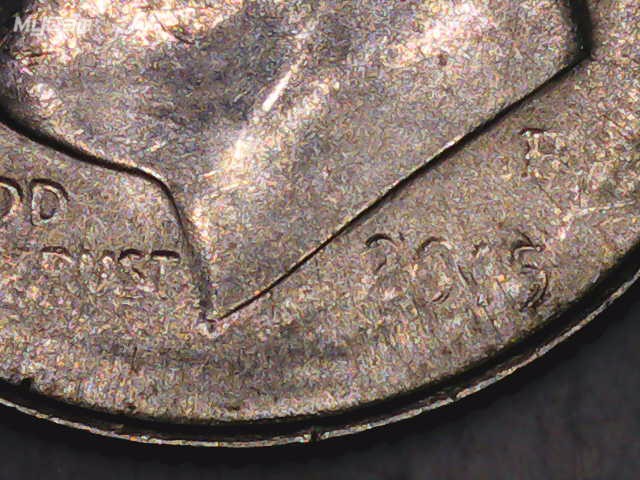
Thanks guys. The only thing that's odd is the right side of the obverse has a depression in it. I suppose it could be related to the deterioration.
|
|
Pillar of the Community
United States
9038 Posts |
Is a depression or just a stain? Stains can be very misleading.
-makecents-
|
|
Moderator
United States
108935 Posts |
nice Greaser - that 'thing at K3 as -make- asked is it a dent or depression? It looks like a stain to me so far. |
|
Valued Member
United States
157 Posts |
|
|
Bedrock of the Community
United States
62064 Posts |
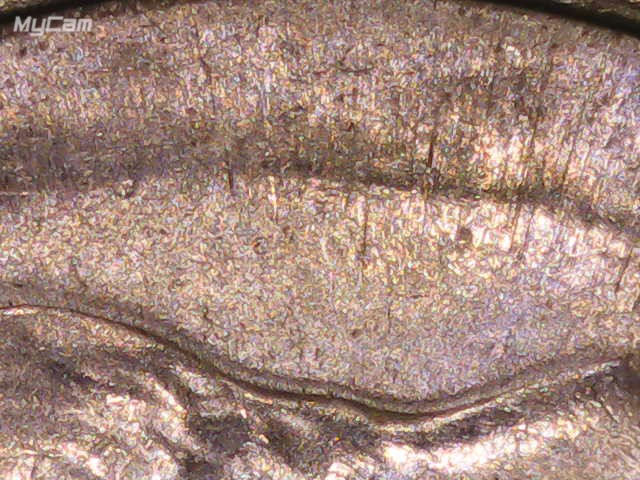
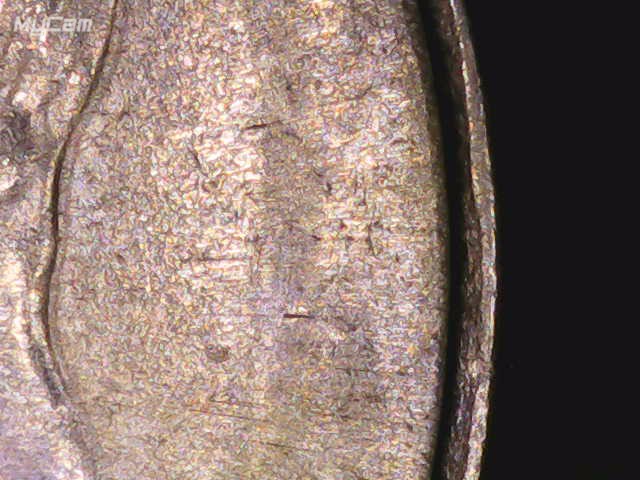
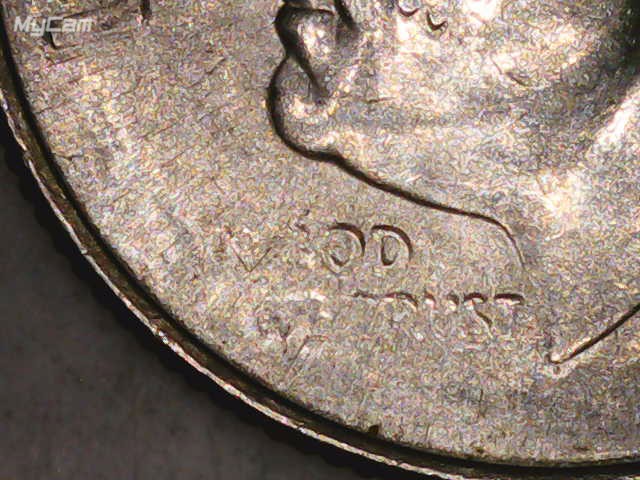
This die may have been damaged with Feeder Finger Damage during it run and was polished that weakened some of the devices. (These devices would be smaller in size, while the stuck through grease would be lower looking and wider looking) |
|
Valued Member
United States
157 Posts |
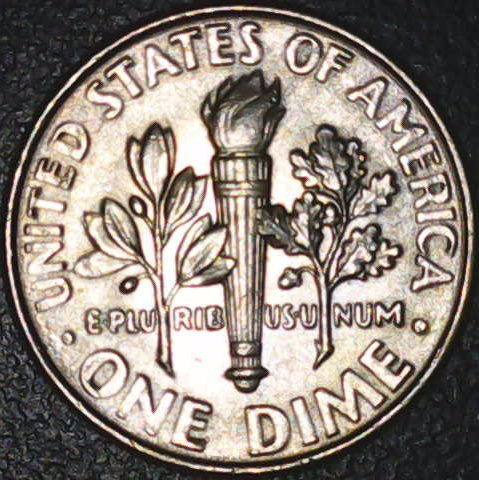
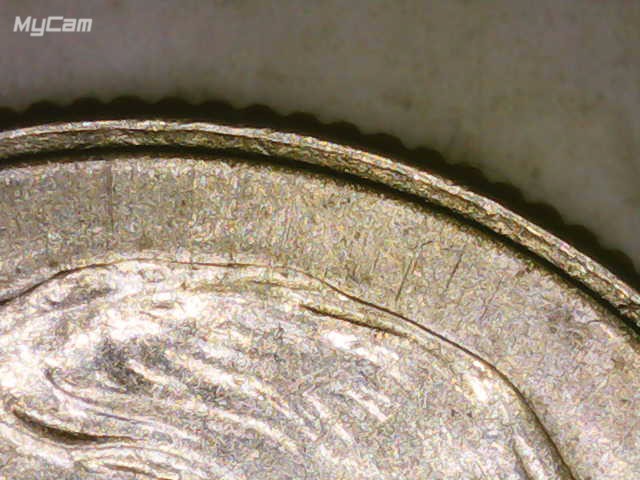
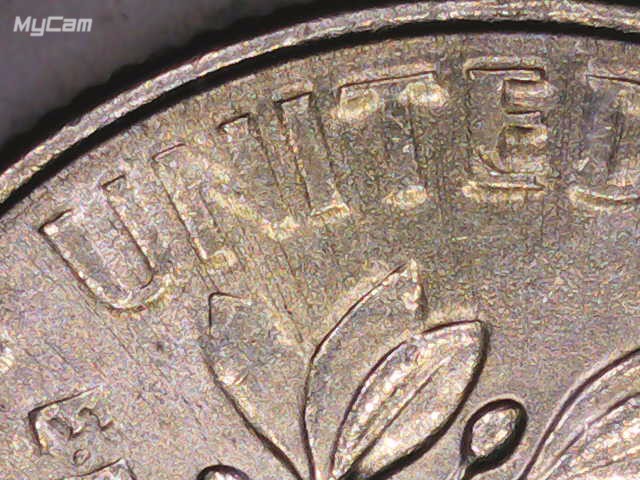
Thanks to everyone. I think this was an offset strike. It the die landed off and was tilted, it could explain the heavy impression on one side and the light impression on the other. The reverse also shows the same light impression but not as dramatic. Grease Fill often causes missing or partial elements but the surface around these looks rough. The one piece that leads me in that direction is the depressed area on the obverse. A harder strike on that side might have caused that. http://www.maddieclashes.com/vertic...d-die-error/ |
|
Pillar of the Community
United States
594 Posts |
Not sure exactly what you mean by "offset strike". If you're suggesting a low pressure ("die adjustment") strike, I'm not sure I agree. The rims are fully struck on both sides and there's no symmetry of device weakness on both sides. Strong rims and obscured devices almost always means a Grease Filled Die was the culprit. Since the rim is actually part of the die, on a tilted die you would expect to see a difference in the rim from one side of side of the obverse to the other side of the obverse, just as in the example you linked to. The depression could have been caused by the grease, or as Coop suggested by the die having been over polished. |
|
Valued Member
United States
157 Posts |
Thanks HGK3. By offset strike I did mean a misaligned die. I see a lot of grease issues and this just looked different. "The pole that is well struck will show a very strong design rim and often finning of the rim." Just because the rim did not show finning of the rim does not mean this could not be a misaligned die. However, I am still learning so I will leave this as is and I appreciate your comment.
|
| |
Replies: 11 / Views: 1,000 |
|






 Posted 07/29/2022 7:50 pm