Quote:
Wade:
ainsivalavie,
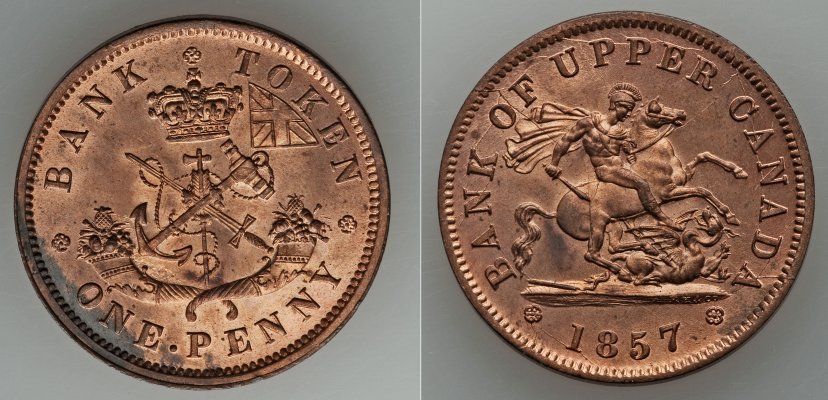
you opinion requested & appreciated:
regarding proof dragon slayers,
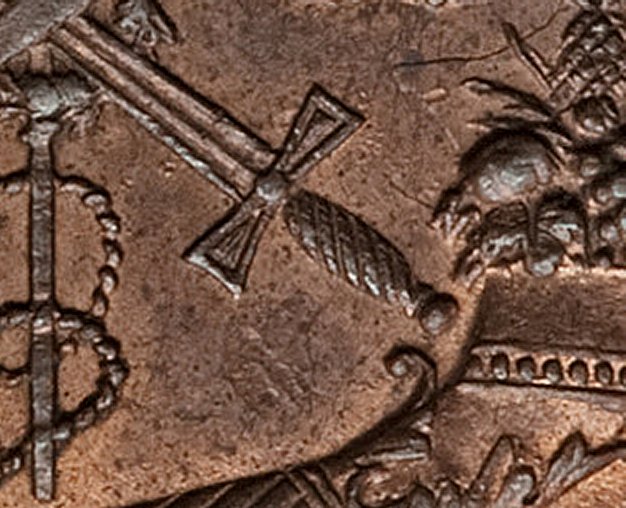
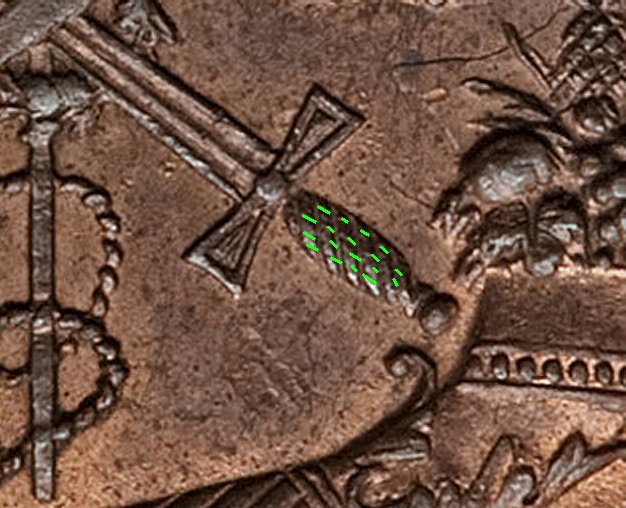
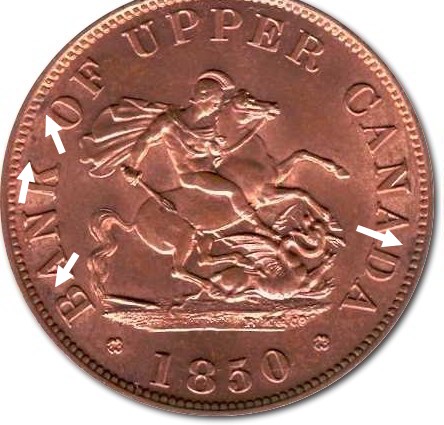
the only proofs I have seen (very few, and all via auction house photos) all show the handle of the sword with a second set of "lines" within the handle wrap,
instead of just appearing as a single wrap, the handles in proofs all show as below, as if double wrapped
my question is simple, is this a proof strike? or just a really early die state strike?
are there additional indicators that determine/separate proof strikes from regular strikes?
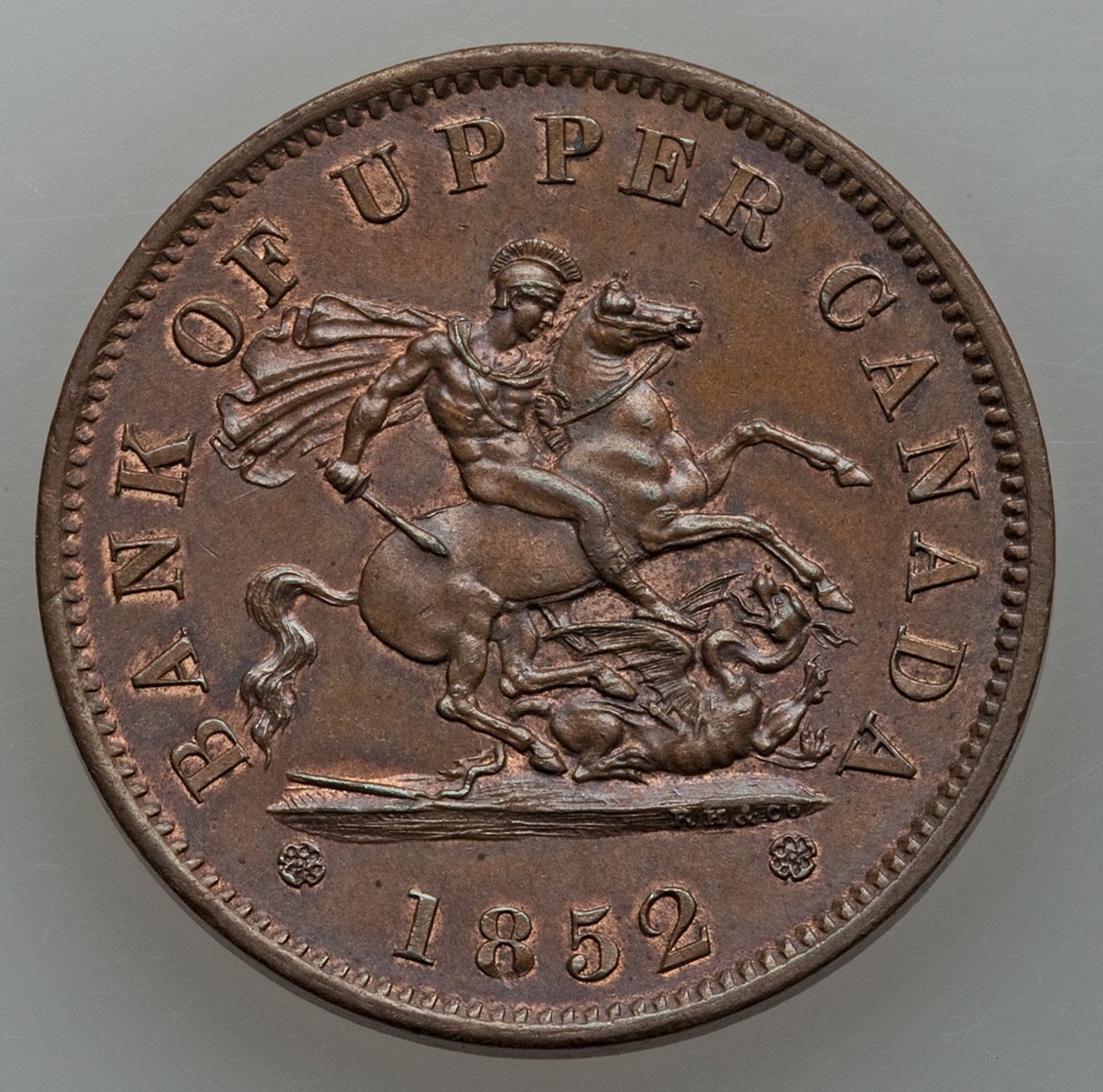
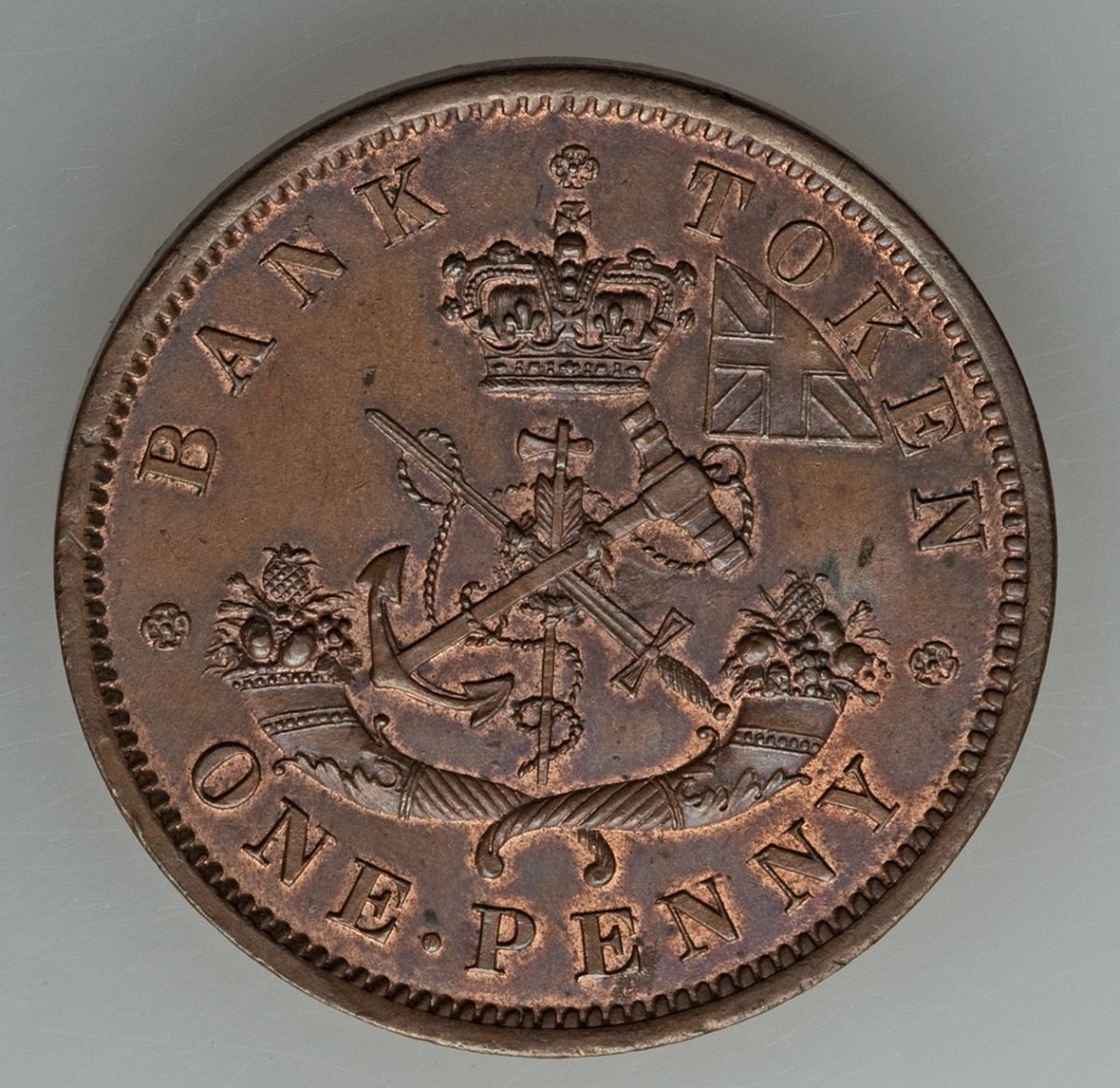
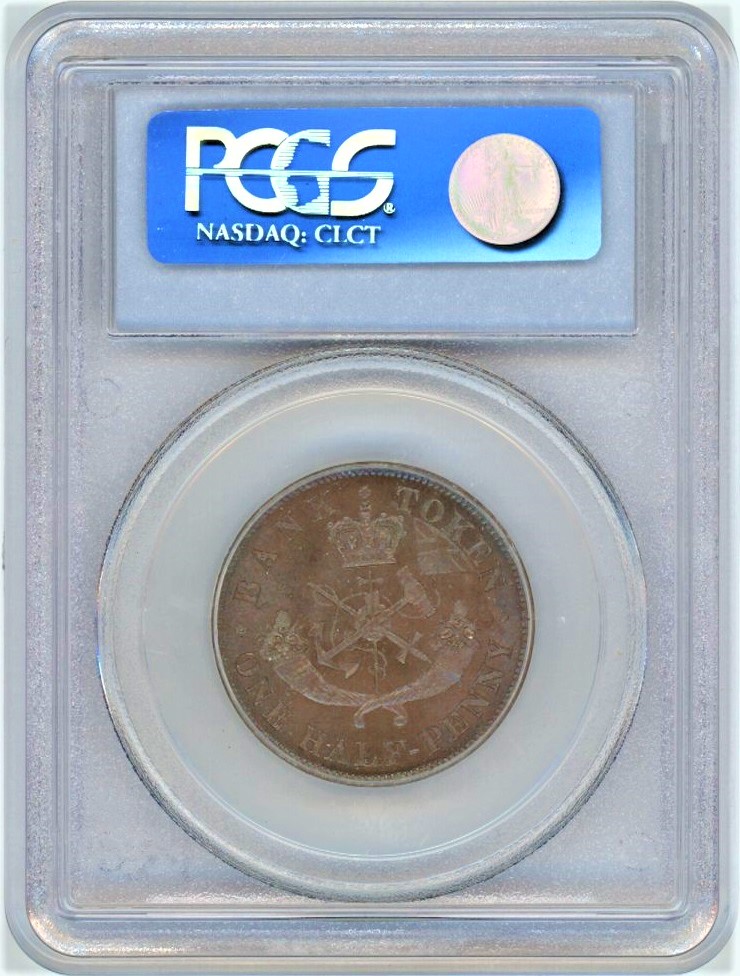
this coin has been shown before in this thread (but I will show it again for reference), it was acquired raw from the Doug Robins Collection.
thank you in advance
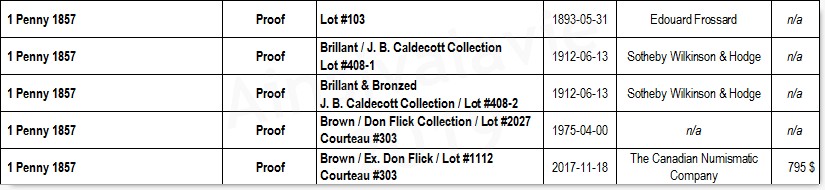
@Wade:To date I have listed nearly forty Proof tokens for this series. And the particularity you mention is often present on Proof tokens for the 1 Penny, but it is also present on several 1 penny tokens intended for circulation. This is not a decisive factor for sure.
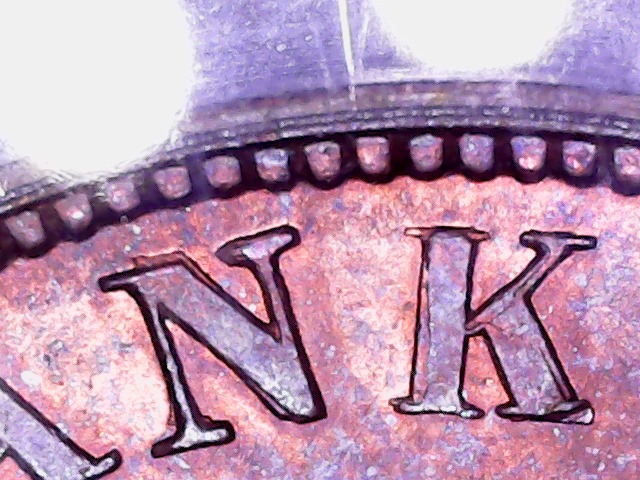
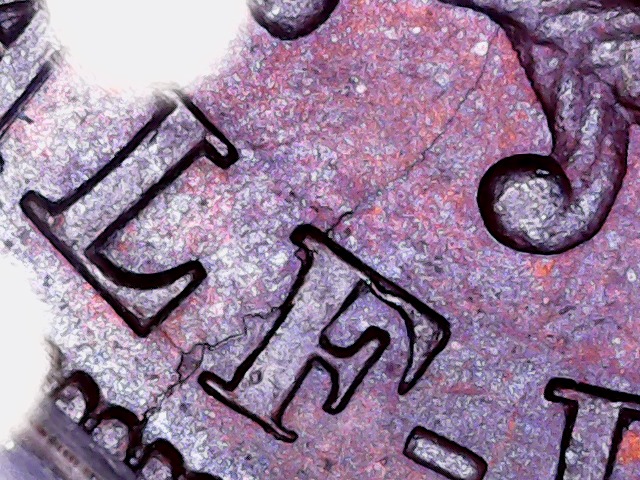
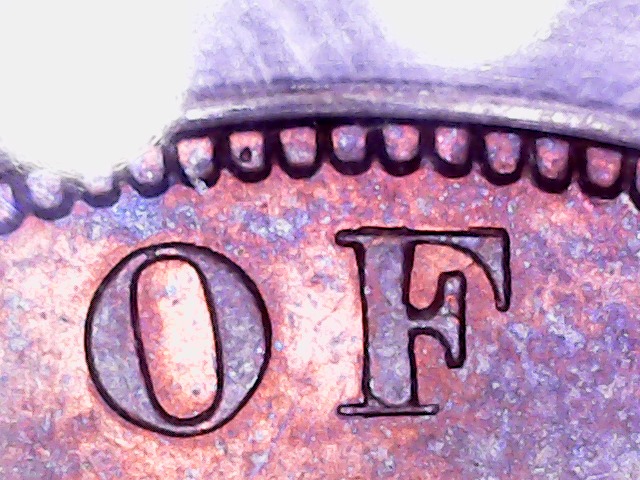
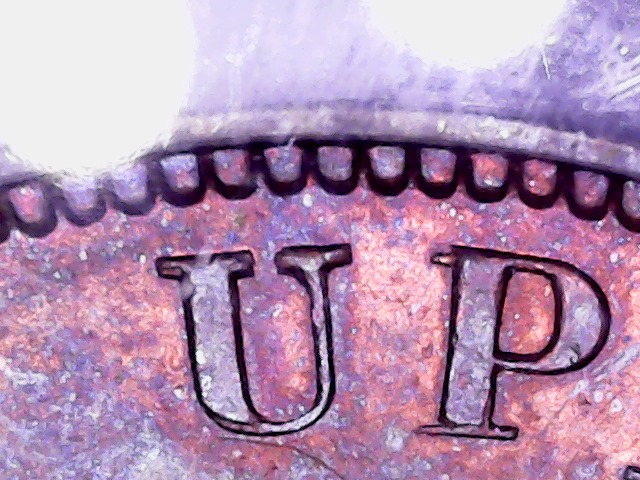
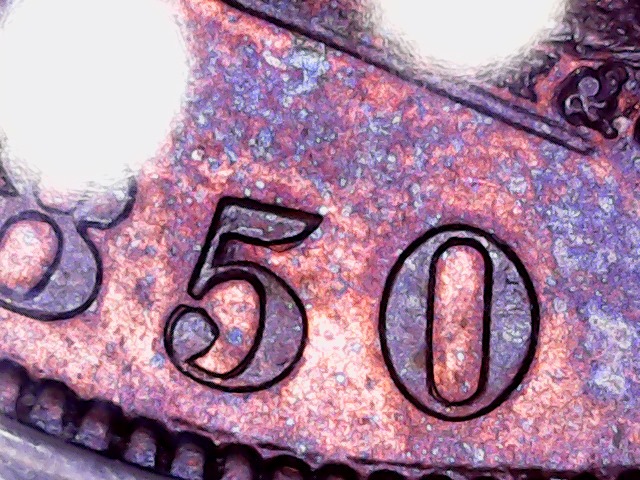
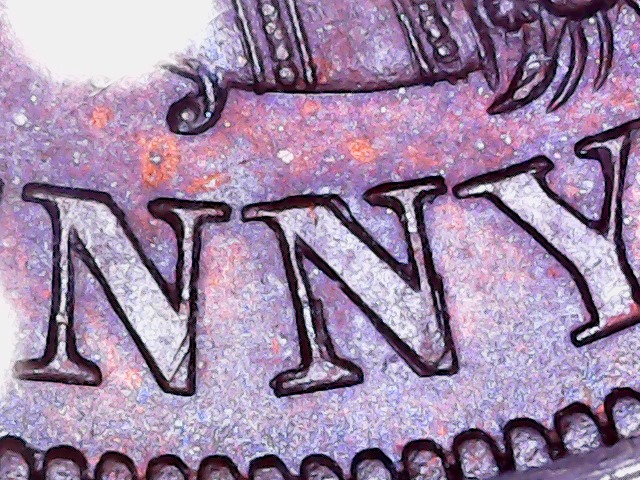
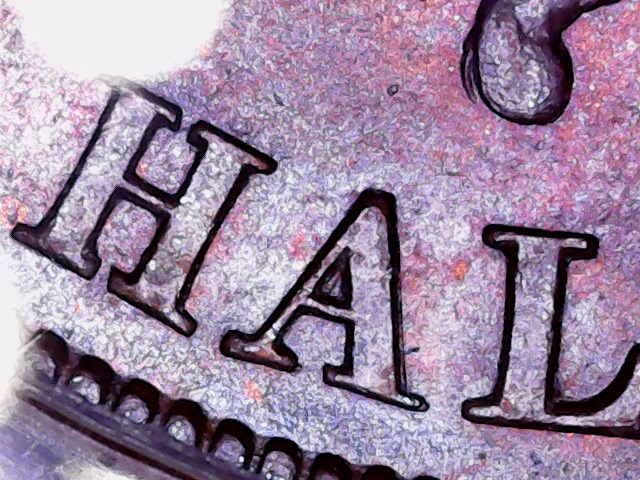
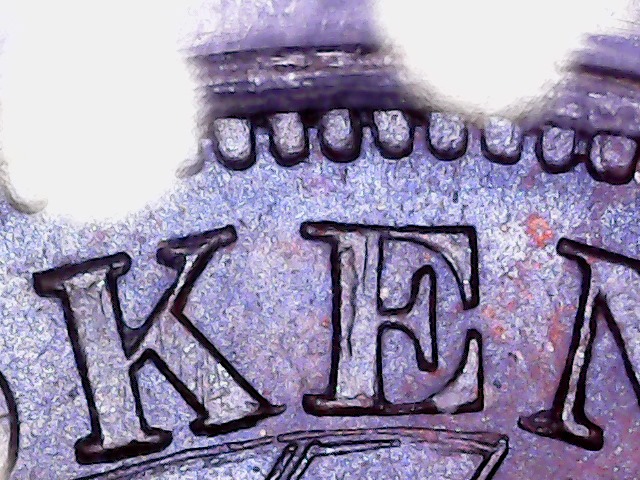
Concerning your token (Courteau #249 / Heaton Mint), in my opinion it is not a Proof token. The main element that leads me to believe this hypothesis is the fact that the rim of your token is not well enough defined, at least via your photos. It is not always easy to detect this type of coin via photos. So, with the coin in hand, it would be possible for my opinion to be different, although I doubt it.
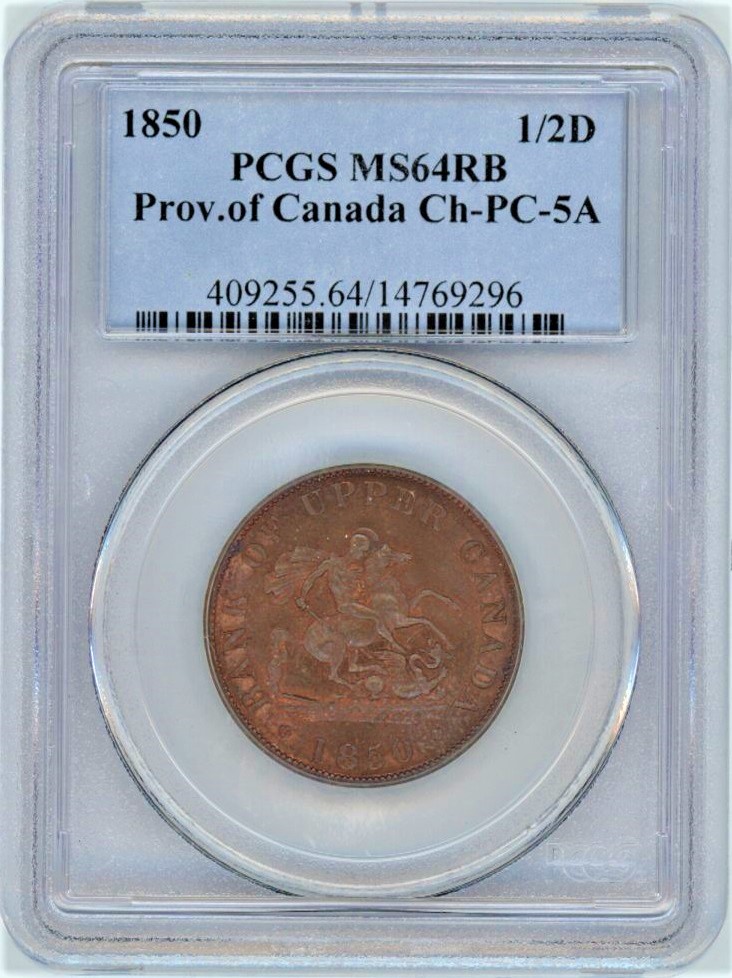
Also, it should be noted that I am aware of one token Courteau #249 identified as Proof by NGC. But, the photos I have access to it are not of good enough resolution for me to determine whether or not this is really the case, but I'm inclined to say yes.
However, the striking of your token is quite successful, and, as you mention, the dies used to strike your coin did not yet have much wear and tear (+/- Early stage). Its a beautiful token.
It is not easy to simply describe how to detect a Proof example for this series of tokens. Indeed, in my current book, I devote an entire chapter to the question.
Not to mention that some tokens are really on the border edge, and to my knowledge, for this kind of case, it is very difficult to decide definitively, especially when the dies used have also been used for tokens in circulation.
Thus, some of the dies used to strike Proof tokens were also used to strike coins for circulation. Three examples among others illustrating this fact with the varieties Courteau #218, #244 and #303.
However, some die combinations have only been used to strike Proof tokens. I describe some of them in my book (They are not present in Courteau's book). Fortunately, thanks to this element, it is possible to be categorical fairly quickly for some tokens.
The field of the coin is also sometimes different on Proof examples. There are often many "polishing lines".
I did not have the chance to acquire the weight of a large number of Proof tokens, however for some of them, I found that their weight was sometimes slightly higher than the norm (+1g to 2g for the one penny from
The Royal Mint).
In addition, it is recognized that the Proof tokens of the Heaton Mint were generally of lower quality than those of
The Royal Mint, and therefore more difficult to detect.
In short, there are many other elements, but we will have to wait until my book is published for them. Moreover, it is a subject that I have not yet finished studying. I still hope I was able to answer some of your questions.
Note: Sorry for my English and my multiple updates, I'm particularly tired tonight.
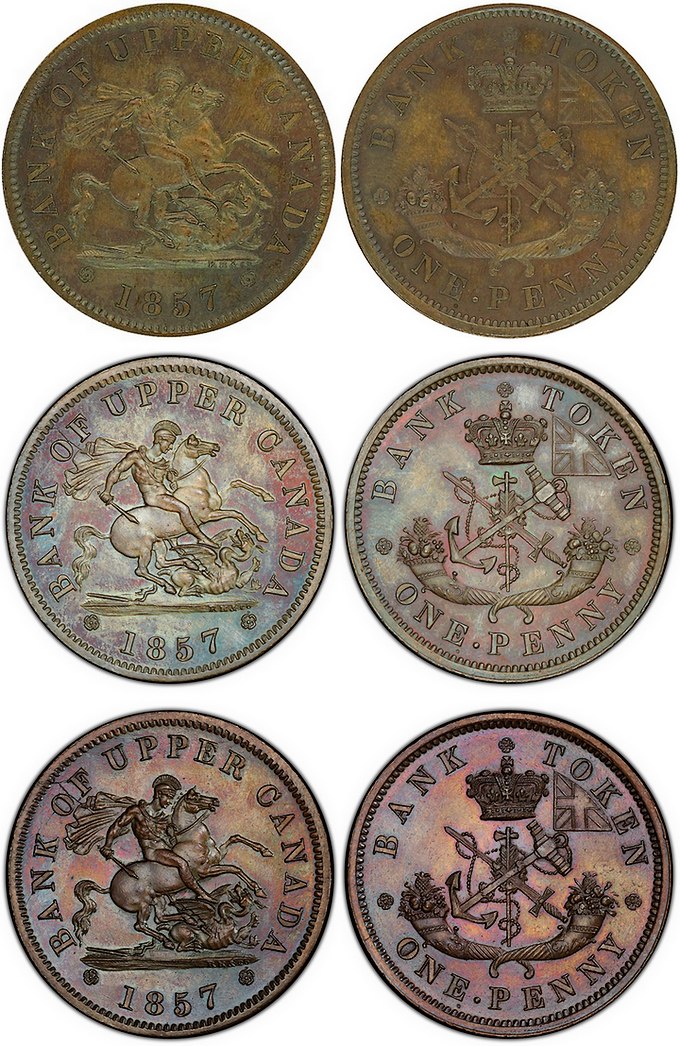
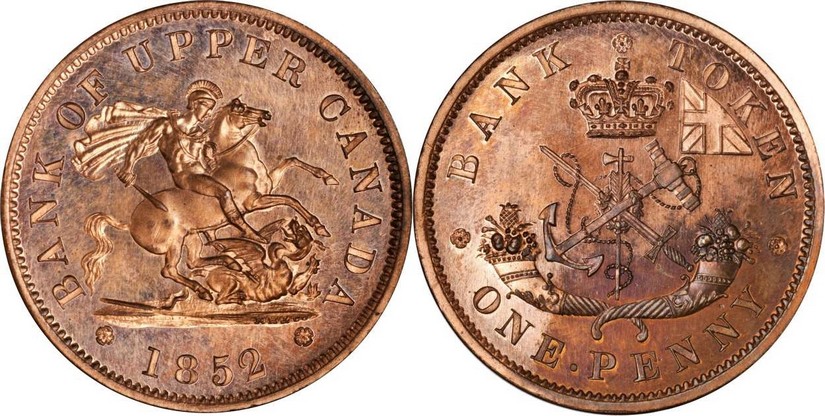
As an example here is a Proof token (PC-6B4 / Narrow «2» - Heaton Mint) that was present in the John Ford collection (One of the most beautiful I've ever seen):
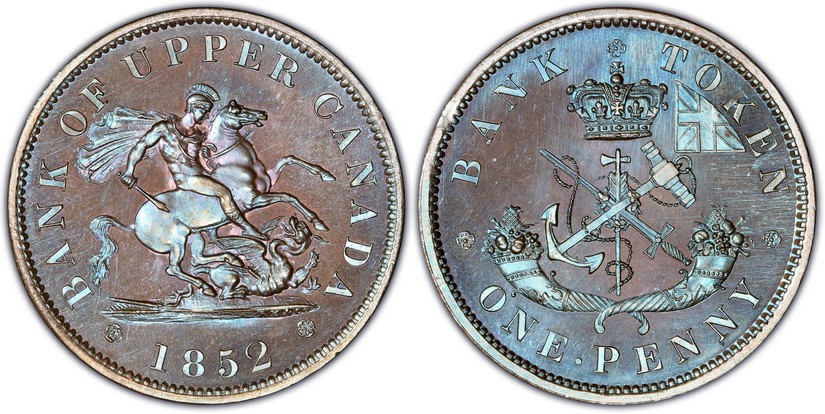
Or this beautiful Proof Courteau #244 (PC-6B2 / Large «2» -
Royal Mint) (Also one of the most beautiful I've ever seen

):
 Update:
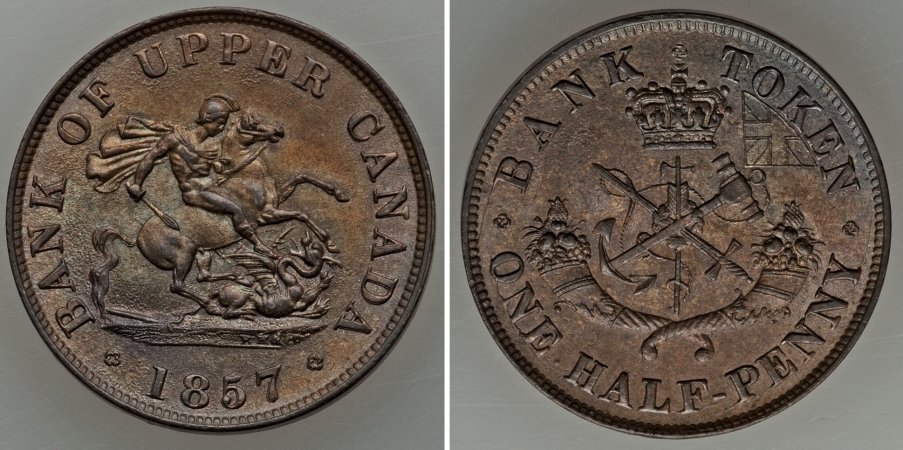
 I just found another picture of your token in my archives, when it was offered in a previous sale. Your token was previously certified «MS-64-BN» by NGC in october 2009, and mistakenly identified as PC-6B4. It had the serial number 1906263-001.
Source: https://www.NGCcoin.com/certlookup/1906263-001/64/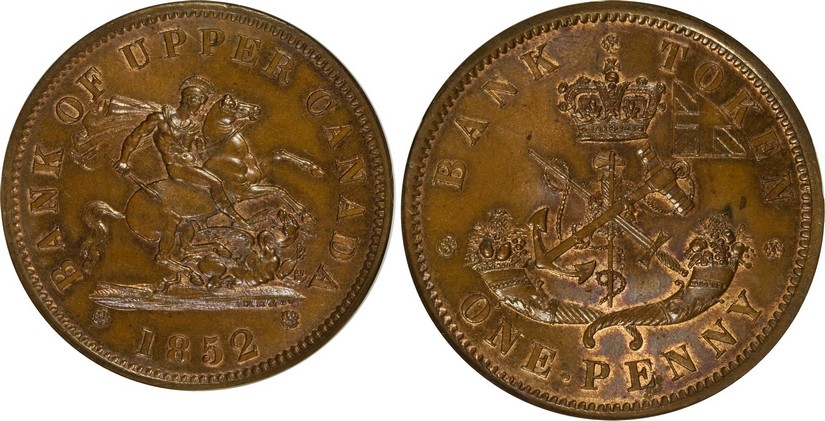
I'm sorry if my English isn't perfect... I'm learning a little more every day.




 First Page
 Previous Page



 Posted 01/13/2019 7:55 pm