| Author |
 Replies: 21 / Views: 5,697 Replies: 21 / Views: 5,697 |
Page 2 of 2
|
|
|
|
New Member
 Bulgaria
16 Posts |
Thanks, Henry! Yes, that's right. I have other coin like this one with different write "SF"
|
|
New Member
Bulgaria
16 Posts |
..now here. 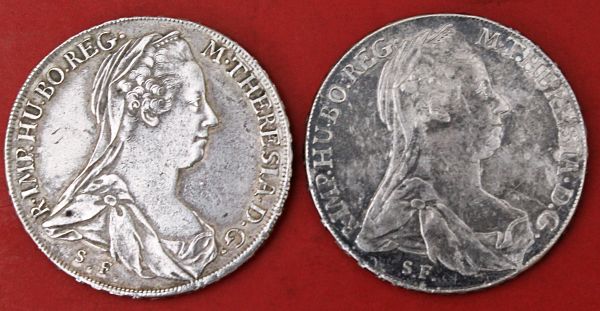 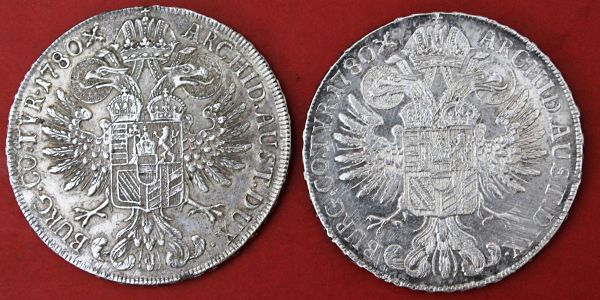 If you know H28_ _?! Edited by en4eff
06/28/2014 06:31 am
|
|
Pillar of the Community
2087 Posts |
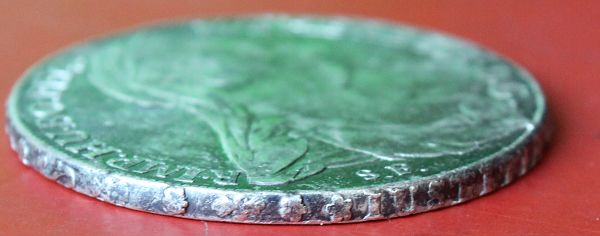
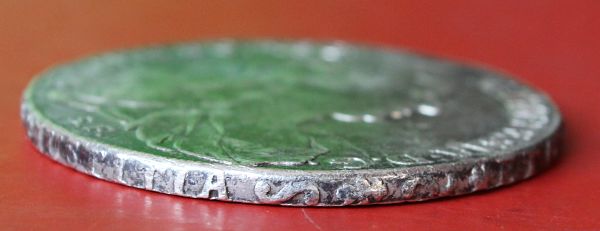
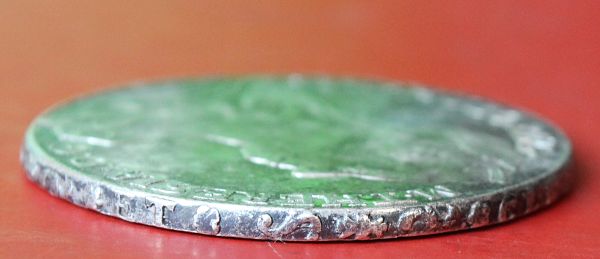
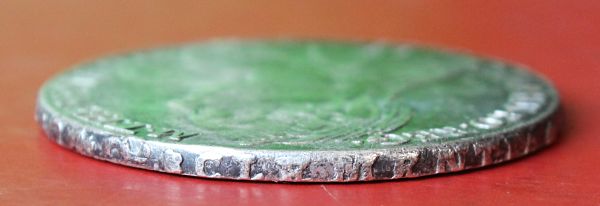
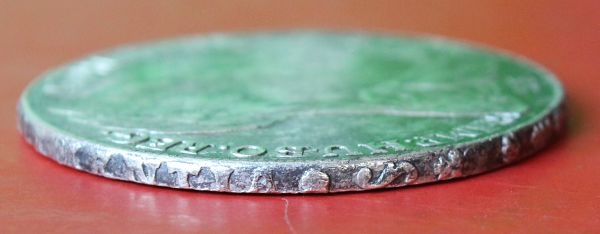
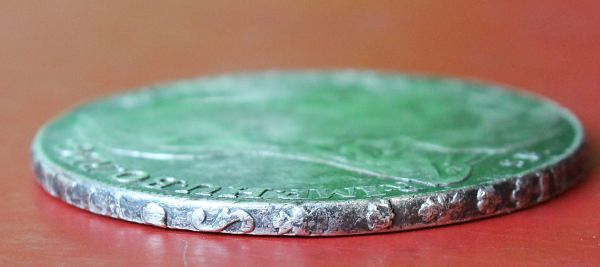
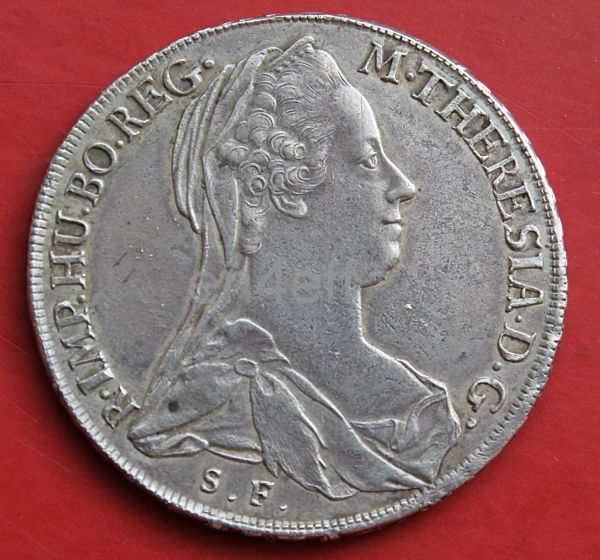
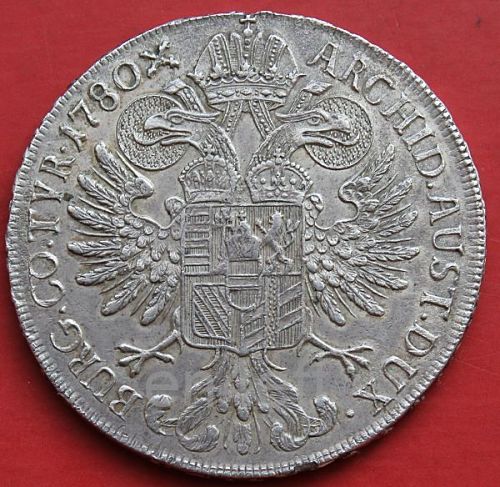
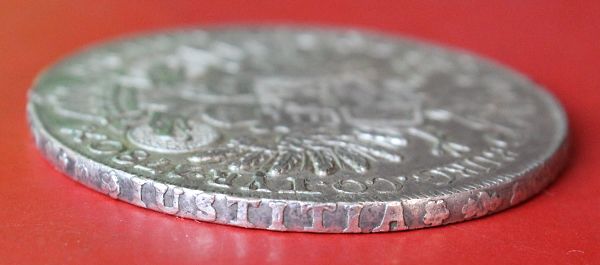
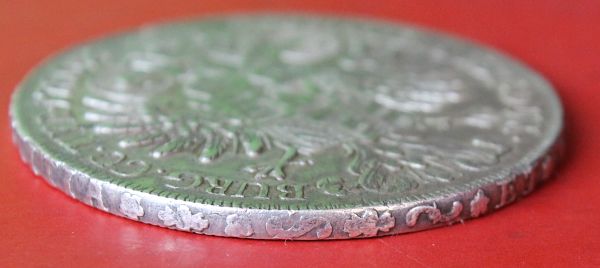
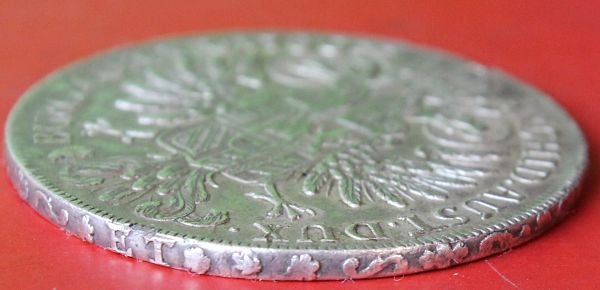
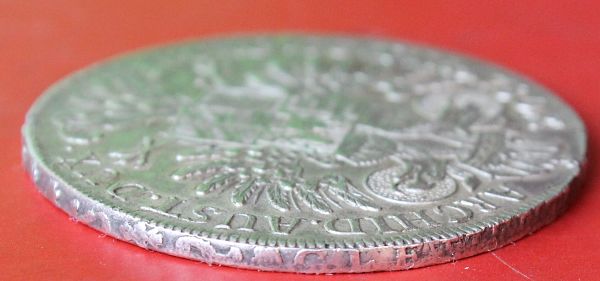
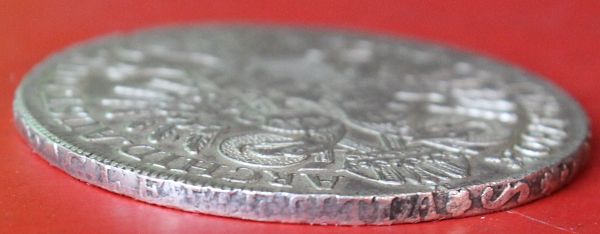
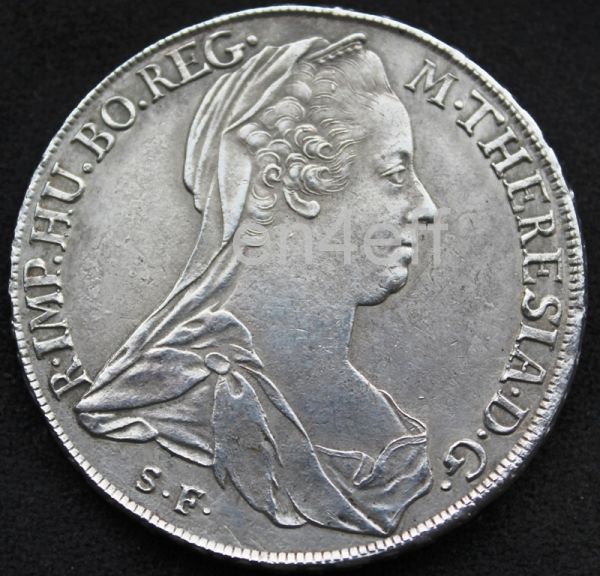
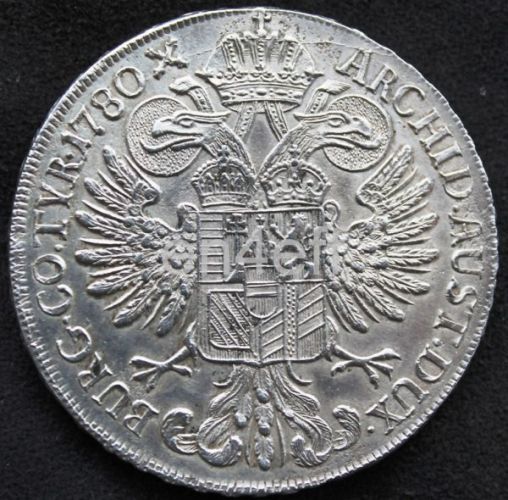
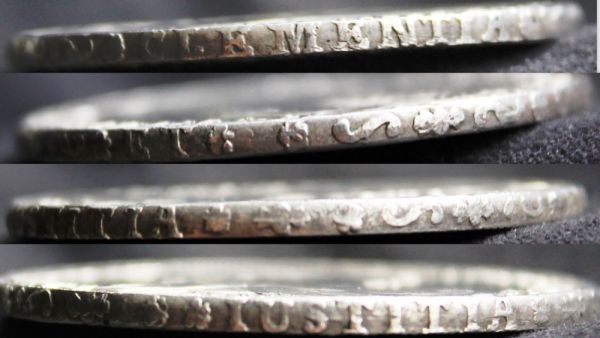
the coin is probably H29 ( very similar to H28). Struck between 1789 and 1792. It looks primitive compared to the modern re-strike because it was struck from hand engraved dies using a screw press. The faults that someone identified are typical of the engraving and striking method. It looks genuine to me. But to confirm please post a picture of the edge specifically the cross like decoration you should find on the side. Current retail value for that coin would be around US$300.00.
The mint signature SF was not a 19th century addition. Mint signatures were added to Austrian Thalers in 1766. the mint signature is made from the initials of the Mint master (Tobias Shöbl) and mint warden(Joseph Faby). The coin does not have a mint mark Mint marks were placed on some coins but not Günzburg MTTs after 1766. The mint marks used were:"G" during Maria Theresa´s life time then changed to "H" by her son after her death( perhaps to prevent confusion with Graz mint; assuming it was still open at that time)
Edited by austrokiwi
06/28/2014 08:46 am
|
|
Pillar of the Community
Hong Kong
1270 Posts |
Austrokiwi, mint mark of H29 has two pairs of colons while of H28 is full stop. So this is a H28 variety.
En4eff, the second coin you post looks different from the first one. Can you provide larger pictures for identification. As austrokiwi spoke, edge pictures are always helpful. Henry
|
|
Pillar of the Community
United States
4883 Posts |
I can see why the first specimen could be identified as an early restrike. However, one further characteristic that I note as needing an explanation is the close spacing of the "S.F." which seems atypical.
Edit: Am I the only one who thinks that getting a weight (and maybe a diameter, too) besides just photos is important data for evaluating a coin like this?
Colligo ergo sum
Edited by Lucky Cuss
06/28/2014 11:53 am
|
|
Pillar of the Community
Hong Kong
1270 Posts |
Yes, the weight of the coin is the very first preliminary idea to determine a coin fake or not. But up to now, I still not see a high grade counterfeit of this MTT restrike probably there is a vast number of such specimens in the markets. It is not worthy to make a forgery of this type. Henry
|
|
Pillar of the Community
2087 Posts |
Quote:
Edit: Am I the only one who thinks that getting a weight (and maybe a diameter, too) besides just photos is important data for evaluating a coin like this? weight helps but you do have to take into account 18th century tolerances were not as good as they are today so the weight can vary around o.1 gram for early re-strikes. As for diameter.....its not that helpful unless the diameter is ridiculously out of sync. The MTT was struck with out a collar...also with screw presses the striking pressure could vary these two factors can see coins(from that era) can varying (40-42 mm) |
|
New Member
Bulgaria
16 Posts |
|
|
New Member
Bulgaria
16 Posts |
Edited by en4eff
06/29/2014 03:05 am
|
|
Pillar of the Community
2087 Posts |
Yep its genuine that edge is unmistakably Günzburg.
|
|
Pillar of the Community
United States
4883 Posts |
Quote:
weight helps but you do have to take into account 18th century tolerances were not as good as they are today so the weight can vary around o.1 gram for early re-strikes. As for diameter.....its not that helpful unless the diameter is ridiculously out of sync. The MTT was struck with out a collar...also with screw presses the striking pressure could vary these two factors can see coins(from that era) can varying (40-42 mm)
I acknowledge your points, but from the serious researcher's standpoint, I'd contend it's still worthwhile compiling this data to establish ranges and means for different varieties. Colligo ergo sum
|
|
Pillar of the Community
Hong Kong
1270 Posts |
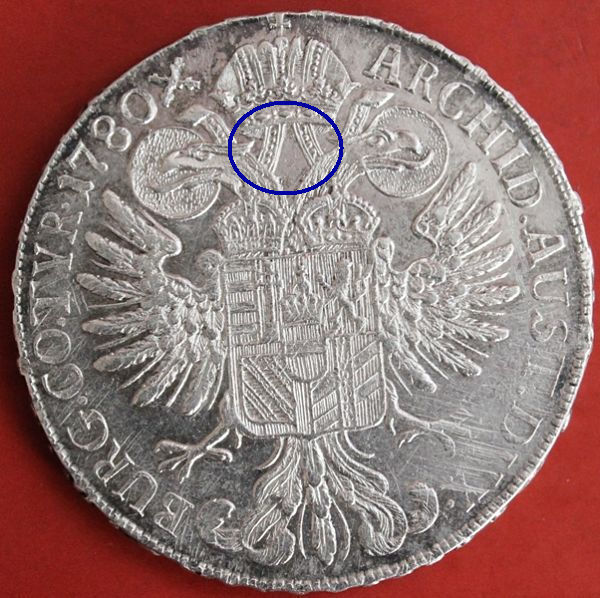 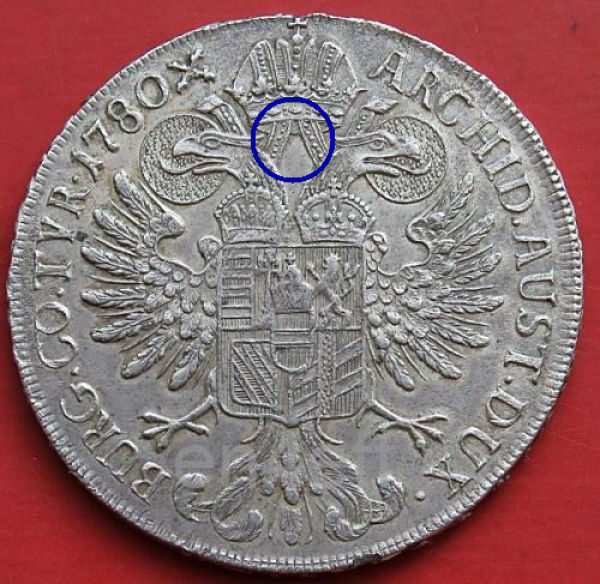 en43ff, I am sure your two coins are different but I don't know they are in different Hafner's categories or they are varieties of H28. |
|
Pillar of the Community
2087 Posts |
2nd coin reverse seems to match hafner 31
|
|
New Member
Bulgaria
16 Posts |
|
|
Pillar of the Community
2087 Posts |
Nice example of H 28 very nice edge often the obverse and reverse are Ok and the edge is a mess, but not so yours. Struck in Guenzburg between 1789 and 1792 ( according to the catalog. However based on the shape of the letter "M" and some recent archives discoveries I would extend that range by half a year (1789- mid 1793)
|
|
Page 2 of 2
|
Replies: 21 / Views: 5,697 |
Page 2 of 2
|







 First Page

 Posted 06/28/2014 06:27 am