| Author |
 Replies: 19 / Views: 11,437 Replies: 19 / Views: 11,437 |
Page 2 of 2
|
|
|
|
Bedrock of the Community
 United States
12907 Posts |
Is that an LGS?  Edited by CelticKnot
07/16/2016 7:59 pm
|
|
Bedrock of the Community
United States
94367 Posts |
If I am reading the S/N correctly, apparently not. I don't collect LGS notes because I am always doubting my judgment and don't want to look up a serial number to see if it is a light seal or not!  Bet we hear back from amrys on this one. Edited by Coinfrog
07/17/2016 5:48 pm
|
|
New Member
 United States
2 Posts |
Thank all for helping me out. It was just something different about the way it looked.
|
|
Pillar of the Community
United States
2243 Posts |
Nice note but unfortunately not worth much over face as the others said.
|
|
Pillar of the Community
Germany
645 Posts |
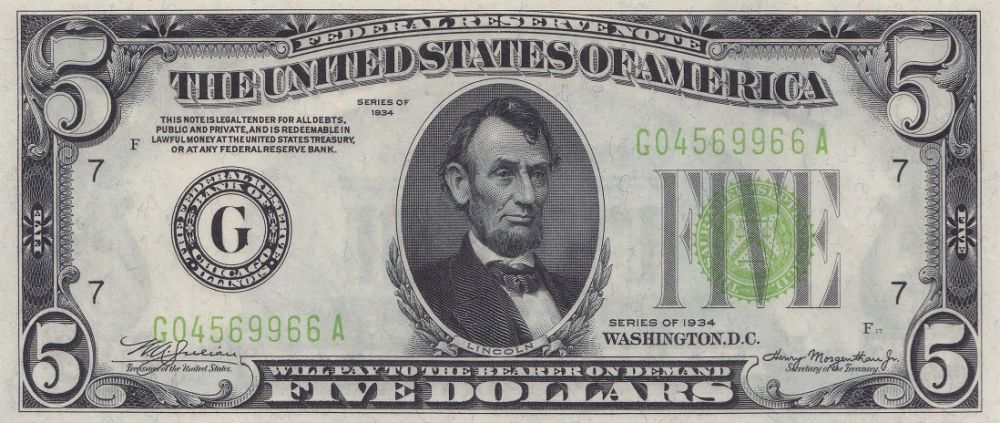
Here is a cousin.  |
|
Pillar of the Community
Germany
645 Posts |
Your bill is a DBG Seal, my example is a LGS. Here you can see the different: 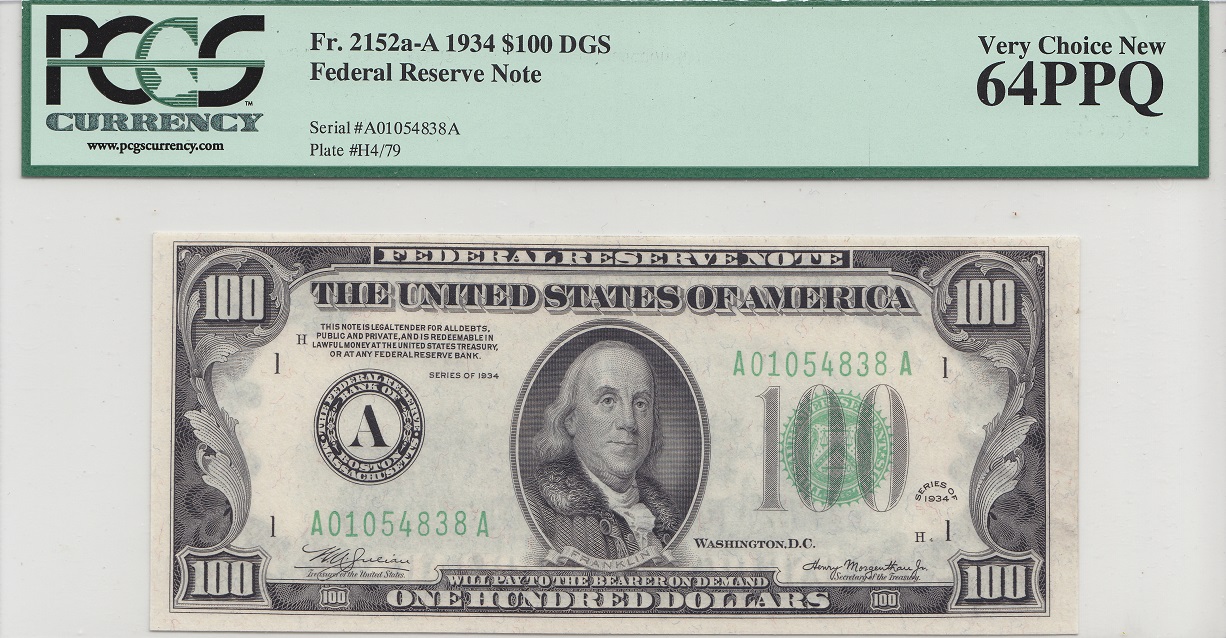 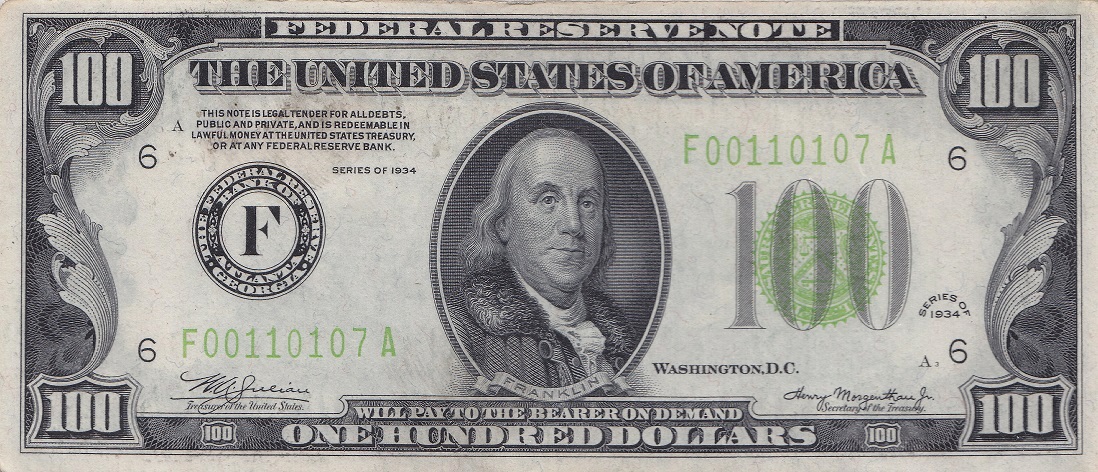 |
|
Pillar of the Community
Germany
645 Posts |
Edited by hajduk
07/18/2016 3:48 pm
|
|
Bedrock of the Community
United States
94367 Posts |
hajduk - Nice run. Just goes to show the spectrum of colors that is found on both DGS and LGS notes. I honestly believe that many light-colored DGS notes from different series are virtually indistinguishable from some LGS notes with less yellow in the ink - except for the serial number!
Edited by Coinfrog
07/18/2016 5:48 pm
|
|
Bedrock of the Community
United States
12907 Posts |
Wow. I have a lot to learn about LGS/DGS.
|
|
Bedrock of the Community
United States
94367 Posts |
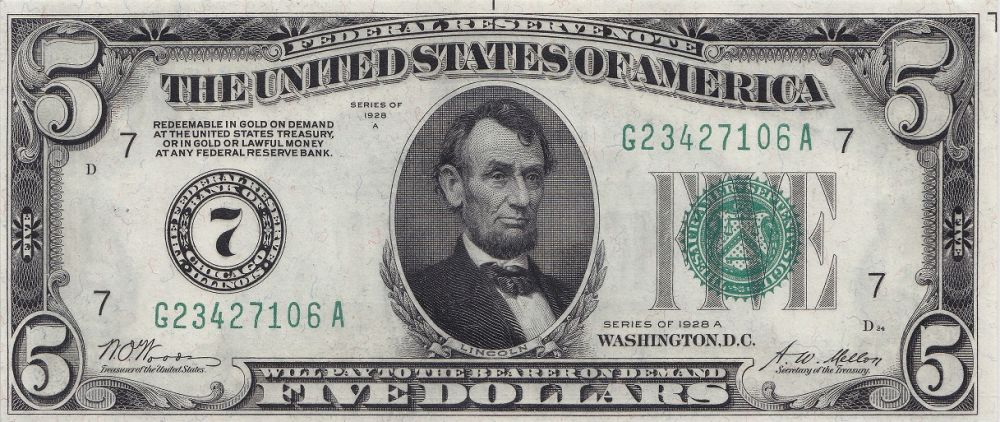
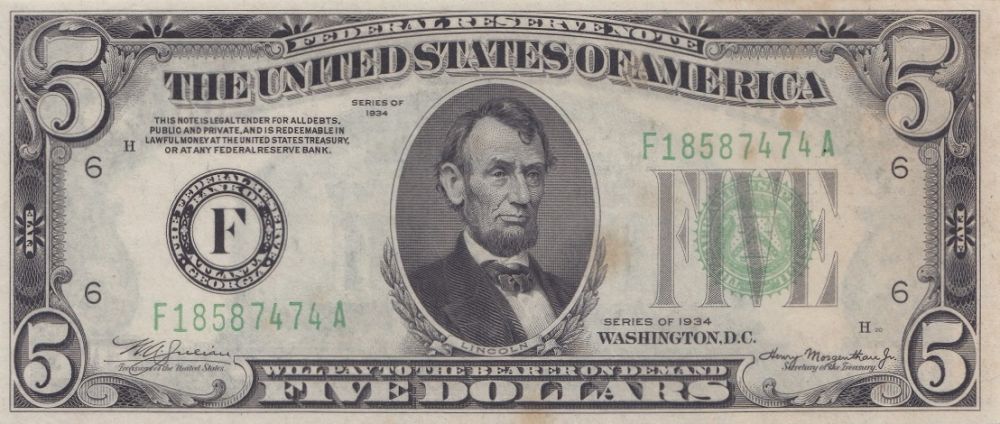
Schwartz and Lindquist (Standard Guide to US Small Size Paper Money) comment frequently about the subjectivity in determining LGS bills, and refer to the 1928-C issue as the standard, since only the "lime" LGS was printed in that series. I think it is fair to say that anyone who has studied LGS notes from other issues has seen a considerable variance in coloring - I know I have, and I am reluctant to pay a premium for many of them even though, by serial number, they are technically LGS notes.
Edited by Coinfrog
07/19/2016 5:42 pm
|
|
Bedrock of the Community
United States
12907 Posts |
So I take it SN the only reliable indicator then?
|
|
Bedrock of the Community
United States
94367 Posts |
Well, the S/N is the only technical indicator, and even these ranges will change as new examples are added to the census. The colors do not shift back and forth, I believe - LGS notes are generally below a floating low S/N, and DGS notes above another floating higher S/N, as I recall. But your eye and experience are more reliable indicators, I believe. Many notes that are technically LGS (and indeed lighter than later examples with darker ink) do not really compare with the true lime-green (yellowish, almost) notes that serious collectors really love.  |
|
Pillar of the Community
United States
4637 Posts |
I strongly agree with Mr.Frog, and will add that I, unequivocally, am without a clue concerning the different variety of hues and shades of green ink used back then and head directly to a serial number guide to distinguish between LGS, DGS, and everything in between.
|
|
Bedrock of the Community
United States
94367 Posts |
To quote Schwartz and Lindquist:
"There may always be a slight amount of subjectivity in determining a Light Green Seal designation...In the end, it is up those involved in the transaction to determine if the buyer is willing to pay the Light Green Seal premium attached to the designation."
That's for sure. I will be back with a quiz on this to test your eyesight.
|
|
Bedrock of the Community
United States
94367 Posts |
Quiz: Okay now, without cheating, which of these has a Light Green Seal? These are completely unretouched pics taken a minute ago with the same lighting - one is a '28-A series, the other a '34 series. 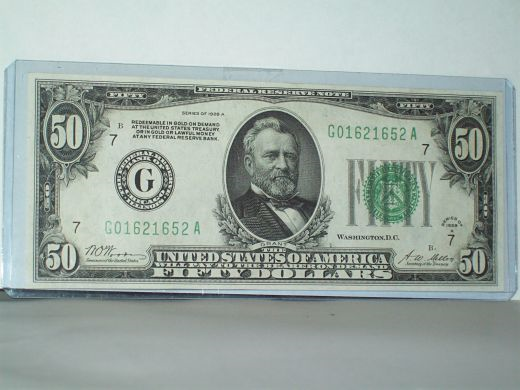 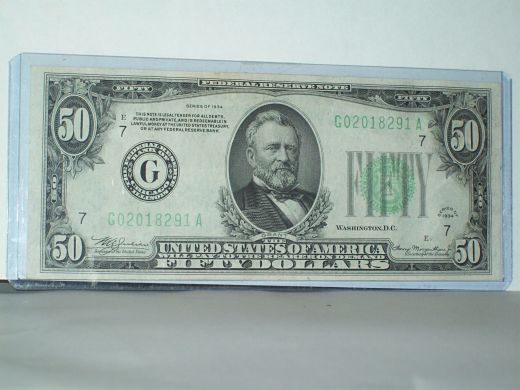 Edited by Coinfrog
07/21/2016 5:43 pm
|
|
Page 2 of 2
|
Replies: 19 / Views: 11,437 |
Page 2 of 2
|






 First Page


 Posted 07/17/2016 5:48 pm