| Author |
 Replies: 16 / Views: 7,978 Replies: 16 / Views: 7,978 |
Page 2 of 2
|
|
|
|
Valued Member
 United States
362 Posts |
|
|
Bedrock of the Community
United States
12437 Posts |
Plating bubbles are common on 1980s Zincolns, it is caused by residual contamination left on the zinc blanks before they were electroplated. Once the plating bubble rupture, severe corrosion sets in. It are not an error and it is actually fairly uncommon to find one without plating bubbles.
|
|
Pillar of the Community
United States
3463 Posts |
 to the forum! |
|
Moderator
 United States
56855 Posts |
Bio, I asked this before but did not get an answer,if the bubbles are on the planchet why don't they get flattened out during the strike? John1  |
|
Pillar of the Community
United States
3516 Posts |
|
|
Bedrock of the Community
United States
12437 Posts |
The bubbles would take a bit of time to form and are most likely not typically present at the time of striking.
|
|
Pillar of the Community
United States
3463 Posts |
Wouldn't these be formed immediately after the strike due to heat from striking. The blisters would appear where the Zinc planchet was contaminated and didn't bond well with the Copper plating.
|
|
Pillar of the Community
United States
2775 Posts |
Another point to ponder (temperature change), would include mother nature or environmental conditions and metallurgical physics. Metal expands and contracts and not all at the same rate.
If a tight or permanent bond is lacking, I'd think one or the other will have to give over time. Thanks, Doug.
Edited by Halo1st
12/08/2016 3:16 pm
|
|
Rest in Peace
United States
4078 Posts |
Interesting discussion. Let me tag and learn
|
|
Pillar of the Community
Canada
891 Posts |
 I asked the same question and got the same answer, gas bubbles at the time of strike, but I also read somewhere on this forum ( don't ask me where I have read so many posts my eyes hurt ) That there bubbles caused by heat and also bubbles caused by environment and zinc deterioration |
|
Rest in Peace
United States
7075 Posts |
Did anybody buy a bag of cents from the mint during the years when these plating issues were so common? Did the newly minted cents have the bubbles?
|
|
Pillar of the Community
United States
2775 Posts |
Quote:
That there bubbles caused by heat and also bubbles caused by environment and zinc deterioration Not an expert, so don't quote me, but have read many post on subject. There is a heat or friction transfer at the time of strike that creates an "occluded gas bubble". Believe it to be caused by trapped air or gas. Very rare occurrence and hard to discern as it resembles a small die gouge in the examples I've seen. Larger bubbles typically seen on clad coinage is a product of induced heat after strike. They raise fairly large lumps on one or both sides of a clad coinage due to trapped air or gas expanding. Plating bubbles are as suggested. The thin layer of plating for what ever reason has formed a bubble from underneath the plating, between it and the host product. In the case of zinc plated cents, should outside air reach the inside cavity is a recipe for zinc rot to develop. Quote:
Did the newly minted cents have the bubbles? Just like in school I wish I had paid more attention. I don't recall seeing it early on, but then I wasn't looking for it back then either. Thanks, Doug. |
|
Bedrock of the Community
United States
62064 Posts |
There was an issue rinsing the planchets at first. The dust on the planchets were an issue. Thus the plating over the dust left the bumps on the coins. After the realized this, it happens less. No premium for these. In fact if a variety that was BU had this issue, I would pass on it. Get a good example, not a blight coin.
|
|
Pillar of the Community
United States
3463 Posts |
Quote:
Not an expert, so don't quote me, but have read many post on subject.
There is a heat or friction transfer at the time of strike that creates an "occluded gas bubble". Quote:Solid-alloy cents minted in 1982 and earlier can have occluded gas bubbles caused from heat generated when a planchet is struck. http://www.lincolncentsonline.com/m...laneous.html |
|
Bedrock of the Community
United States
62064 Posts |
I remember John Wexler once stated that during a tour of the mint, they gave him a coin (cent) that was freshly struck. He mentioned that it was not hot at all. I tried to find that comment on his site, but didn't see it. Then I remembered where I had read that. It was on a thread that several had sent out like a group conversation on the subject with 'trail dies' several years back. The thread was trying to determine what they were. BJ Neff was taking the lead on the conversation and several others including Wexler was involved in the conversation. I saved the thread at the time, but somehow lost it. I also copied a few images that John posted about the mint tour. 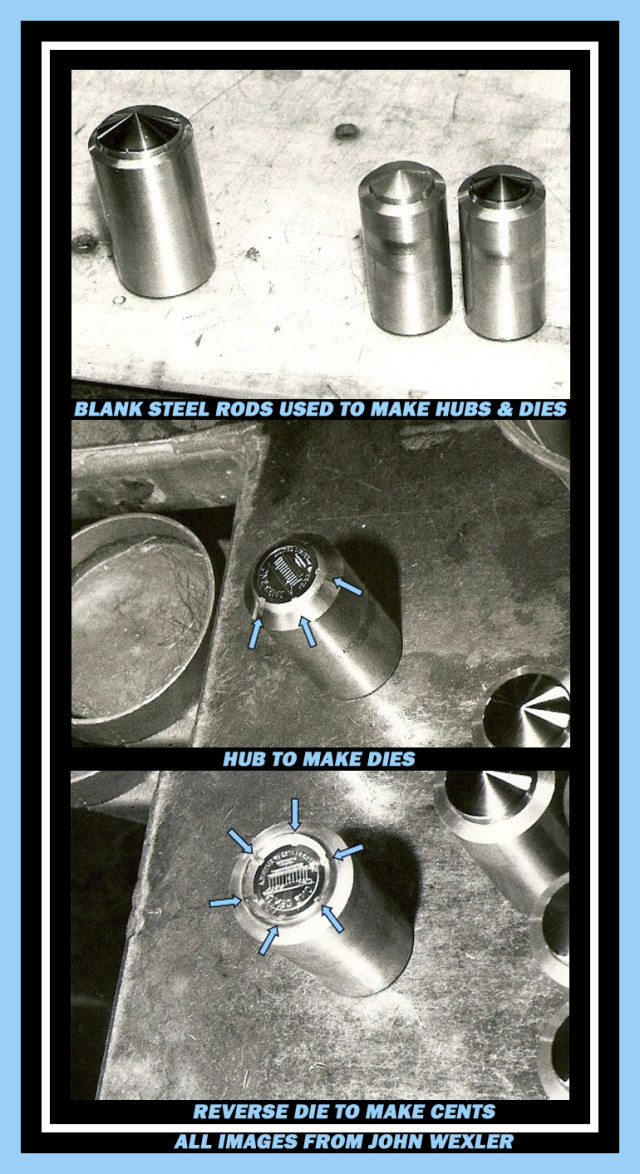 I can't remember what year that it was though. |
|
Page 2 of 2
|
Replies: 16 / Views: 7,978 |
Page 2 of 2
|








 First Page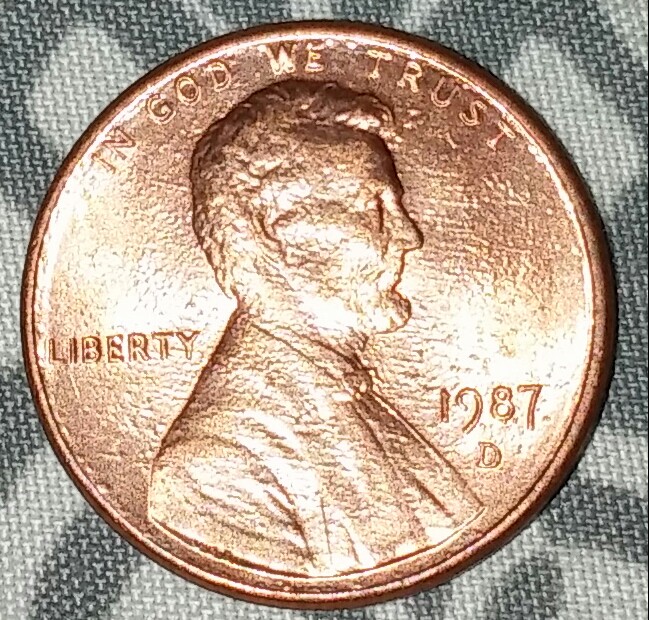


 Posted 12/08/2016 1:12 pm


