First Page


 Posted 05/27/2018 09:30 am


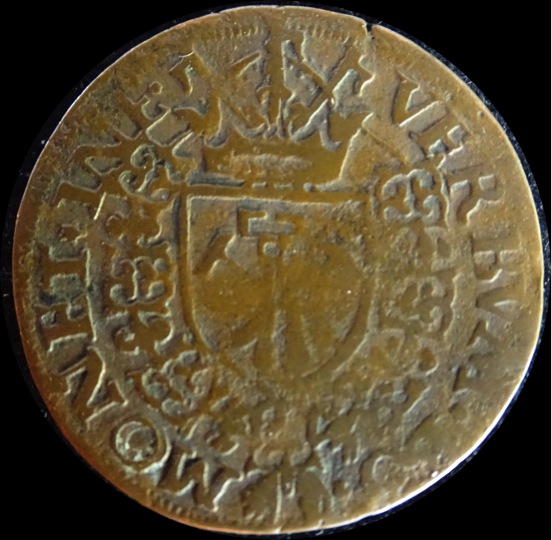
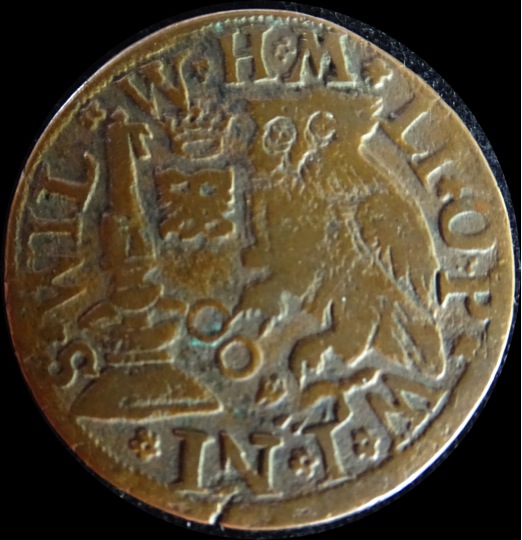
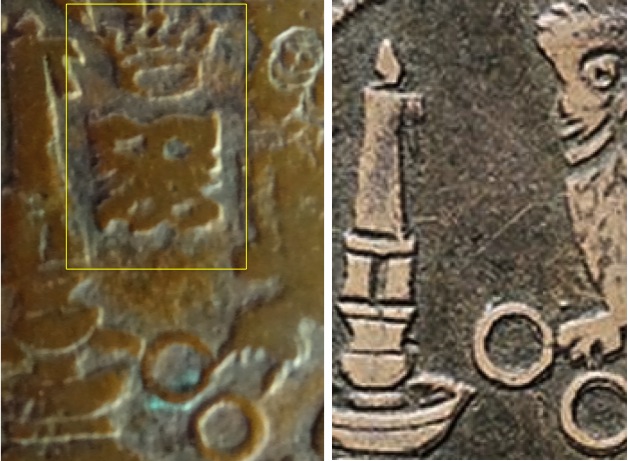
The theory of the image being of a set of dies with a blank or flan inserted fascinates me for some reason. I've been trying to find an image of a surviving die set that resembles the image with no luck. I did find this passage describing the different types that I think covers what we're looking at.
"In striking a coin two dies, an obverse and a reverse, were usually employed. The obverse or lower die would have been set into an anvil, often a block of wood. The upper, reverse die was loose, and could take a variety of different forms. The type could be cut directly into the end of a short rod, cylinder, or pyramidal piece of metal, but most often the die proper was simply a short segment or disk of bronze inserted into a punch or collar made of iron. The whole punch, with the reverse die attached, was probably only about two to three inches long."
Here is the link to the entire article. Interesting read:
https://www2.lawrence.edu/dept/art/...UCTION6.HTML
"In striking a coin two dies, an obverse and a reverse, were usually employed. The obverse or lower die would have been set into an anvil, often a block of wood. The upper, reverse die was loose, and could take a variety of different forms. The type could be cut directly into the end of a short rod, cylinder, or pyramidal piece of metal, but most often the die proper was simply a short segment or disk of bronze inserted into a punch or collar made of iron. The whole punch, with the reverse die attached, was probably only about two to three inches long."
Here is the link to the entire article. Interesting read:
https://www2.lawrence.edu/dept/art/...UCTION6.HTML
Edited by chafemasterj
05/27/2018 09:32 am
05/27/2018 09:32 am