| Author |
 Replies: 35 / Views: 3,855 Replies: 35 / Views: 3,855 |
Page 3 of 3
|
|
|
|
Pillar of the Community
 United States
1543 Posts |
tissue test did nothing for me 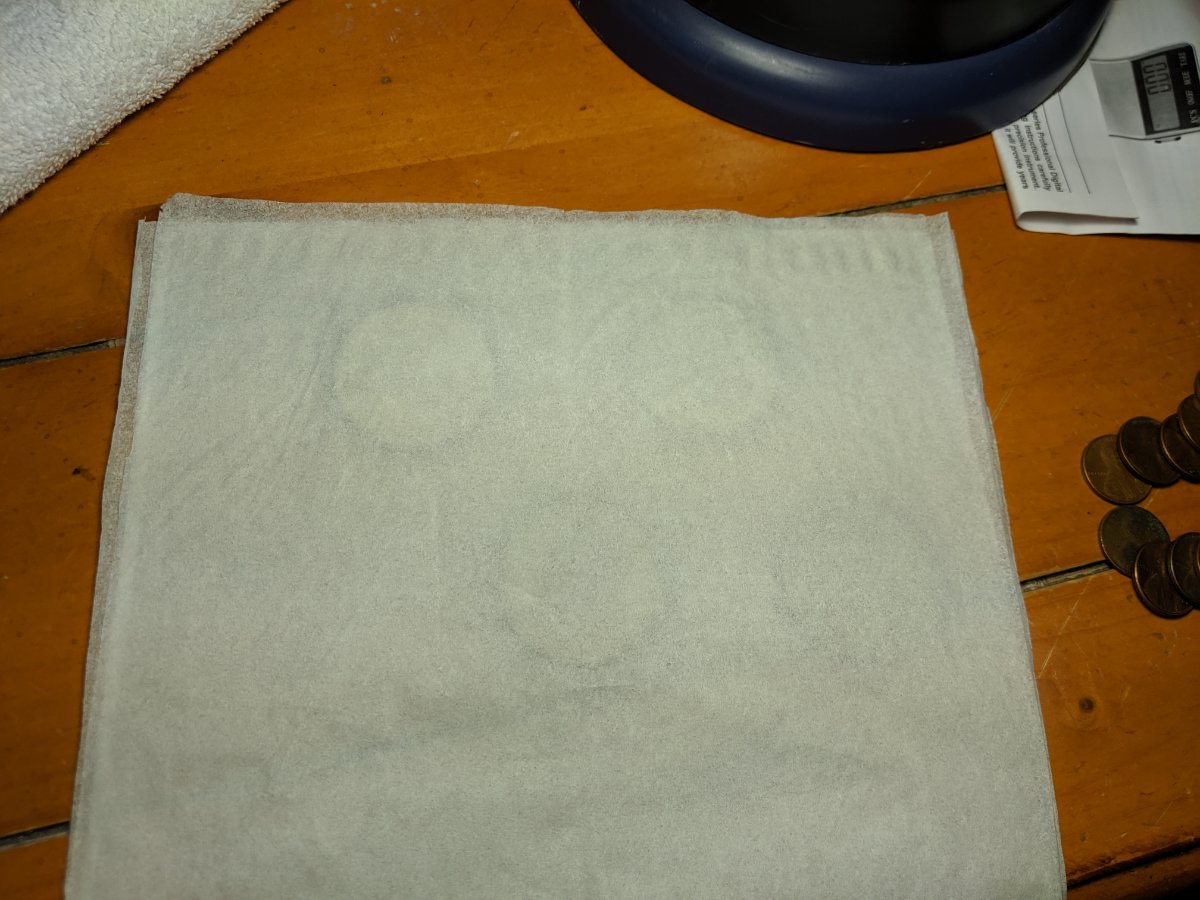 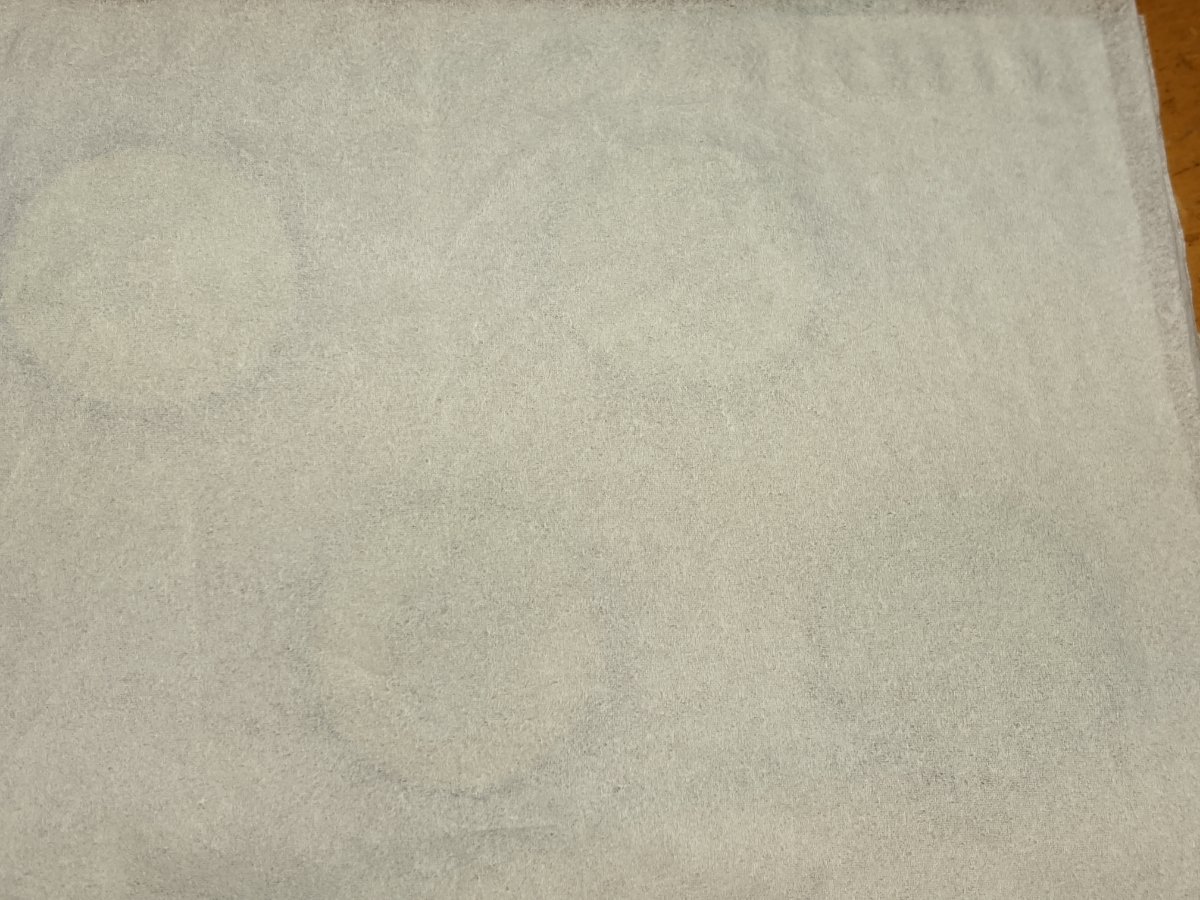 Starting top left, 1973 s I know is silver, the "1977", a 1977 Clad proof, and a 1976 Clad. The bicentennial is obviously darker, the proof is way no lighter than I thought it would be and the coin in question maybe just slightly darker than the very clean silver coin next to it. Every way I look at this coin it just leaves me more confused and the less I think it's real.
|
|
Pillar of the Community
United States
1543 Posts |
Saddly the coin is magnetic, definite fake
|
|
Moderator
 United States
56855 Posts |
Why would someone fake that coin? John1  |
|
Moderator
United States
34564 Posts |
Quote:
Saddly the coin is magnetic, definite fake I'm glad that you recorded the whole investigation here, but yuck!  "If you climb a good tree, you get a push."
-----Ghanaian proverb
"The danger we all now face is distinguishing between what is authentic and what is performed."
-----King Adz
|
|
Pillar of the Community
United States
1543 Posts |
I'm not sure why someone would fake this one, except that they tried to make a coin that should be Clad look silver. It seems like they put more effort into it than they usually do but it is missing a large portion of the design.
|
|
Pillar of the Community
United States
2775 Posts |
Curious if it has a strong magnetic attraction or weak attraction? Also wonder about the diameter. Seems smaller than the other ones under the tissue.
More food for thought, now thinking not related here. I found no foreign coinage produced at the San Francisco mint in 1977. But do see production for several foreign counties in 1976. One country in production was for Haiti using 92.5% silver and 7.5% copper. Thanks, Doug.
|
|
Pillar of the Community
United States
1543 Posts |
It has a strong magnet attraction, you can pick it up with a magnet
|
|
Bedrock of the Community
United States
17884 Posts |
Quote:
Why would someone fake that coin? Because they can make them for about 12 cents and pass them for $1 making an 88 cents or 633% profit on each one of them. One hour of production is $432 in planchet costs for $3,168 in profit. Not too many people earn over $3,000 an hour. I'm surprised alarm bells didn't start going off in peoples heads instantly when they saw such design weakness on a PROOF ONLY issue. One glance should have been enough to spot it as a counterfeit. Edited by Conder101
06/25/2019 10:49 am
|
|
Pillar of the Community
United States
1543 Posts |
Here it is with three other coins that we're obviously fake to me. A little investigation never hurt anyone. 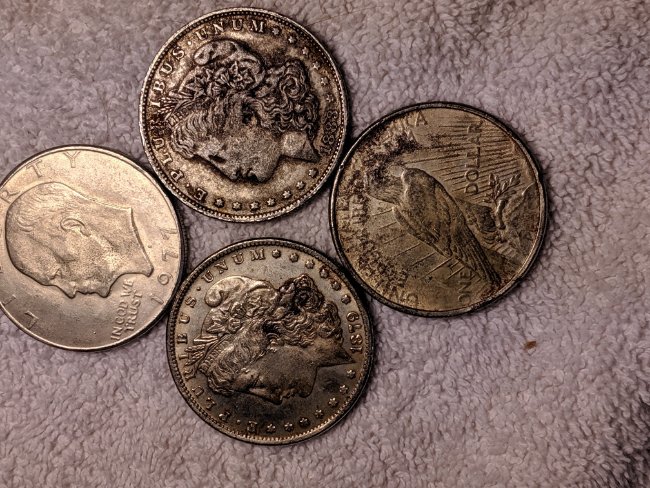 |
|
Moderator
United States
56855 Posts |
Where did you get those coins? John1 |
|
Pillar of the Community
United States
1543 Posts |
Out of a bank bag not sure if they all can out of the same one but they all came out of a bank bag
|
|
Moderator
United States
56855 Posts |
I wonder how all of them got past the coin machine, if the weight is not right on each one of them  John1 |
|
Pillar of the Community
United States
1543 Posts |
This is a smaller bank they all are under 20 grams, but I'm not sure why they didn't catch them.
|
|
Pillar of the Community
United States
1543 Posts |
But now that I think about it there was half an intact roll in one bag and scraps of rols in some others so they probably were never machine counted
|
|
Bedrock of the Community
United States
17884 Posts |
Or they were only counted by one of the older machines that only went by size (diameter and thickness) Something like one of these  We've had three of these sell at our local coin club recently, one hand crank and two electric, and they were able to handle large size dollar coins. I know one of our local banks was still using one like that as recently as 15 years ago (last time I was in the back rooms) they may still be using it. |
|
Page 3 of 3
|
Replies: 35 / Views: 3,855 |
Page 3 of 3
|






 First Page
 Previous Page
 Posted 06/24/2019 12:26 am





