| Author |
 Replies: 16 / Views: 6,889 Replies: 16 / Views: 6,889 |
Page 2 of 2
|
|
|
|
Pillar of the Community
Canada
2303 Posts |
A novelty item sold in Sudbury. Interesting era keepsake.
|
|
Bedrock of the Community
United States
10284 Posts |
Made in both pure nickel and aluminum and about the size of a Canadian earlier dollar. I don't think you have a plastic medal. Aluminum feels as light as plastic.
Edited by TNG
02/02/2020 3:26 pm
|
|
Pillar of the Community
  Canada
9909 Posts |
I am pretty sure it's plastic.
I have at least half a dozen aluminum ones.
It is larger, a full 40mm and heavier, almost 7 grams.
On the edge it looks like the mold separation line was sanded off prior to plating.
I'm kinda hoping ainsivalavie sees this thread as this is one of his fields of expertise.
"Dipping" is not considered cleaning...
-from PCGS website
Edited by DBM
02/02/2020 4:02 pm
|
|
Pillar of the Community
Canada
2303 Posts |
|
|
Bedrock of the Community
United States
10284 Posts |
Wow DBM, I hope it is plastic then. Wonder if you held it to a light if it would let some of the light shine through?
|
|
Moderator
 United States
56855 Posts |
Quote:
I'm kinda hoping ainsivalavie sees this thread as this is one of his fields of expertise. PM him. John1  |
|
Pillar of the Community
Canada
9909 Posts |
Now I wonder if someone plated an aluminum version. That might account for the increase in diameter and weight.
"Dipping" is not considered cleaning...
-from PCGS website
|
|
Moderator
Canada
10479 Posts |
Quote:
Made in both pure nickel and aluminum and about the size of a Canadian earlier dollar. None are in pure nickel. That is the Cu-Ni strike. Try testing them with a magnet if you are doubtful. "Discovery follows discovery, each both raising and answering questions, each ending a long search, and each providing the new instruments for a new search." -- J. Robert OppenheimerContent of this post is licensed under a Creative Commons Attribution-NonCommercial 3.0 Unported License. See: http://creativecommons.org/licenses...0/deed.en_USMy eBay store
|
|
Pillar of the Community
Canada
4227 Posts |
The catalogue lists nickel-silver (cu-ni), copper-bronze, silver, gold, aluminum, and annodized aluminum in the 38 mm size. Only other size is 51mm with aluminum and gold-plated aluminum versions.
|
|
Valued Member
Canada
55 Posts |
Just thought I would post some of my Big coins from Sudbury. Find these quite interesting. Canadian Penny 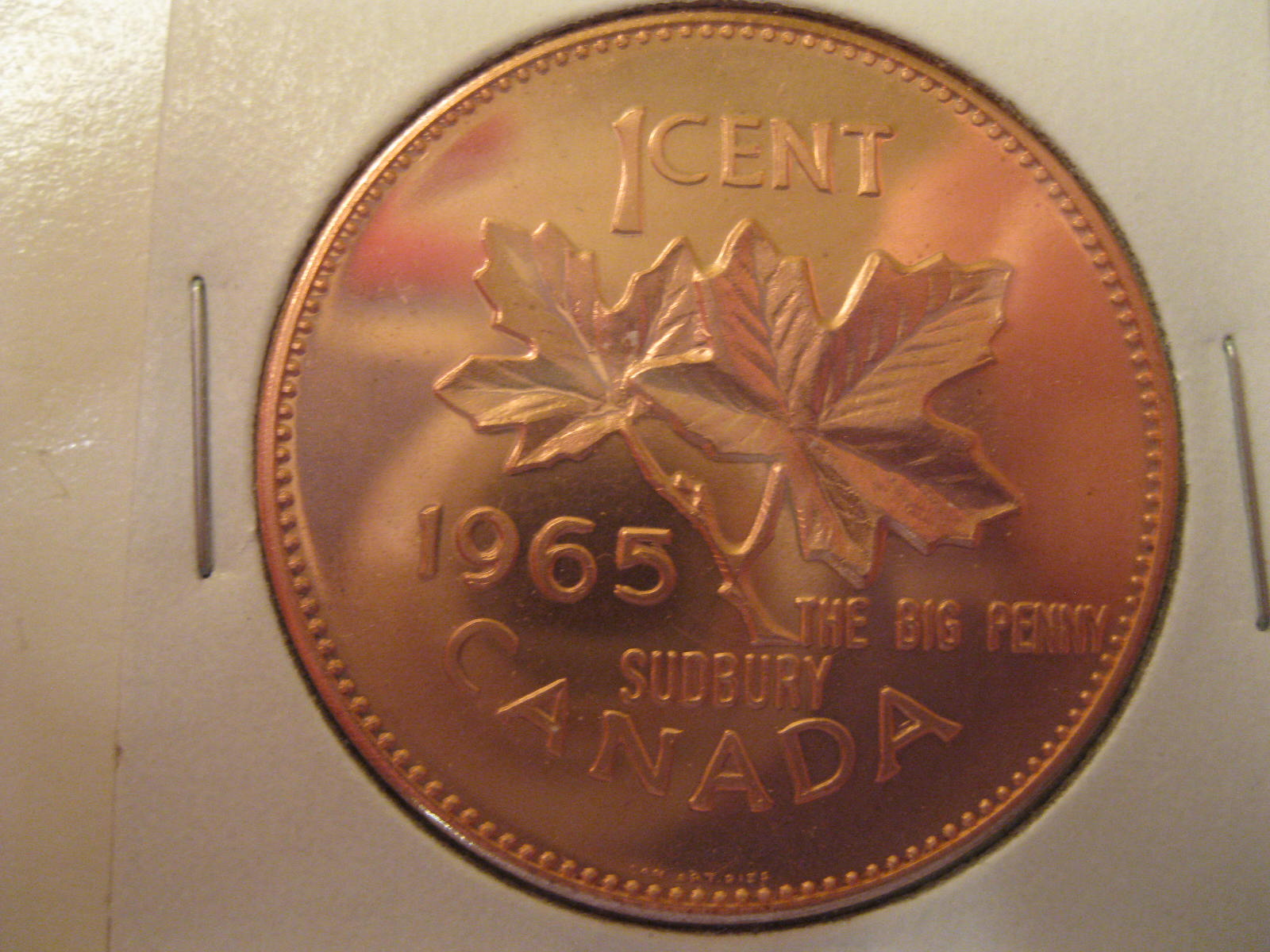 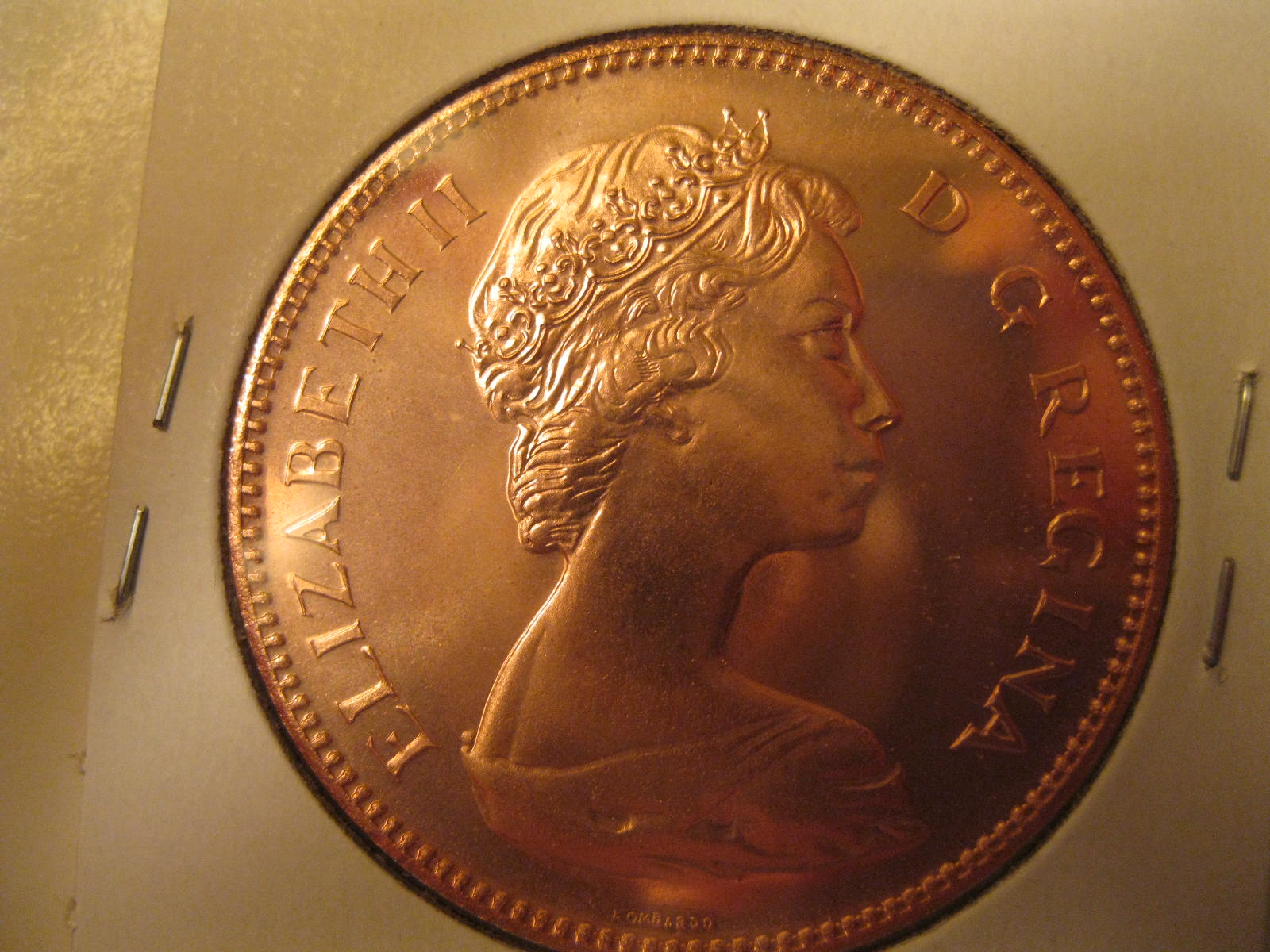 Canadian Nickel This one is Aluminum 38 mm 6 gms 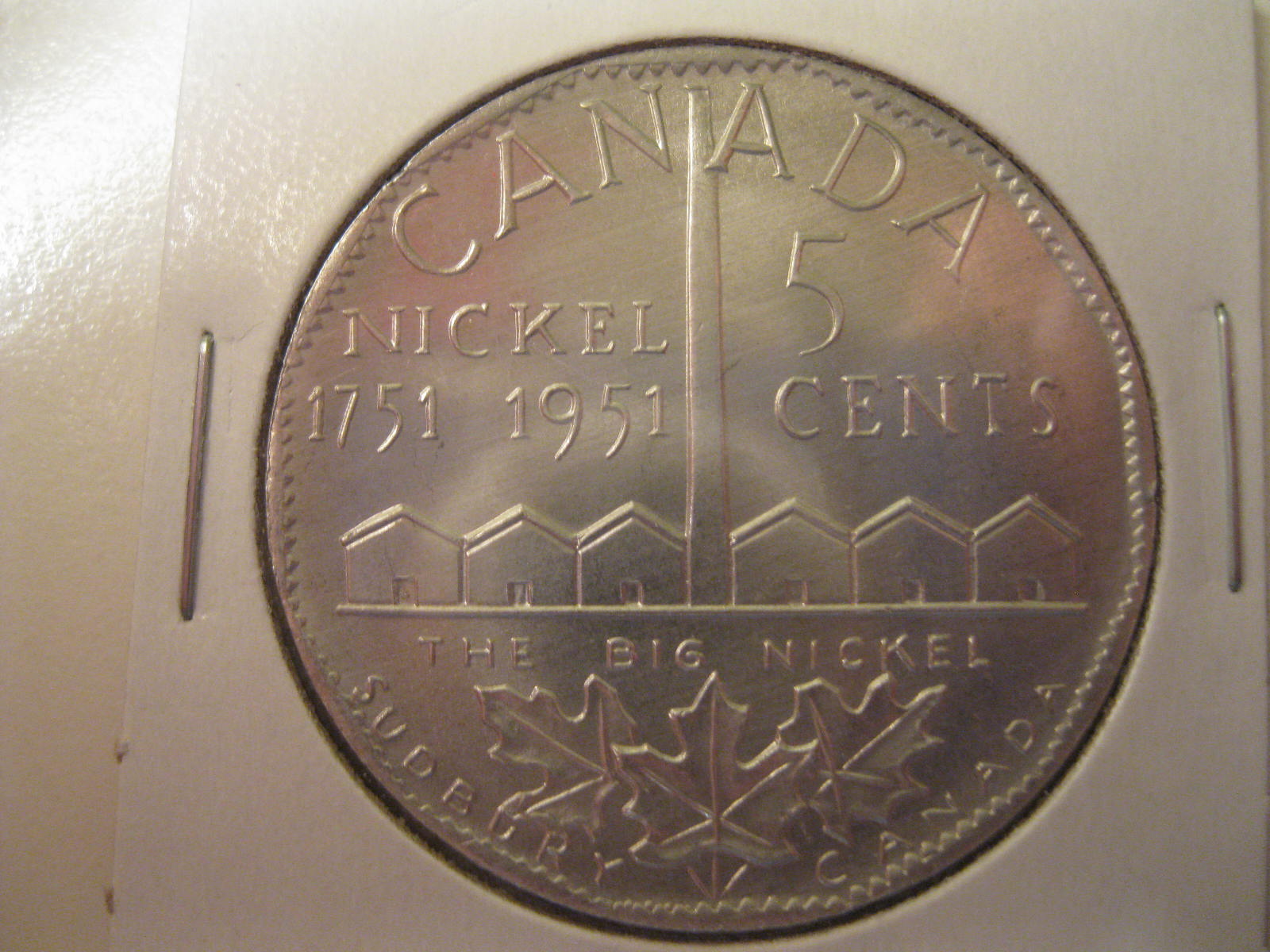 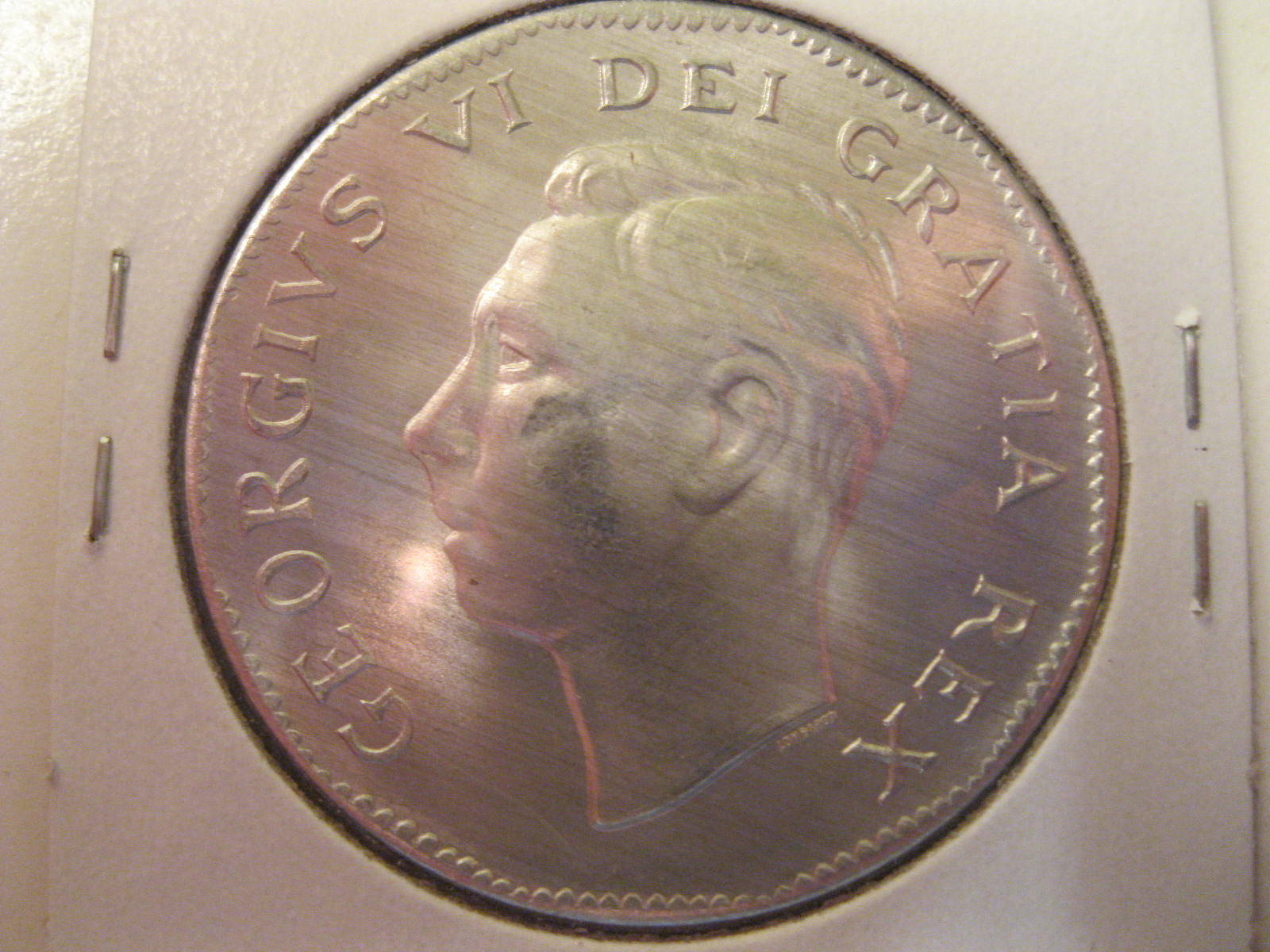 US Penny 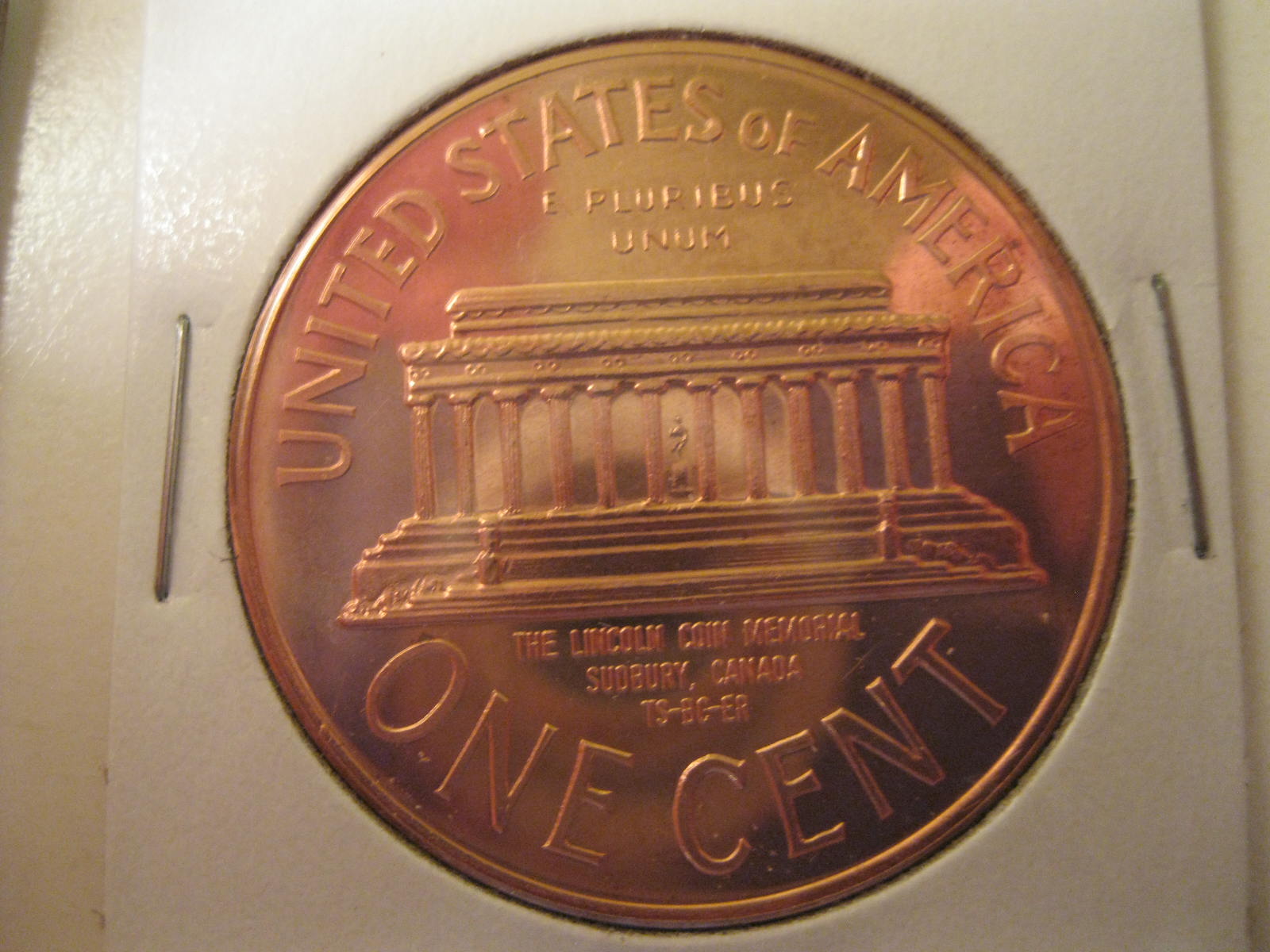 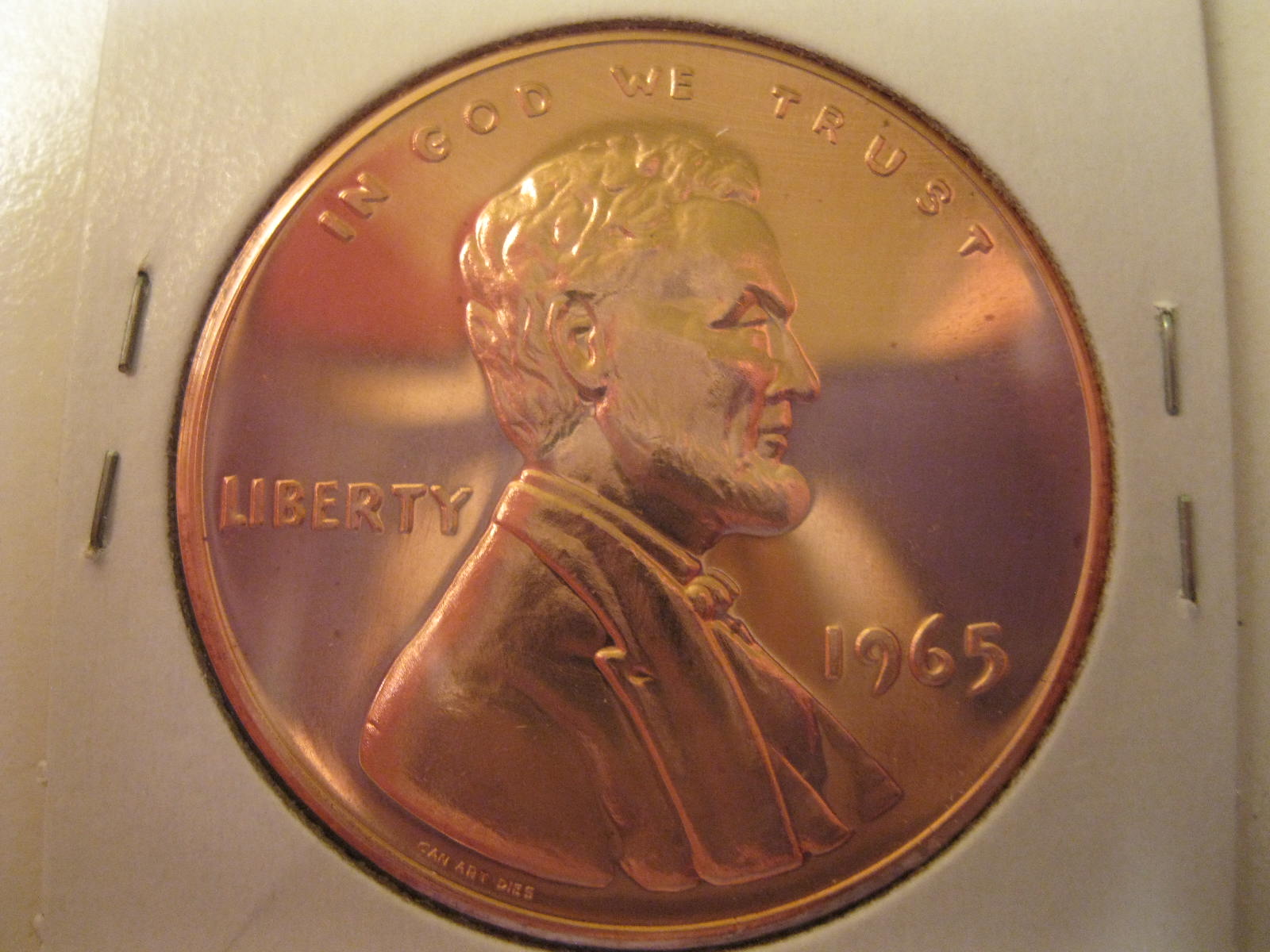 All are 38 mm |
|
Moderator
United States
196880 Posts |
Nice examples!  |
|
Bedrock of the Community
United States
10284 Posts |
Quote:
None are in pure nickel. That is the Cu-Ni strike. Try testing them with a magnet if you are doubtful. Sorry, I stand corrected. I added the word "copper" over my Nickel 22.6 gr. in my album image.   Interesting that this order form states it is "Silver Nickel" Added by - calgarycoin in tokencatalog dot com webpages. https://tokencatalog.com/token_reco...ord_offset=1calgarycoin also adds: Quote:
Appears to be the same dies as the aluminum examples. 38 mm, 21.50 grams. The paper work says it is "silver nickel" and as it is non-magnetic it is assumed to be a copper-nickel alloy. In 1951 Canada issued a commemorative 5¢ coin. This large medal in cupro-nickel made for sale at $2.00 to tourists, distributed by the Nickel Monument Development Ltd. The paper work uses addresses with US zip codes but no Canadian postal code, which narrows the date to between 1963 and 1971. Edited by TNG
02/07/2020 11:35 am
|
|
Valued Member
Canada
55 Posts |
Colonial Acres coins in Kitchener Ontario had an auction today and sold 5 of these coins with different alloys and coatings for $160.00 Cnd.
Unbelievable
|
|
Valued Member
Canada
55 Posts |
This auction sparked an interest in me knowing more about the history of this exonumia coin. Found this on the internet and thought I would share. Excerpts from a book "Sudbury Numismatics" published by Jeff Fournier in 1995 The PDF file of this book is available on line. Sudbury, Ontario sits on the world's largest reserves of nickel metal, deposited by an ancient meteorite strike. In the early 1960s, an idea was conceived in order to commemorate both Sudbury's nickel production and the Canadian Centennial (fast approaching in 1967). It was decided that a "Canadian Centennial Numismatic Park" would be opened, the only Numismatic Park in the world. Giant replicas of various coins would be produced and permanently displayed in the park. The centerpiece would be a replica of Canada's commemorative 5-cent coin from 1951, a coin commemorating the 200th anniversary of the first isolation of nickel metal - a perfect fit for this nickel-mining city. This was the famous "Big Nickel", completed in 1964. At 9 meters tall, it is perhaps the largest coin statue in the world. The Big Nickel was privately funded by Ted Szilva. To raise money for the monument's construction, he commissioned a wide variety of special medallions to be sold to collectors across the globe. Some of these medallions depicted scenes of Sudbury, others were oversized copies of the coins he intended to build statues of. This 5-cent medallion is one of these promotional fundraising issues. Produced at the Lombardo Mint (Canadian Artistic Dies) 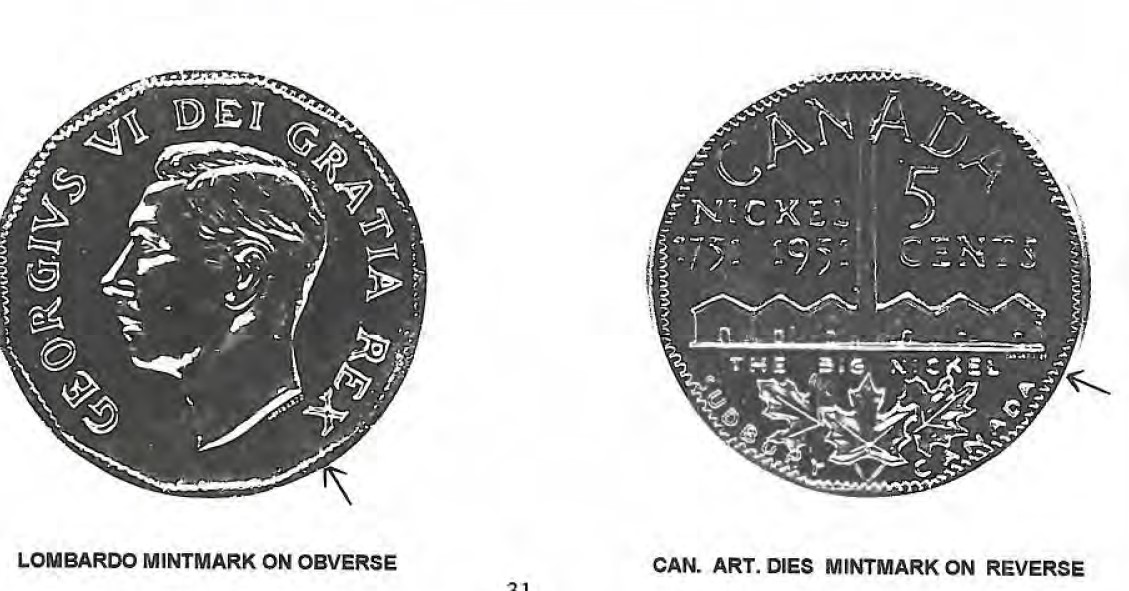 Mint Marks 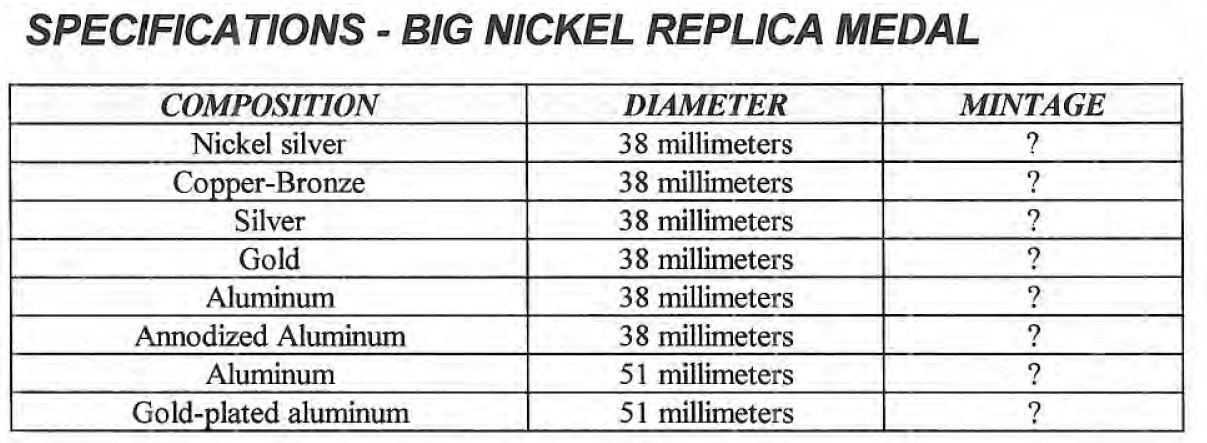 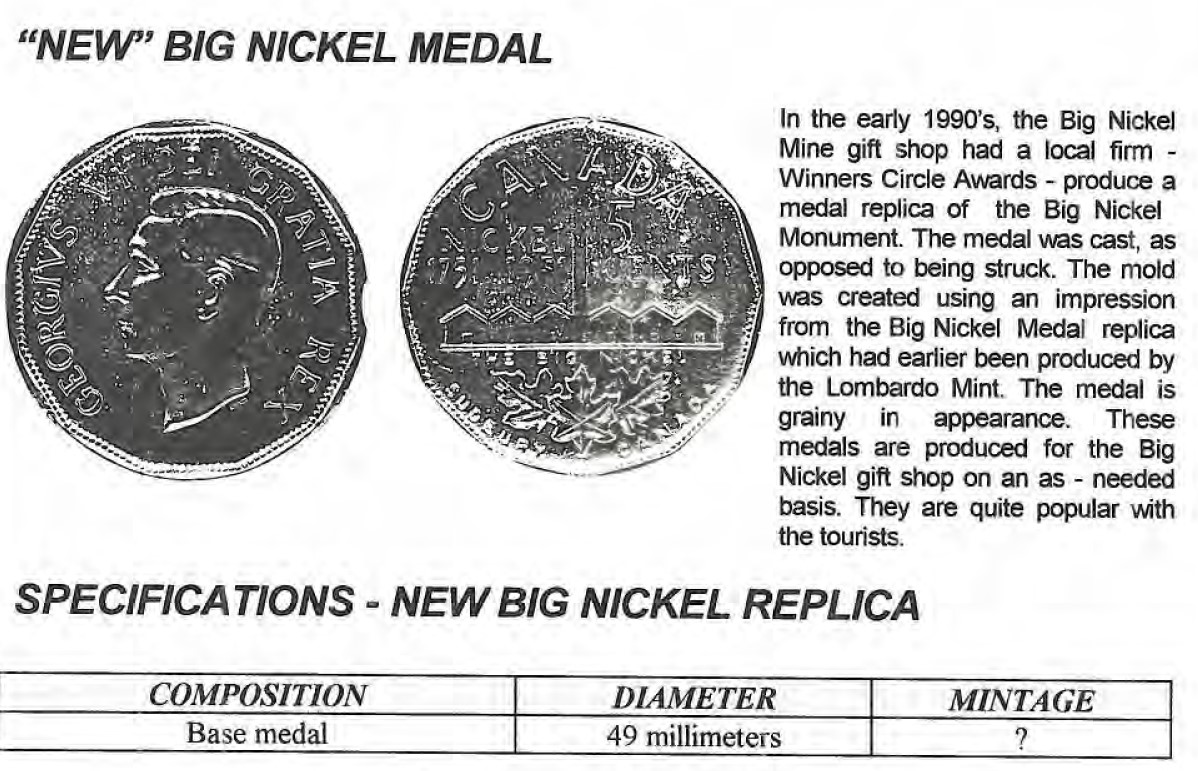 Fascinating story of the nickel industry in Sudbury,Ontario. |
|
Valued Member
Canada
222 Posts |
Quote:
DBM: I am pretty sure it's plastic.
I have at least half a dozen aluminum ones.
It is larger, a full 40mm and heavier, almost 7 grams.
On the edge it looks like the mold separation line was sanded off prior to plating.
I'm kinda hoping ainsivalavie sees this thread as this is one of his fields of expertise. @DBM:Sorry I'm almost 6 months late, I stumbled upon this topic while doing research. So, to my knowledge no struck on plastic blanks are known to have been used for this medal. However, it still happens on occasion that I discover compositions for the park medals that were previously unknown from the existing literature on the subject. But, in this case, this would be surprising. Since in my opinion your medal has all the characteristics of the aluminium version, and the same goes for the pair of dies used to strike this one. A weight of "almost" 7g is certainly heavier than the standard, but it remains within the limits of what I have been able to observe over the years for the aluminum version. On the other hand, the 40mm diameter is very intriguing. Is that an accurate measurement? However, without having the medal in my hands, it seems very difficult to be categorical. But if you want to confirm, a density test should remove any doubt (If you go for it, don't hesitate to share the result). I'm sorry if my English isn't perfect... I'm learning a little more every day.
Edited by ainsivalavie
08/03/2020 6:56 pm
|
|
Page 2 of 2
|
Replies: 16 / Views: 6,889 |
Page 2 of 2
|





 First Page
 Posted 02/02/2020 3:24 pm


