First Page
 Previous Page


 Posted 06/09/2020 10:51 am


First and foremost, thank you swamperbob and jgenn for your continued analysis. It is much appreciated.
As I have stated before, I'm by no means a numismatic historian or collector. I don't know Mike Dunigan, but from statements here, as well as some quick poking around on the Internet, he appears to be a well respected individual. Despite his response being somewhat cavalier and quickly dismissive, at least in the context that it was presented, I will still take it as a valued authoritative source of information. So, thank you jfransch for reaching out to him. However, I agree with jgenn that there may be others with deeper interests in the diagnostic process of detecting frauds. I can appreciate that endeavor and believe it adds a valuable perspective to the greater study of numismatics.
I had two goals when posting to this forum. First, to ascertain if anyone had seen a 1772 in the market before, and second, to hopefully come to a conclusion whether the coin in my possession was genuine for purposes of donation. I went into this investigation with the intent of simply finding those answers, and I'm completely content with the possibility of it being fraudulent. I agree with swamperbob that one reason my grandfather likely held onto this coin was that he also had doubts of its authenticity. If he had it in his possession prior to the publication of my father's second edition, and he considered it genuine, then it would have been marked appropriately as part of their collection. It was not.
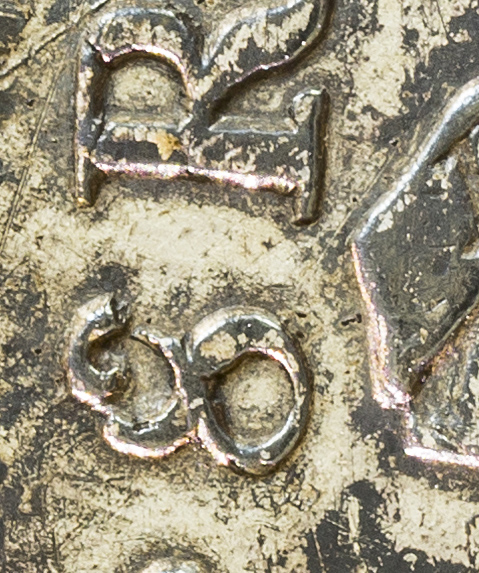
My father never spoke much about this coin until recently. It was put away in a box when he returned from my grandfather's funeral long ago. When we started to analyze it together we also had our doubts about its authenticity. We did consider the date being an issue and he felt that either the second 7 or the 2 would have been an area of interest. In that conversation we concluded that it would be less work for someone to change the fourth digit to a 2. Why choose the 1782 Portrait to change the third digit to a 7 when the first assayer initial would also need to be changed from a P to a J? Wouldn't it be easier to select a coin from the 1773-1776 range, simply change the fourth digit, and not have to worry about the assayer initial at all? I still understand why the analysis thus far has been on the 7, so the natural conclusion is that it was changed from an 8 by way of a 1782 host coin, which would be the only one available for that scenario. However, I still struggle with why someone would choose the more difficult route and open up additional areas of scrutiny. Perhaps it was the only coin available to them.
There have been a few listings of this coin and its rarity, my father's book included. He, and those other authors, were all well respected during and after their time in this field of study. I know for a fact how tirelessly my father researched his books, as well as the access he had to all the coins listed therein. The significance of his book at the time is evident in the numerous letters I have in my possession that were written to him from collectors, numismatic societies, and auction houses commending him on his accomplishment. With that said, by the nature of research individuals naturally stand on the shoulders of others. His choice to include the 1772 date was likely based on its inclusion within those other books of well respected authors and collectors. Perhaps for all those authors, including my father, not enough time was given to question its inclusion. We are only human and mistakes do happen.
This leads me to the question of why it was included in those books at all. I'm missing volume 3 of the Dasi book that Mike Dunigan cites, but I don't dispute the start date for that coin type is accurate. After all, the Spanish have been known to keep meticulous records, so I assume someone dug that date up somewhere. There are other books you can find with a quick search of the Internet that also speak of that date including A New World of Gold and Silver (2007) by John TePaske and Wages and Currency: Global Comparisons from Antiquity to the Twentieth Century (2010) edited by Jan Lucassen. In the latter book it states of Potosi:
"On 17 July 1773 the new mint coined its first pesos cordoncillos and pesos de bustos, two weeks before the mint was finished, but long after the Mexico City and Lima mints had began producing these same coins" (Lucassen, p. 283).
While I don't currently have access to any older texts to pinpoint the first instance the 1772 may have been assumed the start date of this coin type beyond a simple listing, some of the comments in Burzio's books allude to certain sources. While I can conclude that they may ultimately be incorrect, or founded in rumor, it is still interesting why they surfaced at all. I'm unsure how anyone would have benefited from the false information that long ago without making further assumptions myself. In any case, here are the Humberto Burzio quotes from his books La Ceca de la Villa Imperial de Potosi y la Moneda Colonial (1945) and Diccionario del la Moneda Hispanoamericana (v. 2, 1958), translated to the best of my ability:
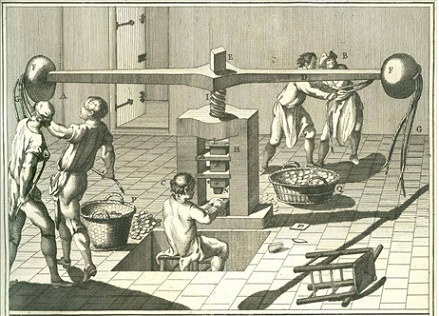
"In confirmation of what we have asserted, we recall that the flyers installed in the Potosi mint for the new Carlos III milled bust coinage, were in 1772, according to testimony of Don Pedro Tagle, superintendent of that mint, in a report letter addressed to the Viceroy of Peru, Don Manuel de Amat y Junient (Vease: Apendice No. 6)" (Burzio, p. 148).
"1772 8 Rs. Monetario Alfredo Benavides of Lima. The Platt House, in Paris (Cat. Mars 1939, p.25, No. 401), records the existence of an 8 reales to this year, data that we have not seen confirmed in catalogs, books and collections consulted in the course of our investigations, with the exception of the indicated by Mr. Benavides, which proves the rarity of the piece (V. Lam. lxxxvi, 650.)" (Burzio, p. 252)
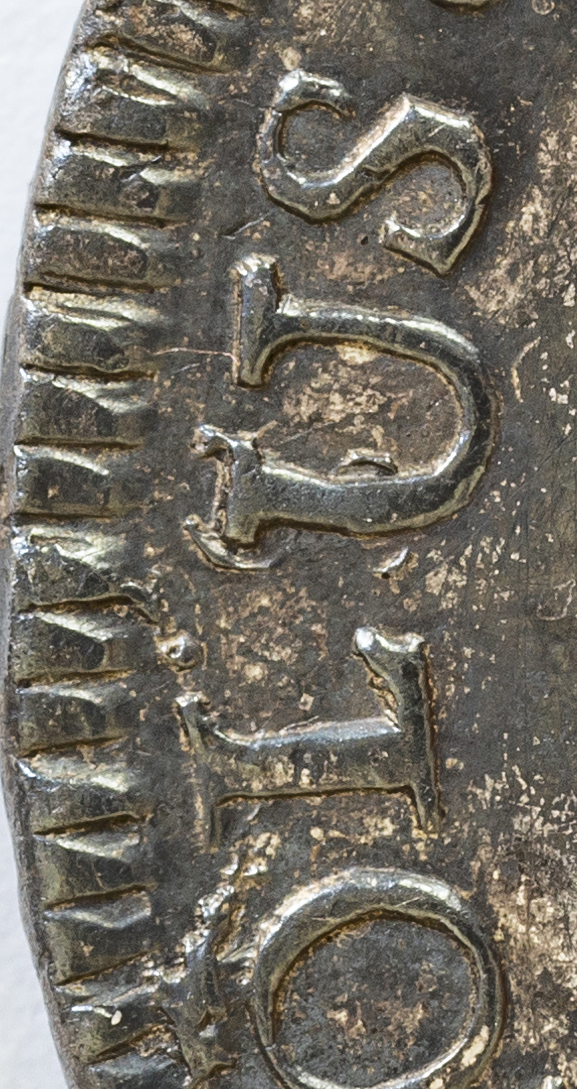
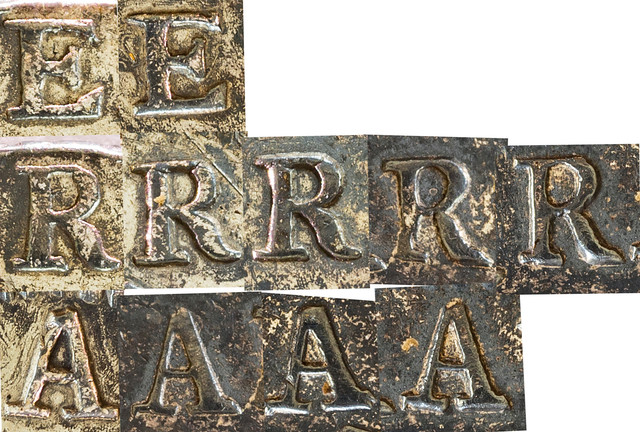
With all that said, it does seem like the visual evidence is mounting in favor that this coin is a fraud, which is still good and welcomed information. I do understand that the weight, SG, and XRF will only confirm that this is a genuine host coin. I will post some of that information as I get it for those that are still interested.
Thanks again to everyone for their time and consideration.
As I have stated before, I'm by no means a numismatic historian or collector. I don't know Mike Dunigan, but from statements here, as well as some quick poking around on the Internet, he appears to be a well respected individual. Despite his response being somewhat cavalier and quickly dismissive, at least in the context that it was presented, I will still take it as a valued authoritative source of information. So, thank you jfransch for reaching out to him. However, I agree with jgenn that there may be others with deeper interests in the diagnostic process of detecting frauds. I can appreciate that endeavor and believe it adds a valuable perspective to the greater study of numismatics.
I had two goals when posting to this forum. First, to ascertain if anyone had seen a 1772 in the market before, and second, to hopefully come to a conclusion whether the coin in my possession was genuine for purposes of donation. I went into this investigation with the intent of simply finding those answers, and I'm completely content with the possibility of it being fraudulent. I agree with swamperbob that one reason my grandfather likely held onto this coin was that he also had doubts of its authenticity. If he had it in his possession prior to the publication of my father's second edition, and he considered it genuine, then it would have been marked appropriately as part of their collection. It was not.
My father never spoke much about this coin until recently. It was put away in a box when he returned from my grandfather's funeral long ago. When we started to analyze it together we also had our doubts about its authenticity. We did consider the date being an issue and he felt that either the second 7 or the 2 would have been an area of interest. In that conversation we concluded that it would be less work for someone to change the fourth digit to a 2. Why choose the 1782 Portrait to change the third digit to a 7 when the first assayer initial would also need to be changed from a P to a J? Wouldn't it be easier to select a coin from the 1773-1776 range, simply change the fourth digit, and not have to worry about the assayer initial at all? I still understand why the analysis thus far has been on the 7, so the natural conclusion is that it was changed from an 8 by way of a 1782 host coin, which would be the only one available for that scenario. However, I still struggle with why someone would choose the more difficult route and open up additional areas of scrutiny. Perhaps it was the only coin available to them.
There have been a few listings of this coin and its rarity, my father's book included. He, and those other authors, were all well respected during and after their time in this field of study. I know for a fact how tirelessly my father researched his books, as well as the access he had to all the coins listed therein. The significance of his book at the time is evident in the numerous letters I have in my possession that were written to him from collectors, numismatic societies, and auction houses commending him on his accomplishment. With that said, by the nature of research individuals naturally stand on the shoulders of others. His choice to include the 1772 date was likely based on its inclusion within those other books of well respected authors and collectors. Perhaps for all those authors, including my father, not enough time was given to question its inclusion. We are only human and mistakes do happen.
This leads me to the question of why it was included in those books at all. I'm missing volume 3 of the Dasi book that Mike Dunigan cites, but I don't dispute the start date for that coin type is accurate. After all, the Spanish have been known to keep meticulous records, so I assume someone dug that date up somewhere. There are other books you can find with a quick search of the Internet that also speak of that date including A New World of Gold and Silver (2007) by John TePaske and Wages and Currency: Global Comparisons from Antiquity to the Twentieth Century (2010) edited by Jan Lucassen. In the latter book it states of Potosi:
"On 17 July 1773 the new mint coined its first pesos cordoncillos and pesos de bustos, two weeks before the mint was finished, but long after the Mexico City and Lima mints had began producing these same coins" (Lucassen, p. 283).
While I don't currently have access to any older texts to pinpoint the first instance the 1772 may have been assumed the start date of this coin type beyond a simple listing, some of the comments in Burzio's books allude to certain sources. While I can conclude that they may ultimately be incorrect, or founded in rumor, it is still interesting why they surfaced at all. I'm unsure how anyone would have benefited from the false information that long ago without making further assumptions myself. In any case, here are the Humberto Burzio quotes from his books La Ceca de la Villa Imperial de Potosi y la Moneda Colonial (1945) and Diccionario del la Moneda Hispanoamericana (v. 2, 1958), translated to the best of my ability:
"In confirmation of what we have asserted, we recall that the flyers installed in the Potosi mint for the new Carlos III milled bust coinage, were in 1772, according to testimony of Don Pedro Tagle, superintendent of that mint, in a report letter addressed to the Viceroy of Peru, Don Manuel de Amat y Junient (Vease: Apendice No. 6)" (Burzio, p. 148).
"1772 8 Rs. Monetario Alfredo Benavides of Lima. The Platt House, in Paris (Cat. Mars 1939, p.25, No. 401), records the existence of an 8 reales to this year, data that we have not seen confirmed in catalogs, books and collections consulted in the course of our investigations, with the exception of the indicated by Mr. Benavides, which proves the rarity of the piece (V. Lam. lxxxvi, 650.)" (Burzio, p. 252)
With all that said, it does seem like the visual evidence is mounting in favor that this coin is a fraud, which is still good and welcomed information. I do understand that the weight, SG, and XRF will only confirm that this is a genuine host coin. I will post some of that information as I get it for those that are still interested.
Thanks again to everyone for their time and consideration.
Edited by maetx
06/09/2020 10:54 am
06/09/2020 10:54 am