| Author |
 Replies: 17 / Views: 2,219 Replies: 17 / Views: 2,219 |
Page 2 of 2
|
|
|
|
Bedrock of the Community
Canada
21924 Posts |
I agree that it is DDD and looks like it has been plated. |
|
Pillar of the Community
United States
3281 Posts |
I agree with the others, it certainly seems to be DDD. The plating of the coin seems to emphasize this, making it more obvious. |
|
Bedrock of the Community
United States
19627 Posts |
Yes, shows signs of being plated, and has the added thrill of DDD. |
|
Moderator
 United States
108114 Posts |
I'll agree that the coin was plated, it just doesn't look natural. That and the DDD pretty much makes this coin worth about 0.01 dollars. |
|
Bedrock of the Community
United States
94367 Posts |
|
|
Bedrock of the Community
United States
62064 Posts |
DDD always shows on the fields. Die wear on the older dies affects the outer edge of the devices.DDD:
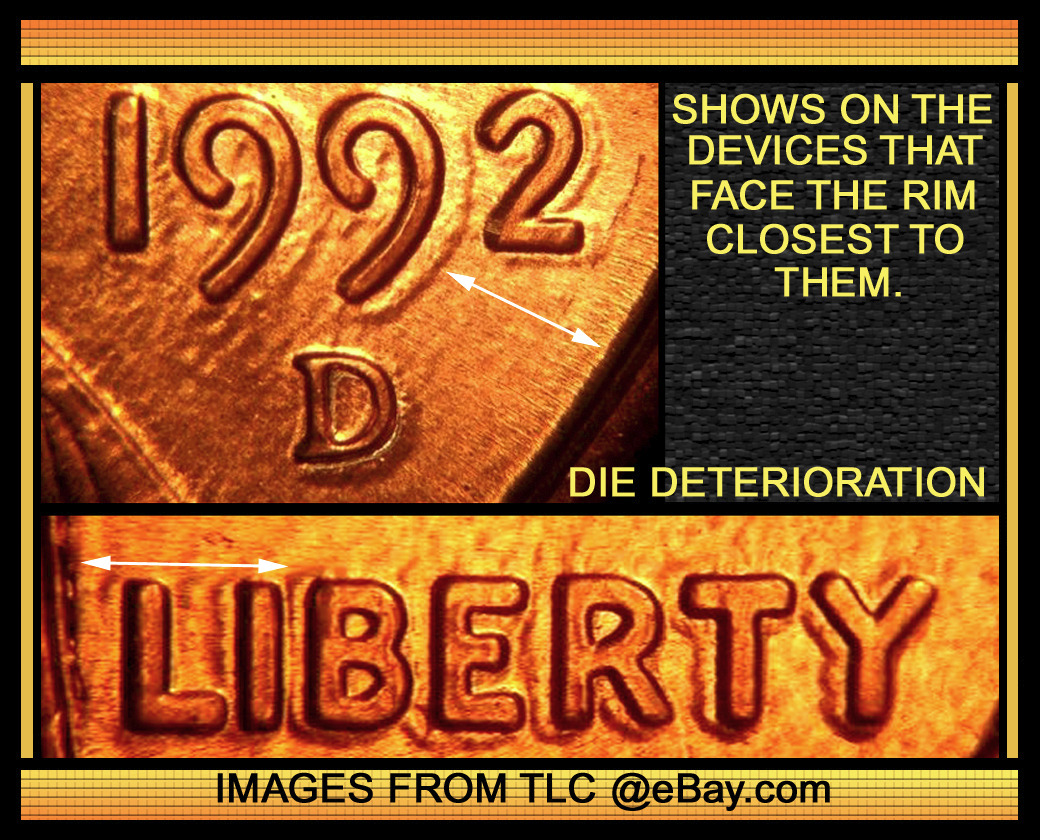
Always shows on the side of the devices towards the rim. In later die states of DDD, the devices loose their shape:
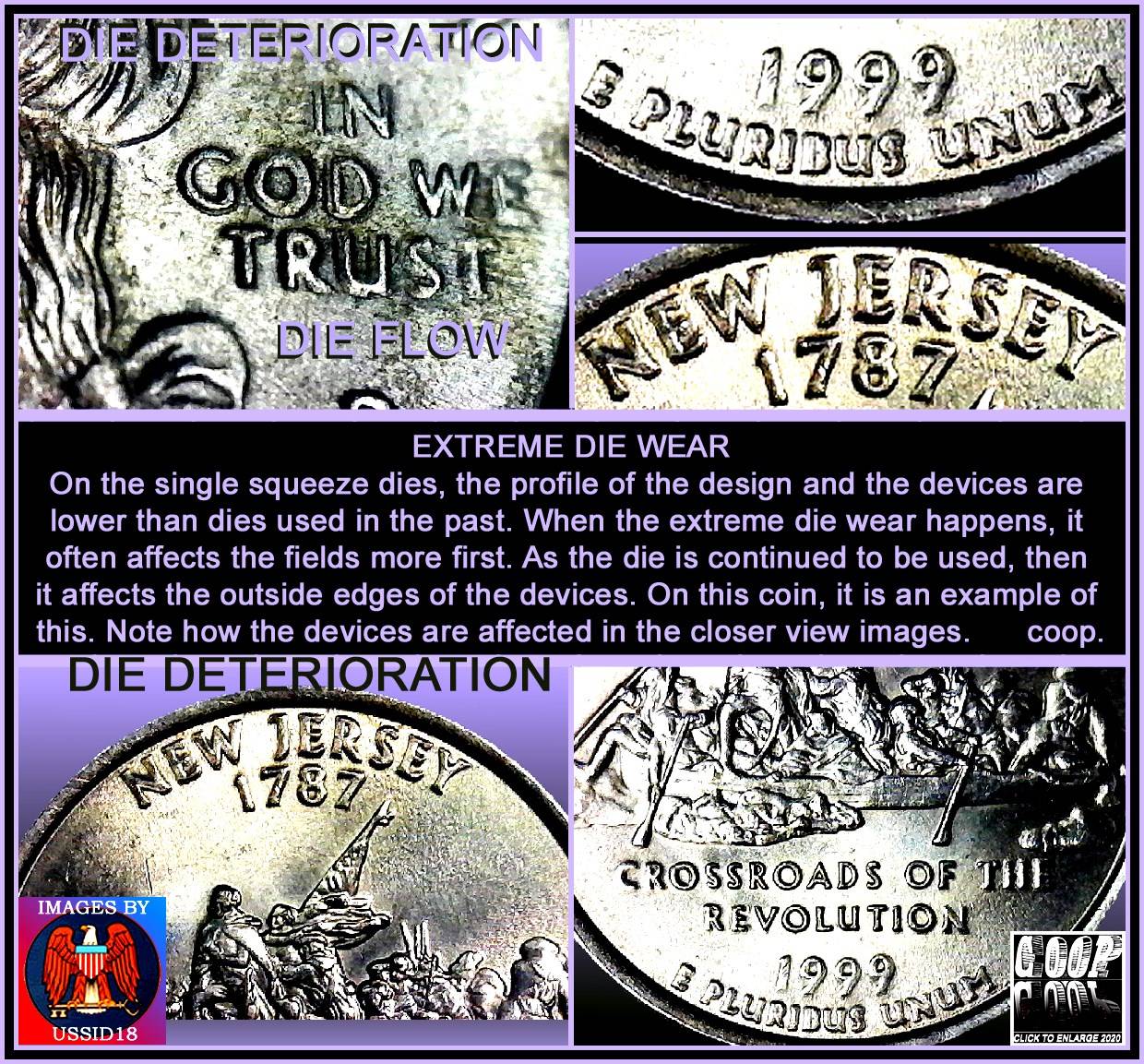
Excessive die wear:
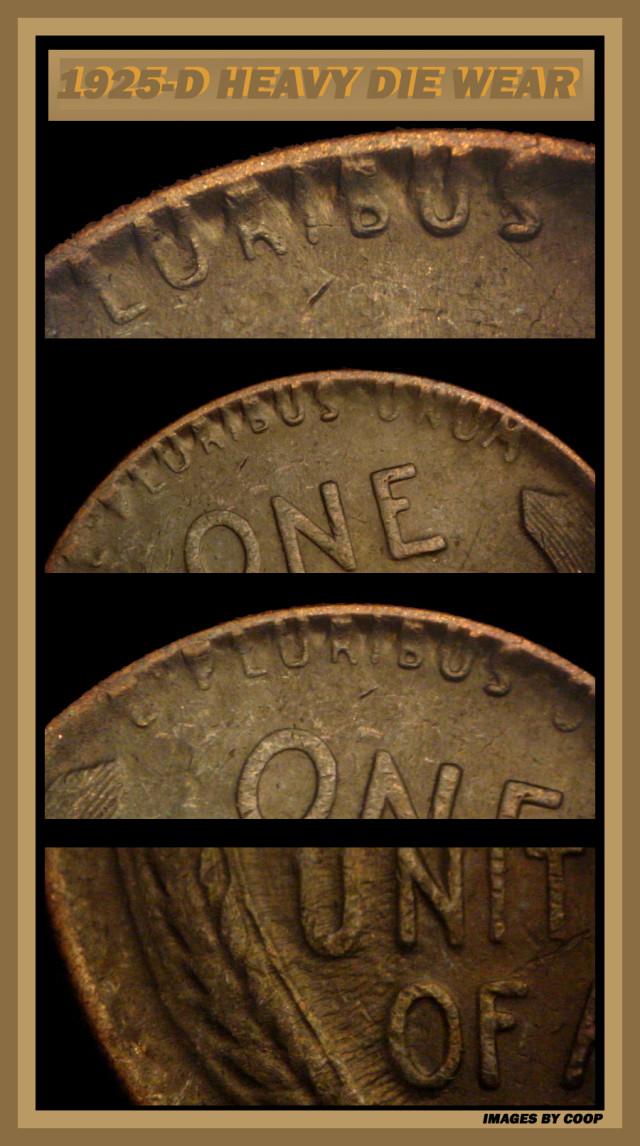
Note the devices have moved towards the rim.
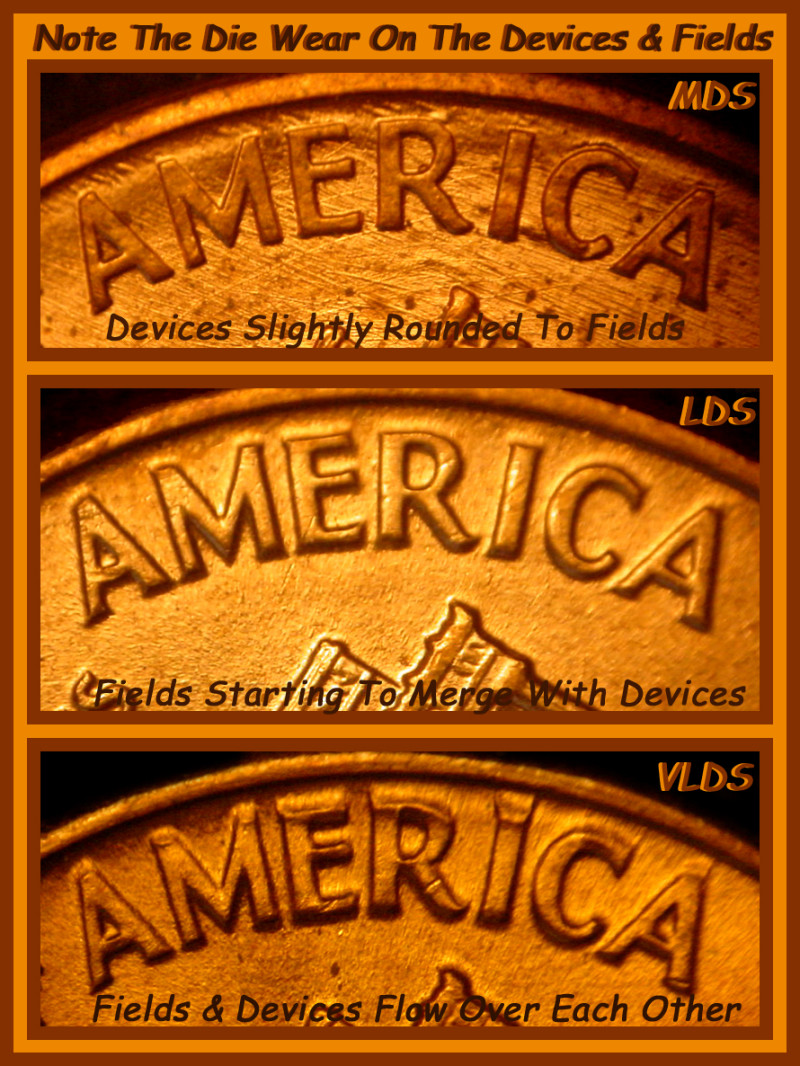
|
|
Valued Member
97 Posts |
Question for the OP Jaypowell40;
When you hold this coin in your hand while looking at the images you posted here how close is the color of the coin (in hand) to the images you posted?
If it's different what's different?
Thank you!
|
|
Bedrock of the Community
United States
10635 Posts |
DDD with a plated coin. Considered damage, rendering this cent worthless above face. 
|
|
Valued Member
97 Posts |
I'd be greatly appreciative (and it would be educational to everyone) if the members that post this coin has been plated would elaborate as to their reasoning for making such a statement?
Also, how many of you have actually seen the coin in hand and not just the electronic representation of the coin?
I feel enlightenment of these two questions would prove beneficial to the most important people in numismatics....the collectors.
|
|
Bedrock of the Community
United States
10635 Posts |
The colour and the shininess is something that is unique to plated coins. High school chemistry classes electro-plate cents (and sometimes other coins) as part of in class experiments. Instructions for doing this at home is readily available on the internet. We see a fair number of these here on CCF. Whenever a ultra shiny silver colored coin turns up here, it is very easy to tell, again drawing on our numismatic experience. Especially on war time steel cents, people plate them erroneously thinking they are improving them when all they are doing is destroying their value. I hope this explanation helps! |
|
Valued Member
97 Posts |
merclover;
THANK YOU for responding! I'm guessing from your response that you've seen the coin in hand, correct?
|
|
Bedrock of the Community
United States
10635 Posts |
THIS coin, the OPers coin? No, but my explanation covers plated coins in general. |
|
Pillar of the Community
United States
7174 Posts |
ESC. I don't have to have this coin in hand to see it's either plated or mercury rubbed. If it was an unplated planchet, it wouldn't be this shiny.
|
|
Moderator
United States
56855 Posts |
I do not know if it was plated after it left the mint,but I have seen more than a few that look shiny like that and just dismissed them as being from a fresh set of dies. John1  |
|
Bedrock of the Community
United States
62064 Posts |
Plating unless the mint does it on Copper plated cents, ruins the the value for a coin. It turns it back into circulated change. If you submitted this to PCGS, they would collect their fees and body bag the coin in a holder that would have not grade and marked as genuine. So you would spend about $50+ to find out it was not an original surface. So we tell you you what it is, for free. People alter coins all the time thinking they can create a mint error. When they fail, they spend it and someone finds it and the whole thing starts over again.
|
|
Page 2 of 2
|
Replies: 17 / Views: 2,219 |
Page 2 of 2
|





 First Page


 Posted 11/30/2021 07:13 am





