| Author |
 Replies: 24 / Views: 2,661 Replies: 24 / Views: 2,661 |
Page 2 of 2
|
|
|
|
Pillar of the Community
Canada
1106 Posts |
I found the same effect around the letters in the legend of this large British Penny. 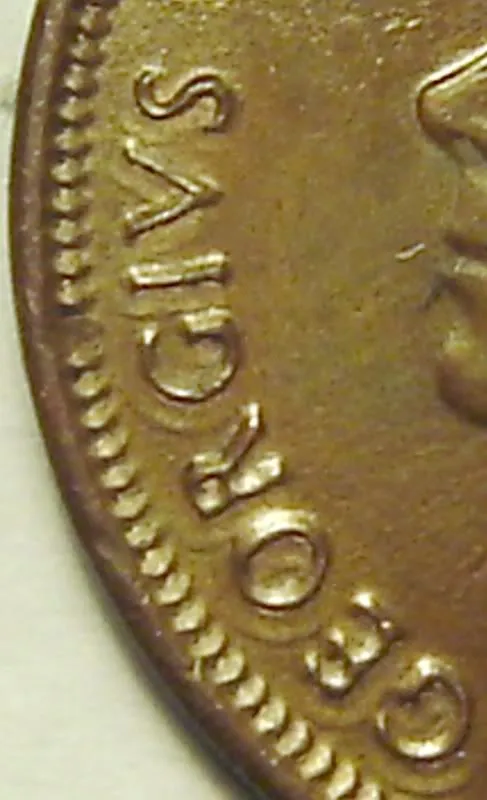 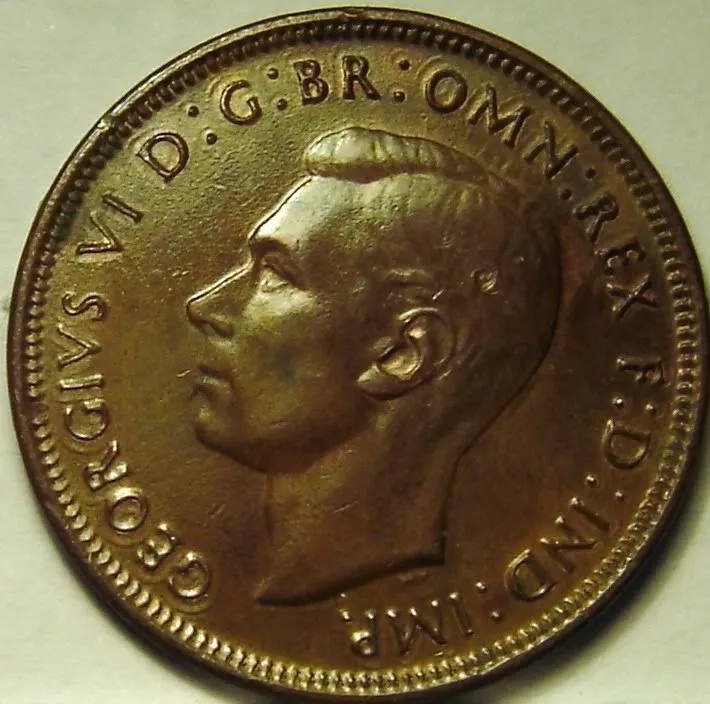 |
|
Valued Member
United States
236 Posts |
I made coins exactly like this when I was younger. Very simple. You have to bring the coin just before melting point, with a torch or on a stove, hot plate, etc... Then take it off before the coin actually desolves into a molten heap, which is quite quick. Don't know how many coins I destroyed doing this.
Eric
|
|
Valued Member
 United States
188 Posts |
Thanks Bill here is a pic of the obv. It's not the best pic, I'm still trying to get the hang of it 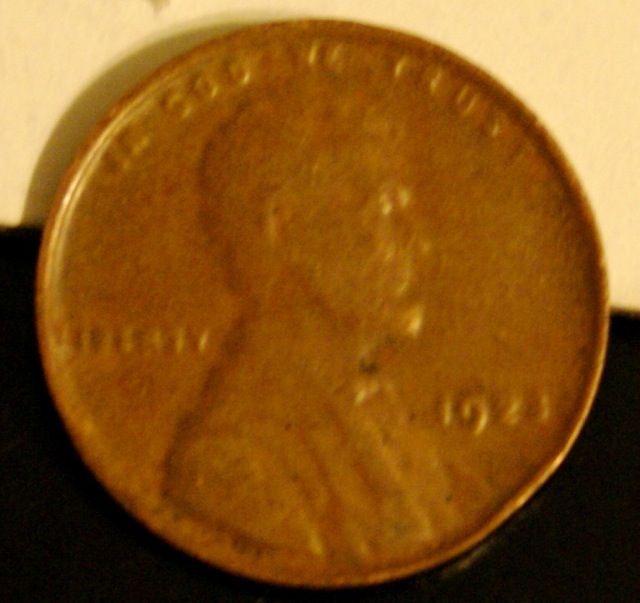 |
|
Moderator
 United States
23522 Posts |
Quote:
I made coins exactly like this when I was younger. Very simple. You have to bring the coin just before melting point, with a torch or on a stove, hot plate, etc... Then take it off before the coin actually desolves into a molten heap, which is quite quick. Don't know how many coins I destroyed doing this. That was my first thought, as well. What holds me up, though, is that E PLURIBUS UNUM has run, indicating the coin was vertical when heated, while none of the other reverse detail did. Would those smaller letters get sufficiently hot to run while the rest of the coin remained cool enough for the details to stay in place? Furthermore, would any of this happen while leaving the obverse relatively unscathed? I could envision it happening by playing a torch on the top of the reverse, but I would think that ONE would show more damage. These are genuine questions - I have no idea. Just throwing out thoughts. |
|
Pillar of the Community
United States
2752 Posts |
I don't know what was done to it exactly. But its appearance is inconsistent with a genuine mint error. The exaggerated flow lines coming off E PLURIBUS UNUM and the ripples extending out from ONE are not effects one sees in capped die strikes, struck-thru errors, grease strikes, or any other known error category that would produce a blurred reverse design. I suspect the coin will be underweight.
Error coin writer and researcher.
|
|
Pillar of the Community
Canada
1082 Posts |
I have seen coins that were found in water where they were for long periods of time come out looking like this, with the details "softened".
|
|
Moderator
United States
56855 Posts |
What about some type or some stage of a broad strike  John1  |
|
Valued Member
United States
236 Posts |
SuperDave, your absolutely right; it wasn't flat, though not completely vertical. It was tilted. Like I stated prior, I don't know how many of these coins I used to kill  .... But the effects were generally all the same. Take a few of the worst of your "Copper" cents and tilt them at about 45deg. For example... If you have an electric stove, turn it on med/high and place the penny so that part of it touches the element. You actually might need a few more bad/worn cents to create this effect right, as not to melt the coin completely..... I'm sure you get the picture. The easiest method is to tilt the coin & use a low flame from a torch, not quite blue...... Trust me, you'll get this effect fast. Don't try to get this effect with the zincolns.... it won't work. The combination in alloys makes for different melting points & the penny just literally turns molten. I don't condone destroying coins anymore, unless there beat all to hell.  Enjoy, Eric |
|
Valued Member
United States
188 Posts |
Thanks for the replies Dave and Coffe, I would agree that the characteristics of the coin looks like its melting off the coin. The problem I have with that explanation is 1. the coin would be toned differently in the area that was heated, bubbled etc. 2. The obv of the coin shows no effects, I put 3 wheats on my stove (The wife is happy) and I couldn't produce this effect in any way. It melted the coin but it lost all of its characteristics and turned a completley different tone.. It also effected both sides of the coin. I tried three different heat settings and experimented with putting the coin at different angles. You could be right, I have no right answer thats for sure.
|
|
Valued Member
United States
188 Posts |
I wanted to bump this up to the top to see if there are anymore comments.
Copper Coins, an thoughts?
|
|
Pillar of the Community
United States
1882 Posts |
I know what I'll be doing in the kitchen tonight. |
|
Bedrock of the Community
United States
62064 Posts |
Check out coin # 2 in this image. It has similar markings and the coin was dipped into acid because it is so thin. But not the marks on the obverse around the motto. I think this part down forcing the acid flow around these devices and make the marks noted on the two coins in this thread. See what you think? 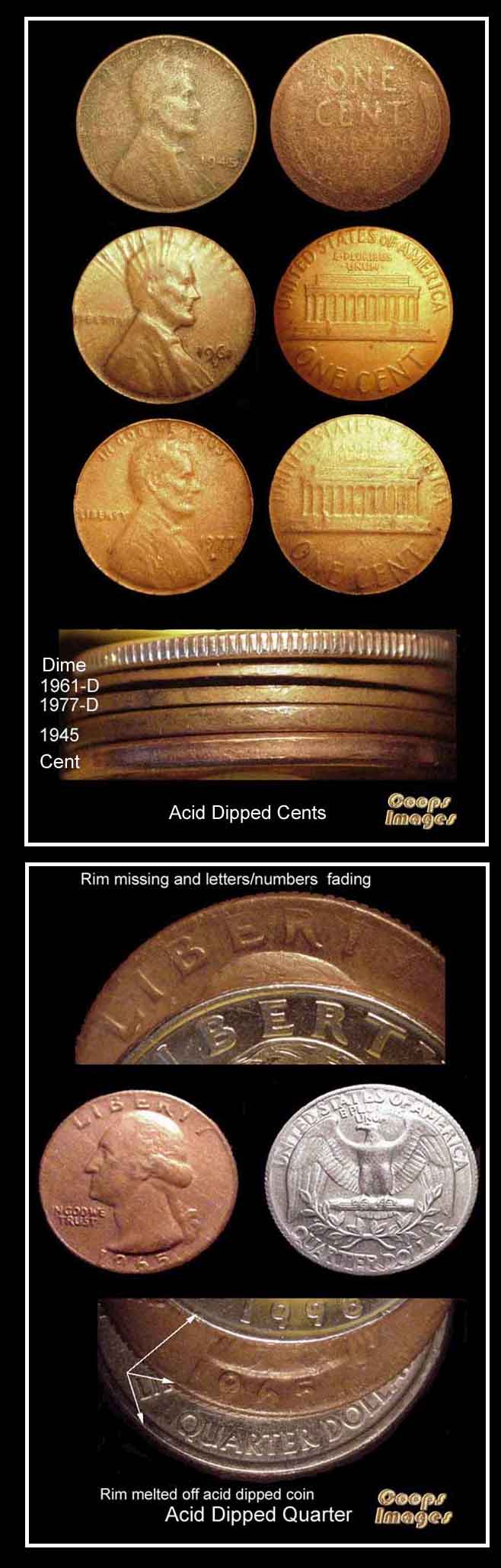 |
|
Pillar of the Community
United States
5701 Posts |
IMO, This is directly related to heat, some how, some type, but uniquely heat related, just my Two Cents LOL, ... |
|
Pillar of the Community
United States
7629 Posts |
I agree, heat did it and it's not a mint error - just doesn't fit anywhere as a mint error. It is interesting, but only so far as to find out what did do this to the coin.
|
|
Valued Member
United States
188 Posts |
|
|
Page 2 of 2
|
Replies: 24 / Views: 2,661 |
Page 2 of 2
|





 First Page

 Posted 01/22/2009 04:36 am


