| Author |
 Replies: 19 / Views: 3,093 Replies: 19 / Views: 3,093 |
Page 2 of 2
|
|
|
|
CCF Master Historian of Commemorative Coins
 United States
12566 Posts |
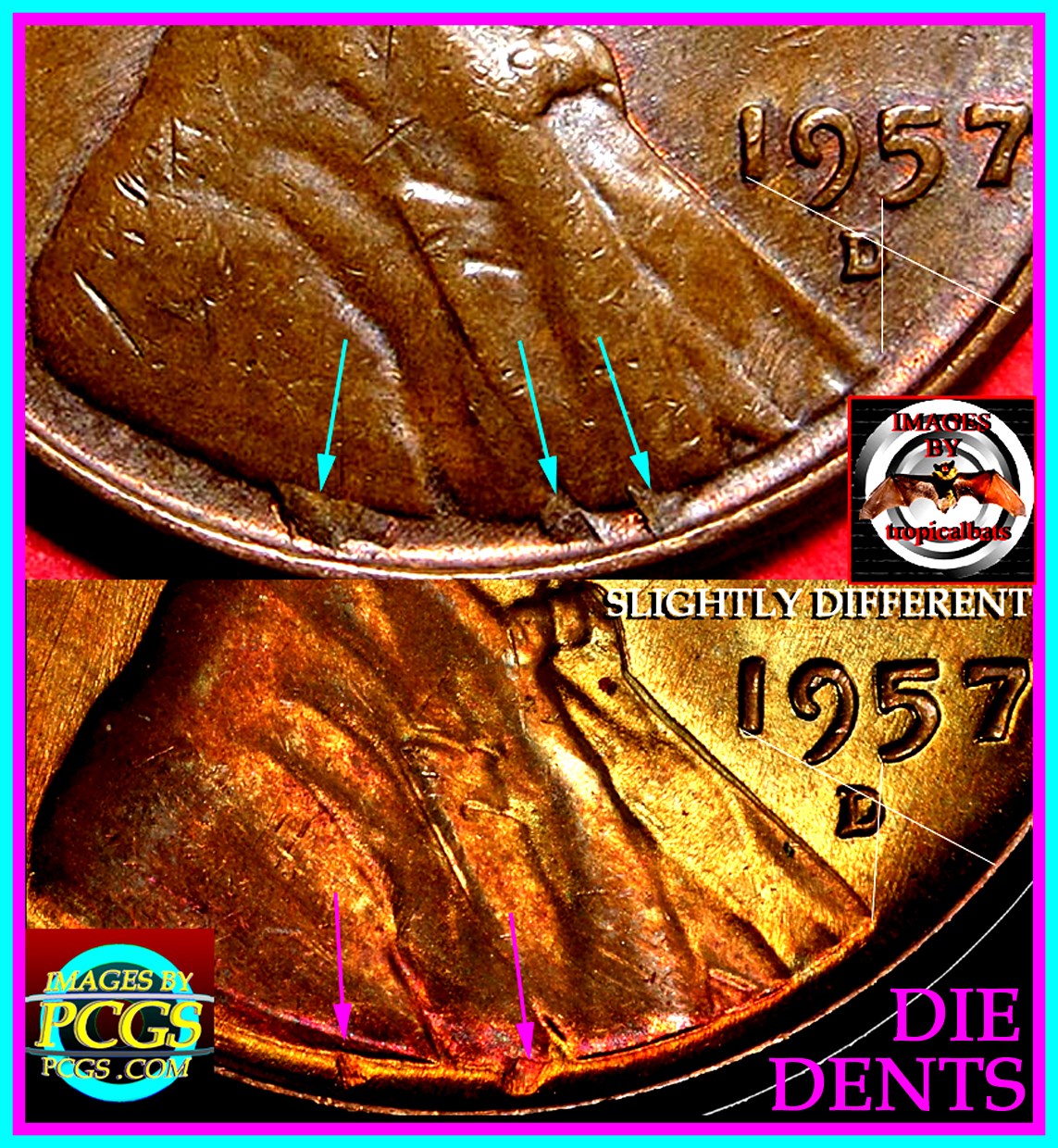
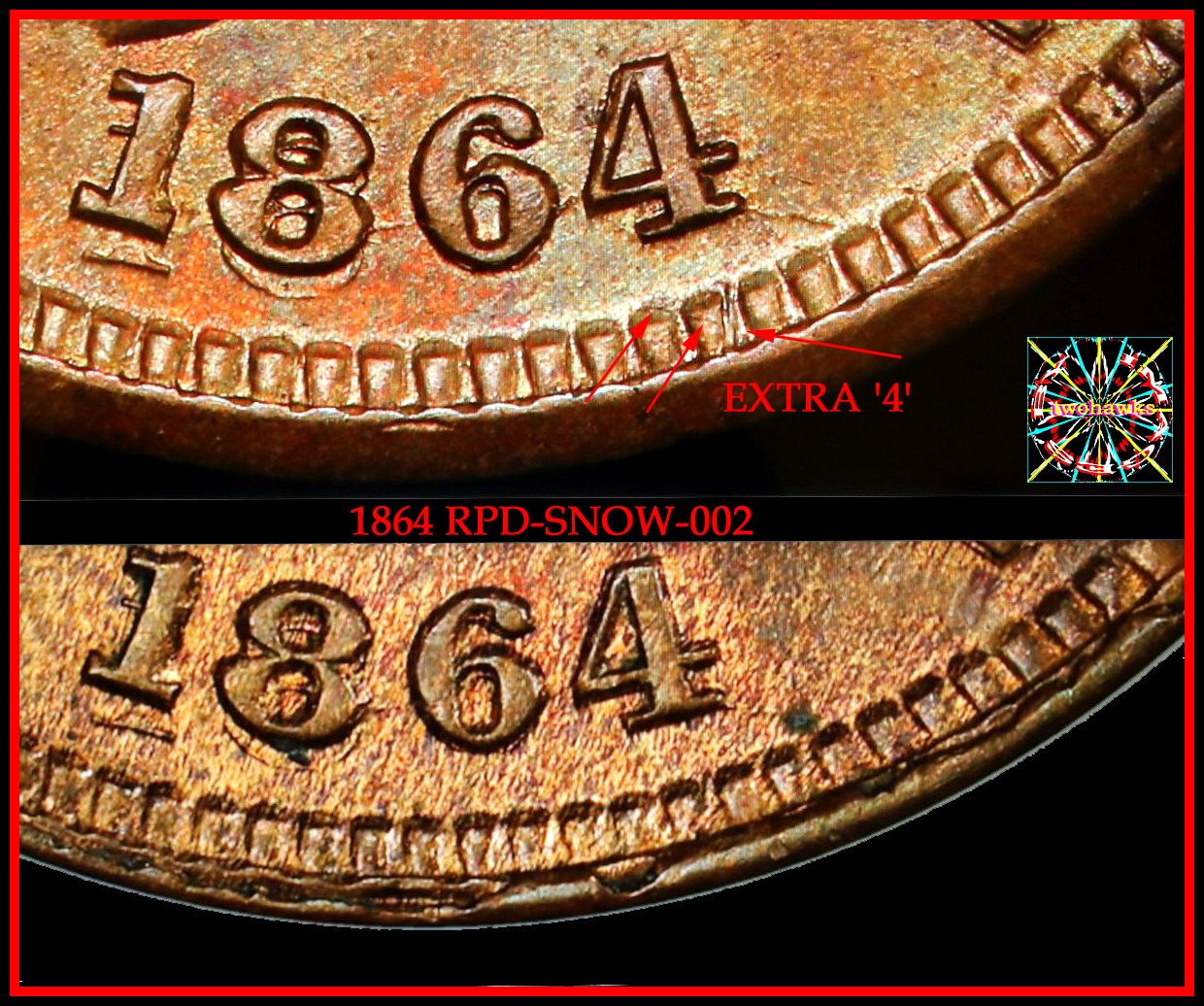
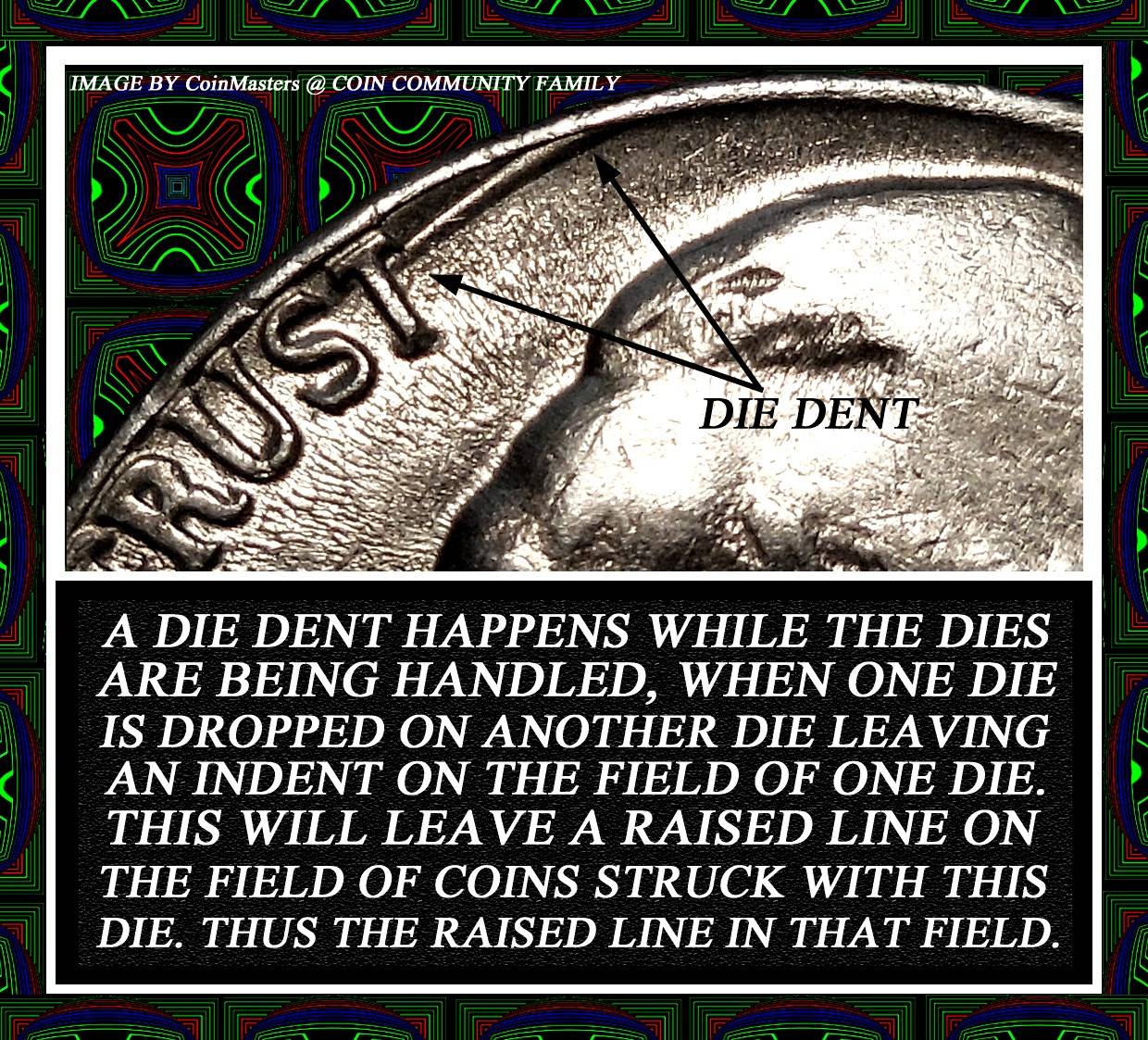
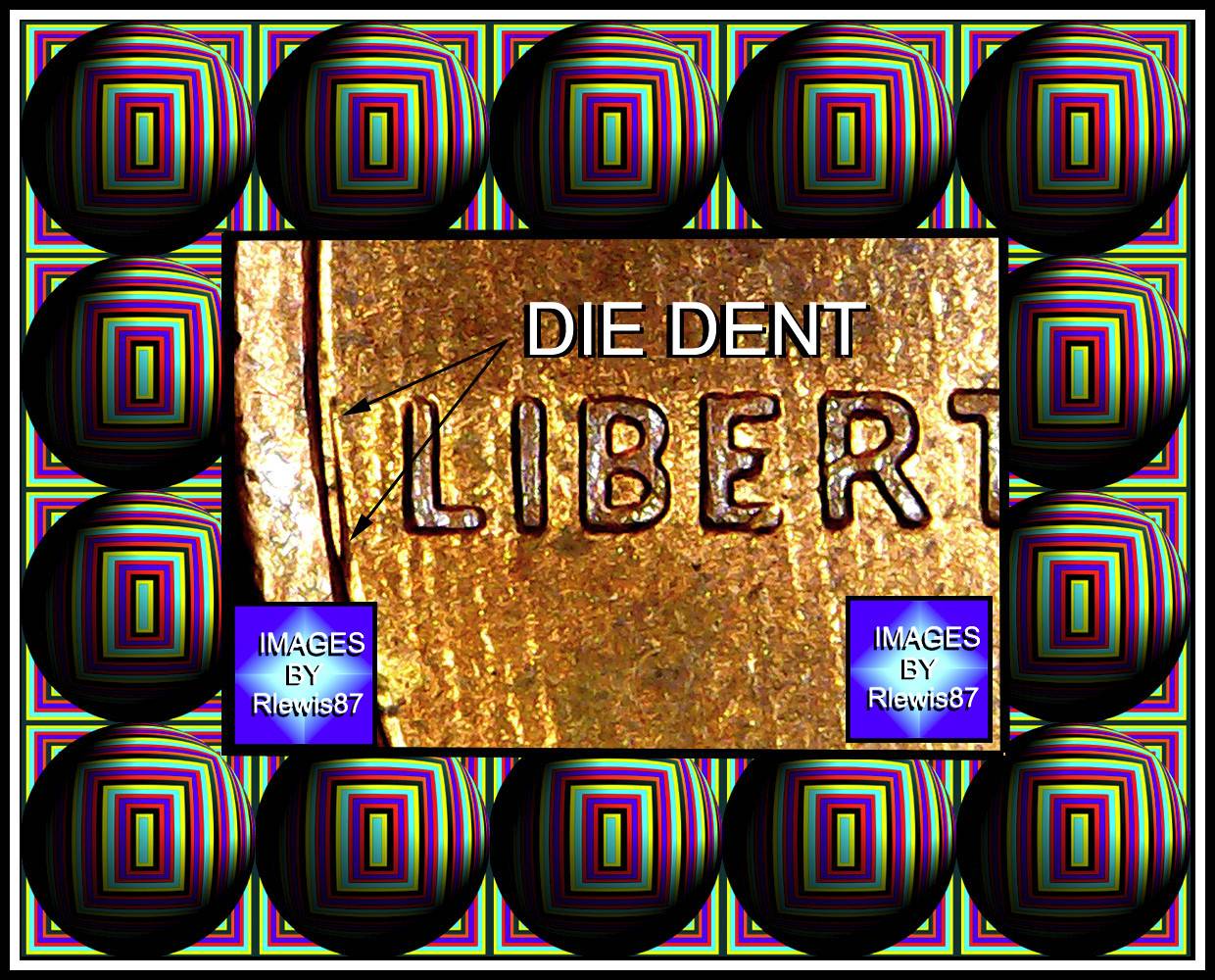
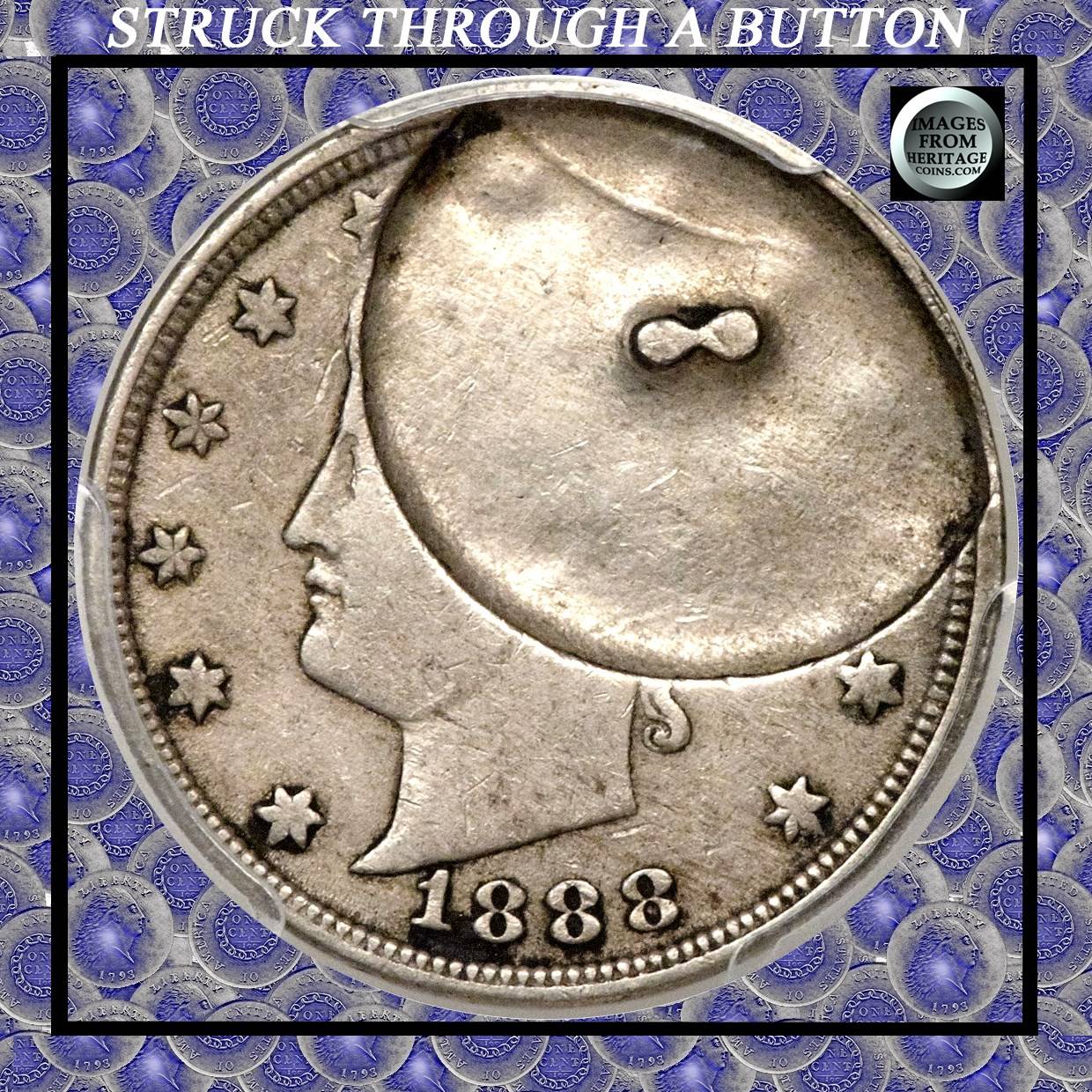
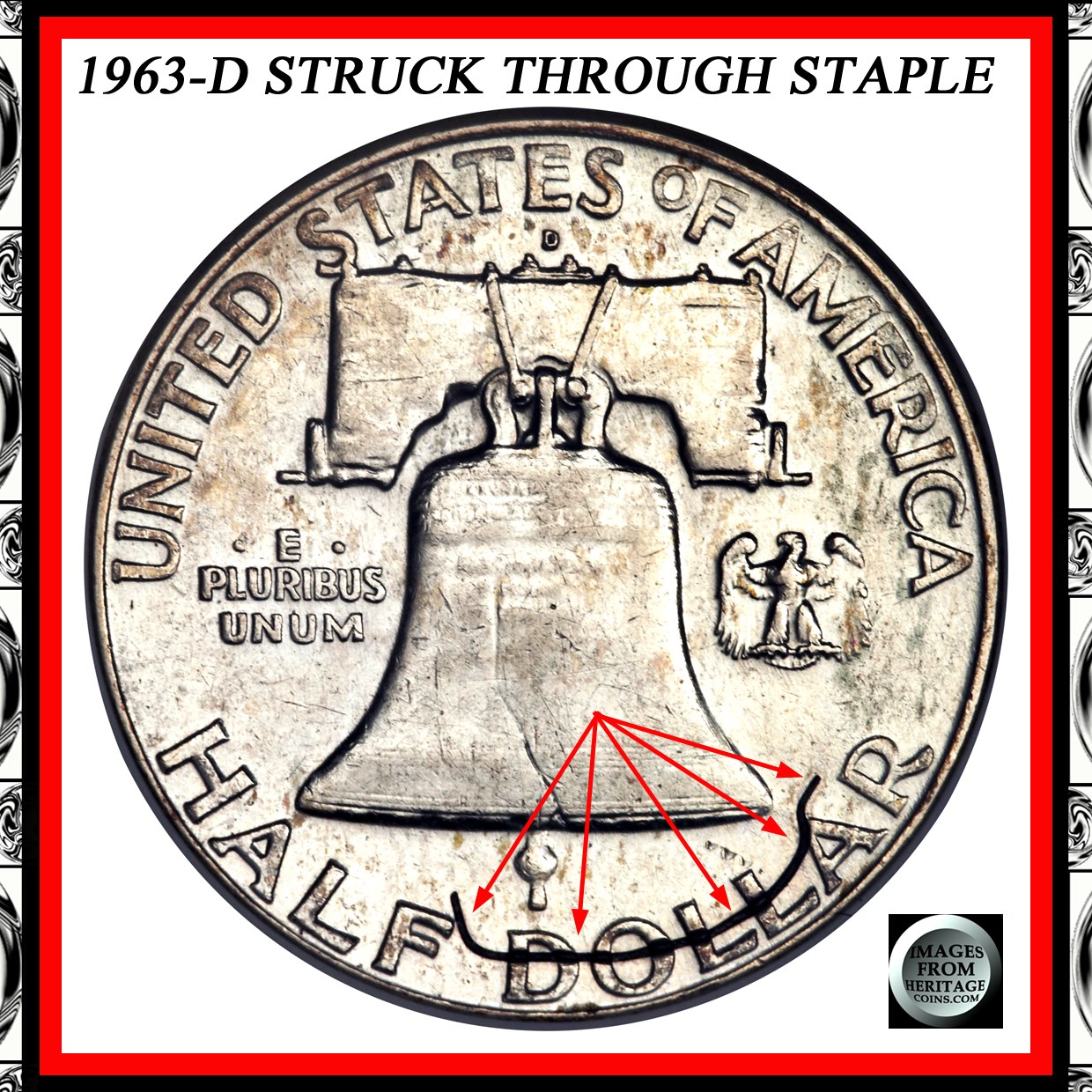
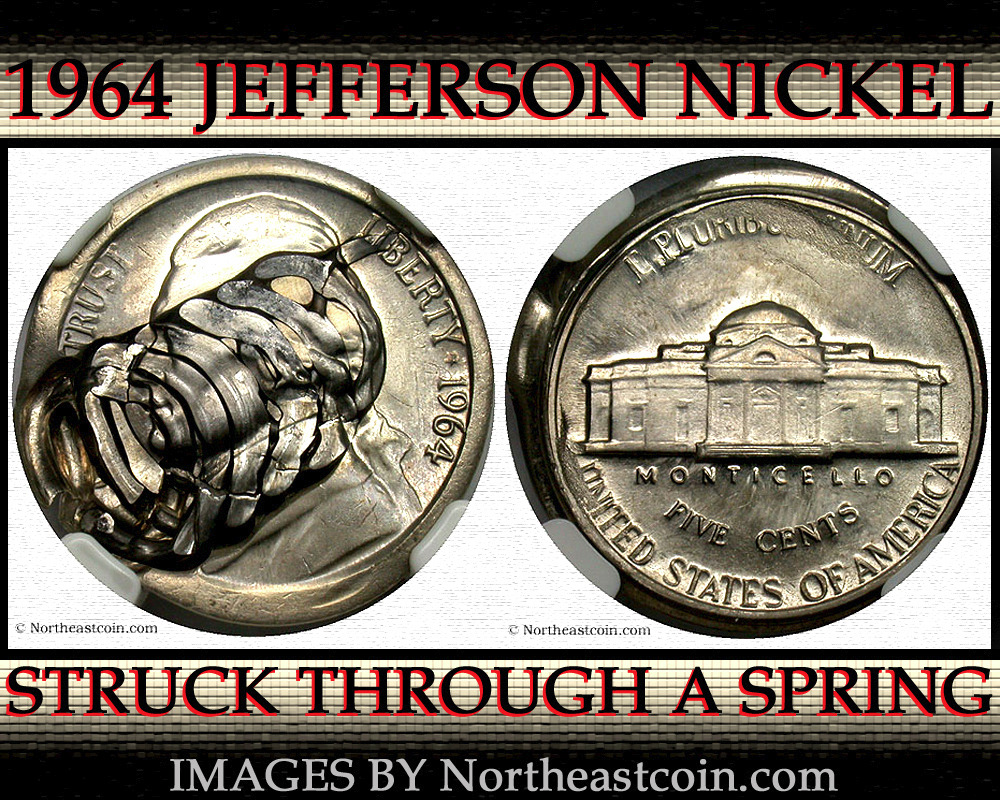
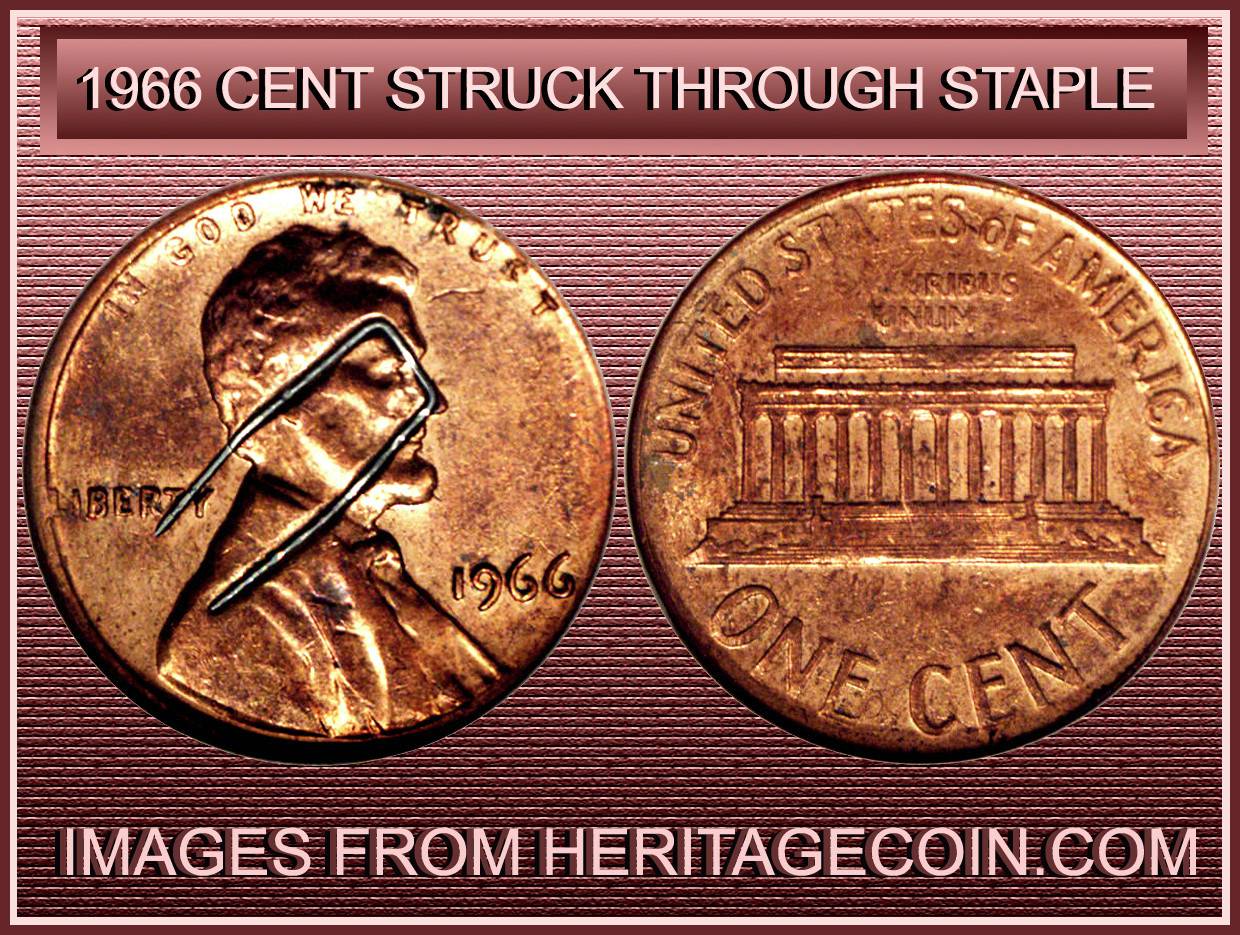
I would think that chips on the surface of a die could often be the result of a strike thru scenario involving something hard being caught between the die and planchet during a coin's striking.
The hard item could chip the die before falling away and cause the struck coins that follow to exhibit a die chip error (raised area on coin). Die chip errors are relatively common errors.
Collecting history one coin or medal at a time! (c) commems. All rights reserved.
|
|
Pillar of the Community
 Canada
3328 Posts |
I wouldn't be surprised if many die chips were caused from a struck through, I am more wondering if there is any examples of a clear struck through die with an impressions,much like a die clash. Let's say a piece of braided wire was struck through a coin and left in the press(or imbedded in the die) causing multiple struck through coins, if the wire came loose from the die and left a unique impression on the die, then that die struck a coin causing a raised area with the imprint on the coin.
|
|
CCF Master Historian of Commemorative Coins
United States
12566 Posts |
Quote:
I am more wondering if there is any examples of a clear struck through die with an impressions,much like a die clash. Let's say a piece of braided wire was struck through a coin and left in the press(or imbedded in the die) causing multiple struck through coins, if the wire came loose from the die and left a unique impression on the die, then that die struck a coin causing a raised area with the imprint on the coin. Yes, in other words, a type of die chip. Collecting history one coin or medal at a time! (c) commems. All rights reserved.
|
|
Pillar of the Community
Canada
3328 Posts |
Makes sense. But I have never seen a die chip has a noticable design or pattern. They are usually just random chunks of metal. If a wire imbeded in the die and was say 1/2 long and was braided, you would have a half inch long die chip with braiding detailed raised on the coin. I think that would warrent a different name then die chip. Though the examples I'm explaining are completely hypothetical as I have never seen anything like that. Or even say steel cloth or something you would have the cloth like texture imbedded into the die and every coin struck from that die would look completely messed up with raised detail all over the coin.
|
|
Moderator
Australia
17005 Posts |
In order to impress the coin design onto a blank piece of metal, not just once but tens of thousands of times, coin dies have to be both hard and tough. The dies are the hardest and toughest objects likely to be flying around in the mint presses. Unlike a coin, they're deliberately designed not to deform under pressure. To deform a working die, you'd need (a) an object much harder than a coin die, (b) pressures much higher than regular operating pressures, and (c) a compression time much longer than normal. Which wouldn't be a "mint error", it'd be someone illegally and dangerously fooling around with hazardous machinery.
Suppose you can find a foreign object that's large enough to leave a visible impression yet tough enough to cause damage to the die, and you insert it into an operating coin press, without a coin blank in place (as the presence of a coin blank will simply create a regular "struck through" error coin). It will likely shatter either the object or the die. If it's the object itself that shatters, you might get die chips, and you'll highly likely have other damage to the press from bits of hardened metal flying about the place, but you won't get a nice clear object-shaped indentation in the die. The laws of physics simply don't allow it. And if it's the die itself that shatters, well, I suspect the "shattered die" mint error phenomenon is usually caused by just such an event occurring.
Don't say "infinitely" when you mean "very"; otherwise, you'll have no word left when you want to talk about something really infinite. - C. S. Lewis
|
|
Pillar of the Community
Canada
3328 Posts |
Great explanation Sap, but if it was impossible to impress on the dies then a doe clash error wouldn't exist would it? If something as hard as the die(steel) was in between a planchette and die it would imprint on the coin, but not possibly the die as well? Or in the direct case of a die clash of if something hard enough was in the die press could it not creat a doe clash/struck through error on the die as well? The odds off all of these events happening at once seems astronomical but not impossible.
As there is not any evidence of this sort of thing happening I imagine it does not exist but could it not be possible? And if it ever did happen, mayb a few coins escape before being noticed, mayb thousands or more. I guess I'm talking about a hypothetical possible error lol.
|
|
Pillar of the Community
Russian Federation
5186 Posts |
The thing with die clashes in particular is that both sides are dies, and thus roughly equally hard, so "will shatter either the object or the die" does not apply: the force is spread evenly(ish) on both sides and deforms both.
Sometimes one (or both?) of the dies is indeed broken during the clash; the cases where one of the dies breaks and has to be replaced are probably how you get one-sided die clashes.
I think I've also seen (especially on older coins) some die chips that were just there in the middle of the field; those could have been caused by just this type of deformation.
|
|
Bedrock of the Community
United States
17884 Posts |
1804 spiked chin Half Cents. The die pair used to strike the C-3 variety almost immediately suffered a strike through with a small bolt between the obverse die and the planchet. The bolt was removed but it damaged the obverse die and the traces of the bolt head and the threads can be seen, usually clearly, on C-5, and to a lesser extent on varieties C-6,7,and 8. (Each of these is the finest known of the variety. You can see how the damage fades but it is still strong even on the last variety.) C-5  C-6  C-7  C-8  Edited by Conder101
12/09/2021 11:52 am
|
|
Bedrock of the Community
United States
17884 Posts |
When you first mentioned a die strike through I thought you meant a strikethrough that occured during the hubbing of the die. those exist as well. The 1952 "superbird" proof quarter and the 1965 "5 on cheek" are examples of dies hubbed through a piece of lint that was then impressed into the die.
|
|
Pillar of the Community
Canada
3328 Posts |
Thank you very much conder101, so this shows the error actually exists. First time ever viewing it. I was really curious about this because it seemed possible but I had never seen or read about any examples. As for a name for the error, would it just be considered die damage or does it have its own name?
Edit:Looked into it a bit more, so I guess these would all be considered a variety no an error? Also still can't find specific a name for die event. I really like the superbird variety lol.
Edited by Wrekkdd
12/09/2021 1:32 pm
|
|
Moderator
Australia
17005 Posts |
Quote:
Great explanation Sap, but if it was impossible to impress on the dies then a doe clash error wouldn't exist would it? If something as hard as the die(steel) was in between a planchette and die it would imprint on the coin, but not possibly the die as well? Or in the direct case of a die clash of if something hard enough was in the die press could it not creat a doe clash/struck through error on the die as well? The odds off all of these events happening at once seems astronomical but not impossible.
The thing with die clashes in particular is that both sides are dies, and thus roughly equally hard, so "will shatter either the object or the die" does not apply: the force is spread evenly(ish) on both sides and deforms both.
Sometimes one (or both?) of the dies is indeed broken during the clash; the cases where one of the dies breaks and has to be replaced are probably how you get one-sided die clashes.The other thing with die clashes is that, unless there's been a major malfunction with the press, the dies are not hitting each other at full pressure. Modern coin presses have stops and restraints in place to try to prevent full-impact die collisions, in the event of a missing blank. A foreign object placed between the dies would be struck at full speed, making "shattering" rather than "deforming" much more likely. I also suspect that modern die clashes are generated from multiple impacts between the dies, rather than just one. A whole bunch of smaller, low pressure impacts is more likely to create deformity than a single powerful blow. It is interesting to see the example from 1804. I would expect such an event to be more likely on older minting machinery, when dies were less hard and presses operated at slower speeds. Quote:
As for a name for the error, would it just be considered die damage or does it have its own name?
Edit:Looked into it a bit more, so I guess these would all be considered a variety no an error? Also still can't find specific a name for die event. I really like the superbird variety lol. Technically, all coins that result from damaged/altered/changed dies are "varieties", rather than "errors", which are caused by a fault or failure in the minting process. The terminology is getting mixed up these days, especially on ebay etc where there's the perception that "errors" must be worth more money. And, as you can see, this type of event is so rare (I would still maintain that, for modern coin machinery, that "rarity" would become "practically impossible"), that when it happens, there isn't a "generic" name for it, other than "damaged die". Perhaps "die damaged by foreign object", if you want a generic category. Collectors would then give the resultant coins a name derived from the appearance of the flaw - such as "spiked chin" or "superbird". Don't say "infinitely" when you mean "very"; otherwise, you'll have no word left when you want to talk about something really infinite. - C. S. Lewis
|
|
Pillar of the Community
Canada
3328 Posts |
For such a rare die event I think it needs its own name. We have die chip errors that have names like leaking pail, bug tail, etc. But why are common die events that have a small premium. Since these are the only examples of a die struck through that a foreign object I have seen thanks to this thread I think they should have a specific name. A struck through is a struck through, a doubled die is a doubled die. Varieties can have special names but the event that causes them is also named ie special placement for die chips. As this is much less common but an actual variety it seems weird that there is no name for it(other then die damage) there is some semi modern USA examples but nothing on the Canadian side. Let alone the rest of the world. I would love to see some other examples of a die imprinted by a struck through. I figured this topic was completely hypothetical until Conder101 posted some examples. I feel there may have been many coins written off as PMD due to the fact that this is very under researched from what I can tell. Anyways I really appreciate all the info provided and am glad that the die event has actually happened causing the off variety. I think this is an overlooked variety that could be on other years but was brushed off as PMD etc as I have never seen anything like that posted before this thread. If not I am happy to hear about potential varieties like this that I have never heard talked about before. |
|
Pillar of the Community
Canada
3328 Posts |
Thanks SAP, idk why but I never saw your last response. I was asking just out of curiosity as I had never heard of it happening before and found no info on the topic because I have no idea what to search for online when something does not have a name. If I were to look up die damage or die damaged by foreign object this sort of thing would not show up. IMO(even if impossible for modern coins) should have a description as to what the error/variety is called. As you said the superbird and the other one mentioned would be an error(with no other name then die damage) even though the die was actually struck through. To me an error on a coin happening to a die would be more unique then a struck through coin. As for the died that are imprinted during the hubbing process making a variety, there is still no information on the actual cause because it has no specific name other then die damage.
I don't have any kind of example Canadian or US but the though I'd dig into the topic.
On a side note, I don't think this would be impossible on a modern coin but probably close to it. Even with something like hardened steel, it could slowly and much more mildly be effect with something soft or small enough to slowly cause an impression onto the die.
|
|
Bedrock of the Community
United States
62064 Posts |
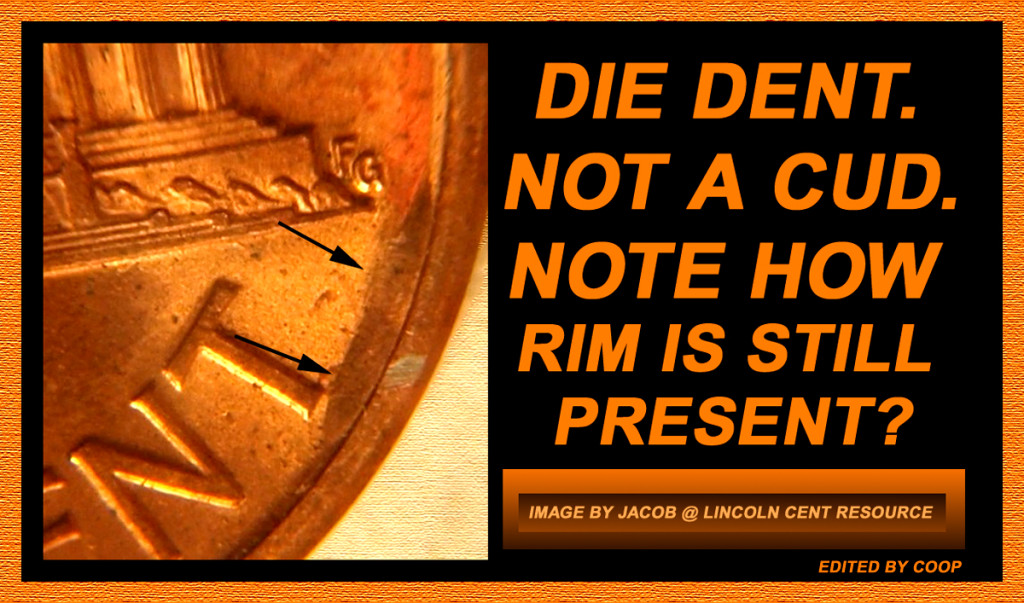
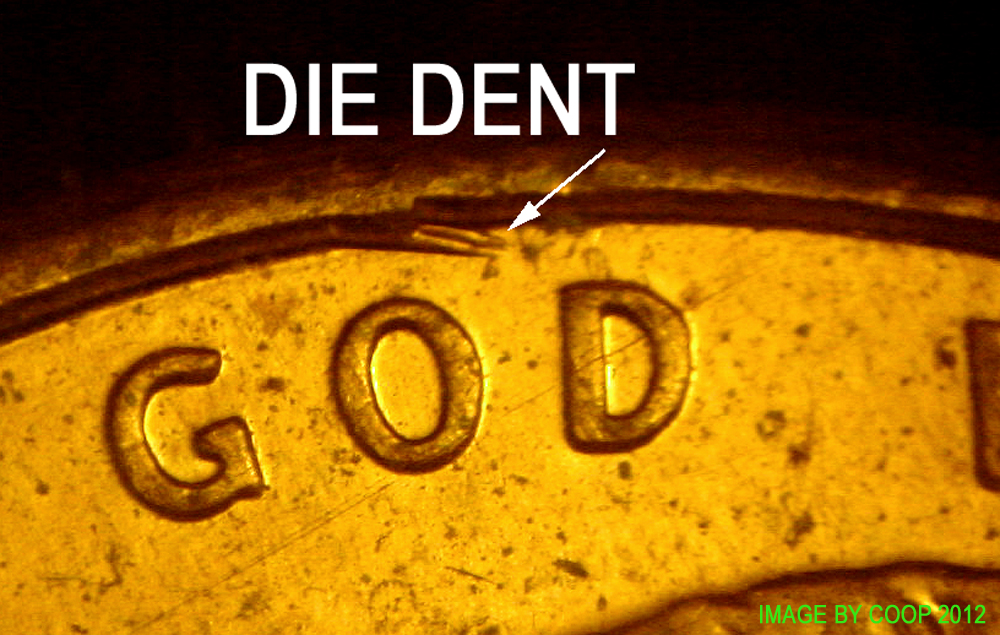
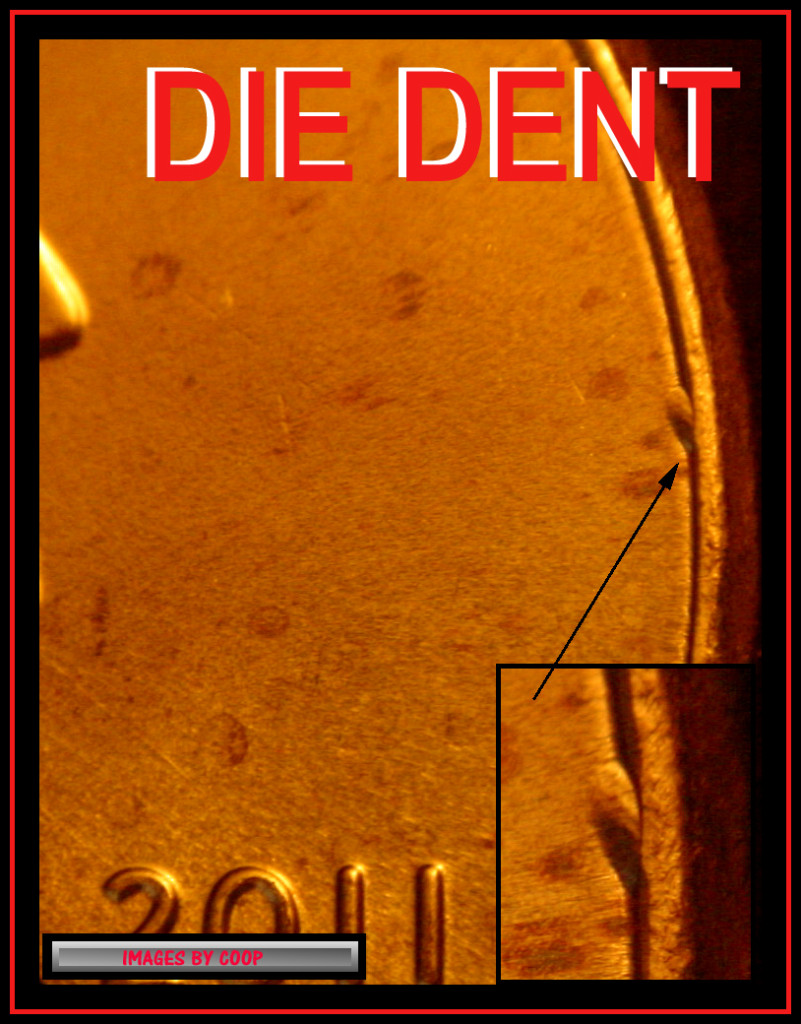
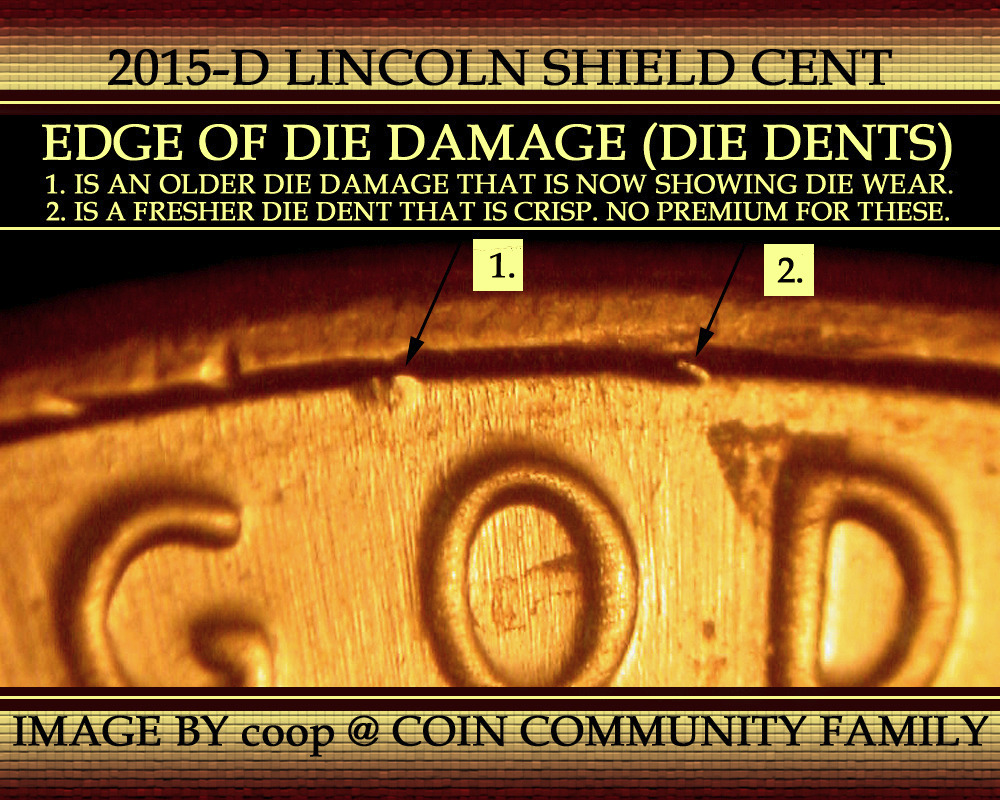
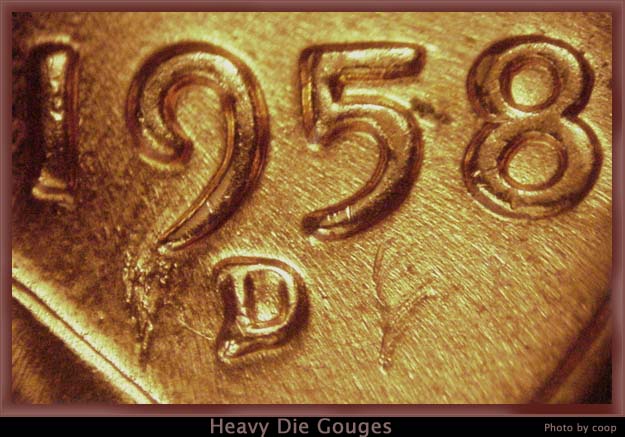
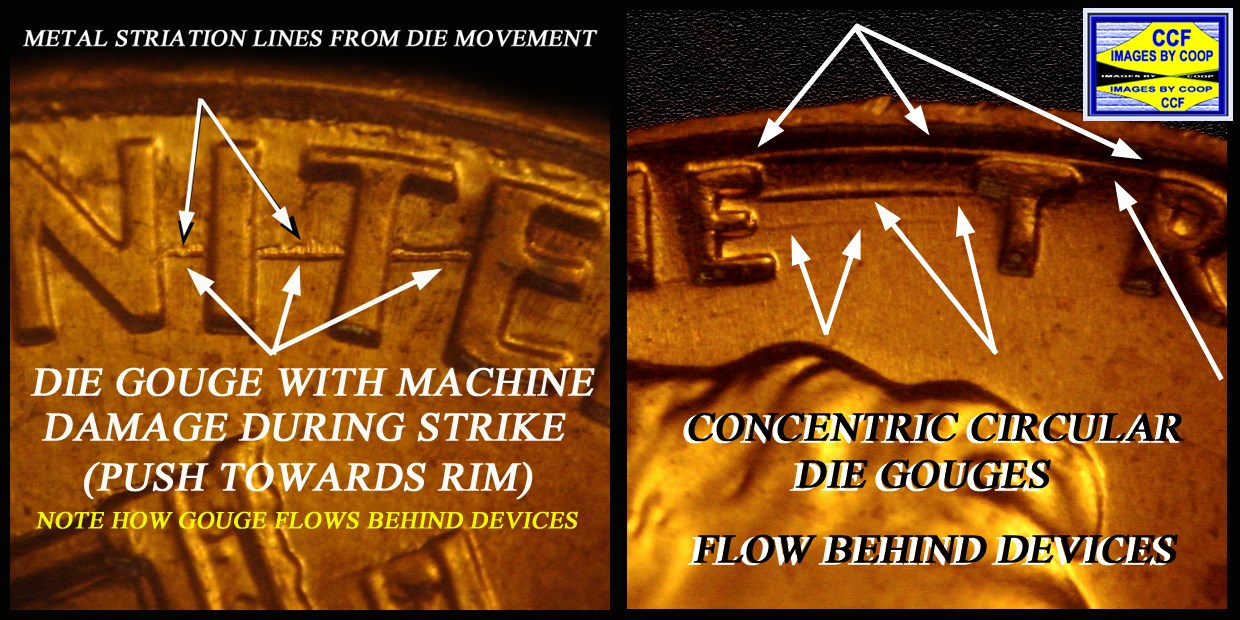
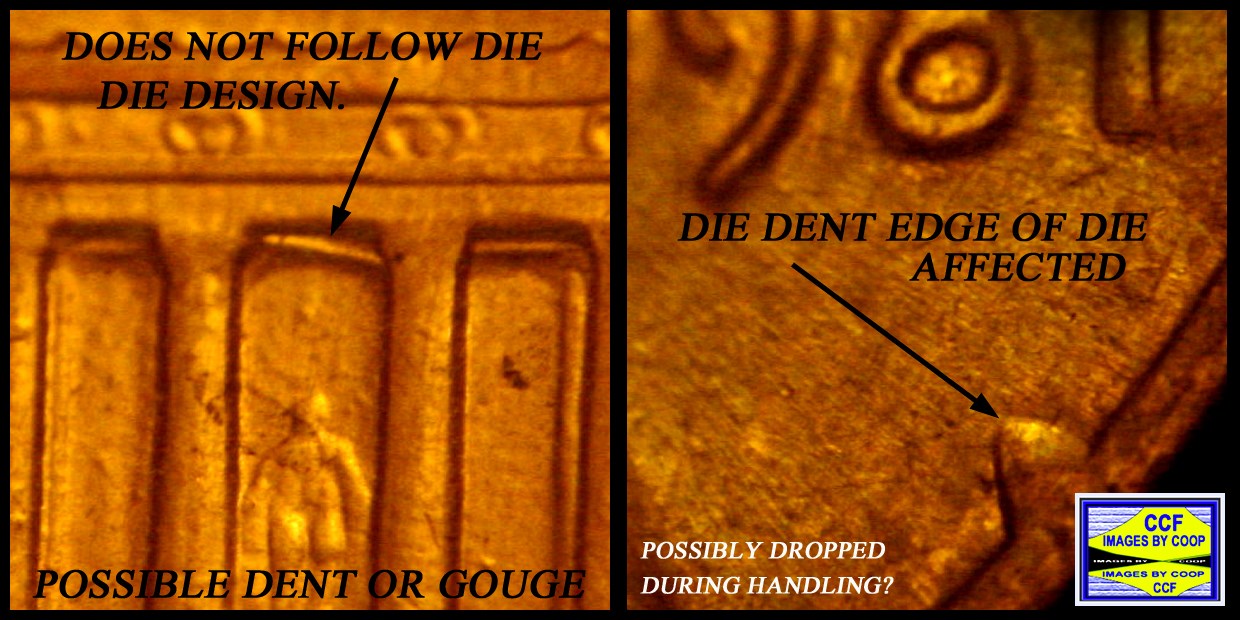
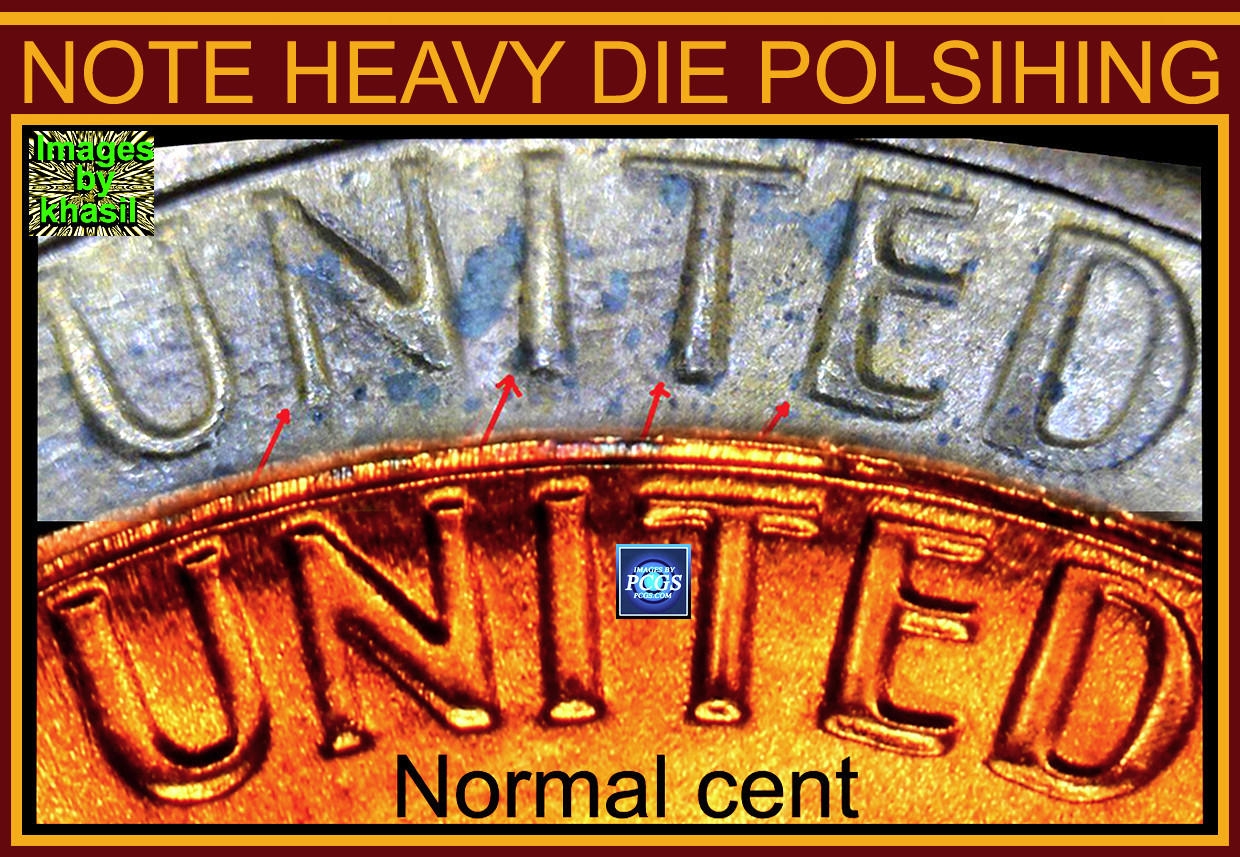
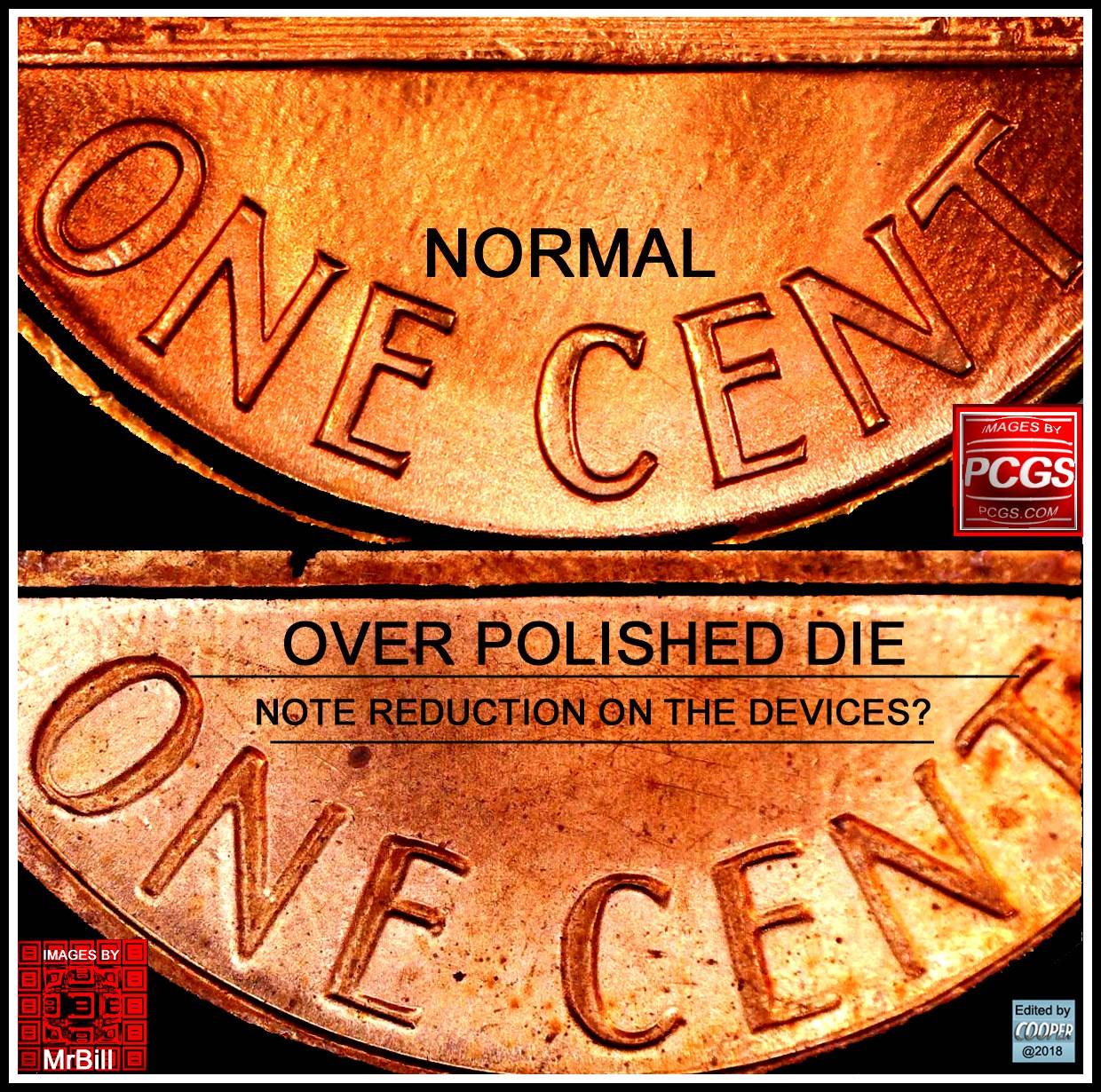
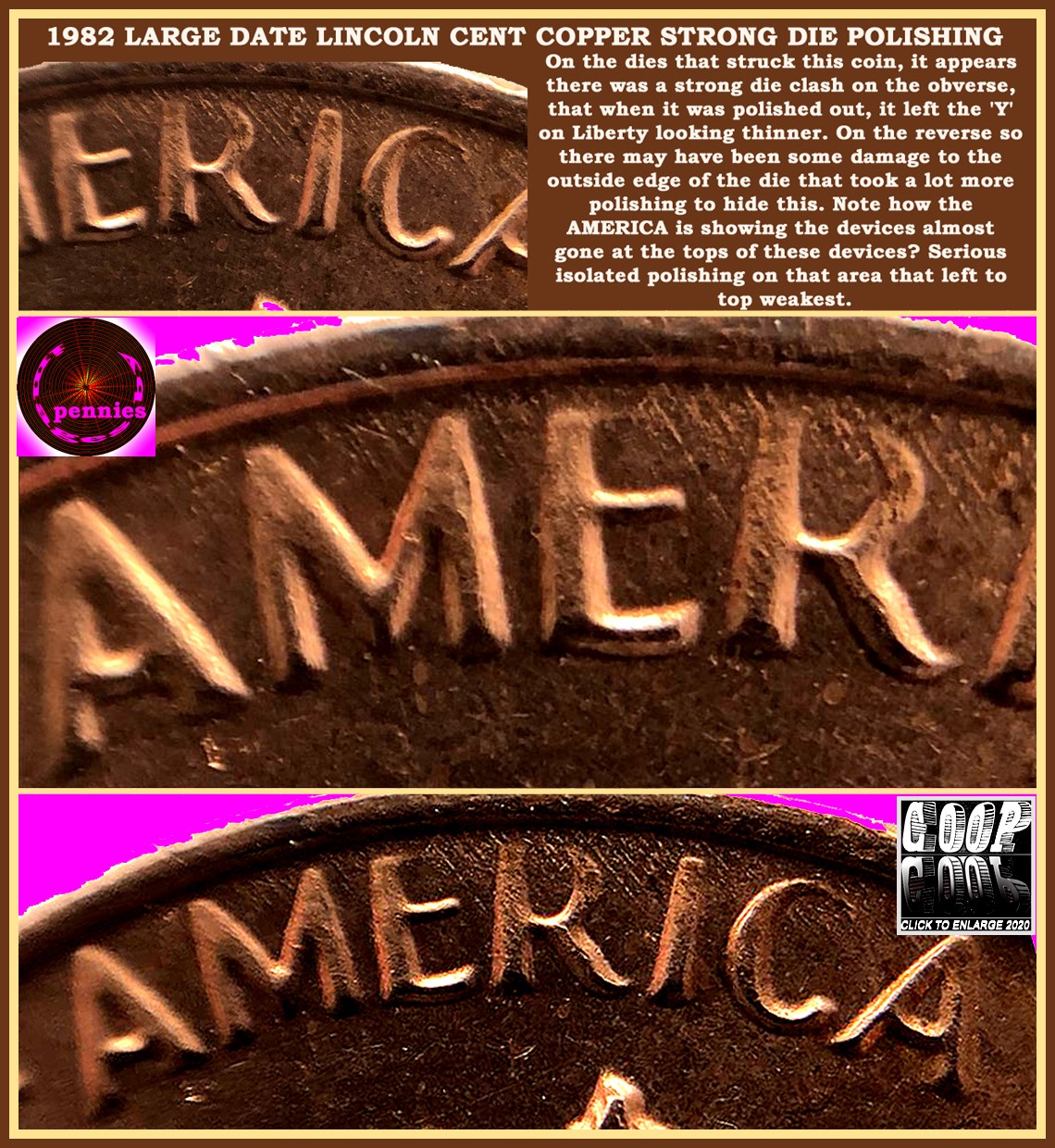
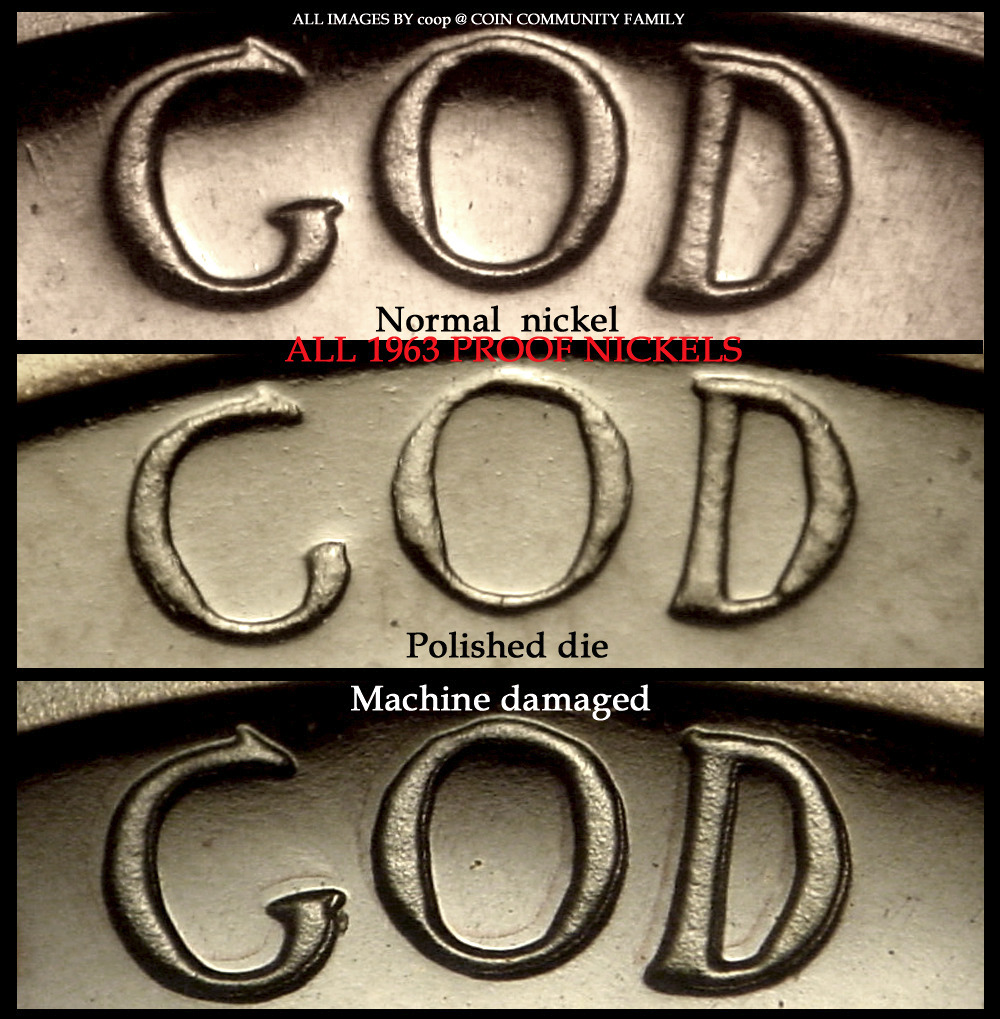
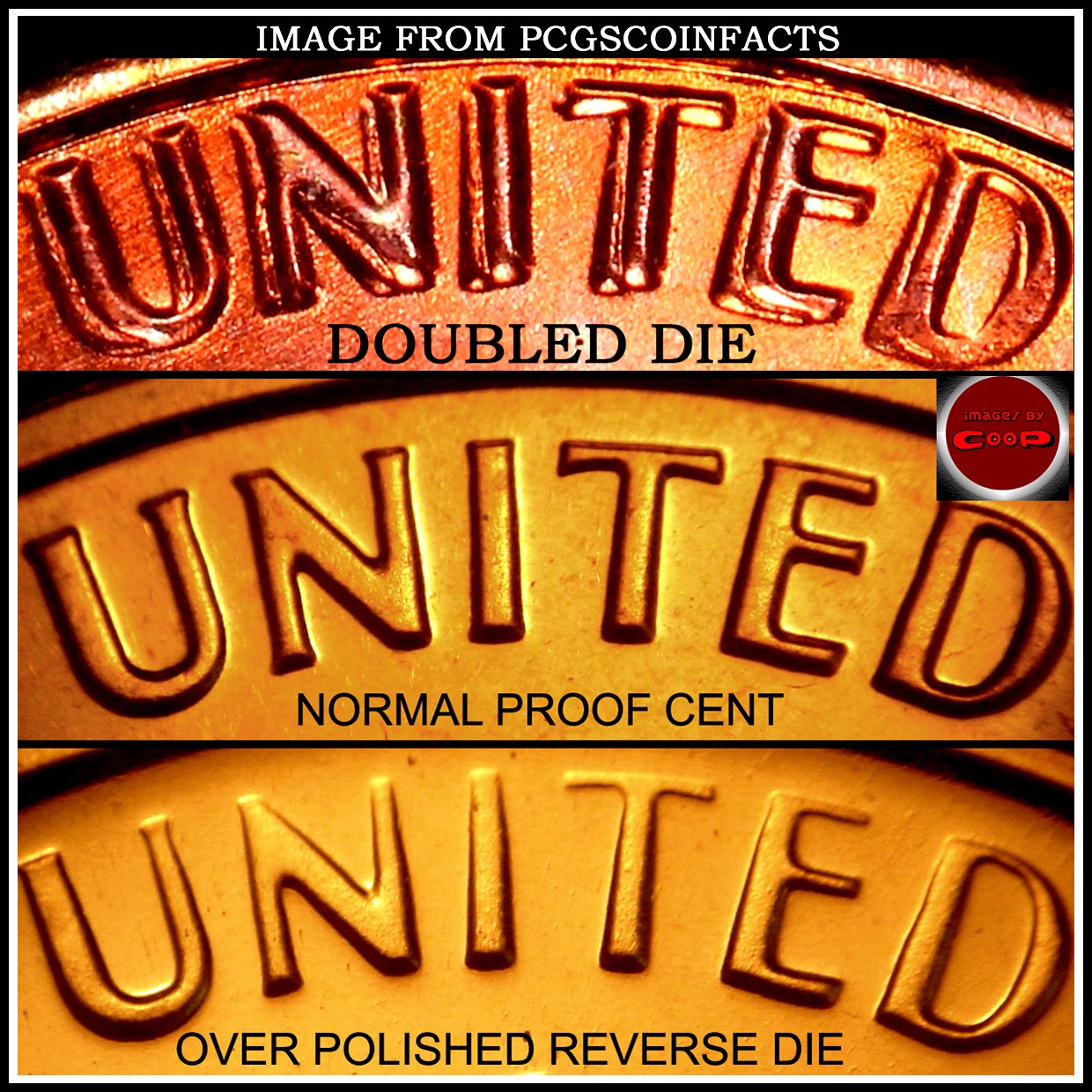
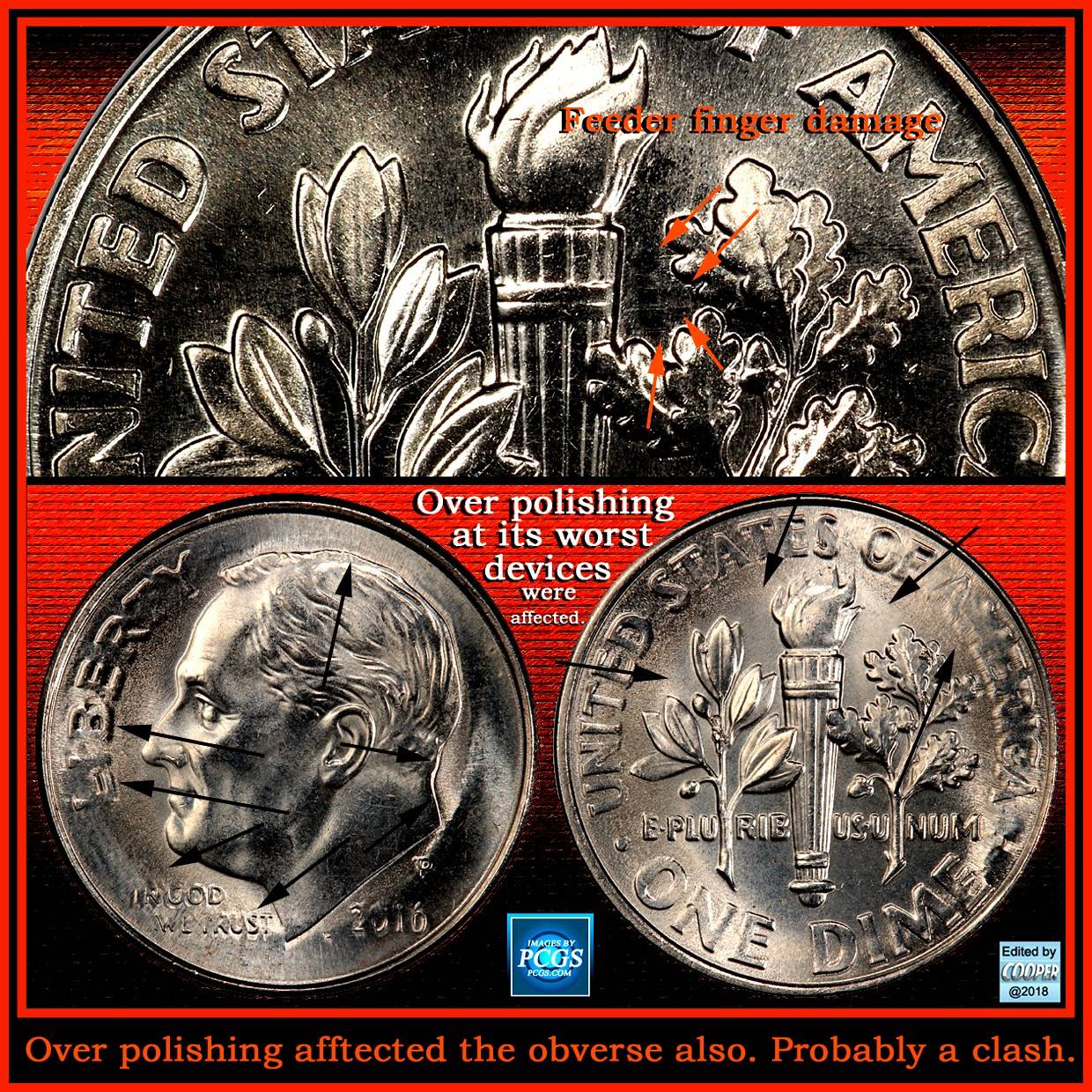
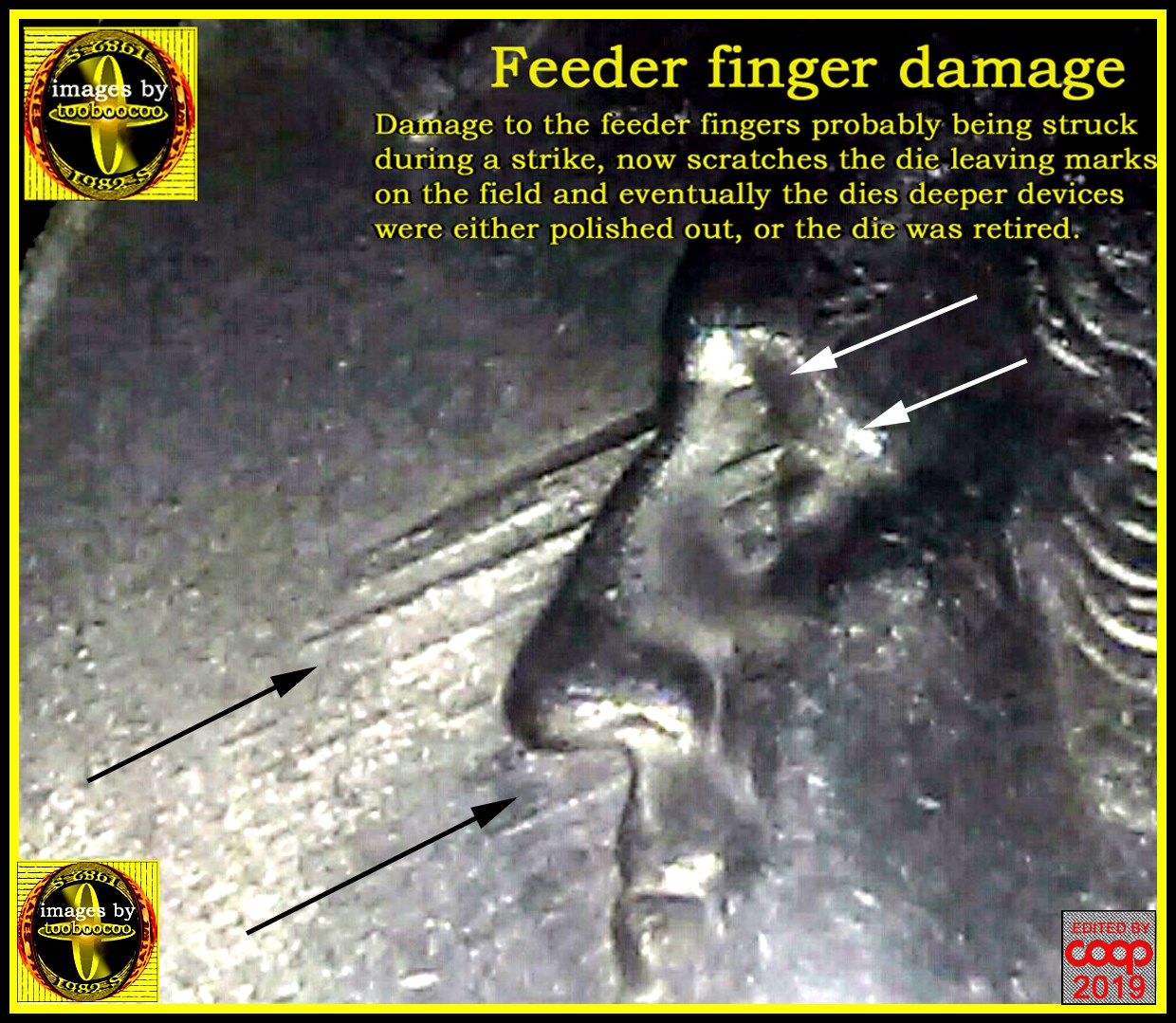
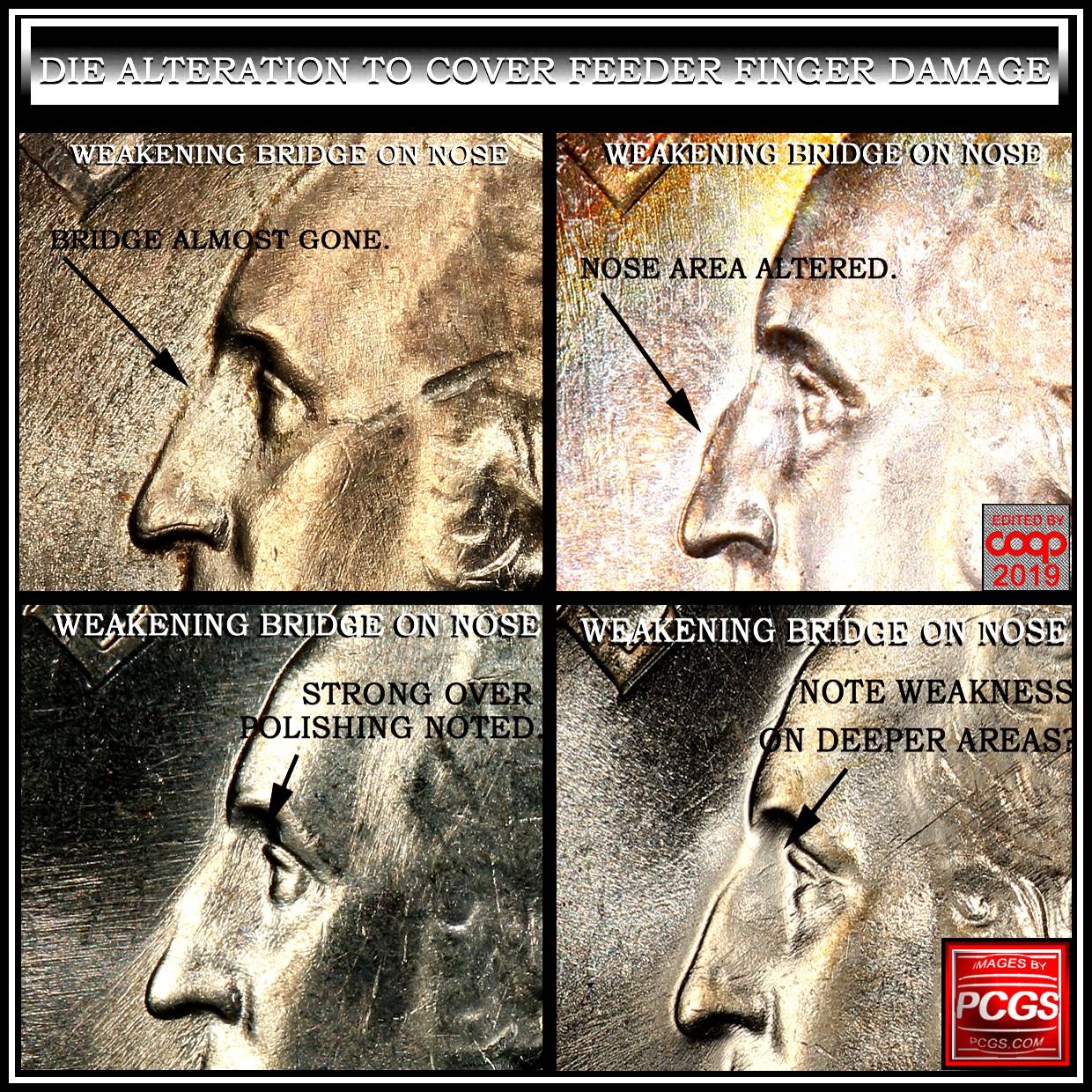
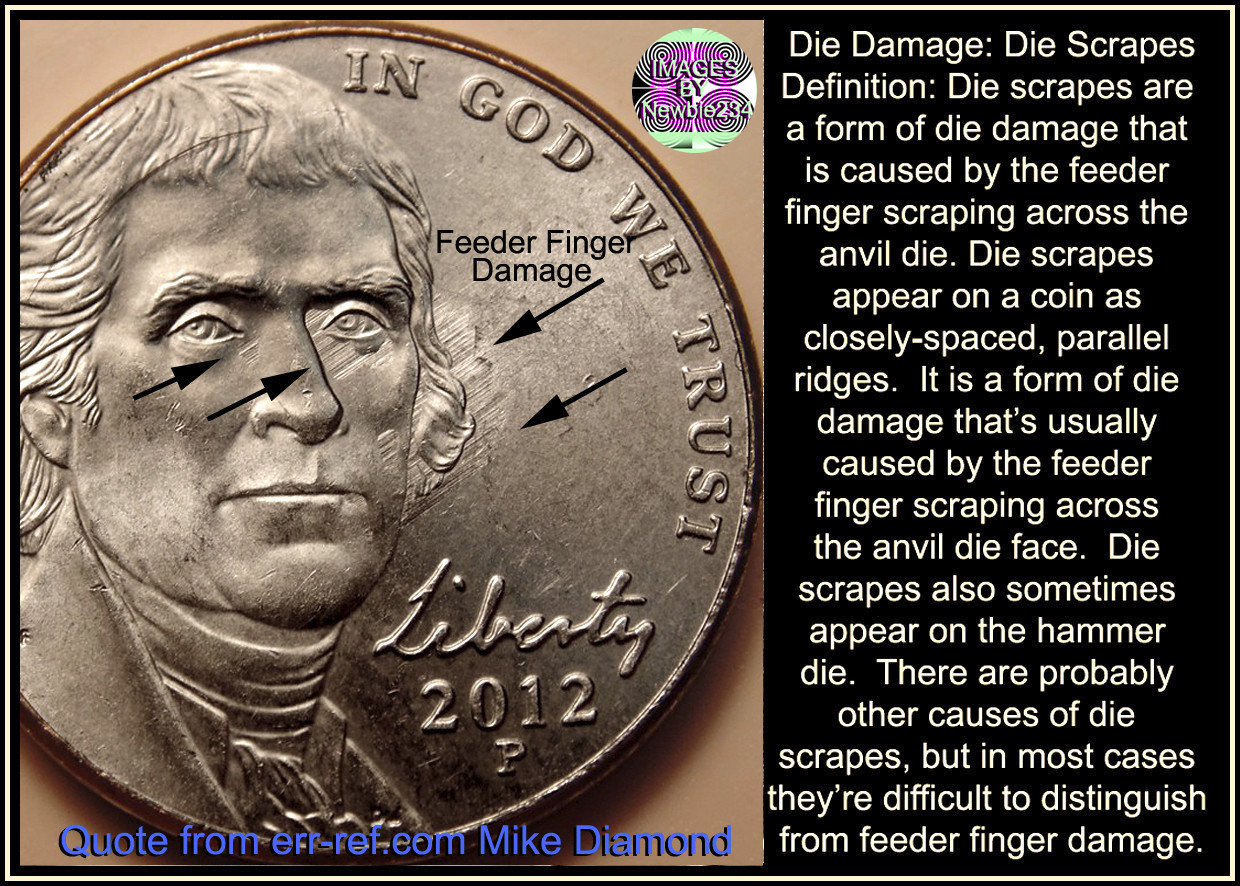
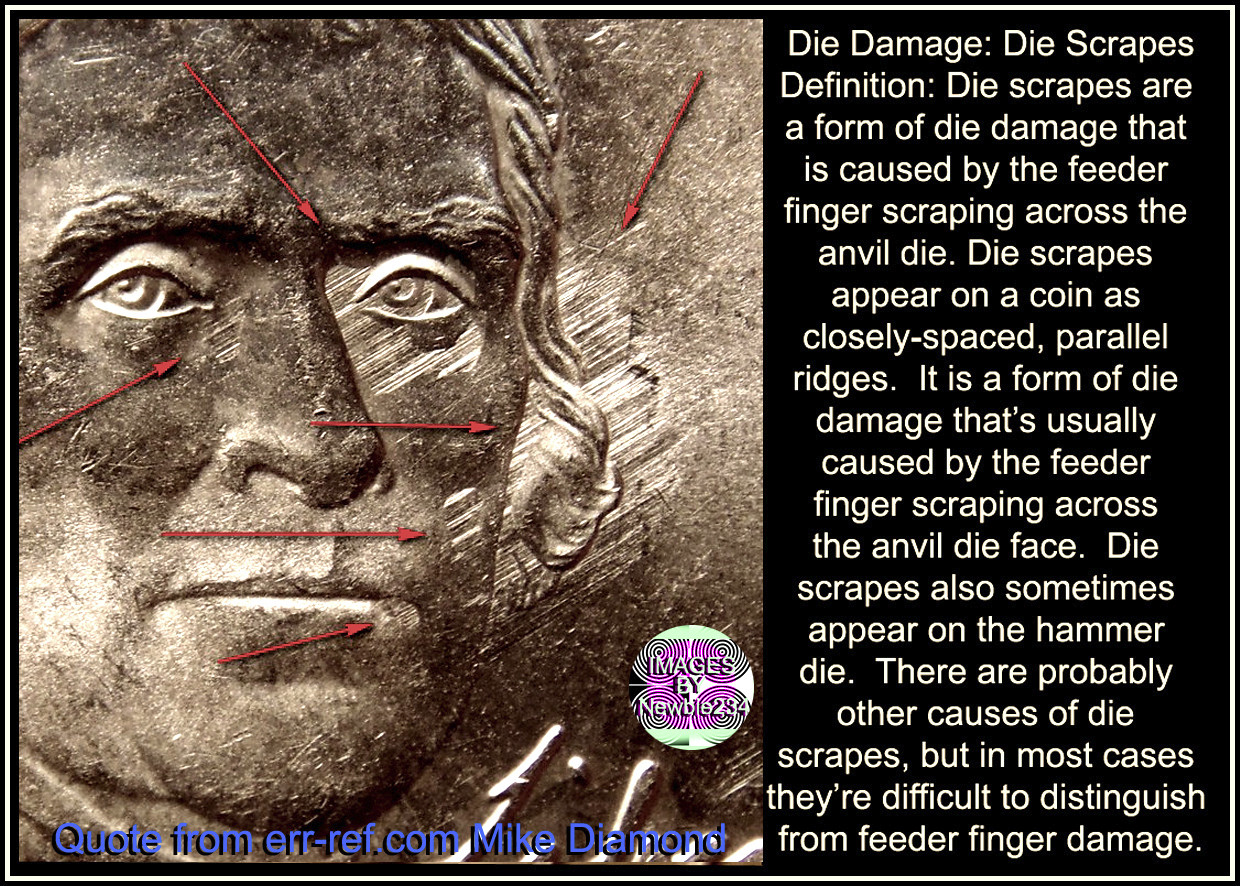
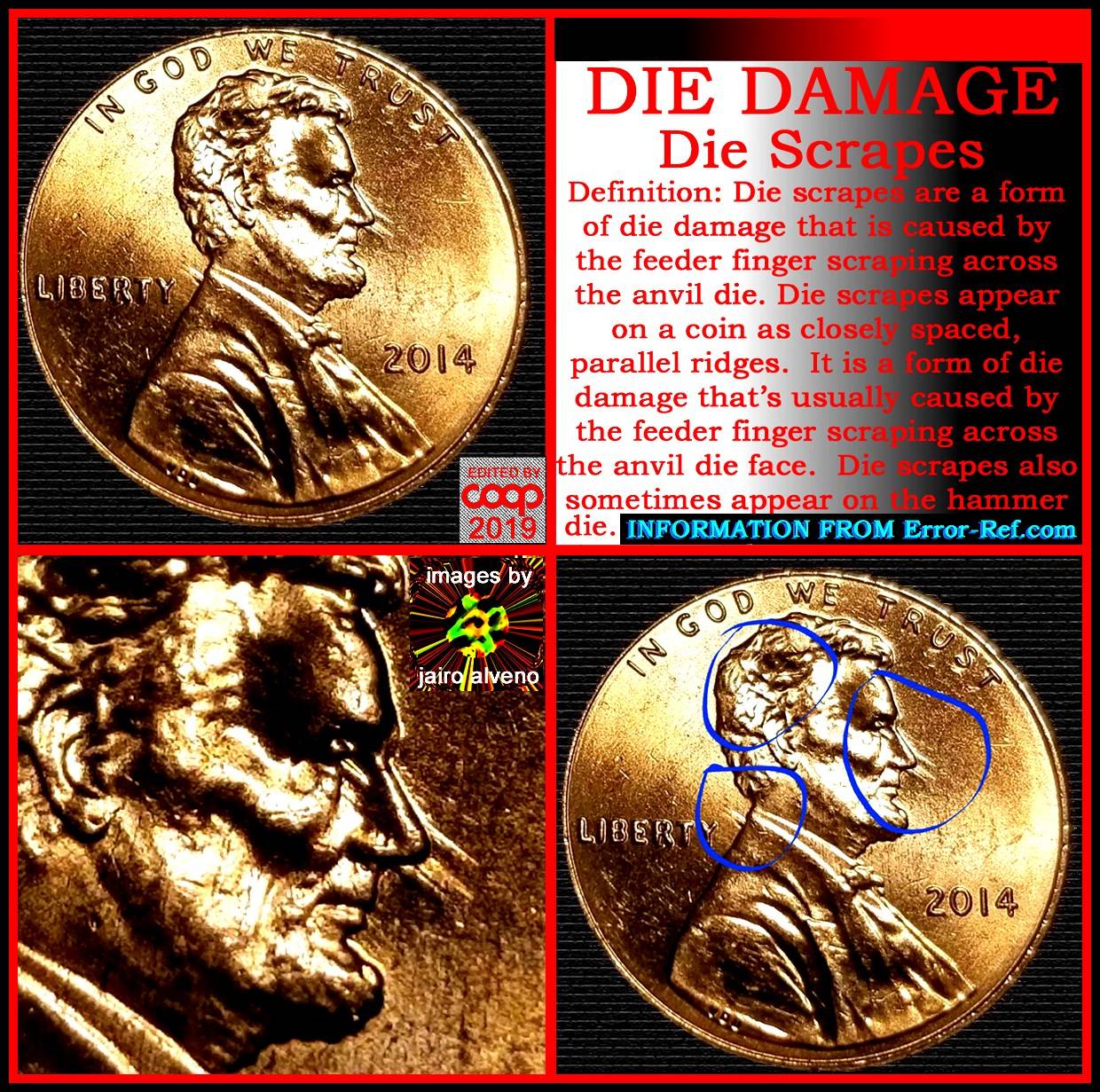
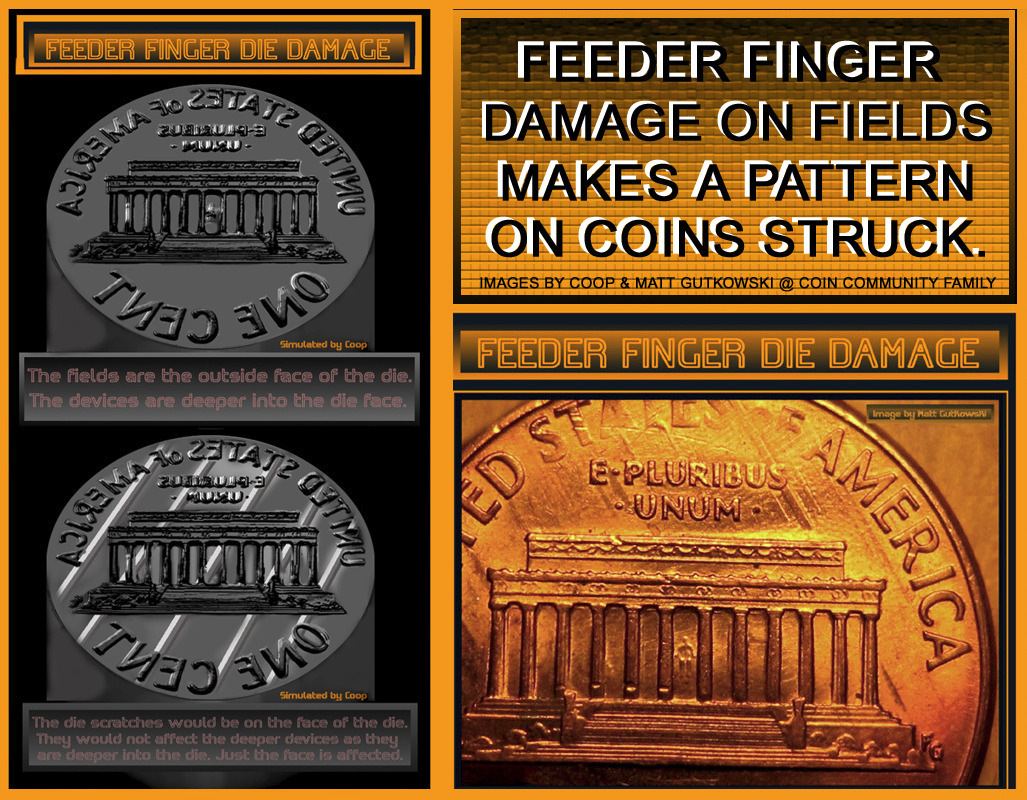
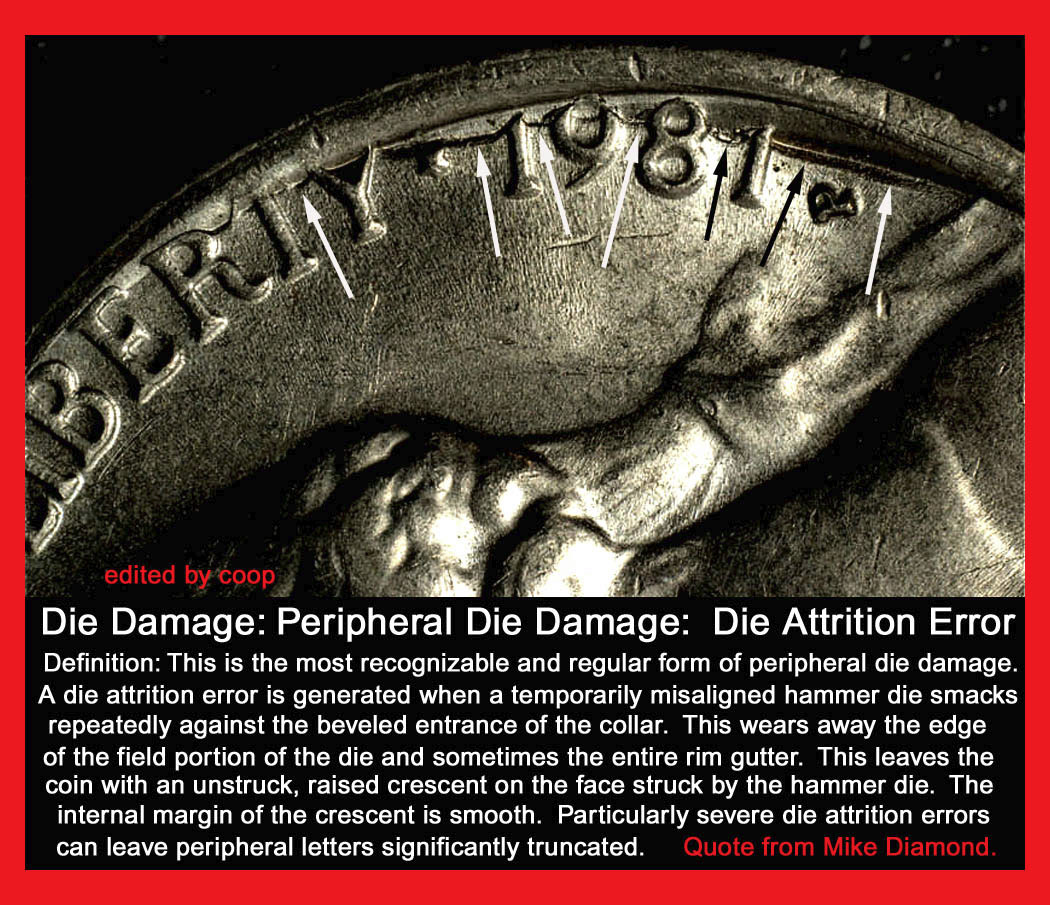
Edited by coop
12/11/2021 12:27 pm
|
|
Pillar of the Community
Canada
3328 Posts |
Thanks coop, explains it well.
|
|
Page 2 of 2
|
Replies: 19 / Views: 3,093 |
Page 2 of 2
|








 First Page

 Posted 12/08/2021 2:59 pm