I think it's all been said. People see what they want to see. As far as an XRF test on this: it wouldn't really be useful information, as the metal source for the "coin" could be anything. You'd have to try to test it against others of the variety, and even that is no guarantee... And John: cast NJ colonials aren't that rare; I sold several contemporary casts to Clem back-in-the-day
Wow, you really are good Peter! I would think one would need to see an example in hand to be totally sure; I actually have all 3 in hand I was told you stated as cast fakes and will take my time going through them. I was just giving anyone here the opportunity to ask for anything specific about them from this discussion.
Clem became good friends with my wife and I through coin conventions, especially the Dayton EAC she and I chaired; really miss him and would have loved to see the ones you sold him as contemporaries.
I worked in a coin, etc. store in Beverly MA when Clem worked for Parker Bros., waaaaay back when. Two coins that stand out sold to Clem (he did buy from me MM's with strange, nubbed edges) were a bright yellow 53-j NJ (for $125.00!!), and a holed 56-n NJ o/s on a double-struck CT. Those should be recognizable.
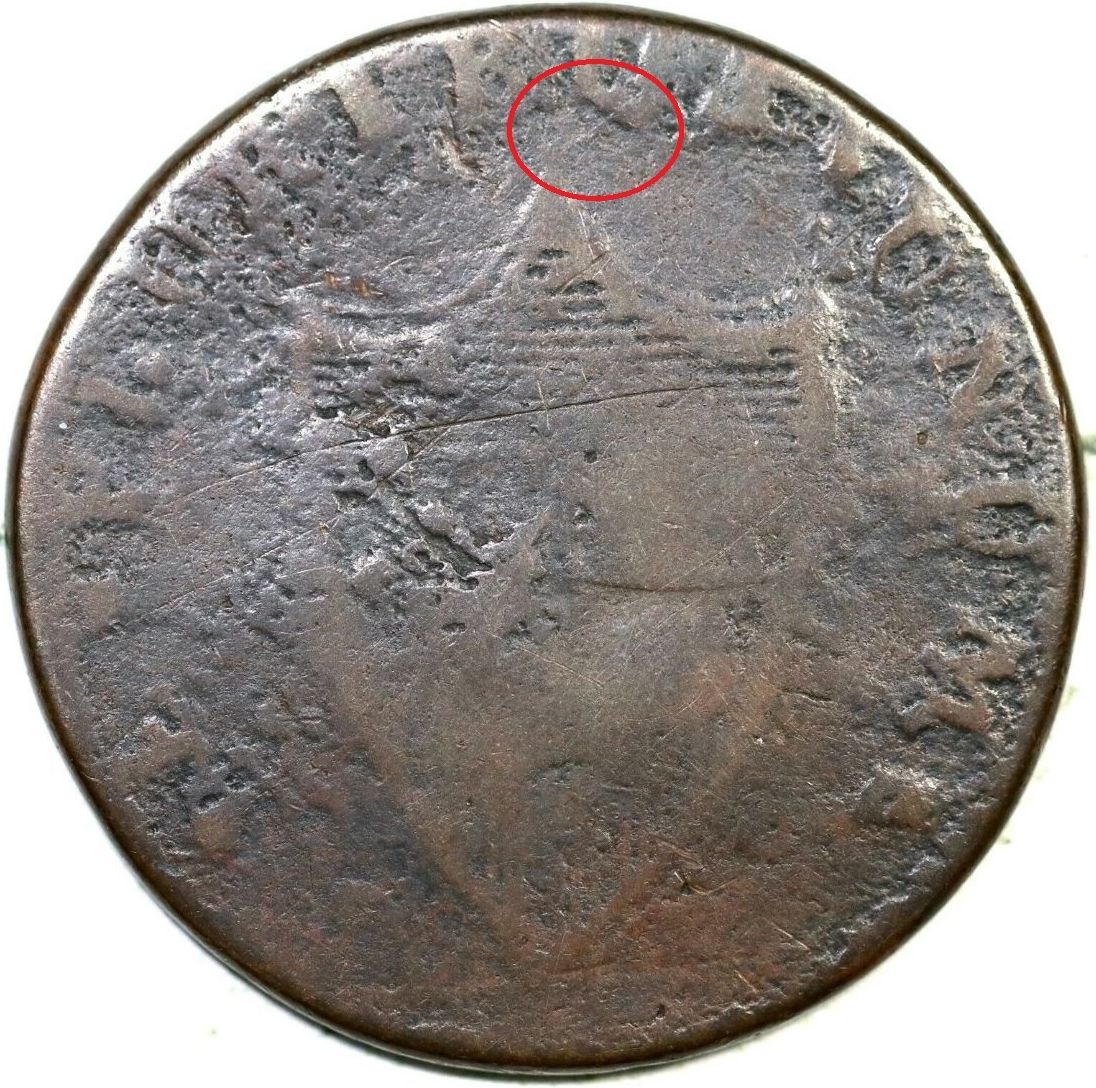
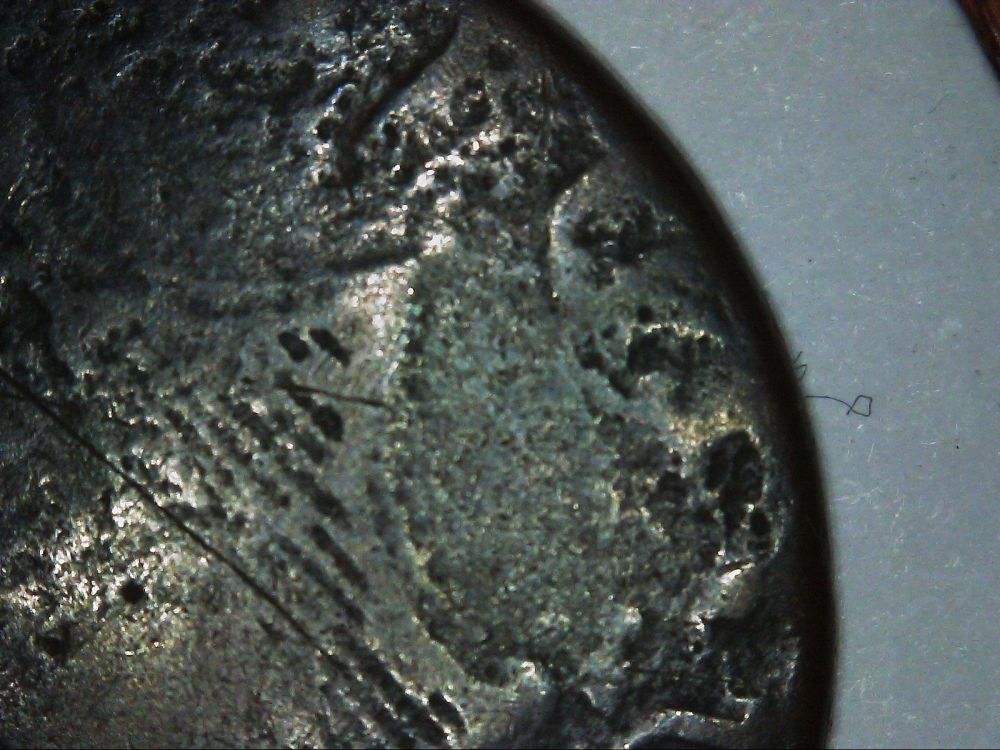
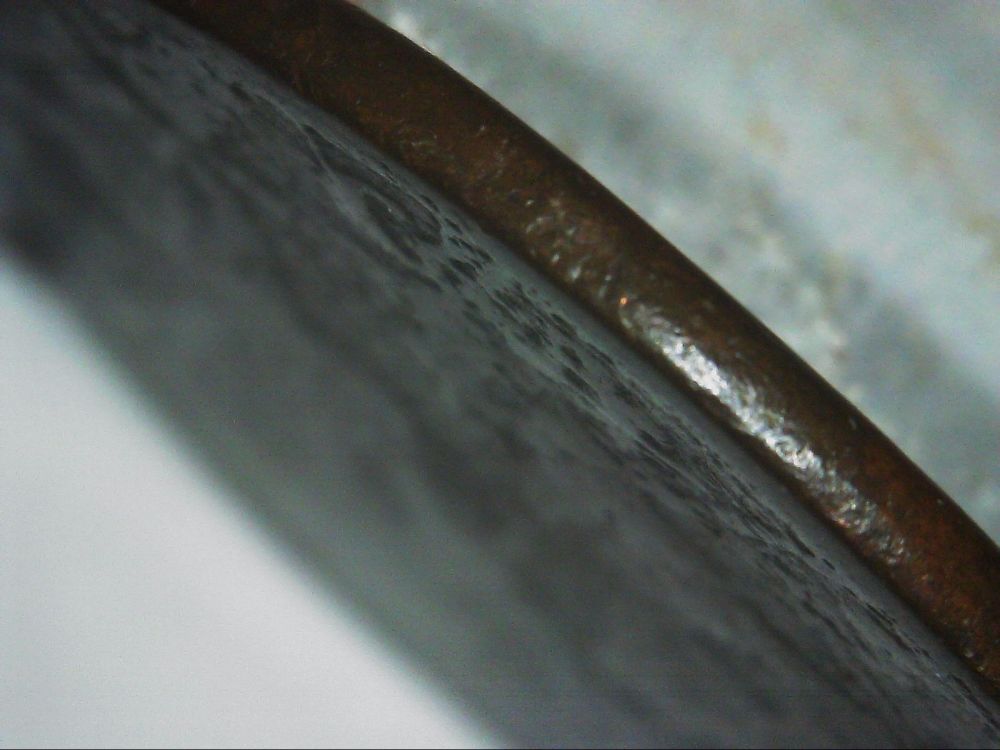
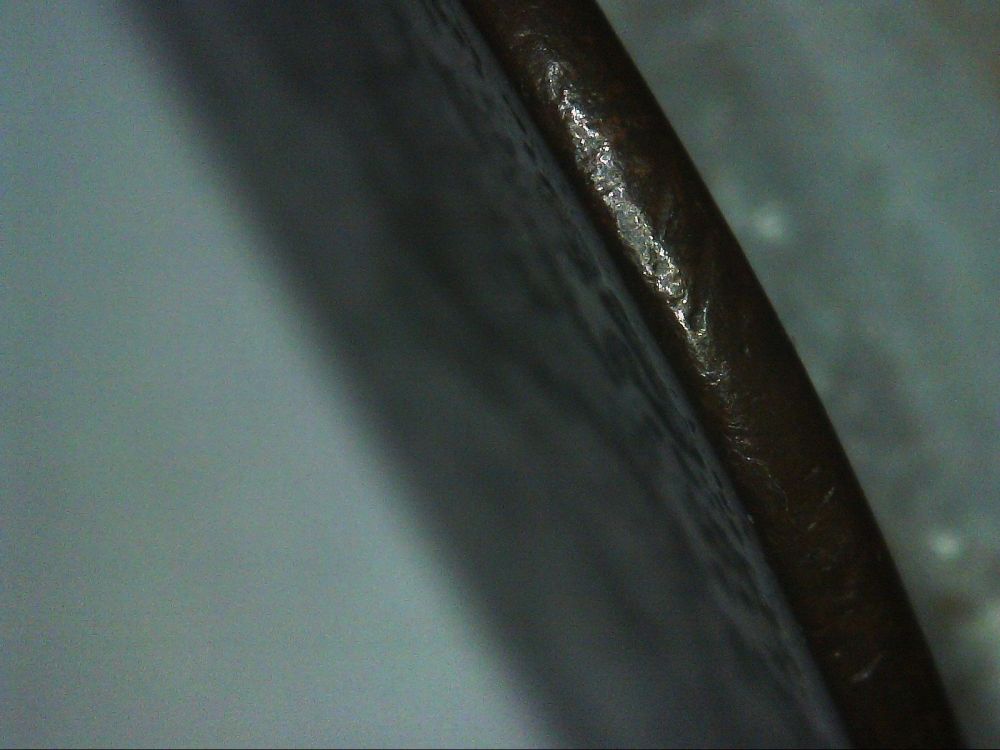
As far as the "68-w" et al are concerned, I didn't see any obvious signs of circulation on them. Their 'sameness' seems apparent. The 68 stands out, because it is an impossibly-struck coin for the variety. It was not struck by dies. The variety just doesn't look like that, and the dies' states don't exist. That little bell rings signifying Possible Counterfeit Alert...
Perhaps this can help add a little bit to the discussion here.
Here's an old half penny token from the Quebec Bank minted in 1852. Although this was minted much later than 1787, the porous surface of the coin looks similar to the surface on the original NJ piece on the first page. The reason why I put this here is because this token isn't exactly rare or highly valued. Of all the coins to counterfeit, I doubt a criminal would dedicate their resources to counterfeiting this particular token. Maybe something else is up?
I watched this video here a while back that talks about patina and toning on ancient bronze coins:
IEWacCLJFx0
Towards the end of the video, the guy mentions that the surface of many bronze/copper coins can mineralize after being exposed for some time to the environment. I don't quite understand the chemistry behind it, but essentially the chemical content of the coins outer surface changes. This might be related to bronze disease (that nasty blue color that we see engulfing some copper coins that once it starts, it doesn't go away but spreads). If the coin is cleaned and the outer mineralized layer is removed, the details on the coin are also removed, leaving behind a "pitted" surface (sort of like a person's face after surviving small pox). Maybe this is what happened to the colonial piece? 1787 is a long time ago, and the coin itself may have contracted a serious case of bronze disease, or developed the condition many times, and therefore it was cleaned many until its present state? Each time it was cleaned, it lost details on its surface, which is why it looks so "pitted." New Jersey can also have a humid climate during certain parts of the year, which can maybe cause bronze to corrode or tarnish over time? Factor in the fact that that piece has been exposed to such a climate for 100-150 years, and thus you have a bronze coin that has been damaged by the environment?
The "thing" about the 68-w in question is that it is in a die state that doesn't exist, and wasn't struck. I don't think that it circulated. One thing to remember about contemporary counterfeits, is that those coins familiar to the public (1775 British. 1/2d's come to mind, and many were produced with that date in the 1790's) were targets. That said, I'd say that the 1852 Quebec Half Penny looks brassy on the rubbed high point, and the denticles are poorly defined (they weren't struck like that-crisp separation is the norm). I'd pass as a Genuine example, but would like it as a Cast
I'll leave this: Years ago, at the advent of Encapsulated Certification, a firm which I worked for had a Birch Cent in a **** slab, graded VF25. It was kind of white and porous I thought, but **** said it was OK, so... except for that a hugely-considered expert (going back to Lester Merkin days) of Colonial/Early US coinage said it was NG. I had the opportunity to see him at a show, and asked him. What he said then still resonates with me today: "I don't give a (darn) what anyone says. The coin is No Good. Look at it." and with that the discussion ended. He knew, and if he said something, you could take that to the bank. Obviously, I am not in that category, but I look.
Burfle23: just to help, but if that lightning-bolt type of thing coming from the top center point of the shield to the U2 (PLURIBUS) is a "diebreak" and not a scratch, then you have your answer
Cast Copper and Brass coins can ring, and very well at that. Silver-plated Lead coins don't. That test probably wouldn't confirm or deny the 68-w, but is appreciated
Disclaimer: While a tremendous amount of effort goes into ensuring the accuracy of the information contained in this site, Coin Community assumes no liability for errors. Copyright 2005 - 2026 Coin Community Family- all rights reserved worldwide. Use of any images or content on this website without prior written permission of Coin Community or the original lender is strictly prohibited. Contact Us | Advertise Here | Privacy Policy / Terms of Use





 First Page
 Previous Page


 Posted 03/28/2023 10:25 pm