| Author |
 Replies: 23 / Views: 2,769 Replies: 23 / Views: 2,769 |
Page 2 of 2
|
|
|
|
Pillar of the Community
 United States
607 Posts |
I will get that information to you as soon as I can. Ty!!!
|
|
Pillar of the Community
 United States
9021 Posts |
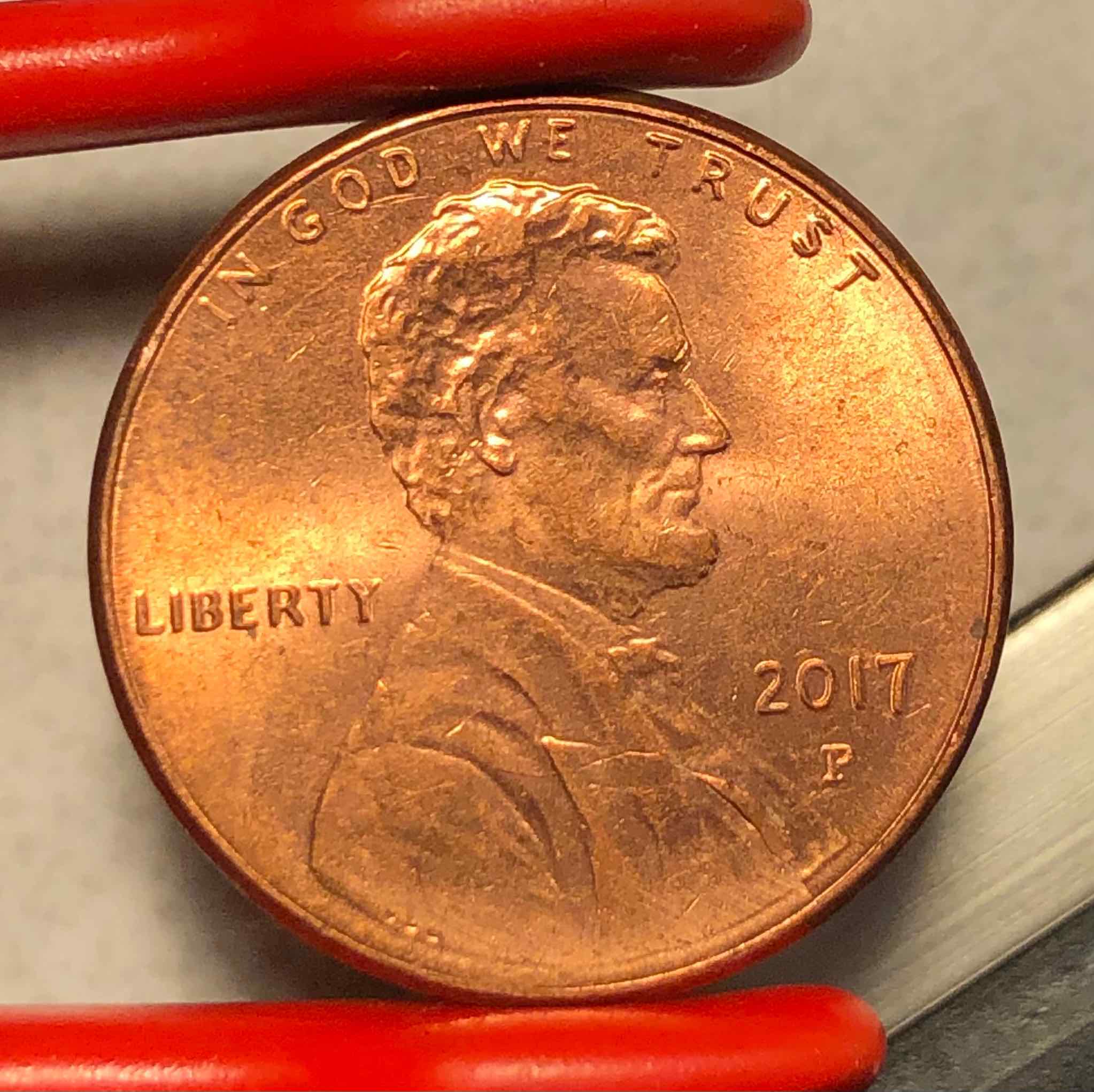
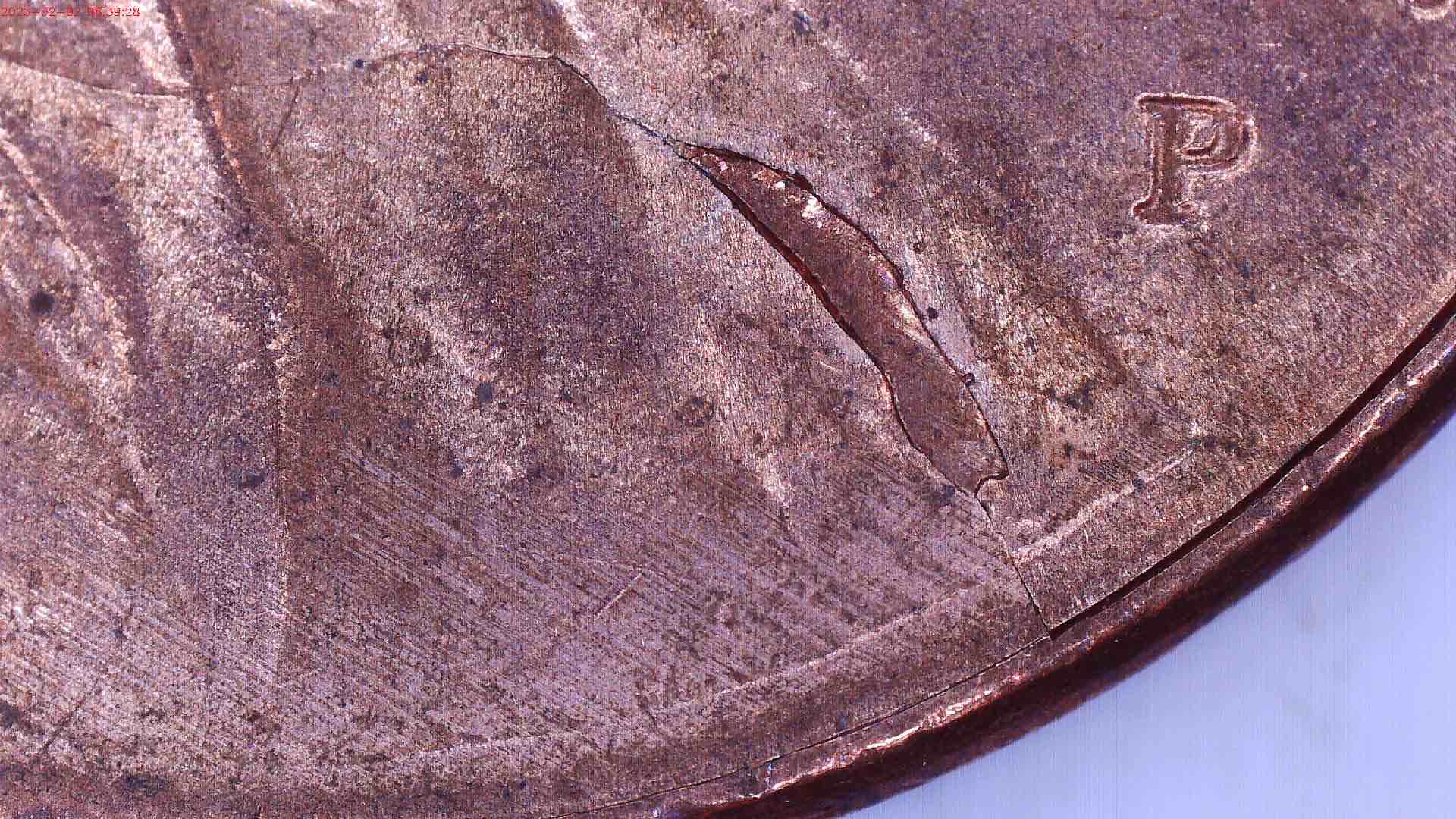
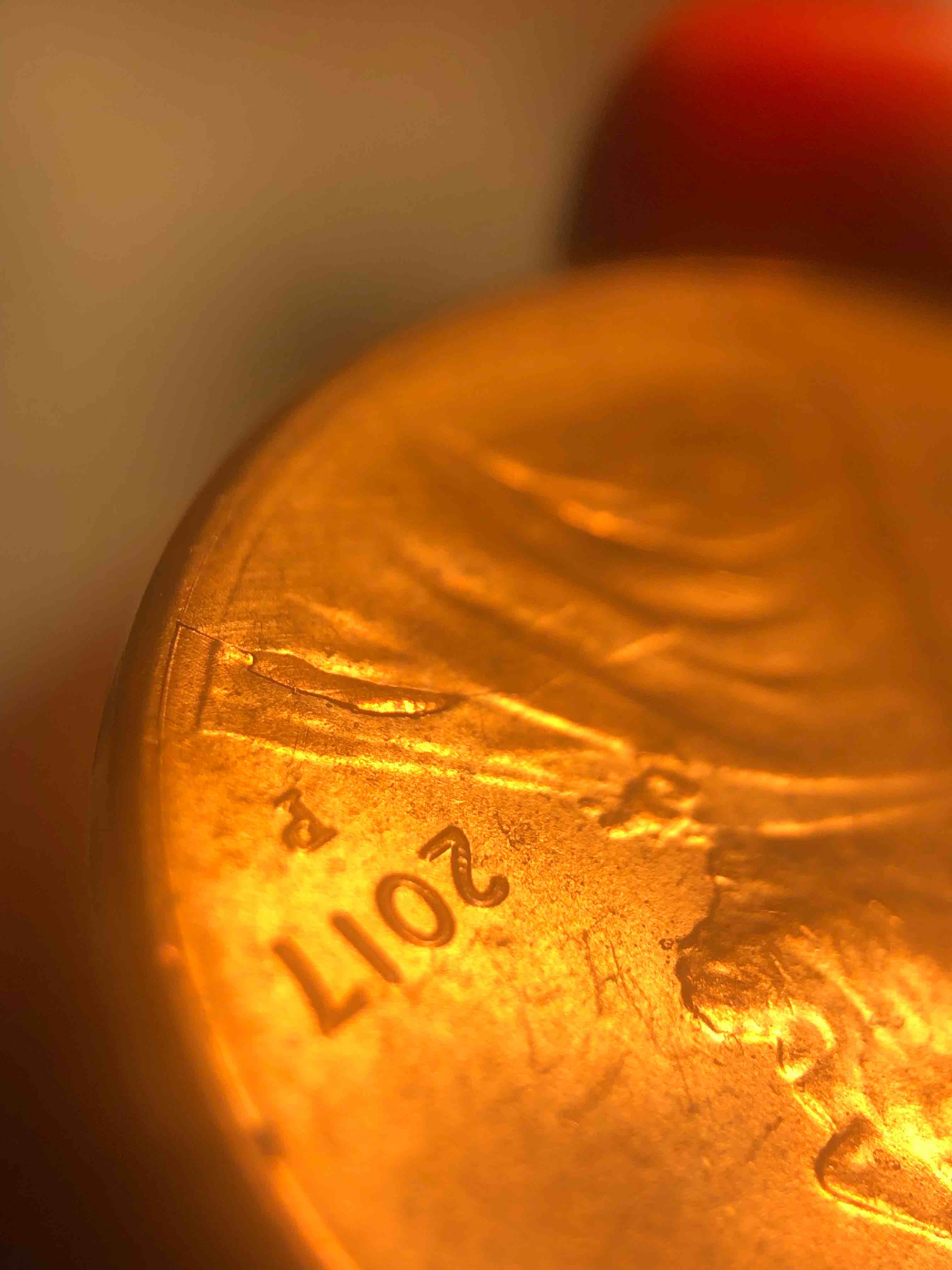
datadragon, if the OP's coin and the listed coin, on COC (DC-1c-2017P-02), are in fact the same die, which I would find it hard to believe they are not, the OP's is definitely a later stage. You can easily see that the OP's "die chip" is longer and would have to be a later stage. I believe that Dearborn was referring to the fact that the die crack did not complete it's journey through the bust, back to the rim, which would have made it a pre-cud. JC, on COC, made changes a couple of years ago to the size a die chip had to be, in order for it to be considered an IDB but thought it odd that this is only considered a "die chip", I would have thought it would be large enough. Side by side pics below. 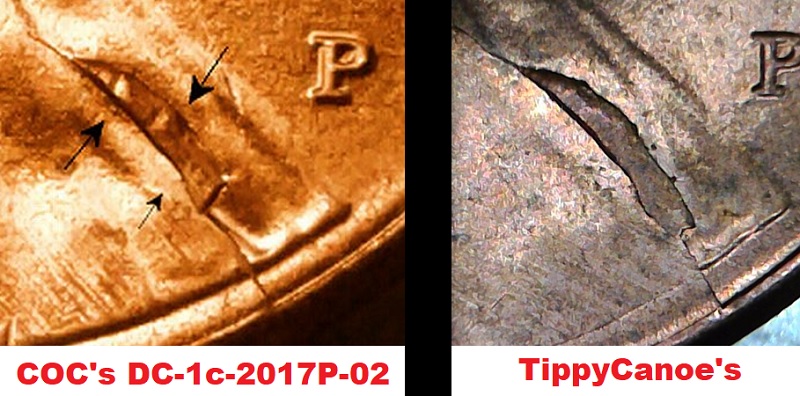 -makecents-
|
|
Pillar of the Community
United States
607 Posts |
The weight is 2.47 grams and the coin does not rock on either side when placed on a flat surface.
|
|
Pillar of the Community
United States
1648 Posts |
The below text from Cuds-on-Coins gives their information on the difference they use between a die chip and an interior die break. So using the actual size below might help to determine which it is if we are going by cuds-on-coins as the reference site, but yes it is interesting (depending on the actual size) that the similar coin on Cuds is listed as die chip only (starts with DC) unless its an error, and certainly in appearance differs from your typical die chip and is attached to die cracks. In the side by side image on this coin it appears longer as well. The prior error-ref link I added and here in this link as well below both mentioned that when none of the cracks reach the rim, the island of metal they radiate from is considered a freestanding retained interior die break not IDB so again just posting the info and try to apply it to this coin. Mike Diamond is here in this thread also so I'll just sit back and see what others have to say  Cuds-On-Coins: Since voids left in the die face by natural fractures span an unbroken size continuum, there is no clear boundary between a "die chip" and an "interior die break". Any void encompassing an area of 4 square millimeters or more qualifies as an interior die break. Any void that covers less than 1 square millimeter is a die chip. In between is a gray area. Die chips are commonly encountered in all denominations. In Lincoln cents they include "BIE" errors, "plugged" 5's and 9's, and "bugs in the wheat ear". https://cuds-on-coins.com/retained-...-die-breaks/Edited by datadragon
01/03/2023 9:22 pm
|
|
Pillar of the Community
United States
9021 Posts |
Data, the only reason I posted what I did, was because of your reference to the die state, nothing more. Mike Diamond has forgotten more than I'll know in ten lifetimes and had nothing to do with what he will say.
-makecents-
|
|
Valued Member
United States
426 Posts |
Quote:
Also, see if the coin rocks when placed on either face. I ended up acquiring this coin from the OP. And thought that the same thought's read in the discussion from others. I would like to say that the coin indeed does rock slightly more so when the reverse is facing up and you touch the bottom of the reverse. Edited by gorham_collector
02/02/2023 10:34 pm
|
|
Pillar of the Community
Canada
6244 Posts |
Make: The COC and the OP is not same Die. What maze me it is I can not see full pic of the coin. For plated coins we do not have this. I suppose the blank before plating was crack. Could happened. But the crack during the plating will be the first one to achieve the Cu ions, so no more crack. On the strike will not crack again. I agree with the evolution almost similar, but why crack of the plating?
Crack plating after strike it is assimilate on the torsions or extra contrary forces apply.
Edited by silviosi
02/02/2023 10:25 pm
|
|
Valued Member
United States
426 Posts |
Edited by gorham_collector
02/02/2023 11:04 pm
|
|
Pillar of the Community
Canada
6244 Posts |
Now I see and I can say it is a struck crack. the signs are there. I will agree also a old Die but do not change nothing.
For new coins technology I simply not see a coin been struck as is. North week strike on both side. I do not catch why the press do not stop after first unbalanced strike? This coin is more then the crack or what you can say, it is an production clear default..
I know many will look at the grease strike? . Sorry no more grease, It is liquid as the water. This it is unbalance Hammer. Unknow for me how could happened, because a press is suppose to stop if it is more then 1 Deg un-balanced forces?.
IMOH it is an Mint forced error.
To be followed.
Edited by silviosi
02/03/2023 03:27 am
|
|
Valued Member
United States
426 Posts |
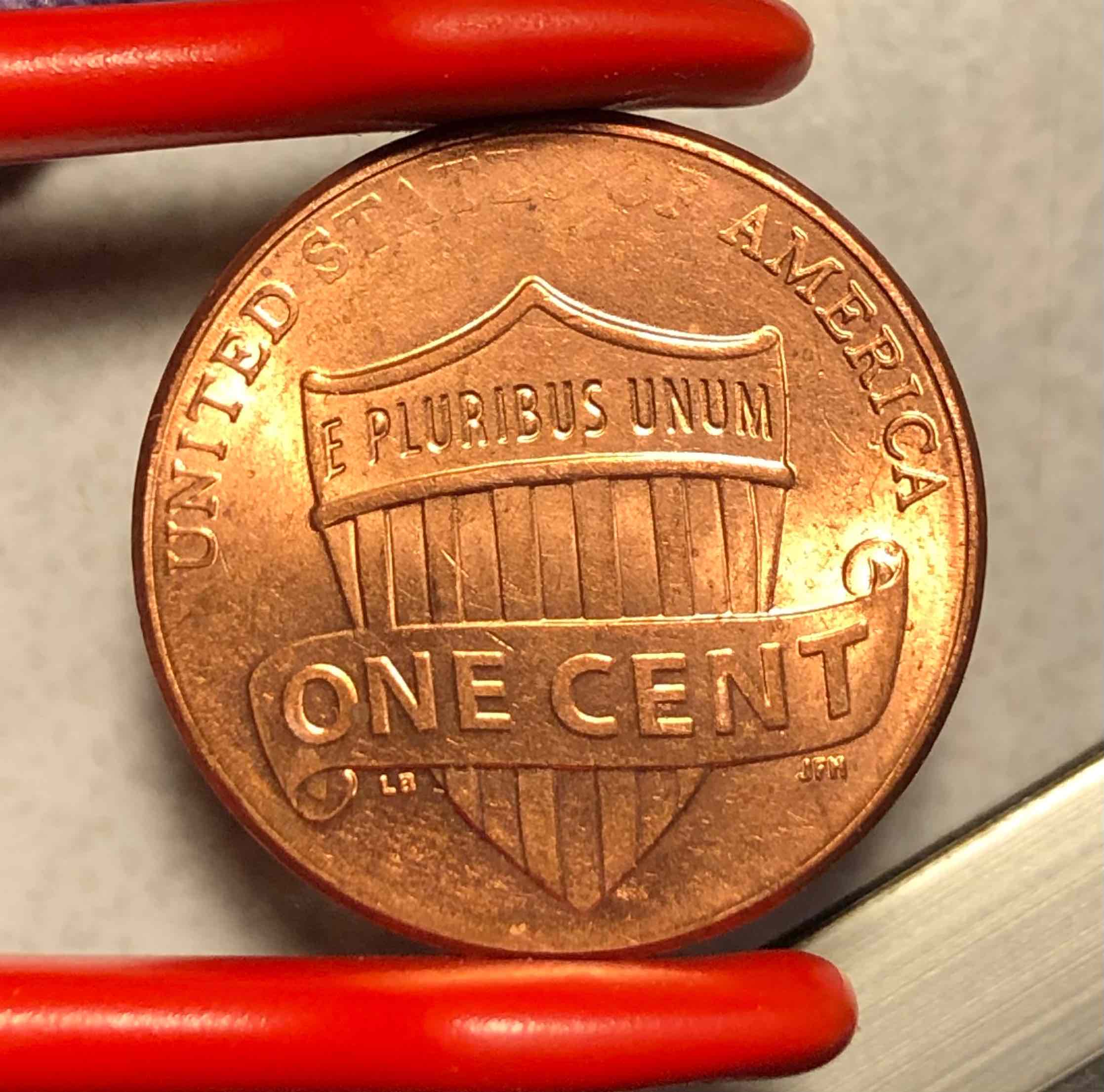
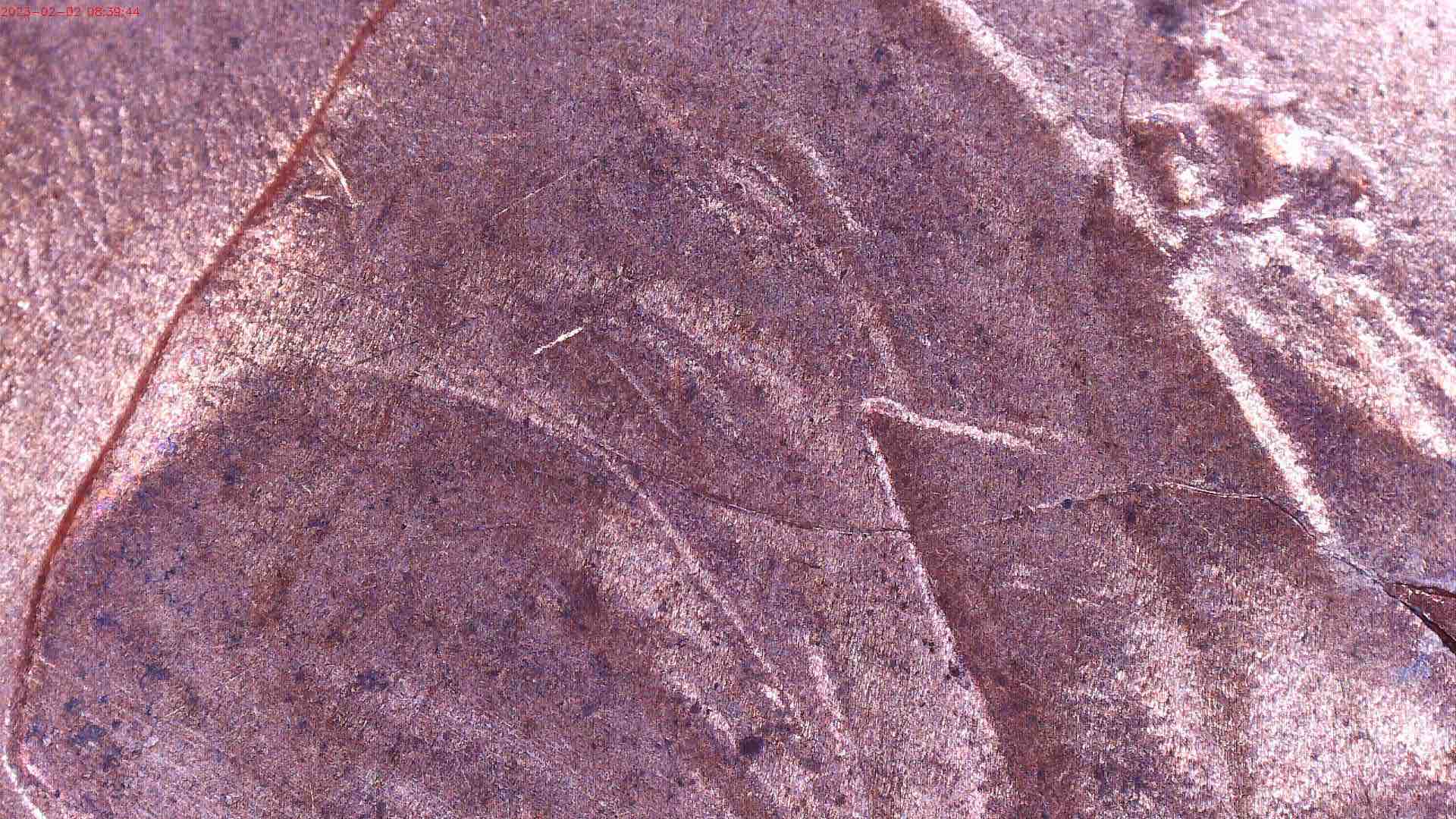
Yea I'd agree I don't think it could be a bi facial grease strike as the obverse where the die break occurs on the reverse the weakness occurs in that exact same spot lines up with the crack. And the weakness keeps going till the coin is flush and struck. And that also matches up on the reverse as well. To perfect
|
|
Pillar of the Community
United States
2376 Posts |
I still think there was horizontal movement of the obverse die where the crack came out of the die. Technically, it's not a sunken die issue, but movement of the obverse die face, which caused the weak strike of the opposing area on the reverse.
|
|
Valued Member
United States
426 Posts |
Quote:
. I still think there was horizontal movement of the obverse die where the crack came out of the die. Technically, it's not a sunken die issue, but movement of the obverse die face, which caused the weak strike of the opposing area on the reverse. I emailed images off to JC Stevens and he said it was later stage of the die chip listing. And that he'd list it as a RIDB Retained Interior Die Break. He stated he also seen horizontal movement as well on the obverse. Edited by gorham_collector
02/03/2023 12:31 pm
|
|
Pillar of the Community
United States
9021 Posts |
Nice pics, Gorham!
-makecents-
|
|
Valued Member
United States
426 Posts |
Quote:
. Bifacial, unipolar design weakness can have a number of causes Can a retained interior die break also cause the weakness mike? As there is some horizontal movement in the die break here it is slight. Also the coin does rock slightly obverse facing down. Curious of your thoughts I've been trying to research and look at RIDB to see if it can cause weakness on a coin on the same area obverse and reverse.. |
|
Valued Member
United States
426 Posts |
Update it has been listed on cudoncoins as RIDB 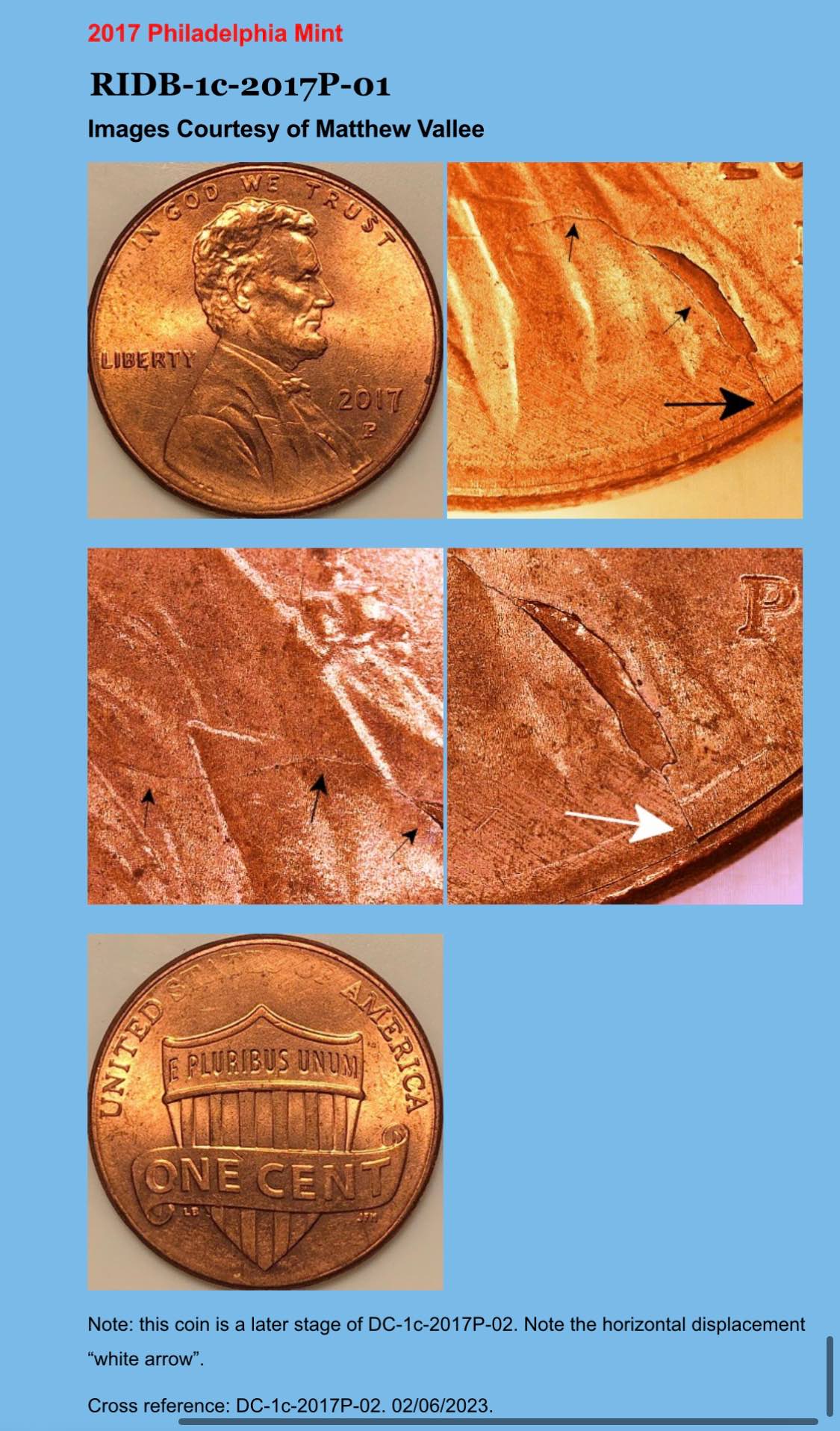 |
|
Page 2 of 2
|
Replies: 23 / Views: 2,769 |
Page 2 of 2
|








 First Page

 Posted 01/03/2023 7:17 pm