| Author |
 Replies: 23 / Views: 1,294 Replies: 23 / Views: 1,294 |
Page 2 of 2
|
|
|
|
Valued Member
 United States
197 Posts |
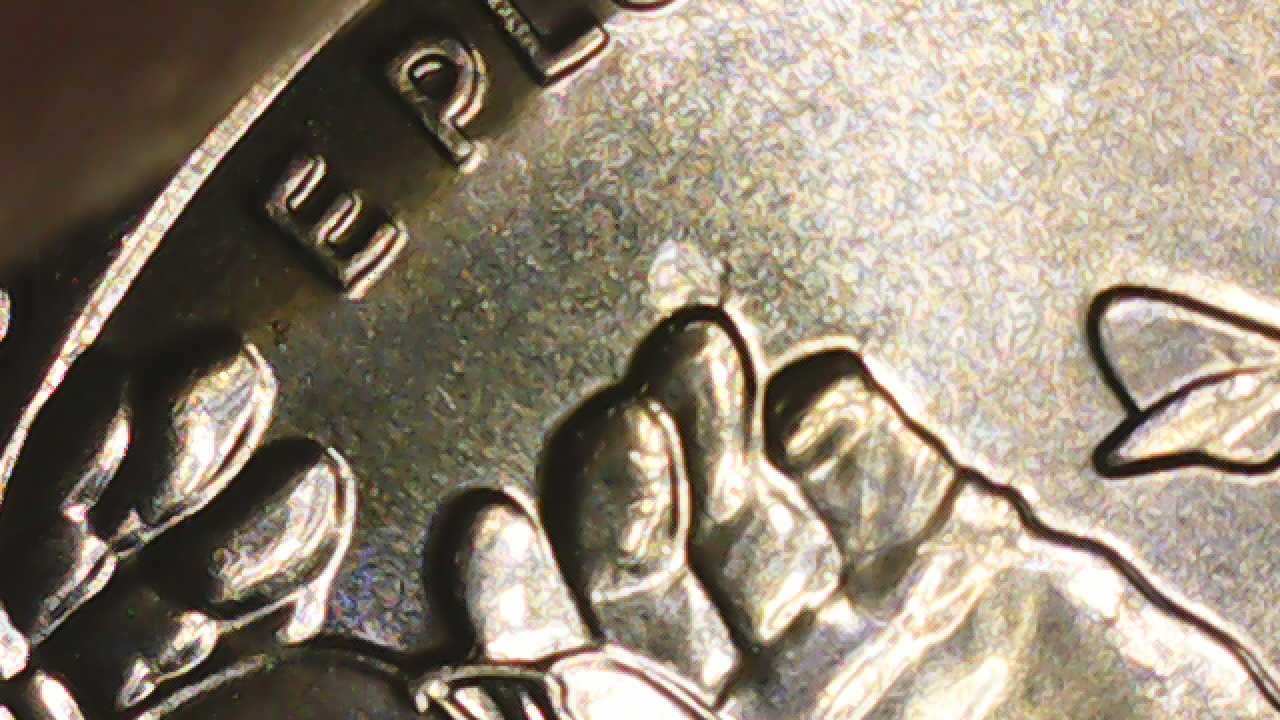
I will do my best, but must admit that I am not tech savvy and the SIM (?) card on my scope has never worked. So, I may not get back to you on this for a little while. Like you, I am intrigued. The blemish is small, but is in proportion to the ring finger of Bessie's hand. I know its most likely nothing.... another spitting horse! Thanks again for the help.
|
|
Moderator
 United States
107820 Posts |
do you have a computer or laptop? I have a Tomlov scope too, and I connect it to my PC via USB cable, then I start the 'Camera' app and use that to save images. Edited by Dearborn
05/30/2023 6:56 pm
|
|
Valued Member
Canada
333 Posts |
Love the title « Bessie is Engaged » lol!!!
|
|
Valued Member
United States
197 Posts |
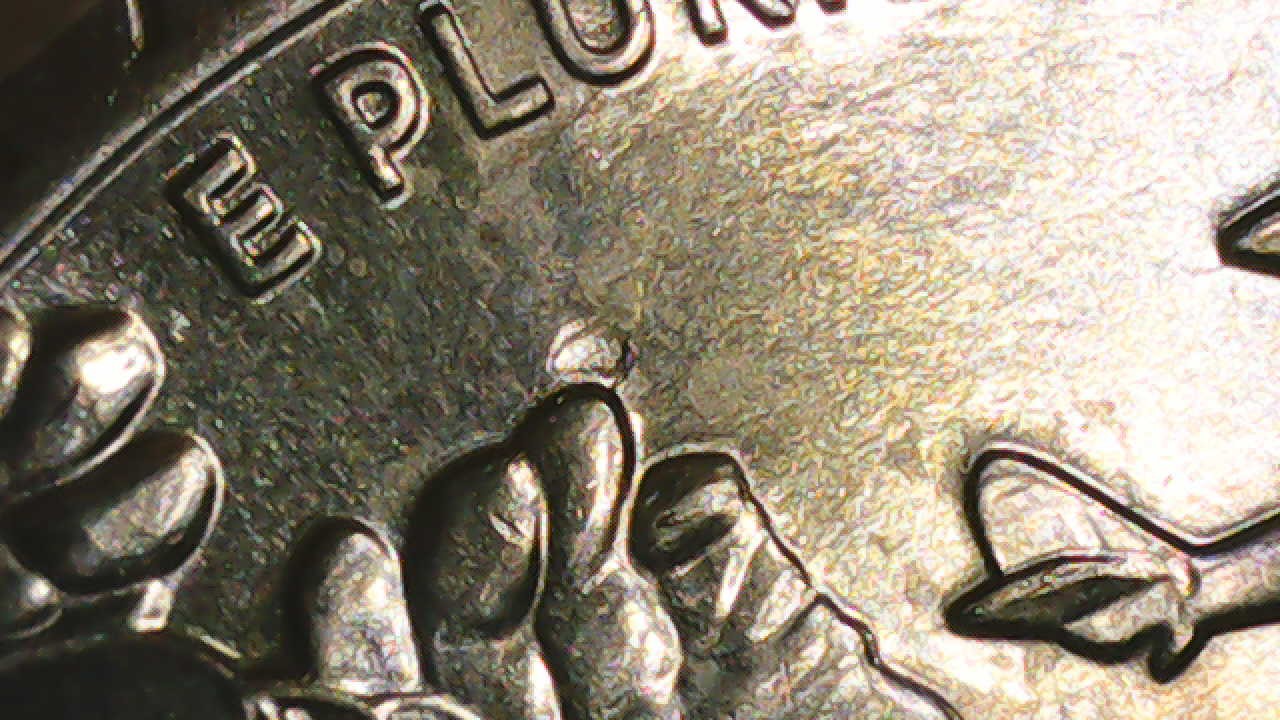
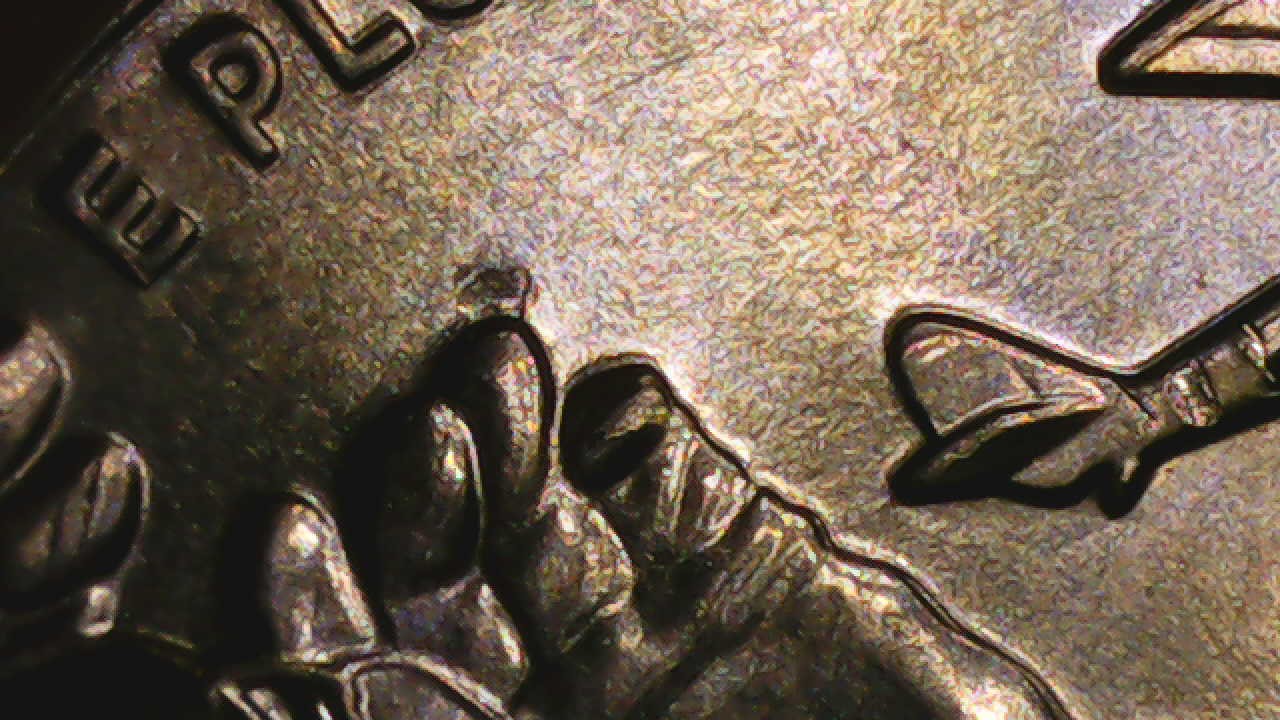
Per your instructions I connected my Tomlov scope to my PC and took the attached photos while tilting the coin. It is my belief the blemish is incuse. 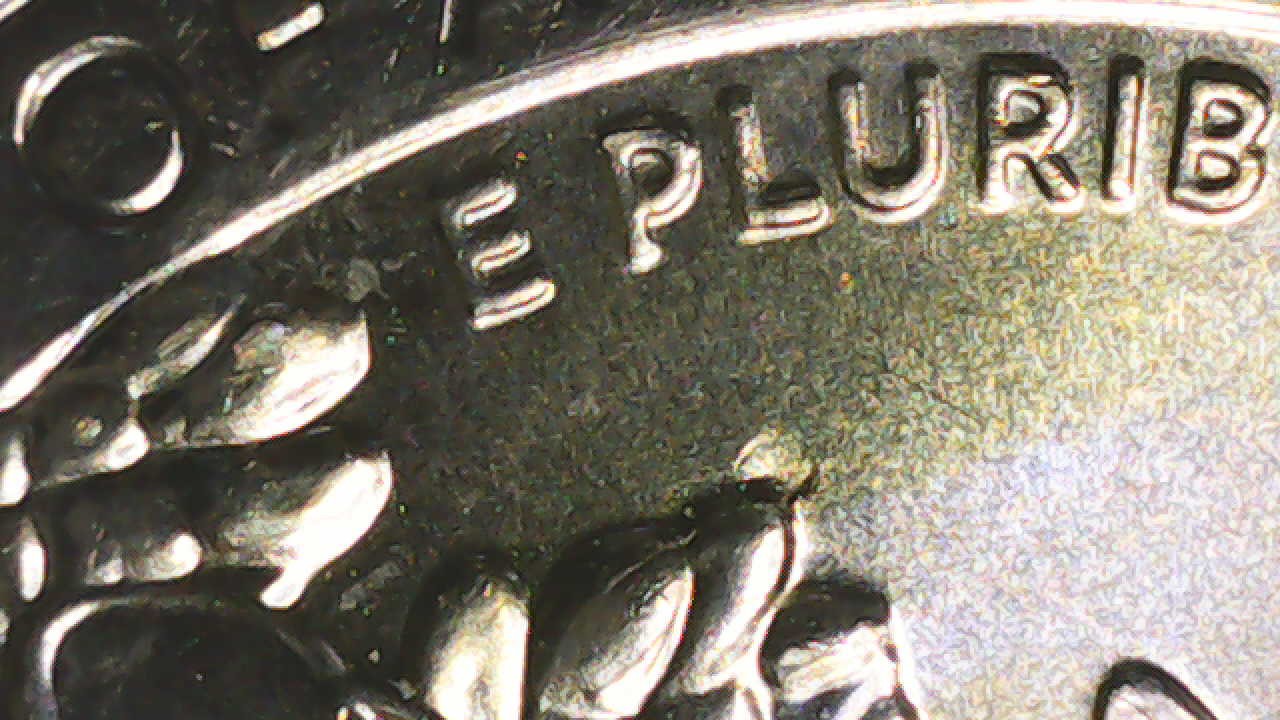 |
|
Moderator
United States
107820 Posts |
I'm glad it worked for you. Great image. I'll have to say that it looks like a strike through, maybe grease.
Thanks for the follow up.
|
|
Valued Member
United States
197 Posts |
You're welcome. I also think it must be a strike through, but not sure how a strike thru of an object could repeat it self in the same place over and over without being shifted. Could the die have had a raised rough edge to the design that, after several hits, broke away?
|
|
Moderator
United States
196278 Posts |
Quote:Per your instructions I connected my Tomlov scope to my PC and took the attached photos while tilting the coin. Well done! That is a great demonstration of how well the scope can image a coin.  |
|
Moderator
United States
107820 Posts |
Quote:
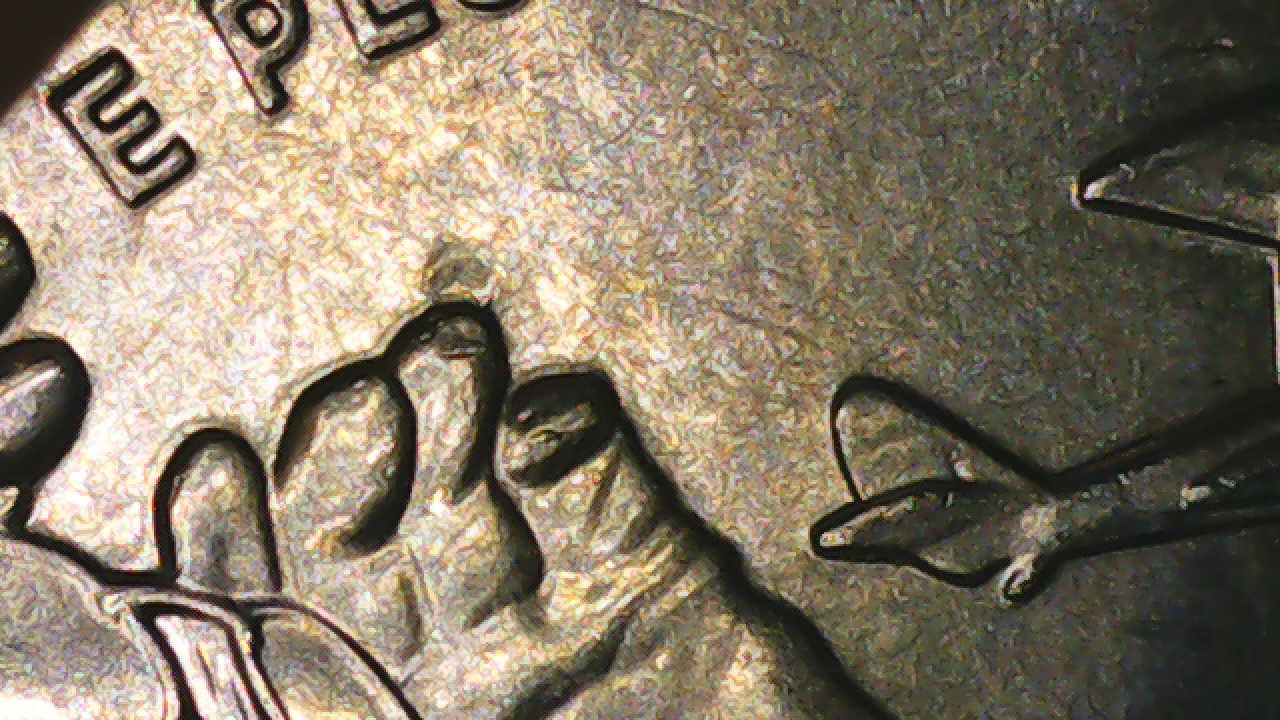
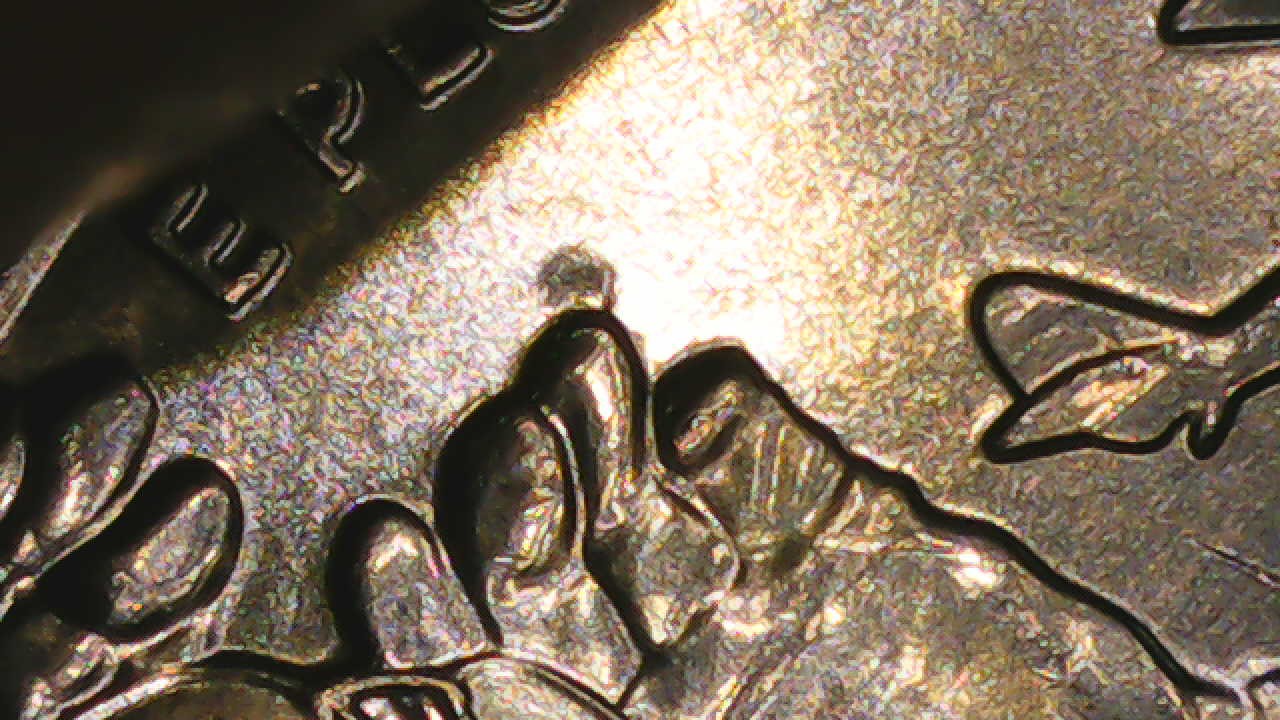
but not sure how a strike thru of an object could repeat it self in the same place over and over without being shifted. Could the die have had a raised rough edge to the design that, after several hits, broke away? that is a great question. Can you now get a few images of the other coins and post them here the same way you did the last one? I want to see if there are very subtle changes we didn't see on your earlier images. |
|
Valued Member
United States
197 Posts |
|
|
Moderator
United States
107820 Posts |
Well I'm seeing a progression with these. So I think this is a lump of hard grease that was on the die and it changed slightly with each strike. I think you have some nice quarters that show a sequence of strikes. Next thing to do is try to put them in the proper order.
|
|
Valued Member
United States
197 Posts |
I will do my best on that, but what will it show? And, what should I do with such a series of coins? Do these coins fall into a category? And should I have one or all validated by a third party? At best these are MS67 or less.
|
|
Moderator
United States
107820 Posts |
It won't really show anything special - once you figure out the strike order, you can put them into 2x2's and label them in sequence for your collection.
|
|
Valued Member
United States
197 Posts |
By what description would I title this repetitive strike through error on several coins. Are sequential strike throughs of this type a Variety? Or, are varieties only assigned to Double Dies?
|
|
Valued Member
United States
275 Posts |
 Nice close up image! |
|
Moderator
United States
107820 Posts |
Well it is not a variety, a variety is a repeatable event, such as what you mentioned a Doubled die, or an RPM, or something as simple as the 1960 and 1970 large and small dates, or even the 7 different varieties of the 1\982 Lincoln Cent. I would most likely call this a ' Struck Through Grease'. |
|
Page 2 of 2
|
Replies: 23 / Views: 1,294 |
Page 2 of 2
|








 First Page

 Posted 05/30/2023 6:40 pm


 Uncirculated American Silver Eagles