| Author |
 Replies: 17 / Views: 5,243 Replies: 17 / Views: 5,243 |
|
Valued Member
Trinidad And Tobago
89 Posts |
|
|
|
|
Pillar of the Community
United Kingdom
945 Posts |
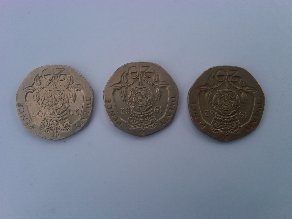
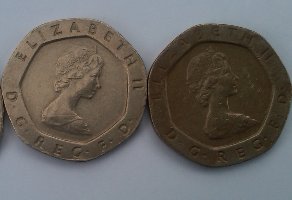
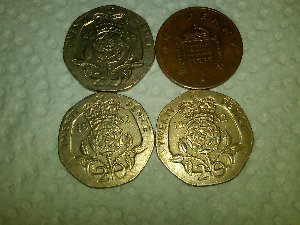
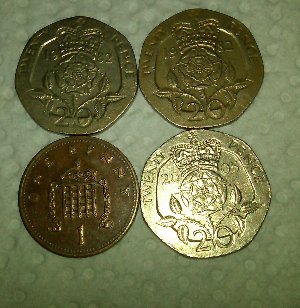
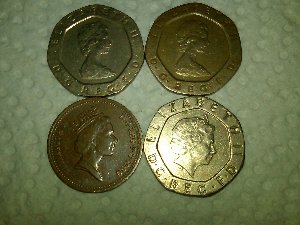
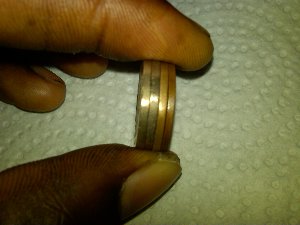
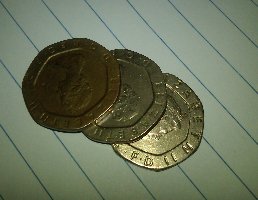
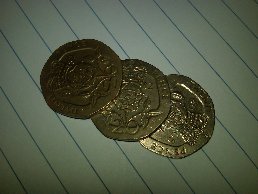
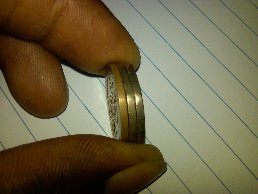
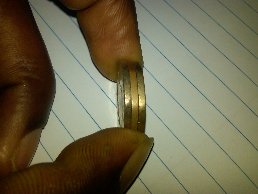
Not sure what the perceived error is - is it the slight difference in colour? Can we see a bigger and clearer picture of the coin in question?
|
|
Bedrock of the Community
Canada
21913 Posts |
Discolouration is not an error, it is caused by some reaction to the metal in the coin.
|
|
Pillar of the Community
United Kingdom
700 Posts |
I think one is circular rather than with angled edges
|
|
Valued Member
 Trinidad And Tobago
89 Posts |
|
|
Pillar of the Community
United Kingdom
945 Posts |
I can't see any difference in the shape, just the discolouration, which looks to be typical for these cupro-nickel coins, particularly if they have spent time in a harsh environment. Surprisingly alkali - particularly ammoniacal - seems to do more damage than acid. Coins dropped in farmyard manure turn this colour very quickly.
|
|
Valued Member
United Kingdom
218 Posts |
Just looks like a corroded/discoloured 20p to me? You can force them to do it by leaving them in a damp environment with bronze coins. (There is an accelerated way of doing it with household items if you're really bored) Quote:
Surprisingly alkali - particularly ammoniacal - seems to do more damage than acid Alkali solutions brown them over really quickly. Salt, white vinegar and aluminium foil in a bowl will 'copper tint' cupro-nickel coins pretty well if you get the balance right. I got bored and got the 'clean some coins' thing out of my system on 10p's one day during the recent slowdowns and noticed the reaction. Not totally relevant but you never know when you'll find yourself that bored.  Edited by Gainn
04/20/2021 2:26 pm
|
|
Valued Member
Trinidad And Tobago
89 Posts |
the coin is real natural color no chemical or any thing like that
Edited by vimsww
04/21/2021 06:31 am
|
|
Valued Member
United Kingdom
218 Posts |
Quote:
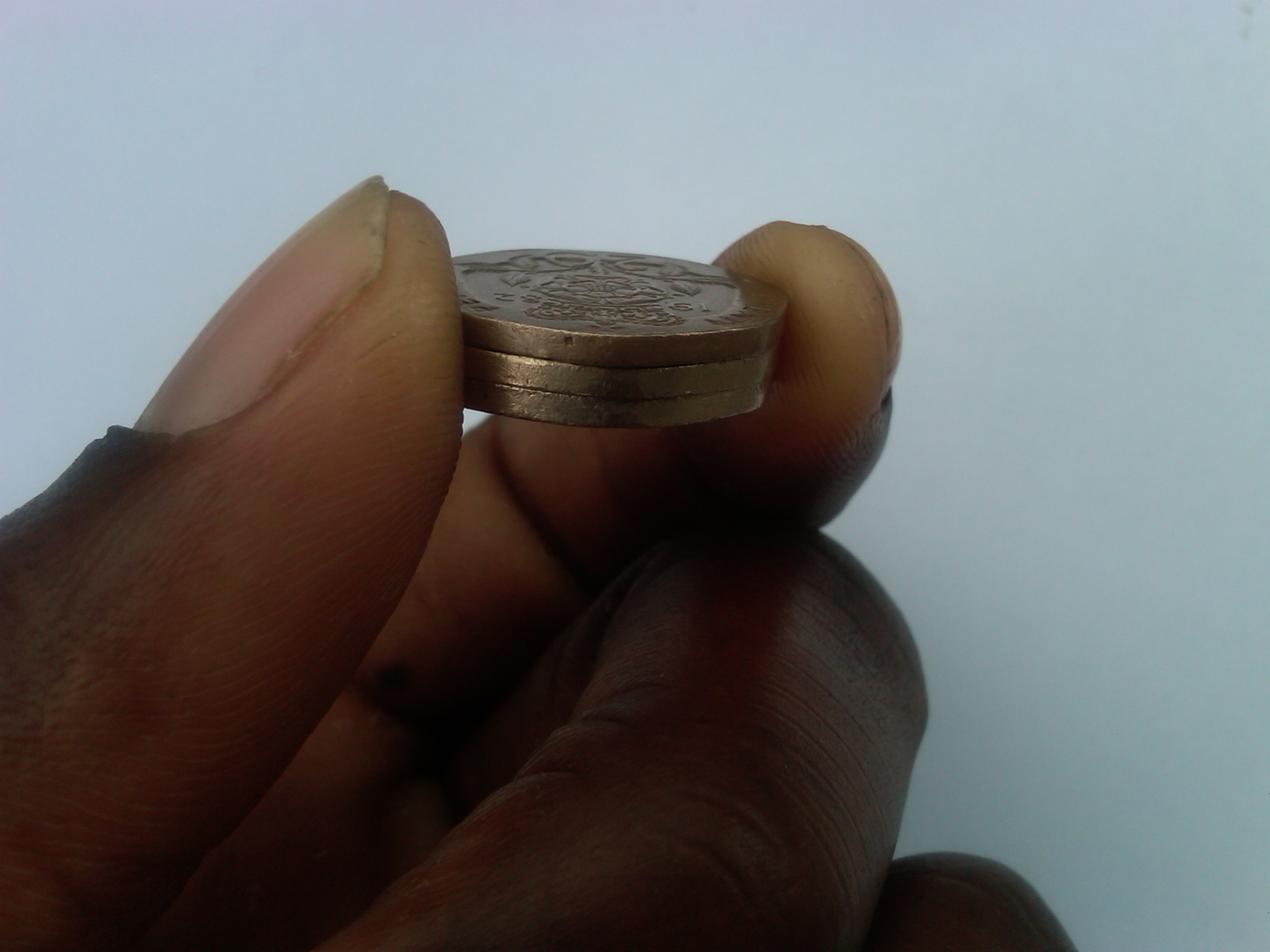
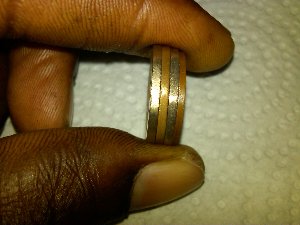
the coin is real natural color no chemical or any thing like that Not suggesting you've deliberately altered it, just pointing out that it can happen if kept under certain conditions. The obverse/reverse photos are not really large or lit well enough to tell anything useful about it, and it doesn't look thin enough to be one of the '1p blank' strikes from the one large pic you uploaded. |
|
Bedrock of the Community
United Kingdom
18912 Posts |
Quote:
Just looks like a corroded/discoloured 20p to me?  Looks like ones I pick up off the beach. Here's a typical 20p found with my metal detector! 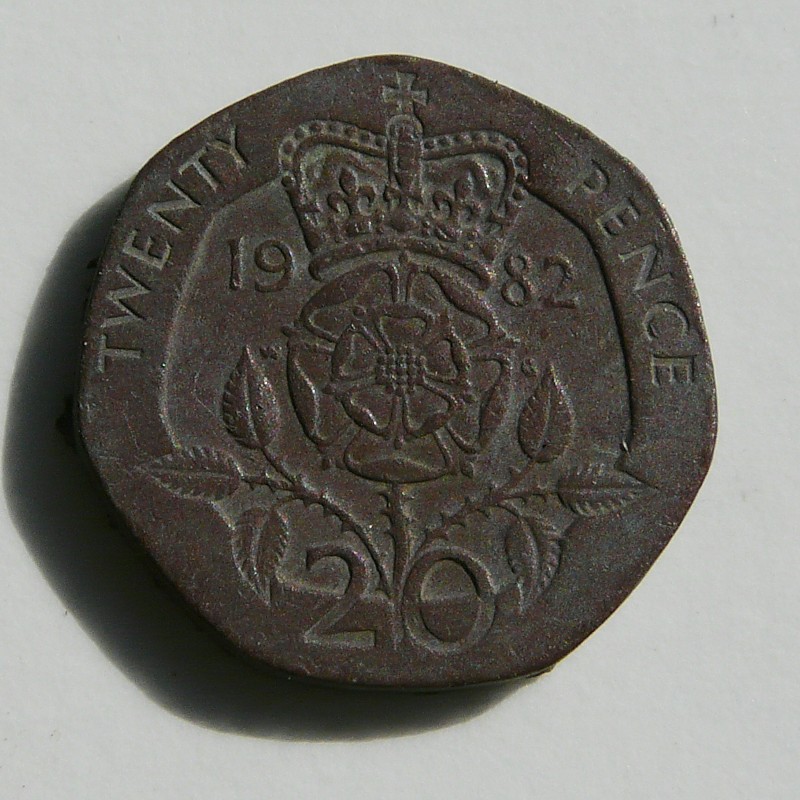 |
|
Valued Member
United Kingdom
218 Posts |
Quote:
Here's a typical 20p found with my metal detector! They look kinda interesting when they've been through some hard times. Might have to bury some in the garden and come back to them in a few years.  Imagine if they'd been made 100 years earlier..  (I'm bored and waiting for a delivery) |
|
Valued Member
Trinidad And Tobago
89 Posts |
the one I have its noting like what you have there
|
|
Valued Member
United Kingdom
218 Posts |
Could you upload some better pics?
It's impossible to tell what you're trying to show without better lighting higher res photos.
|
|
Valued Member
Trinidad And Tobago
89 Posts |
|
|
Valued Member
Trinidad And Tobago
89 Posts |
|
|
Valued Member
United Kingdom
251 Posts |
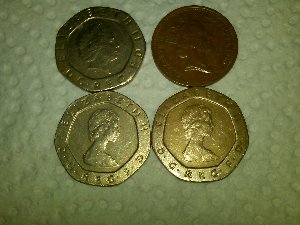
It's been exposed to a harsh environment. I have seen several 20ps with similar discolouration. I am 99.9999% confident that this is not some sort of error. Not all coins that have been in the ground will be like Numisrob's example - the pH of the soil, the length of exposure and the treatment afterwards are all factors that will affect it. It does not look remotely like the colour of the 1p shown, at least to my eyes.
Edited by Collector28
04/24/2021 4:28 pm
|
| |
Replies: 17 / Views: 5,243 |









 Posted 04/20/2021 11:58 am