| Author |
 Replies: 14 / Views: 1,362 Replies: 14 / Views: 1,362 |
|
|
Valued Member
Switzerland
54 Posts |
Way back in 2005 or 2006, just when I was getting started collecting Russian coins, I bought this from a dealer in Geneva at the last "World Money Fair" in Basel, Switzerland who had their table set up there. It was obviously not super-high grade, but at the time I wasn't that ambitious and wanted to have a specimen of this one-year type: 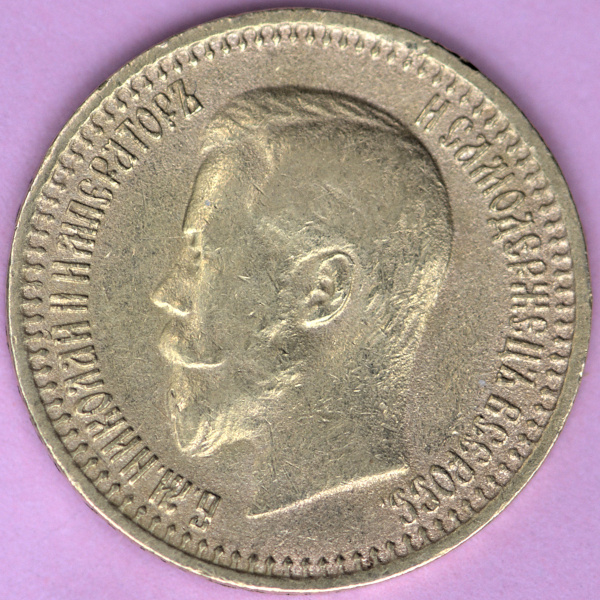 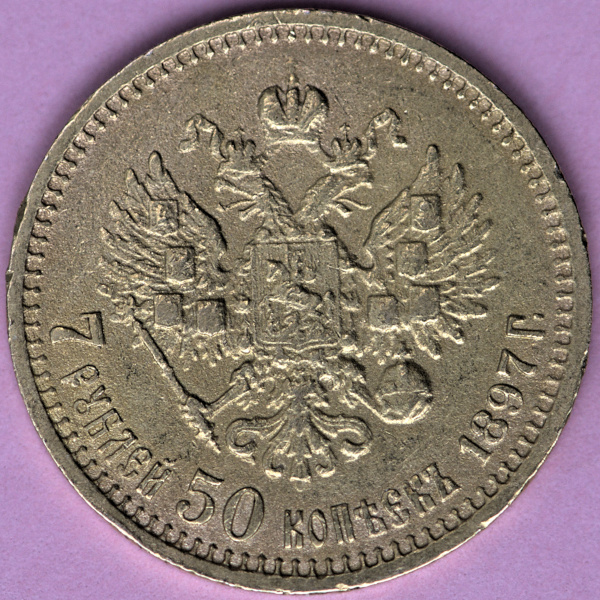 At the time I didn't know, according to the NGC website, that this is the 2nd most frequently counterfeited world coin in their database! (the most faked is the Russian 15 ruble gold coin.) I didn't weigh it immediately, but having ascertained that the edge did look OK to me, I put it in a 2x2 holder and more or less forgot about it. Here is the edge which I have reconstructed from segments:  Twenty years later, I am selling my Russian coins. So I weighed every coin before taking it to the auction house. Lo and behold, the coin is underweight by about 1/2 gram (the standard weight is 6.45 grams): 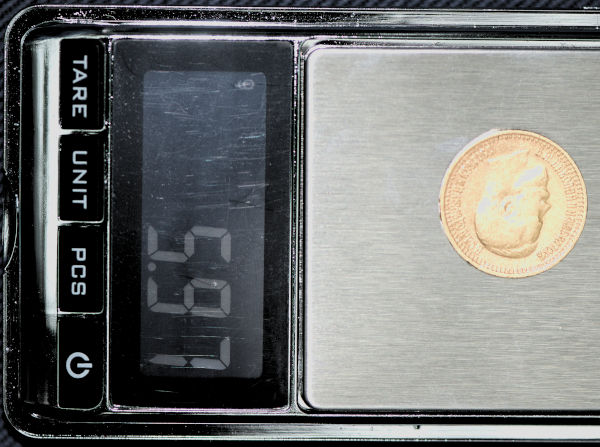 Of course, I suspected a fake right away after weighing it. But I started to think about it some more, because it is very hard for counterfeiters to get the edge right on Russian coins from the 19th century. In particular, there is one detail about the edge that had me convinced that the coin was genuine, IF AND ONLY IF it was made of 22k gold. At the same time, I noticed that the coin seemed a little thin compared to the real ones. So I measured it and did the math. Here are pictures of the coin's diameter and thickness being measured: 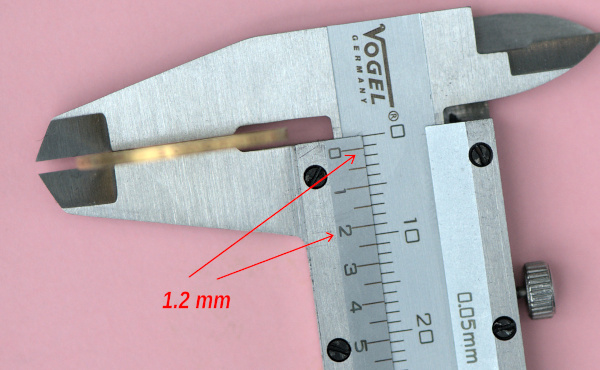 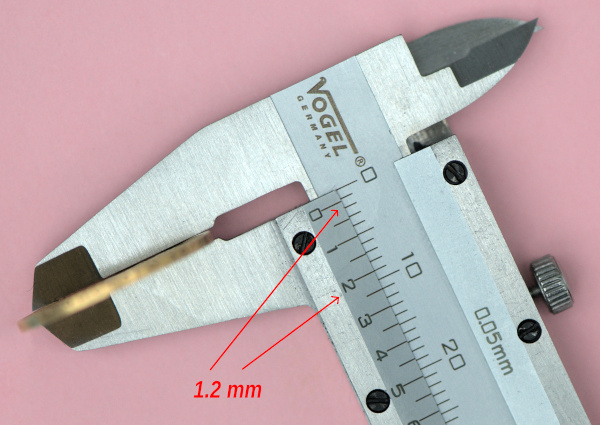 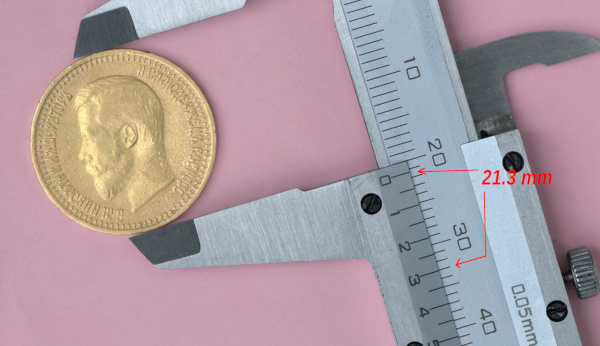 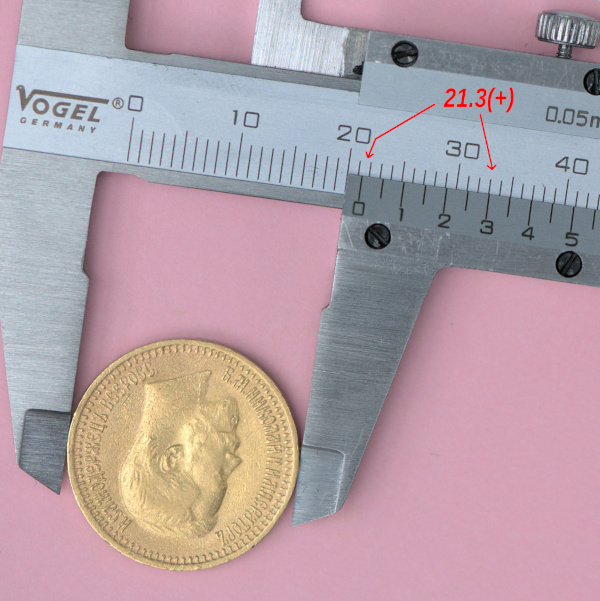 And, to make a long story short, another auction house was kind enough to give the coin a XRF scan for me, for free. Here are the results of that: 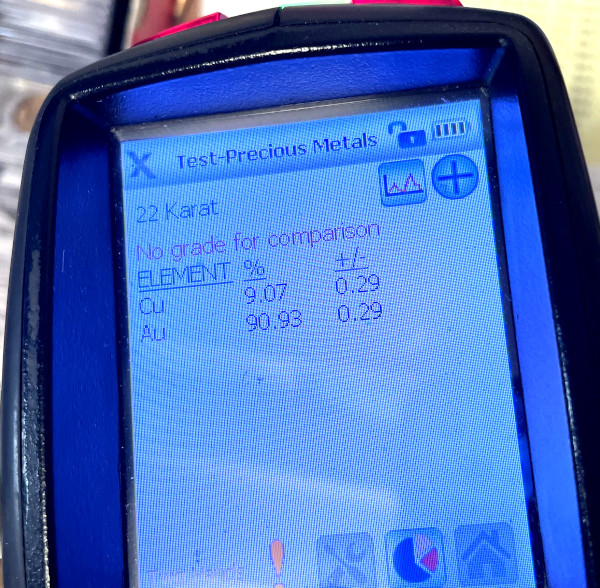 Almost did a backflip when I saw that, but the senior numismatist of the auction house who had the scan done was still not satisfied. Due to the somewhat grainy nature of the fields, he thinks that it is perhaps a "Beirut forgery" from the late 1960's or early 1970's. And he might be right ... if it weren't for the edge! (HINT: If you have access to the Kazakov reference for "Coins of Nicholas II", pay attention to the edge varieties listed for this type). What do you think? I went to the NGC site and compared my coin with the published images of the counterfeit, but I couldn't match them -- look at the different "7's" in the reverse, for example. If anybody can spot something which immediately gives this away as a fake and not some kind of error coin, I'd be very grateful!  |
|
|
|
Moderator
 United States
191622 Posts |
Very interesting. I do not know about these, so hopefully someone can add some knowledge here.  |
|
Pillar of the Community
Australia
3832 Posts |
Weight and edge can be manipulated easily. This cannot be used to determine authenticity but can help to eliminate obvious fakes. This is an example of a rather scarce ruble that I bought more than two decades ago (!). If genuine, this is probably a high 4 to 5 figure coin 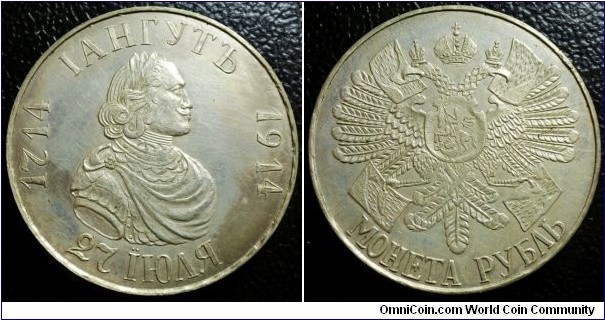 The weight is pretty much same of a normal ruble of this era. Edge also passes but one oddity with the mintmaster. The giveaway is the details are off plus the color is not quite silver. My partial coin collection http://www.omnicoin.com/collection/gxseriesMy numismatics articles and collection: http://www.gxseries.com/numis/numis_index.htmRegularly updated at least once a month. |
|
Valued Member
 Switzerland
54 Posts |
Hi gxseries ... I remember you from the old "CoinPeople" forum!  Thanks for your valued opinion! Unfortunately, I hadn't seen any email notifications for your reply, nor for the previous reply by jbuck. I was beginning to wonder... Quote:
"Weight and edge can be manipulated easily. This cannot be used to determine authenticity but can help to eliminate obvious fakes." I'm not sure I can agree with the "easily" part of your statement. Since I know that the coin is 22k gold, and it is underweight, there is obviously something off with the dimensions. Since the diameter is correct (Kazakov gives the diameter of the narrow edge variety of this type as 21.34, which is what I was able to measure -- see the image "21.3(+)"), the only remaining variable is the thickness. If this is a fake, then the counterfeiters must have had access to a genuine edging device, which would be quite a gem all by itself! "It is usually possible to prove that a coin is fake, but almost impossible to prove that it is genuine."(I just invented this little tidbit. As the Italians say: "Se non è vero, è ben trovato...") |
|
Valued Member
Switzerland
54 Posts |
As to the 1914 Gangut ruble you've shown, it's actually a fairly obvious fake if you compare it to known genuine examples. The face is not at all the same, and the middle tail feather of the eagle on the reverse does not point directly at the letter "A".
I'm sure there must be other telltale signs, even without looking at the edge.
|
|
Valued Member
Latvia
97 Posts |
Examples of counterfeit coins 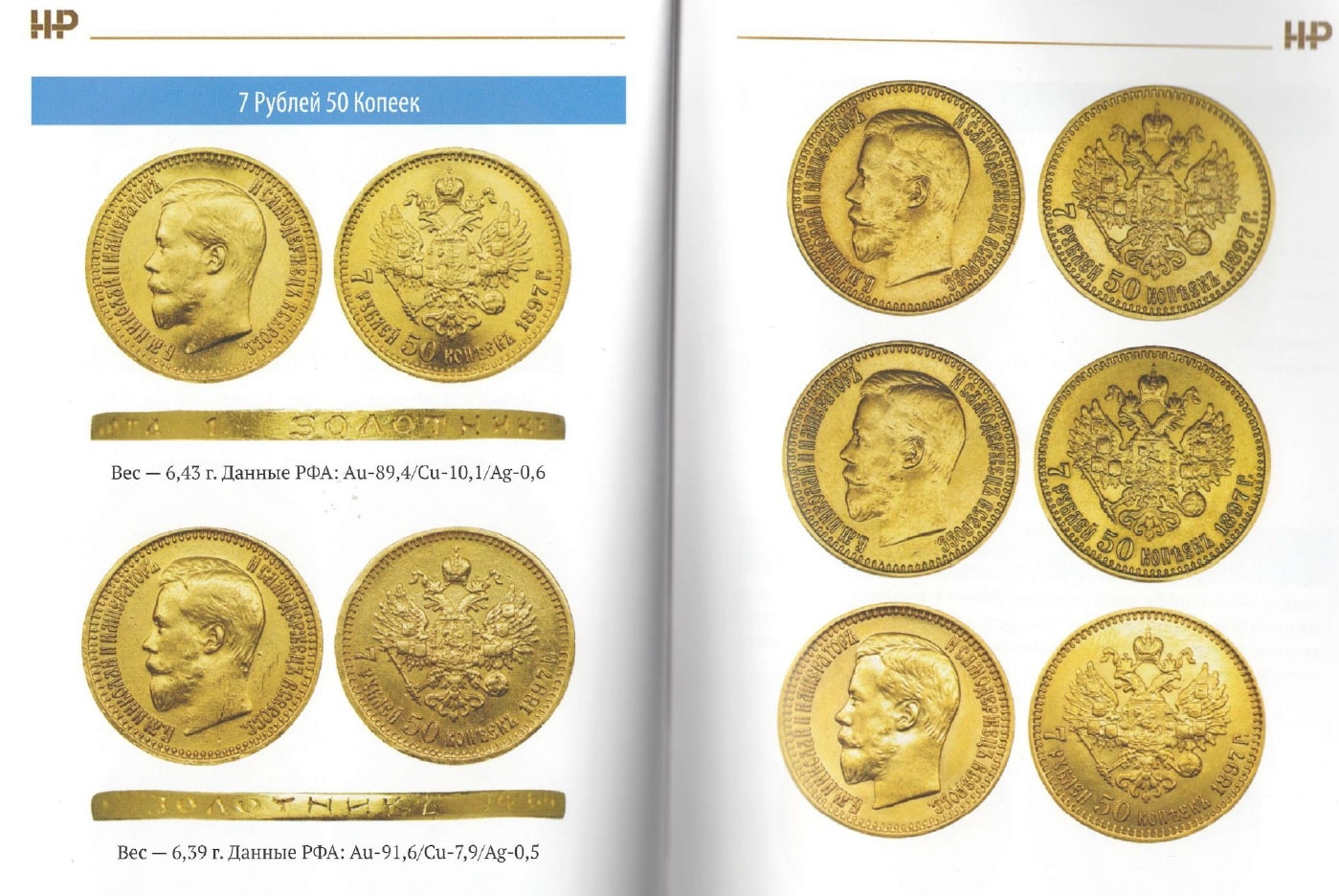 |
|
Valued Member
Switzerland
54 Posts |
Thank you, Mr. Bear! Interesting that the metal alloy and weight are OK on the coins pictured at the left. However, the edge inscriptions are very poorly done. |
|
Pillar of the Community
United States
1962 Posts |
Interesting coin, interesting thread. This should be in the main World Coins forum for better visibility. Moderators?
|
|
Valued Member
Latvia
97 Posts |
|
|
Valued Member
Switzerland
54 Posts |
This looks like a new reference for Russian coins. What is the title and who is the author? If I can find it, I would like to buy it.
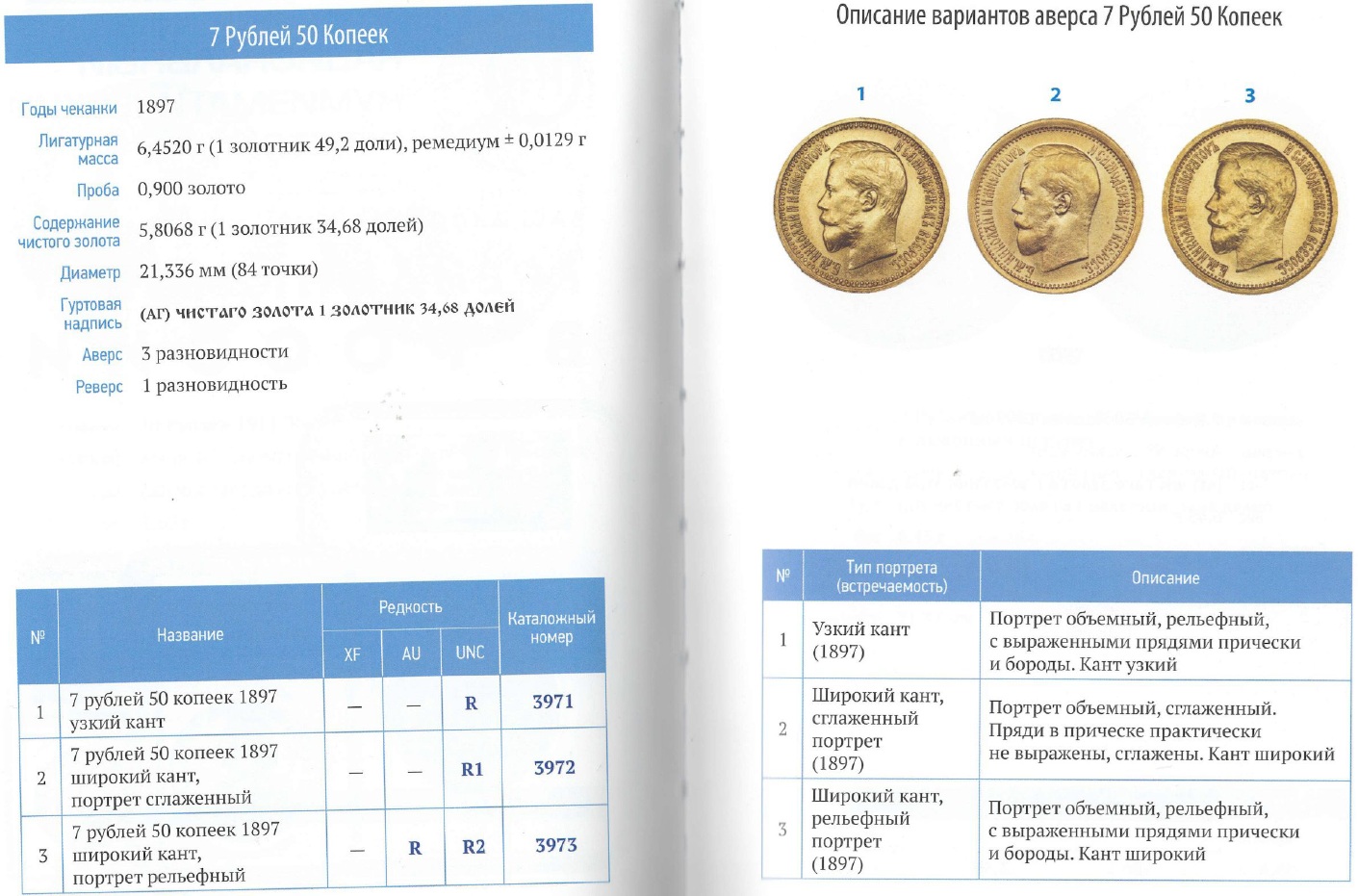
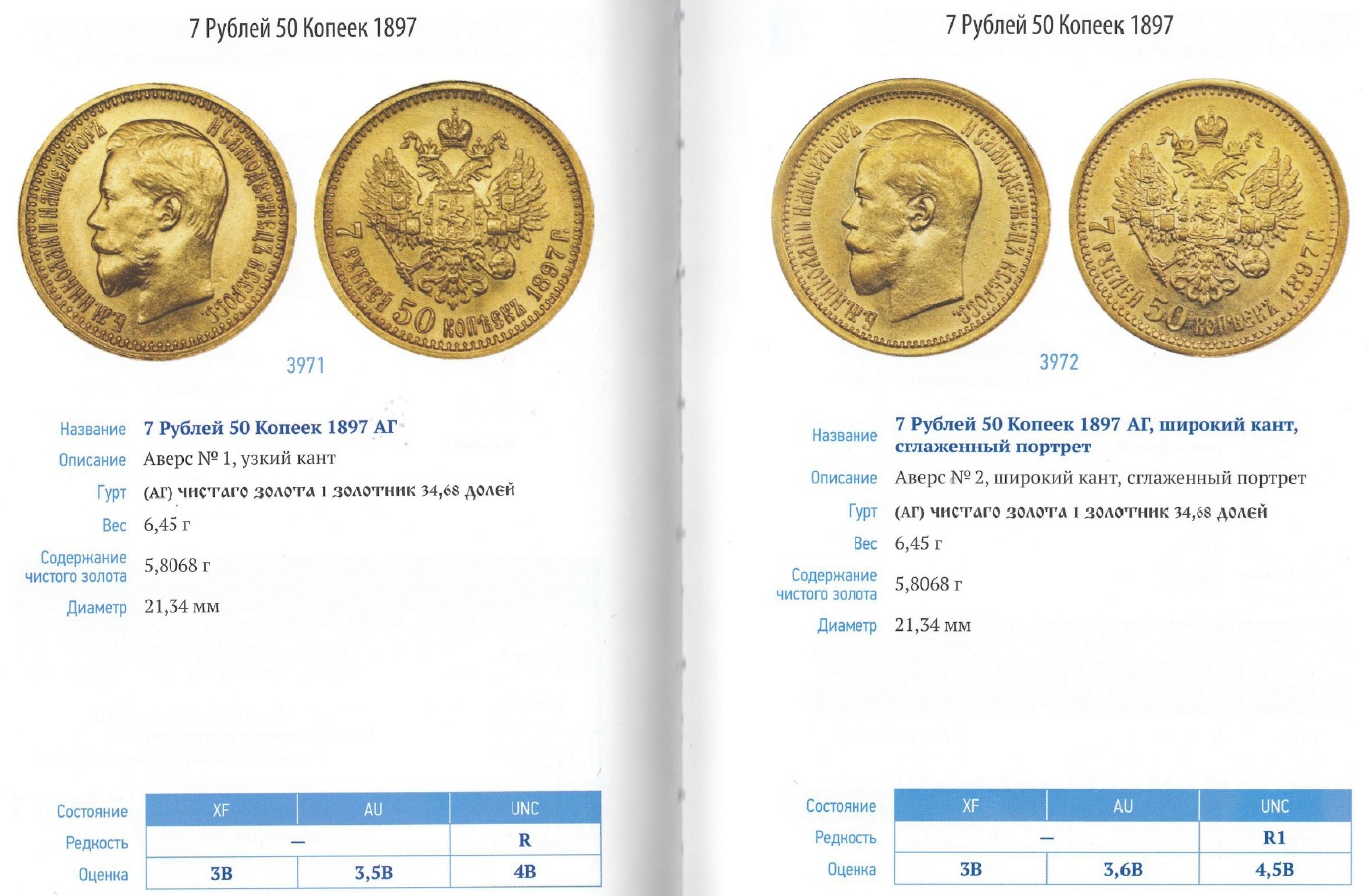
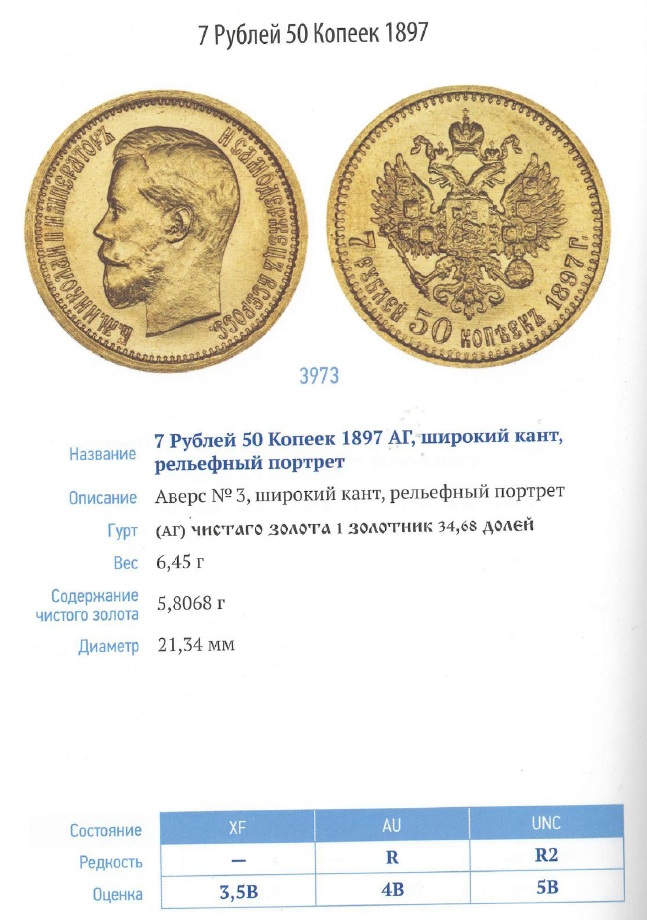
The diameter is interesting. Bitkin and others give 21.3mm, Kazakov gives 21.35mm for the narrow rim. I have seen 21.34mm somewhere, but cannot remember where I saw it.
My own measurements for the coin in my first post are not that exact, but show something between 21.30 and 21.35 -- close to 21.35, but not exactly.
For the wide rim, Kazakov gives 21.40mm. This seems strange to me that these varieties would have different diameters, because the mint equipment would have been configured for the older 5 rouble coins of Alexander III. However, your reference lists the same diameter for all three varieties.
Thanks for sharing this reference with us!
Edited by bobh
08/17/2025 09:51 am
|
|
Valued Member
Latvia
97 Posts |
I have this book in PDF, I scanned it last year. I can send it to you absolutely free if it helps you. A newer edition is already available for sale - it was offered a couple of months ago at a price of about €50. 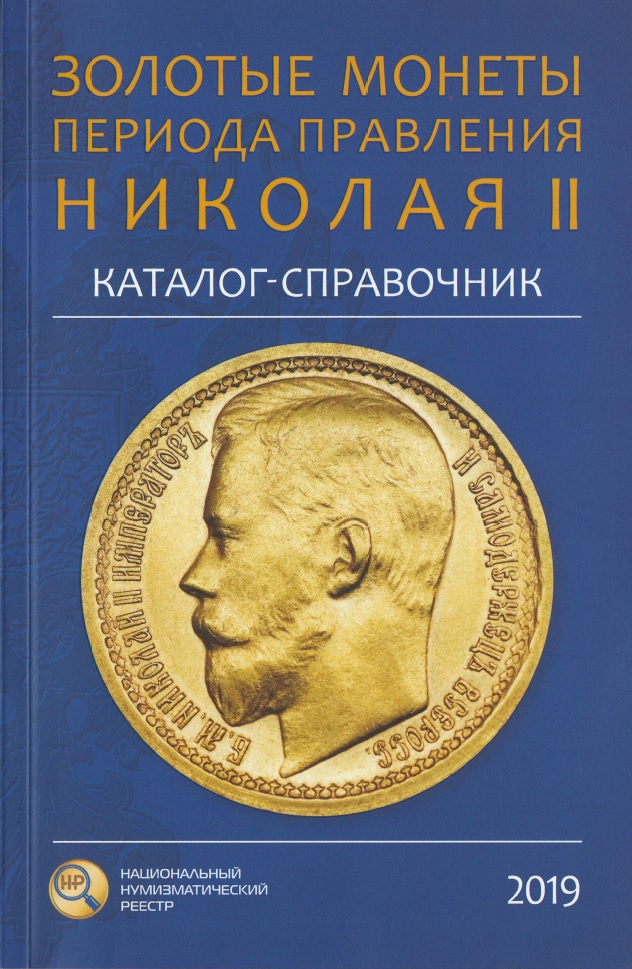 |
|
Valued Member
Switzerland
54 Posts |
|
|
Valued Member
Switzerland
54 Posts |
@MedveD in reply to https://goccf.com/t/481948#4342891 -- Thanks for the offer, but I would like to buy the book if I can find it. Almost all of my other coin references are in book form, and then I can keep them together instead of having to run to the computer to view a PDF file when I am studying my coins. |
|
Valued Member
Latvia
97 Posts |
Better to find the Second edition in this way 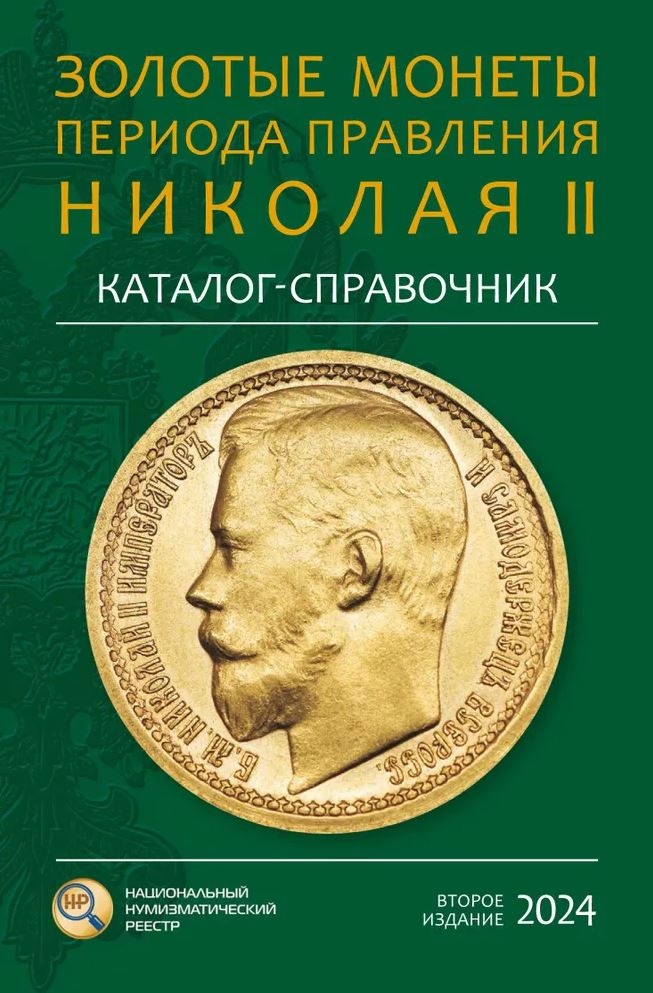 |
|
Valued Member
Switzerland
54 Posts |
This book (2nd edition from 2024) is on its way to me now. This was surprisingly easy to find via Google.
Looking forward to the new information!
|
| |
Replies: 14 / Views: 1,362 |
|









 Posted 07/19/2025 7:43 pm