Nice coin, and a tougher date in better grades with a decent strike.
IF UNC, this is a
fantastic snag.
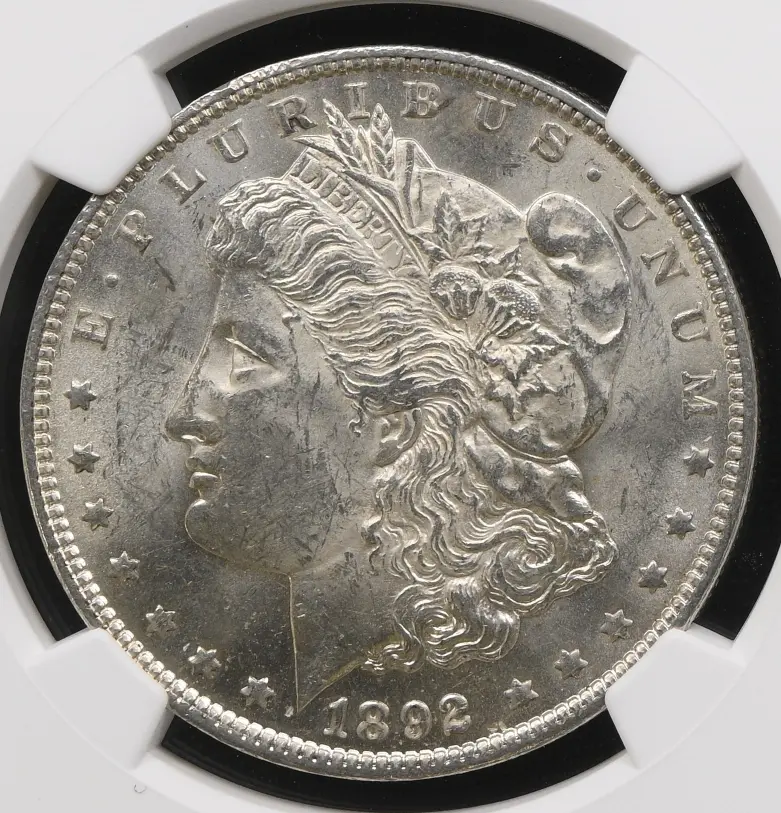
To my eyes, this looks like VAM-1A, with the die chip on the wing. What caught my eye, though, was in the dentils between the "9" and "2." What's going on there? Is that raised on the coin? Maybe a
dropped star?
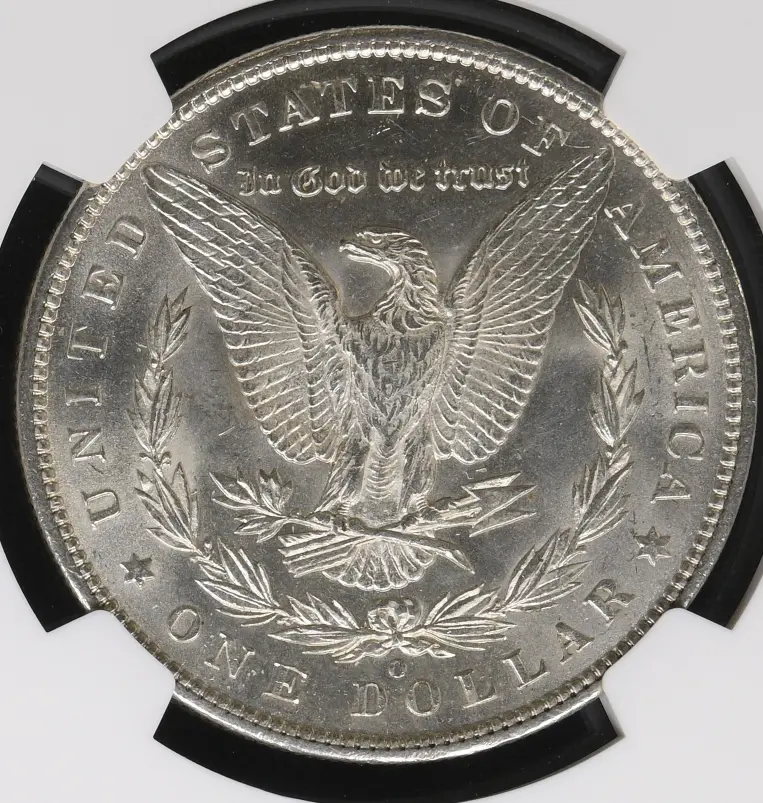
Many 1892-Os are pancakes, but this one has a better strike. What makes me hesitate on the grade is discoloration on the high points, especially the hair over the ears, cap high points, lower hair curls, and hair over the eyes. The reverse has similar discoloration on the head and neck, breast, legs, and bow. New Orleans was both a mint and bullion depository, and had a bad habit of rounding out mint bags with lightly circulated dollars. Their silver dollars weren't popular, generally didn't circulate much, and can be found in number as sliders. The discoloration here could be a result of lighting. You have the coin in hand and can make that determination better than we can from the photos. I wouldn't be surprised by AU-58 here, but my hunch is that this one is UNC.
On bag marks, my mantra will always be "depth, location, number." Here, there are three scratches across the chin and lips to the hair. The lower scratch is continuous, but not too deep. The two from the lips to the hair are deeper, but not continuous. There are also lighter SW-NE scratches on the chin. There is a light railroad track edge contact west of the eye. There are light contact marks on the cap curl. Overall, the obverse looks MS-62. The reverse is better. Aside from a light ding on the eagle's breast, the devices are clean and the fields have few contacts. The reverse looks MS-64. The question is how that could net. I think 1892-O gets a little bit of grace from TPGs because so many of the coins are pancakes with heavy bag marks. My eyes see this one as a bourse floor MS-62+ but netting as MS-63 with a
TPG.






 Posted 02/12/2026 8:49 pm





