| Author |
 Replies: 11 / Views: 1,515 Replies: 11 / Views: 1,515 |
|
|
Pillar of the Community
United States
2596 Posts |
|
|
|
|
Pillar of the Community
United States
3499 Posts |
Hmm, this lot shows some potential. Although I am not sure how the silvering will affect the process, I might recommend some hydrogen peroxide. As my thread of the past week or so has shown, that stuff can help to loosen some dirt rather quickly.
|
|
Pillar of the Community
 United States
2596 Posts |
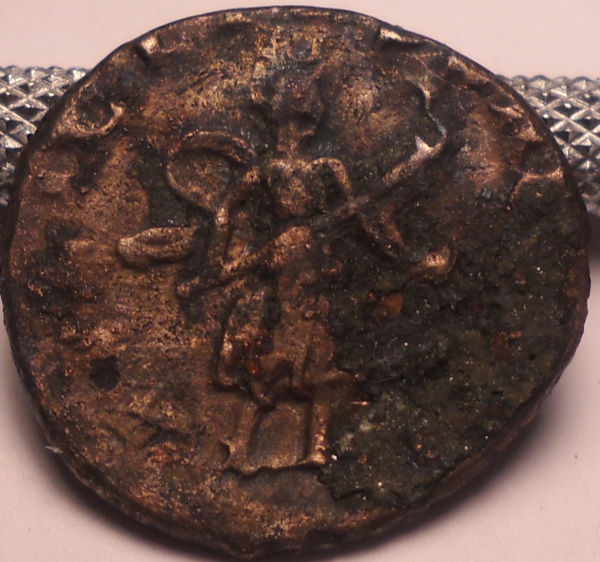
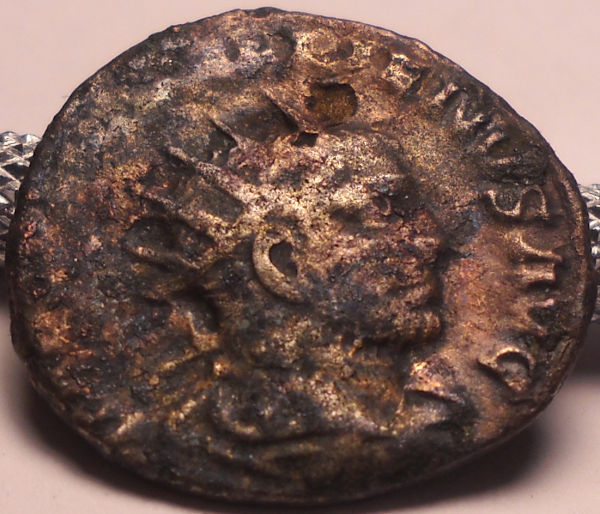
I think I will be trying hydrogen peroxide on some coins also. how long do you let them sit in the peroxide.From the photos I uploaded you can tell why sometimes I have to repatina the coins.
|
|
Moderator
 United States
23731 Posts |
I would let them soak in olive oil for a while.
|
|
Pillar of the Community
United States
2596 Posts |
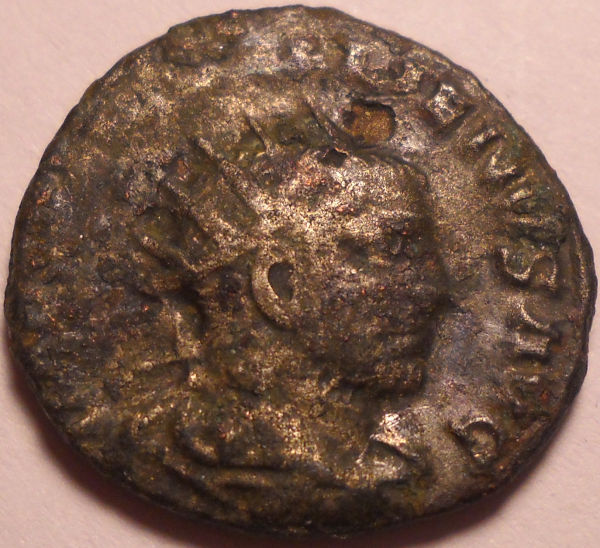
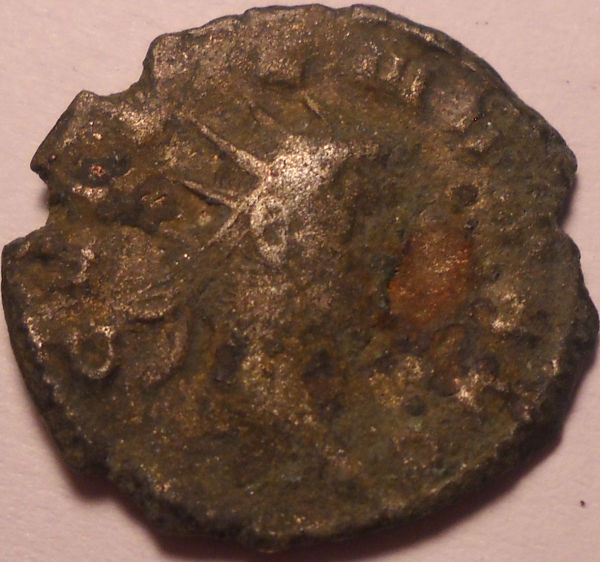
this is about far I can go with this one for now time for a soak again. I've been working on this group since may of this year, and I cant seem to free him of his mask. 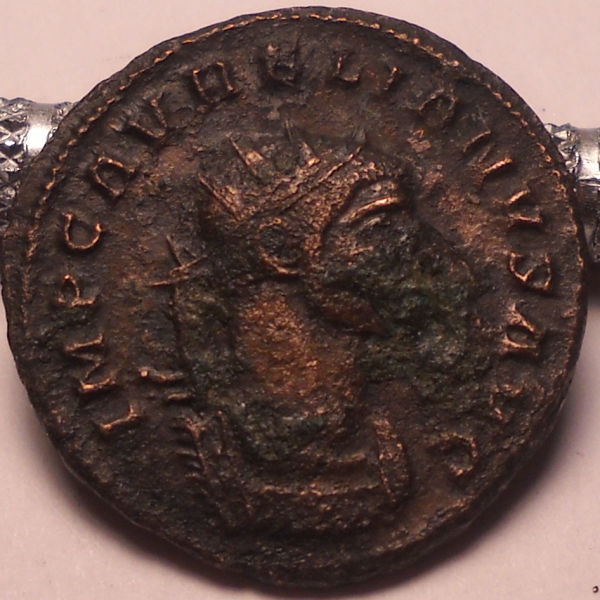 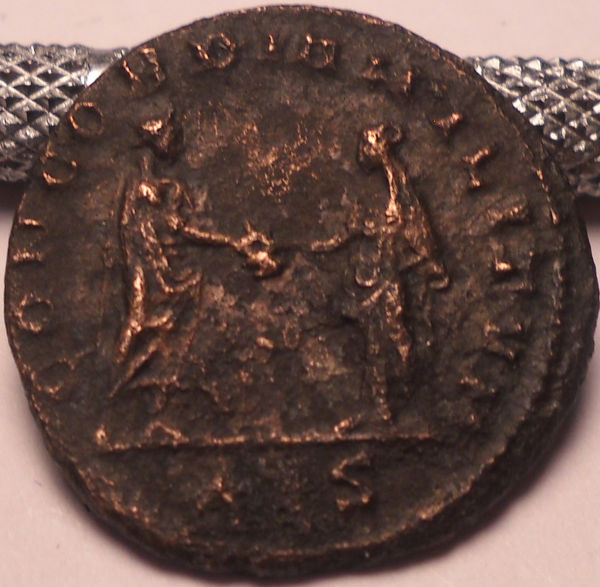 Edited by jessvc1
10/10/2011 11:51 pm
|
|
Pillar of the Community
United States
2596 Posts |
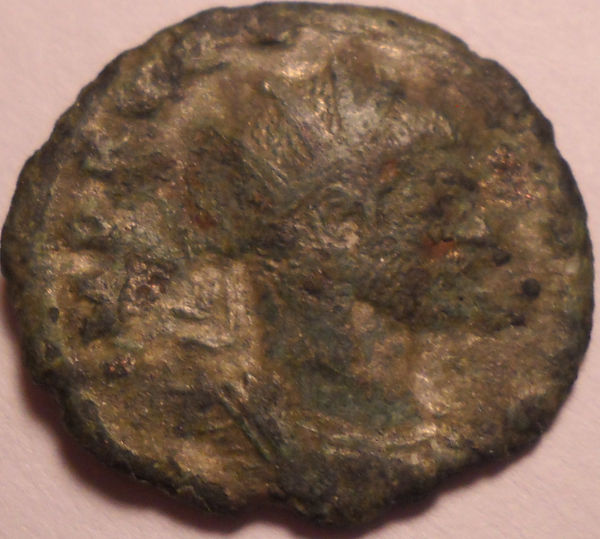
I thought that this guy lost his face! turned out he didnt, time to soak him for a bit. 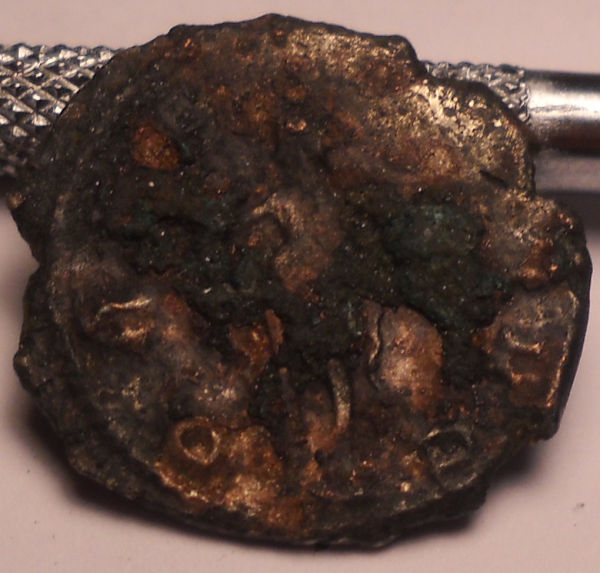 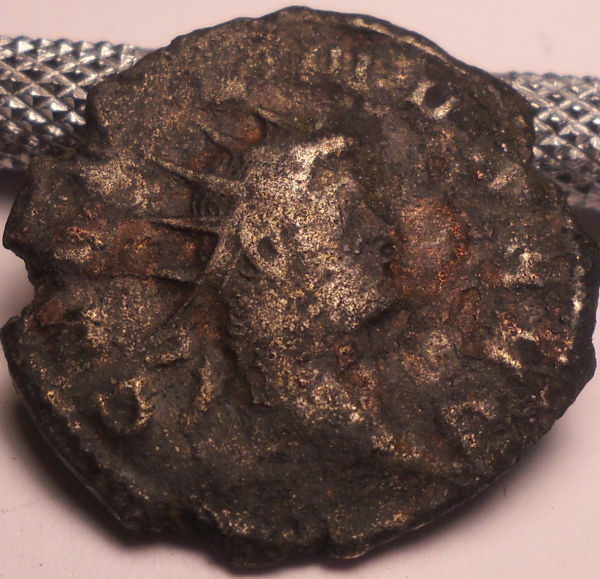 |
|
Pillar of the Community
United States
2596 Posts |
|
|
Pillar of the Community
United States
3499 Posts |
hmm, might you even try carefully chiseling some of that stuff off with a needle? These coins really have some serious encrustation. Did you acquire these from an uncleaned lot? Do you know where they were found?
|
|
Pillar of the Community
United States
2596 Posts |
these where part of an uncleaned lot and no I don't know where they where found. the encrustation is like cement and I don't want to risk harming the coins anymore then I've already done considering they're starting to get a little corroded from the cleaning. They are in the last stage of cleaning now I just have to soak them for a while and gently pick away at the rest of whats left on them. When I have them half way decent, I will start to restore them. When you buy uncleaned lots the best ones will clean up right away and then you're left with the stubborn ones. These are whats left of the last batch that I bought.
|
|
Pillar of the Community
United States
2596 Posts |
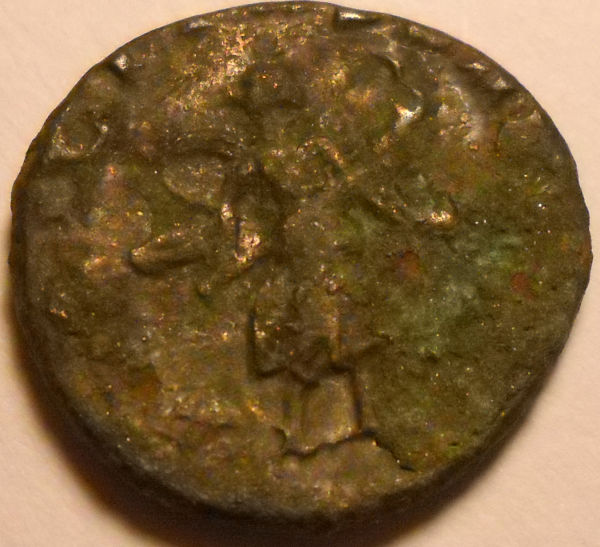
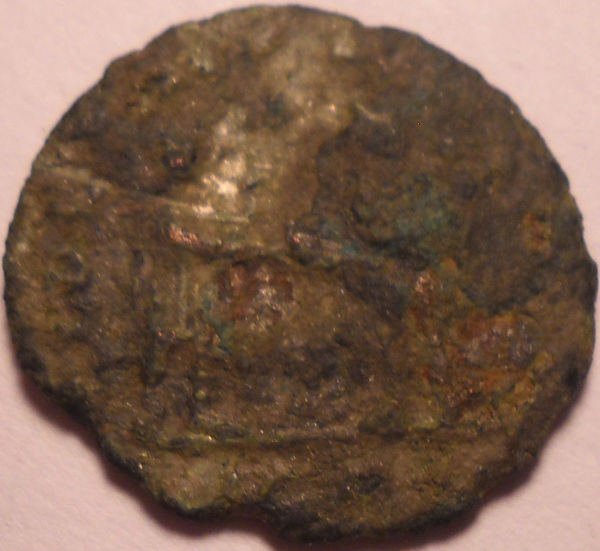
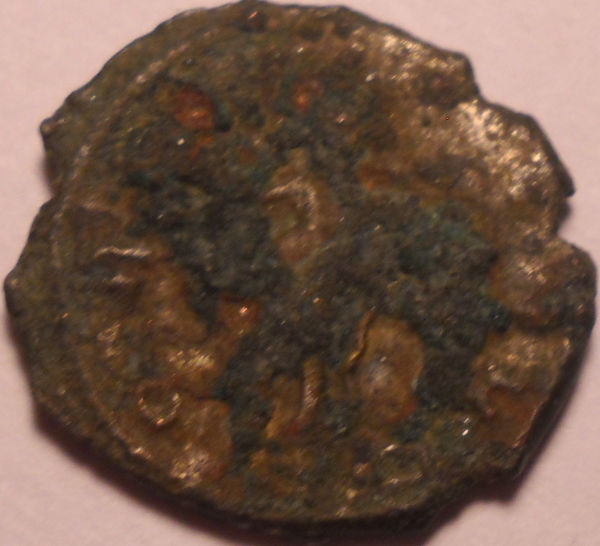
this one I didnt think much of and its turning out better then the rest. I think this one might be the winner in a couple more months. It was all green and you couldnt make out anything in the reverse and now you can see some silvering and the reverse is very detailed. What would you attribute this coin as? 4 horses and a chariot, a Probus SOLI INVICTO ( 276-282) A.D.NICE! 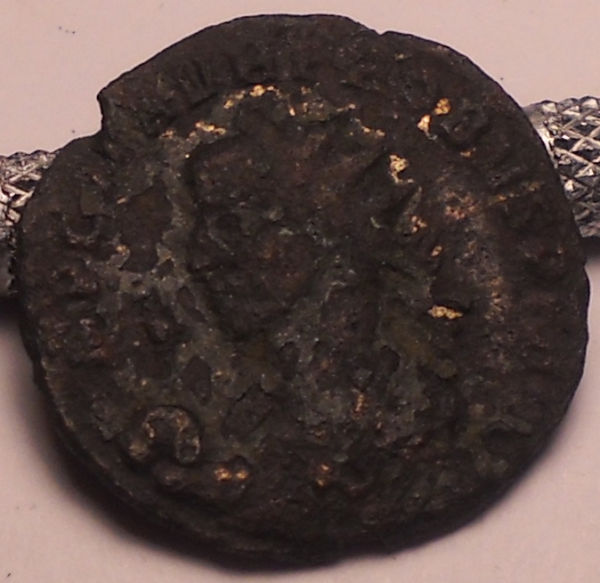 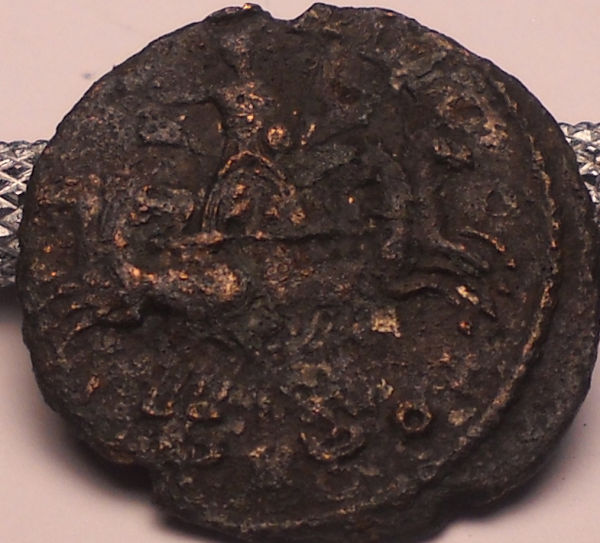 Edited by jessvc1
10/11/2011 02:08 am
|
|
Pillar of the Community
Bulgaria
843 Posts |
Do you want to say you my tehnique for plating ancient?
|
|
Bedrock of the Community
Australia
21794 Posts |
Jessvc1:
Poor old Aurelian! I think the chemical pitting mechanism in front of his face has been at it for too long. If you remove that rough pitted bumpy area in front of his face, I feel that it will reveal a rough pitted bumpy area underneath.
I have a very nice large Aurelian bronze of about 20 mm dia., with a good VF reverse AND obverse and mostly silvered, but with a horrid corroded area, just like this one. I have often asked myself 'What can I do with this?' I have thought about tooling the rough area flat, but 'for what?' Mine came out of a dealer's junk box for $10. Probably a $100 coin without the problem.
A high speed dentist's drill with a flat disk sander 1mm dia. would be the tool to use. Something up to 5,000 RPM.
The air drill would be no good - way too fast (60,000 RPM) and may generate too much heat. I have even thought even using my Neighbourhood Watch engraving tool, but I don't have the skill, and I don't have a flat sanding disk for it.
It is possible that the rough pitted area may have penetrated to almost to the full thickness of the coin in this area. I have seen that before. That would make controlled tooling in this area difficult, because the corroded area would be much softer than the metal surrounding it.
Tooling the coin in this area may help, but the work would be very obvious, and certainly would not add to the value of the coin. Besides, copper compounds in the form of a gritty substance may come off only, and even may scavenge out the whole pitted area in an uncontrolled manner, making the coin only worse.
Tooled coins always bring less value at auction. I would only do that by way of experiment, and only if you are prepared to risk writing the coin off. The only profit from that exercise is the knowledge you may gain by attempting to do so.
Edited by sel_69l
10/11/2011 07:04 am
|
| |
Replies: 11 / Views: 1,515 |
|






 Posted 10/10/2011 11:00 pm