| Author |
 Replies: 18 / Views: 8,110 Replies: 18 / Views: 8,110 |
|
Pillar of the Community
Bulgaria
843 Posts |
How can I make desert patina?I like desert patina but in Bulgaria I cant find roman coins with desert patina.So how can I make one?
|
|
|
|
Pillar of the Community
United Kingdom
2838 Posts |
Place the coin in a dry sandy soil and leave for 1000 years - bingo  |
|
Pillar of the Community
United States
1047 Posts |
I have several dozen in my collection. Check out Vcoins, just pick random stores and search "desert patina" there are many nice coins available at reasonable prices from a dozen or so reputable dealers. Here a few examples that I have from various sellers on Vcoins. Regards, -Kurt 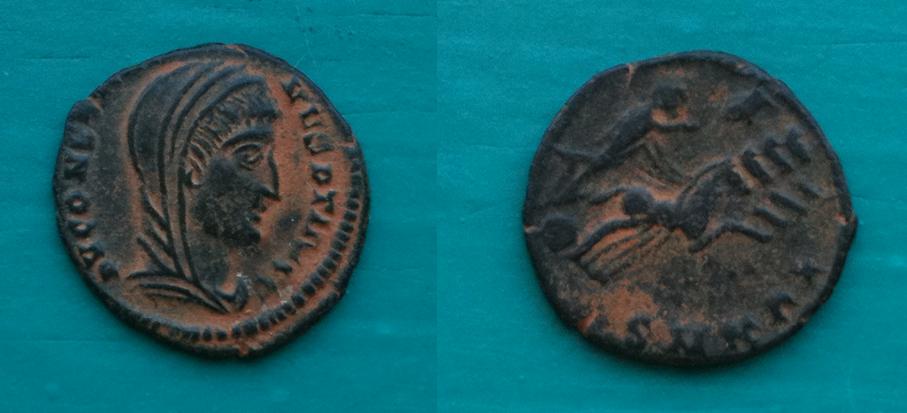 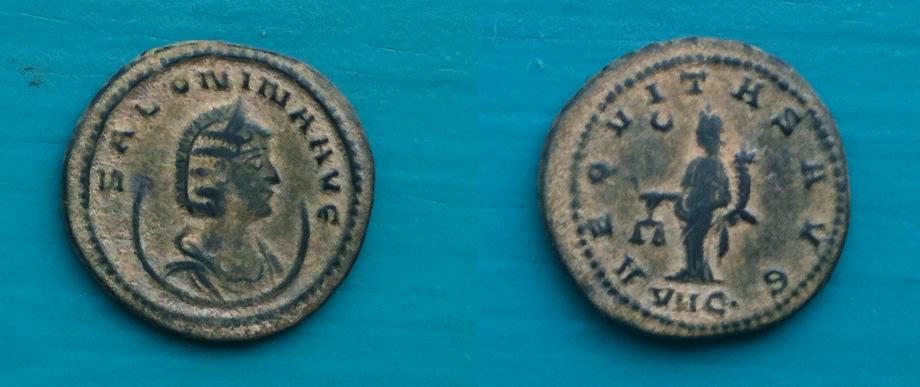 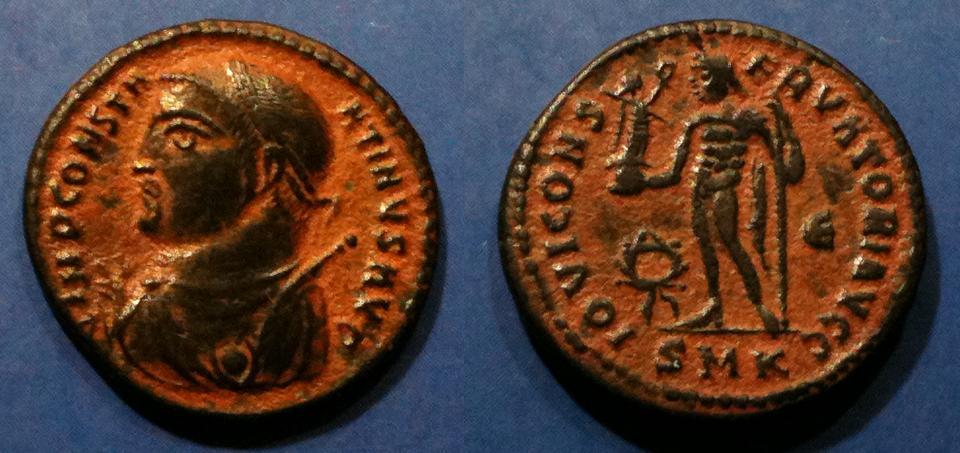 |
|
Pillar of the Community
United States
1047 Posts |
And a few more different types as well.
|
|
Moderator
 United States
23731 Posts |
Nice coins. That's one of the best looking Saloninacoins I've seen.
|
|
Pillar of the Community
United States
4253 Posts |
Quote:
How can I make desert patina? Why would you want to? I love desert patina but I don't want any coins that may have fake patina of any sort. Biancasdad: Very nice looking coins, especially the Syrian red. And echizento is right when he says that may be one of the best Salonina coins I've seen. Here is one of mine with a sand patina from Spain: 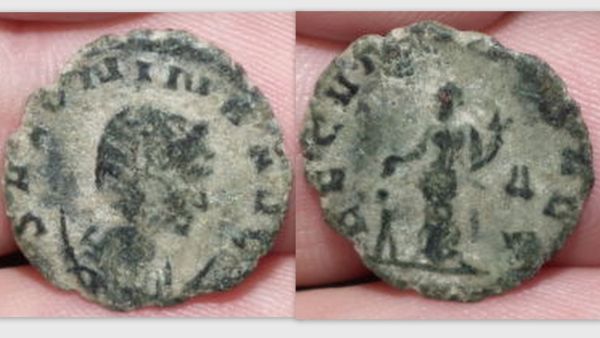 |
|
Pillar of the Community
United States
1047 Posts |
Thank you fellas.
I just looked at my records for the Salonina and I paid 20 Euros for it. A fairly common coin but not a bad example for the price.
-Kurt
|
|
Valued Member
United States
172 Posts |
Real toning cannot be faked. That's as bad as cleaning coins!
|
|
Pillar of the Community
United States
1047 Posts |
Well, I think cleaning is ok, especially if your coin looks like this!  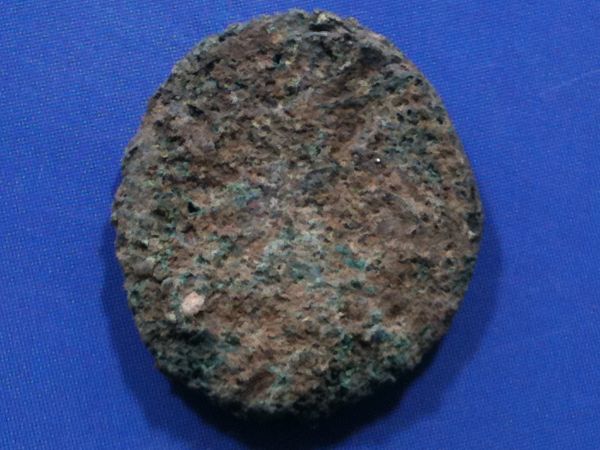 |
|
Pillar of the Community
United States
4253 Posts |
Quote:
Real toning cannot be faked. That's as bad as cleaning coins! You are correct about toning, especially in modern coins and even ancient gold/silver coins. But patina is a different matter. I have read articles where patina can be man made in a short amount of time using certain chemical compounds. But to apply a patina is as dishonest as making a fake coin IMHO. AND, when you are dealing with coins that have been buried for nearly 2000 years, you bet yer bippy they have to be cleaned. And they have to be cleaned properly as testified by the many threads regarding this topic. |
|
Pillar of the Community
United States
4778 Posts |
Wish I had a coin with extensive desert patina  My Constantinopolis commem from Alexandria just has it slightly around the edges and some around the details on the reverse. Quote:
That's as bad as cleaning coins! Ancients aren't like modern coins where you have to worry about if it's cleaned. Because a great majority are found buried under the ground or someplace that will make them encrusted and dirty, cleaning them is accepted and most times required, to help in identifying them. Edited by VisigothKing
02/05/2012 01:14 am
|
|
Pillar of the Community
United States
4778 Posts |
I heard patina is what the coin "makes" to protect itself from the elements. Is that true?
|
|
Pillar of the Community
 Bulgaria
843 Posts |
Quote:
Place the coin in a dry sandy soil and leave for 1000 years - bingo bobby I know this method but I search a little faster  Quote:
Why would you want to? I like desert patina but I cant buy one because I cant buy from US or middle east so I search way to make desert patina. Edited by t0rress
02/05/2012 03:15 am
|
|
Moderator
Australia
17015 Posts |
Quote:
I heard patina is what the coin "makes" to protect itself from the elements. Is that true? Coins aren't sentient; They can't choose to protect themselves. It's all left up to the randomness of the chemical environment. Patina is the formation of a layer of oxidation and corrosion byproducts around a coin. How "protective" it is depends on exactly what the composition of the layer is, which in turn depends on the composition of the original coin and the environment the coin was buried in. Most metals and alloys aren't very good at forming protective layers if they are buried in a random plot of soil. If a coin is buried in alkali-lime soil, there's a good chance of malachite formation, which is both partially protective and attractive (if you don't mind your coins being a bright green colour). But if there's chloride (ordinary salt) in the mix, then you've got a good chance of developing bronze disease, a highly contagious and destructive form of patina. As for the OP's question, yes, desert patina can be faked, but I can't think of any good reason why anybody would want to do that, and lots of bad reasons. Not least of which is, attempting to apply a fake patina would almost certainly require destroying the actual genuine patina it already has. You don't find naturally occurring desert-patinated coins in Bulgaria because Bulgaria doesn't have any deserts. I know if I ever saw a native Bulgarian coin with a desert patina for sale, I'd run far away from it rather than buy it, because there's clearly something fishy going on, there. Don't say "infinitely" when you mean "very"; otherwise, you'll have no word left when you want to talk about something really infinite. - C. S. Lewis
|
|
Pillar of the Community
United States
1047 Posts |
t0rress,
There are many dealers that have desert patina coins that aren't from the US or the Middle East or from an area where there are deserts. I have purchased many from dealers in England, France, Germany, Canada, etc.
Regards,
-Kurt
|
|
Pillar of the Community
Bulgaria
843 Posts |
Quote:
There are many dealers that have desert patina coins that aren't from the US or the Middle East or from an area where there are deserts. I have purchased many from dealers in England, France, Germany, Canada, etc. I know but I cant buy ancient coins outside Bulgaria by the laws. |
| |
Replies: 18 / Views: 8,110 |







 Posted 02/04/2012 6:56 pm


