| Author |
 Replies: 11 / Views: 1,203 Replies: 11 / Views: 1,203 |
|
|
Pillar of the Community
United States
1432 Posts |
A few months back I posted some pics of Morgans that I "improperly stored" in plain mailing envelopes for about 20 yrs. I considered them bullion, not collectible coins. In a recent post I read about soaking old coppers in olive oil to remove crud. I just started that experiment so no results yet. What I did though was took a couple of the Morgans and spent about 2 minutes on each with the olive oil and a q-tip. What I want is your honest opinions: Better or Worse and why. As a rule I don't clean my coins but when they only have silver value to me, I figure it's worth it for the experience and the knowledge gained. Thanks in advance for your opinions. 1879 before and after 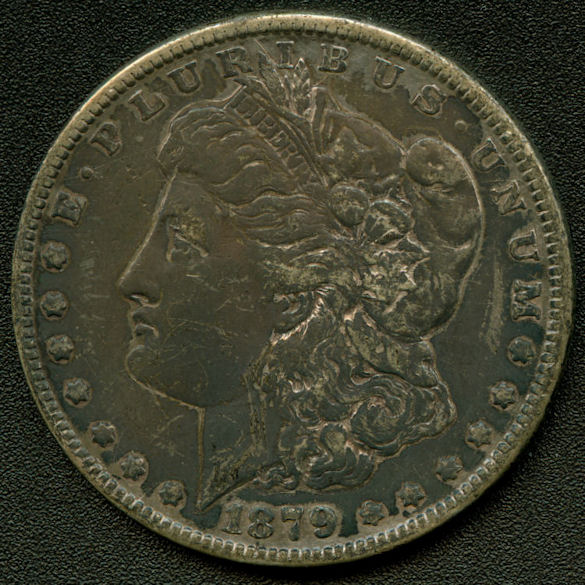 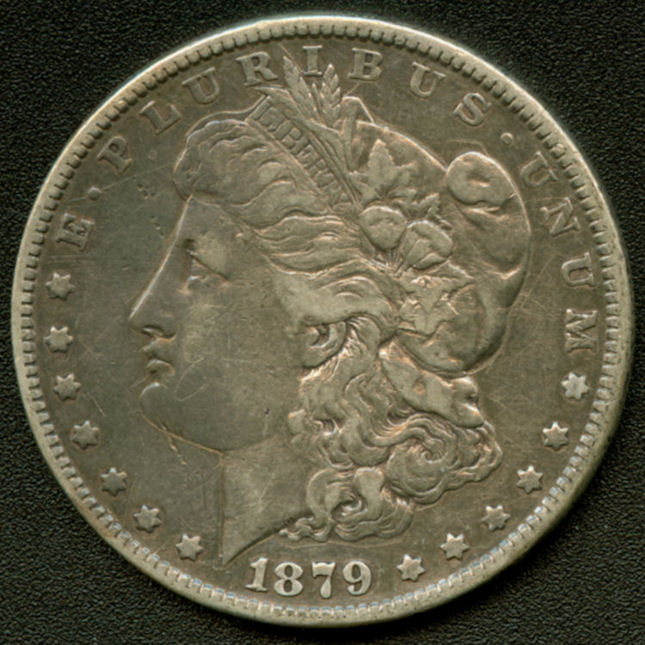 1899-O before and after 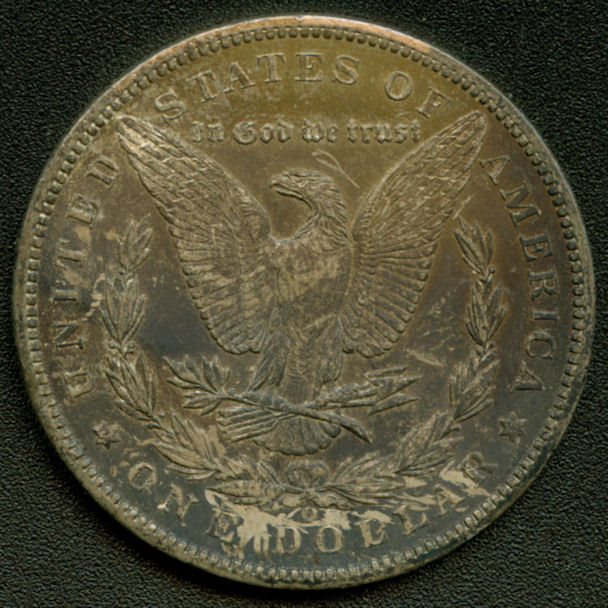 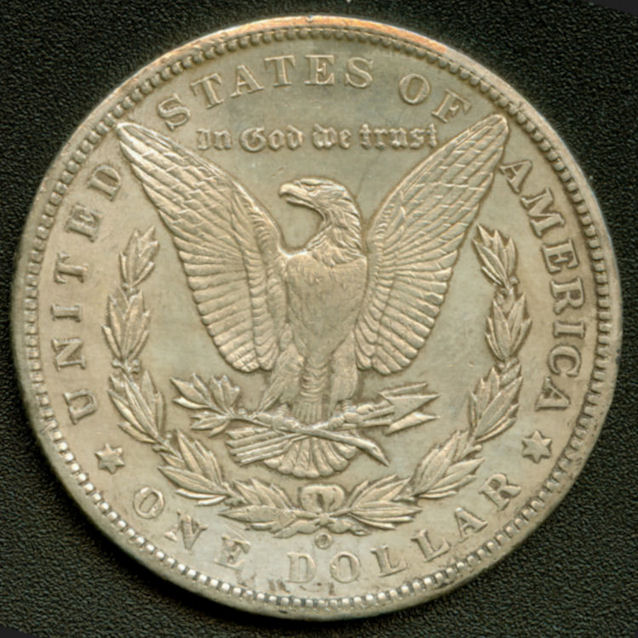 |
|
|
|
Pillar of the Community
United States
870 Posts |
I think they look a little better. Nothing compared to a natural worn tone though. Personally, in a circulated coin I like to see good tarnish in the field and clean details on the high spots.
|
|
Pillar of the Community
United States
759 Posts |
Mild preference for the "Afters," although I would be curious what results one minute and lighter pressure would have yielded. The date on the Morgan just "pops" a bit much for me. Good experiment though. Thanks for sharing.
|
|
Pillar of the Community
United States
8533 Posts |
I like the after. I would like to see what an experiment by you with Verdi-Care would look like. When I was a kid my grandma left me a Morgan when she died. I promptly took tooth paste and brush to it to make it really shine. I didn't know ny better, I had just heard how you could clean em. Now about 37 yrs later it has an absolutely beautiful patina to it and looks great. I stored it in an old wedding ring box all these yrs.
Oregon coin geek.....*** GO BEAVS ! ! ! ***
|
|
Bedrock of the Community
United States
14454 Posts |
the reason the date pops out like it does is because of the rubbing with the q-tip. That is why we say soak a coin not rub a coin, when you rub you not only can cause rub marks you also get the higher spots brighter than the surrounding fields where a soak will usually get the coin uniformly clean and not look this way. I actually probably would have tried acetone because I have never heard of olive oil on a silver coin and not sure what soaking in olive oil without the rubbing would do to a silver coin
|
|
Pillar of the Community
United States
870 Posts |
Usually olive oil is only used on copper and bronze coins to preserve the patina.
|
|
Pillar of the Community
 United States
1432 Posts |
here's a couple close ups - I really don't see the rub marks. This was just an experiment on coins that I don't place any numismatic value on. I will try Bryan's suggestions on a couple others in the next day or so to see the results. 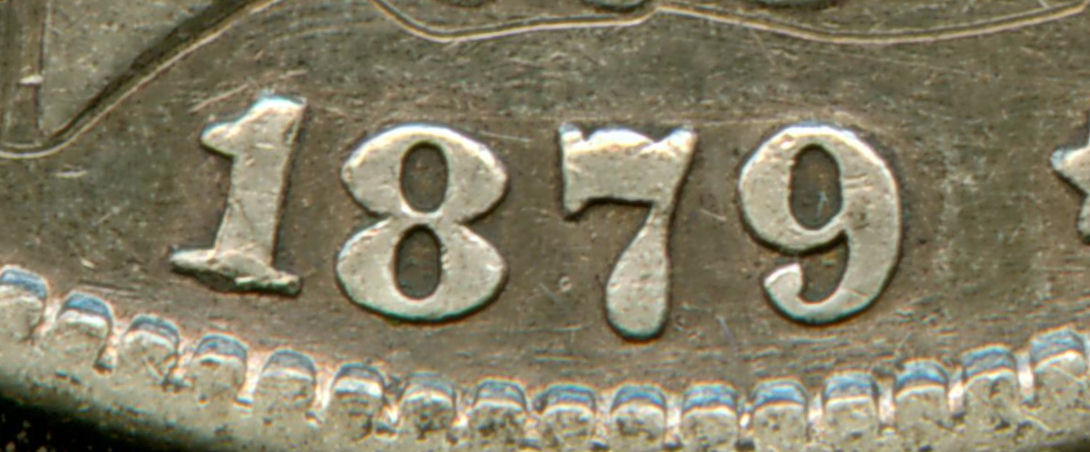 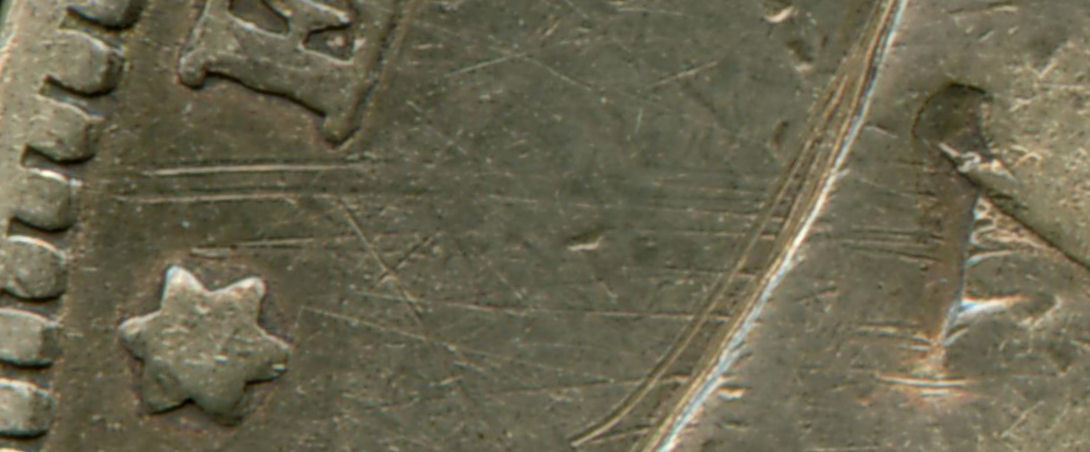 |
|
Pillar of the Community
United States
8533 Posts |
What are you using to get the pics ? If you don't mind telling. Pretty good photos.
Oregon coin geek.....*** GO BEAVS ! ! ! ***
|
|
Pillar of the Community
United States
1054 Posts |
Nice experiment. You can still tell its been cleaned, especially on the reverse. The tell tale sign is the leftover toning in the devices, the letters.
|
|
Rest in Peace
United States
9104 Posts |
Like you said, they weren't gems to start with, and I prefer the after shots.
|
|
Pillar of the Community
United States
1432 Posts |
Quote:
What are you using to get the pics My picture taking is horrendous. I use a flatbed scanner @ 2400dpi. Scans don't work so well on BU coins but most of my collection is far from BU. |
|
Pillar of the Community
2226 Posts |
I suppose I lean toward the AFTER also.
The rub marks Bryan is referring to will be obvious under higher magnification. I don't think there would be any way to hide it.
I also would have thought acetone, but I've heard/read about the olive oil thing on certain metals.
Lets see what you can do with acetone if you do another.
Interesting and thanks for sharing.
|
| |
Replies: 11 / Views: 1,203 |
|










 Posted 02/11/2012 12:59 pm


