Quote:
What is the significance of the writing on the reverse? ...And why have the Roman number there?
"CLXVIII" is Roman numeral 168. "eine feine Mark" means "of a fine mark". Mark, prior to German unification, was a German unit of weight, equal to about eight troy ounces. The reverse legend therefore says "1/168th of a fine mark".
Quote:
...and also led to Hannover's destruction since the british were no longer obligated to defend the state and stayed neutral during the Austro-Prussian War when Prussia conquered Hannover after it aligned itself with Austria in 1866.
While one can speculate about "what-if" until the cows come home, I should point out that the British were never obligated to defend Hannover. The English parliament knew full well that, by inviting a German royal house onto the English throne, they risked England getting dragged into the interminable conflicts the German states were always having with each other.
So one of the conditions placed upon the House of Hannover by the 1701 Act of Settlement, which placed George I in line to become king, was that Britain would not automatically go to war to defend Hannover, or any other "dominions or territories which do not belong to the Crown of England, without the consent of Parliament". The two countries would remain politically independent, and could even have gone to war with each other if they so wished, and there would have been nothing the man who was king of both countries could have done to prevent it.
Don't say "infinitely" when you mean "very"; otherwise, you'll have no word left when you want to talk about something really infinite. - C. S. Lewis










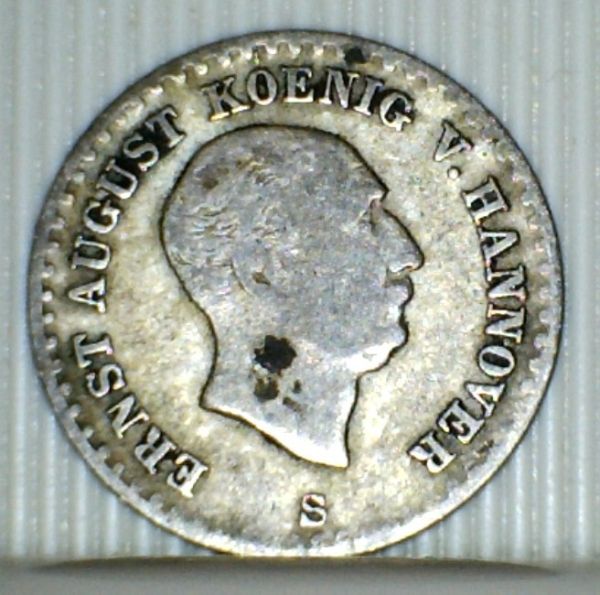
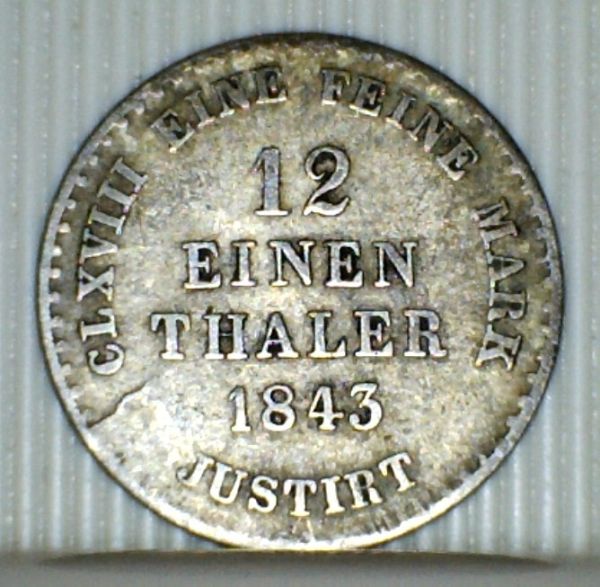


 Posted 02/20/2012 9:10 pm


