| Author |
 Replies: 19 / Views: 4,530 Replies: 19 / Views: 4,530 |
|
New Member
Lebanon
16 Posts |
Hello guys, any help identifying these 2 coins would be greatly appreciated i'd like to know their names and if they are worth anything. P.S. I don't know what they are made of although the 2nd coin is thicker and heavier. 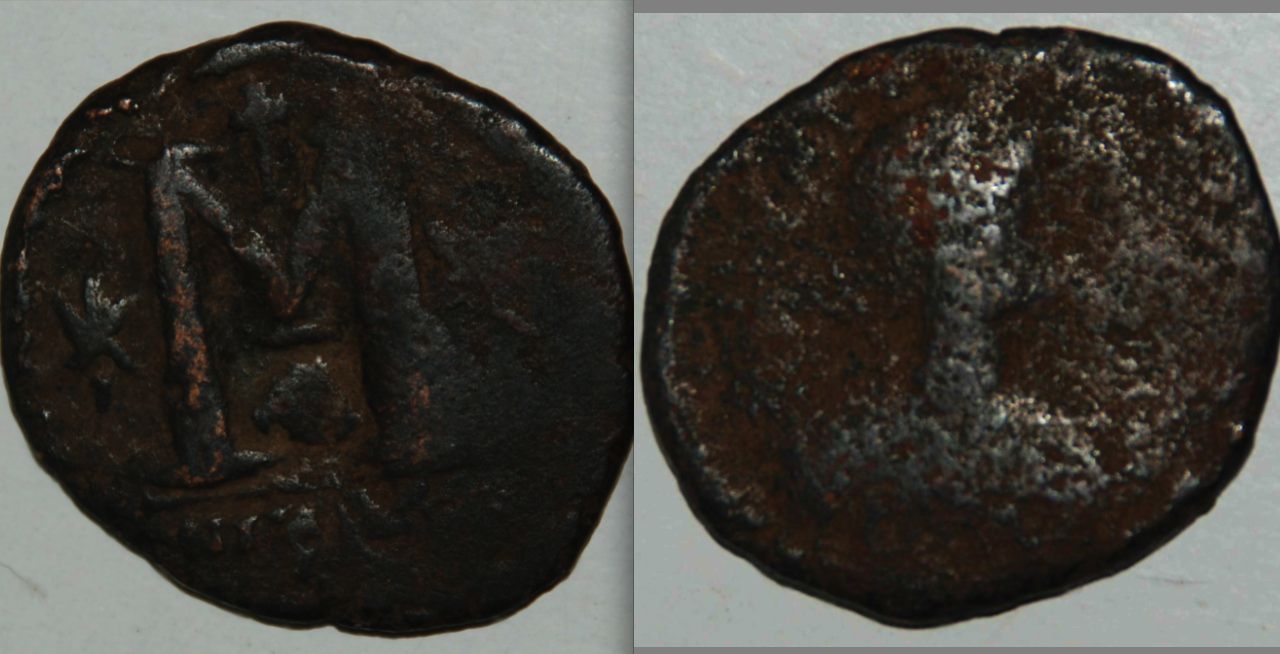 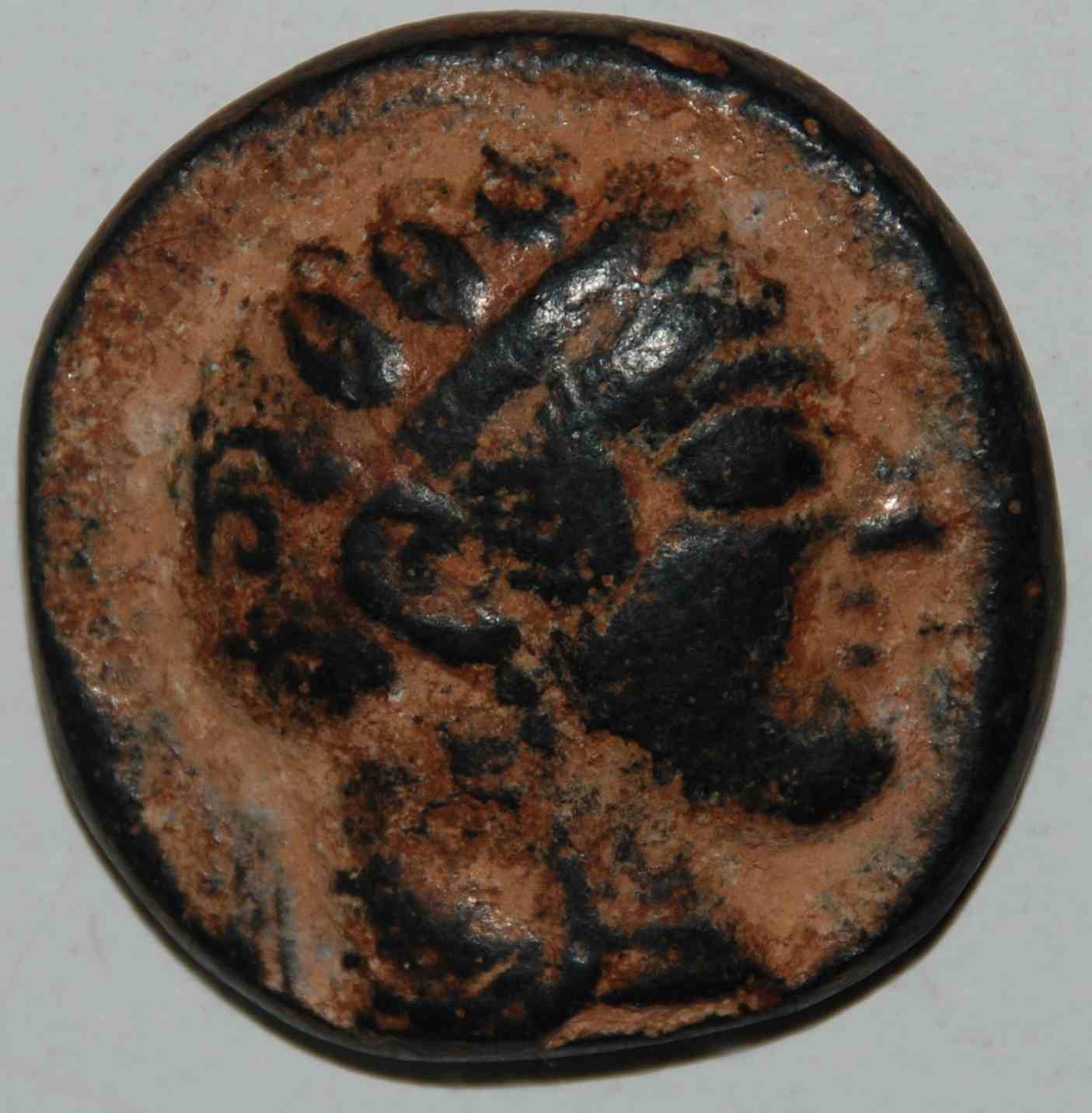 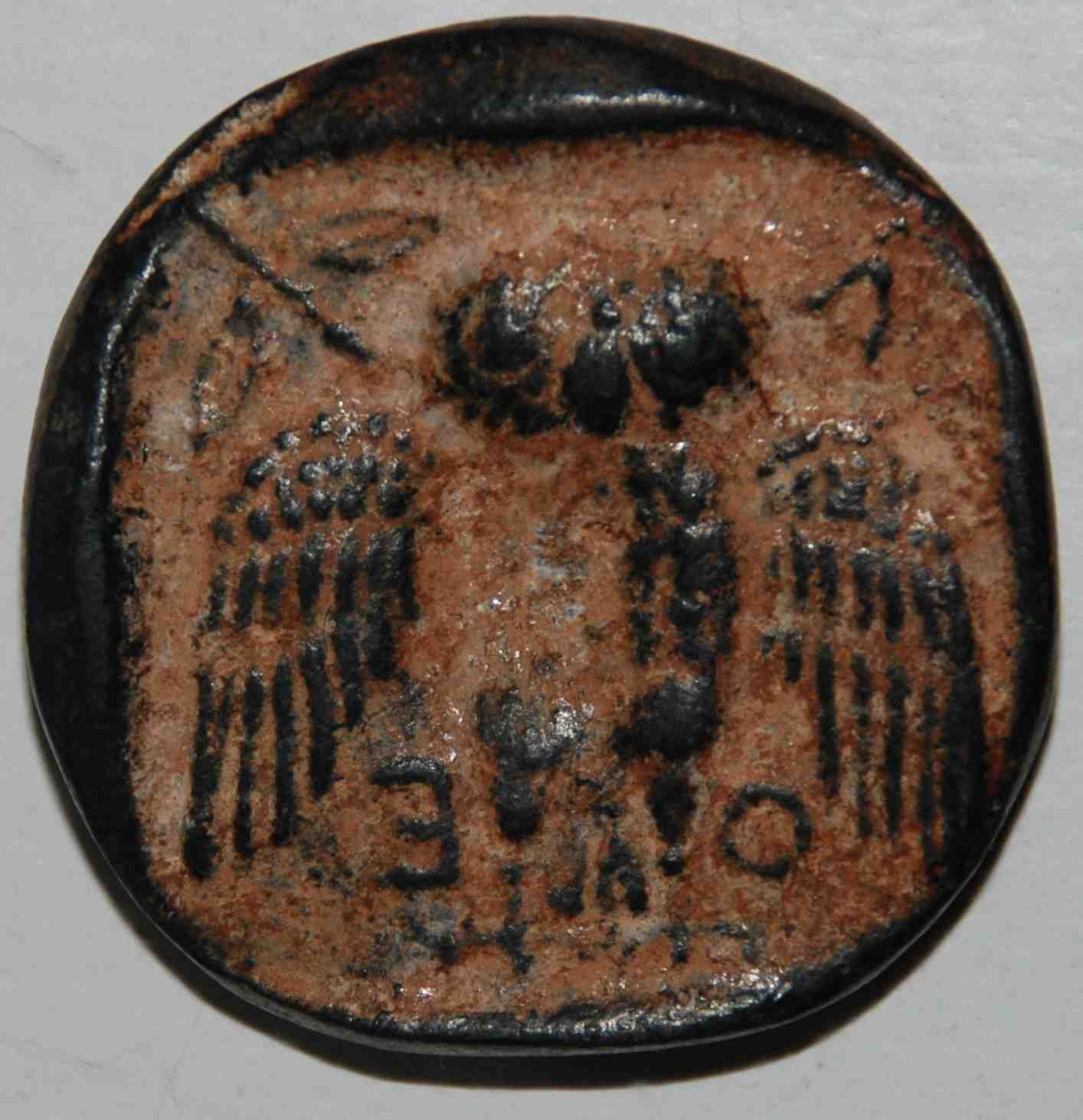 |
|
|
|
Pillar of the Community
United States
4253 Posts |
The first coin looks like a follis of Anastasius similare to this one of mine: 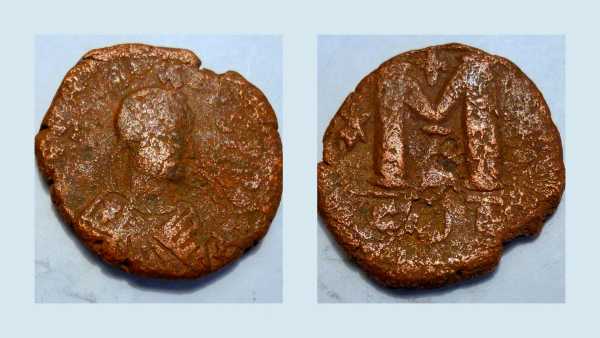 In this condition you might get $5-$10 The second coin I have no idea. Sorry |
|
Pillar of the Community
Bulgaria
843 Posts |
the secound coin is athenian owl bronze coin
|
|
Moderator
 United States
23731 Posts |
 to the community The first coin does appear to be Anastasius I 491-518 and is a folles indicated by the large M. The mint mark is below the M and is NIKOMI for Nicomedia. Sear #35. |
|
New Member
 Lebanon
16 Posts |
Thank you for your replies guys, I've been able to identify the 1st coin although the 2nd is hard to find, I found many with owls on the back although their wings were closed...
It's definitely Greek but I can't find the name yet...
|
|
Bedrock of the Community
United States
10045 Posts |
The second bronze coin is very interesting! Athena with an owl reverse is a common theme, but the portrait does look similar to the helmeted Athena on Athens coins from ~ 431-393 BC. To follow a hunch--what is the size and weight of this coin? One more observation--the letters around the owl could be "AΘE", which would corroborate the origin as Athens. Edited by DVCollector
02/29/2012 3:43 pm
|
|
Pillar of the Community
United States
1315 Posts |
|
|
Bedrock of the Community
United States
10045 Posts |
 It's in the style of an Athens Decadrachm, which is why I asked size/weight.  I have seen silver coins with a similar desert patina too. I did not find a match among known copies, although authentic examples are rare and very valuable. |
|
New Member
Lebanon
16 Posts |
Sorry for the late reply but I've been away. I took the coin to a Jeweler today and weighed it at his scale, it's exactly 25.03 grams, not sure what that means, I don't believe that it's a copy but how can I make sure either way?
P.S. The orange coloring is mud/sand, it comes off when I scratch it.
Thanks
|
|
Pillar of the Community
United States
1315 Posts |
Roy777,
The red sand is called a desert patina and is desirable by many collectors.
IMHO you should leave it as it is and not disturb the surfaces.
Regards
|
|
New Member
Lebanon
16 Posts |
I will not mess with it, I only scratched a tiny bit off the side to see what it was, another curious info is that the coin is not made of metal because it is not attracted to a magnet, where as keys, nails, or any other metallic object is.
I can't find anything like it online neither real or fake, not really sure what to make of it...
|
|
Pillar of the Community
United States
2596 Posts |
for the second coin, it looks like there is an A in the top right by the owls head and a O and E at the bottom of the coin so that would stand for Athens so it must be greek.
|
|
Moderator
Australia
16992 Posts |
The second coin is, unfortunately, a "tourist copy" of an Athenian dekadrachm. The spread-eagled owl design was only ever used on large silver dekadrachms and tiny silver trihemiobols. Quote:
another curious info is that the coin is not made of metal because it is not attracted to a magnet, where as keys, nails, or any other metallic object is. Only a few metals are attracted to a magnet - notably iron and nickel (and their alloys, such as steel). Aluminium, zinc, copper, silver and gold are all non-magnetic metals. Don't say "infinitely" when you mean "very"; otherwise, you'll have no word left when you want to talk about something really infinite. - C. S. Lewis
|
|
New Member
Lebanon
16 Posts |
That's the thing, it's not attracted to magnets so it can't be made out of iron or nickel, I've looked at quite a few copies online and none have similar characteristics, the coin doesn't really have any "tells"(evidence of castings, bubbles, the owl perfectly printed in the middle, etc.) I would suspect it had I found it on ebay or another online website, but I got this from someone in a tiny village in Lebanon, I doubt they have excellent counterfeit technologies over here. I am still new to the ancient Coin World and all my information has been from the internet, I have no hands on experience, it's why I've been looking at online pictures and tutorials to show me how I can tell if it's a counterfeit. Hopefully someone will help shed some definite light on this and thank you all for your contributions. |
|
Pillar of the Community
United States
4253 Posts |
Roy, I know nothing about the second coin, but if SAP says it is a fake I think you can take that to the bank. Sorry as I know this isn't what you were wanting to hear, but you do want the truth, and I believe SAP has provided that.
|
|
Moderator
Australia
16992 Posts |
Quote:
...but I got this from someone in a tiny village in Lebanon, I doubt they have excellent counterfeit technologies over here... I hate to break it to you, but a Middle-Eastern origin is a terrible provenance. Every single ancient coin the "villagers in Lebanon" - or Syria, or Turkey, or Egypt - sell to tourists or strangers is fake. All of them. They are more than capable of making cast copies like this. Selling genuine ancient coins is illegal in Lebanon; they wouldn't risk it for the sort of money a tourist is likely to be prepared to pay. Any genuine ancient coins found by the villagers are either handed in to the government or (far more probably) smuggled out of the country illegally. Don't say "infinitely" when you mean "very"; otherwise, you'll have no word left when you want to talk about something really infinite. - C. S. Lewis
|
| |
Replies: 19 / Views: 4,530 |







 Posted 02/29/2012 10:00 am





