| Author |
 Replies: 12 / Views: 2,745 Replies: 12 / Views: 2,745 |
|
|
Valued Member
United States
67 Posts |
I just got my 2 Jansjo lights to help in taking some better coin photos. Is there considered a "proper" position for the lights, 3:00 & 9:00, 6:00 & 12:00? Or do you take photos with the lights in a few different positions and then pick out the best photos from there?
I've also seen where some people have some kind of homemade diffusers attached to the lights. Care to share what those are?
Any chance there's a photo enthusiast in the Buffalo/Rochester, NY area that would mind showing me your set up? I hate to start spending a lot of money on equipment without a good idea of what I really need.
THANKS.
|
|
|
|
Pillar of the Community
United States
531 Posts |
I usually start with lights at 10:00 and 2:00. The angle from the horizontal is also important, you will see different results as you move your lighting on this axis as well. Work with different type of coins, copper, silver, unc, well circulated, etc. Keep notes on coin type and light positions, etc. Soon you will find what will work best for you. Try to minimize other light in the area so that your Jansjos will be the only light source on the coin being photographed. I can also recommend Mark Goodman's book on coin photography, it is well worth the cost.
|
|
Pillar of the Community
 United States
4050 Posts |
My favorite light positioning for a pair of Jansjos is:
10:30 and 13:30 (90-degrees apart to maximize presentation of luster)
~80-deg from horizontal (or as high as you can get them without direct glare from coin or holder surface)
100-125mm from the coin
Each of the 3 dimensions will affect the outcome and you should experiment with each to get the "look" you are trying for.
Best way to test whether diffusion will help you is:
- Take a picture with a starting position (eg as described above)
- Cover both lights with a piece of white tissue paper
- Take the same picture again
- Compare the outcome
Diffusers / Reflectors / "Directors" will help some coin photos but not others. Luster, reflectivity, etc will alter the need for diffusion. You will need to experiment and figure out from experience what coins need diffusion and what coins don't.
Ray
Contact me for photographic equipment or visit my home page at: http://macrocoins.com |
|
Valued Member
 United States
67 Posts |
GREAT. Thanks for your replies. That's exactly the type of info I was looking for.
|
|
Rest in Peace
United States
9104 Posts |
|
|
Valued Member
United States
70 Posts |
I started off with the 10 and 1 o'clock light positioning, but there was too many hot spots, so I had to move the lights around until they ended up around 11 o'clock (100mm from coin) and 3 o'clock (80mm from coin). But I still feel there are too many hot spots on the portrait. So I am going to try a diffuser. Have you heard of using parchment paper as a diffuser? It's more transparent than printer paper and is designed for baking so it can withstand high heat. I just think that printer paper may decrease the light too much to where I have to slow down my shutter speed...and I'm at 1/250 on this particular image.  |
|
New Member
United States
2 Posts |
wow, Louie, nice photo, what kind of camera are you using? May I ask.
|
|
Bedrock of the Community
United States
36953 Posts |
Louie that is a professional looking photo. Great job!
|
|
Valued Member
Canada
331 Posts |
Quote:
Have you heard of using parchment paper as a diffuser? I use parchment paper on both of my poor man's Jansjos (cheap LED flashlight heads). In my case it is worlds better than with no diffusers. |
|
Pillar of the Community
United States
4050 Posts |
That's a nice pic. Looks like you may need a bit of diffusion to get rid of the chroma noise, but if you add diffusion, you will end up trading off luster for evenness of illumination. The histogram of this image shows just a small amount of lost highlights. Before I went to diffusion on this coin, I'd recommend dropping the exposure a bit, perhaps 0.3-0.5EV. Then you can adjust levels without losing any highlights. I am not fond of "flat" pics with low contrast. That's not how coins look "in-hand". But if the lights are driving the sensor into chroma noise, you will need to diffuse. If/when you add diffusion, try Canson Opalux as your diffusion paper. It's available on Amazon for ~$5 per big sheet, more than you will use in a year of experiments. |
|
New Member
Thailand
6 Posts |
Hello, sorry to pop into your thread, I'm new to the forum, I've been searching for appropriate posts and found this one on discussing lighting. I'm unsure of what is acceptable when photographing a coin and at the risk of sounding redundant, wondered if there was a general guide to the ideal shot. My principal interest is horology and I would normally shoot a watch with diffused lighting ( thru' acrylic sheet or rice paper as a member above suggests ), is this the best way to shoot coins, or is naked light that shows off scratches, hot spots etc etc the best way....especially if one is looking to sell a coin...in the interest of absolute honesty and not wishing to deceive? My attempt at coin photography! 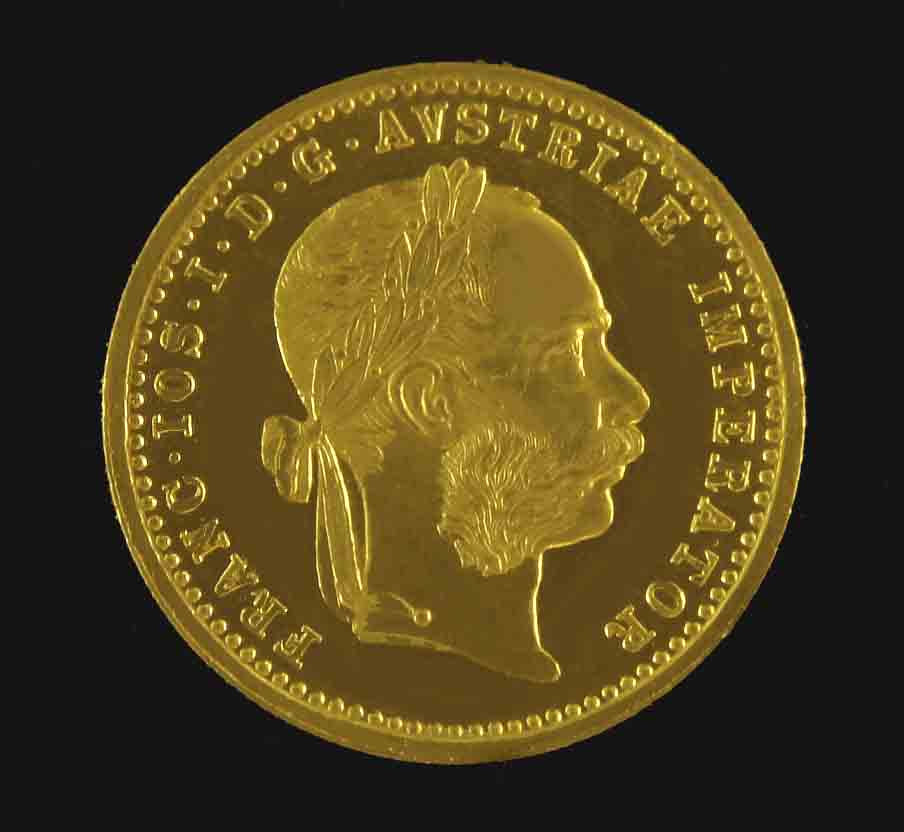 A typical 'diffused'' watch shot! 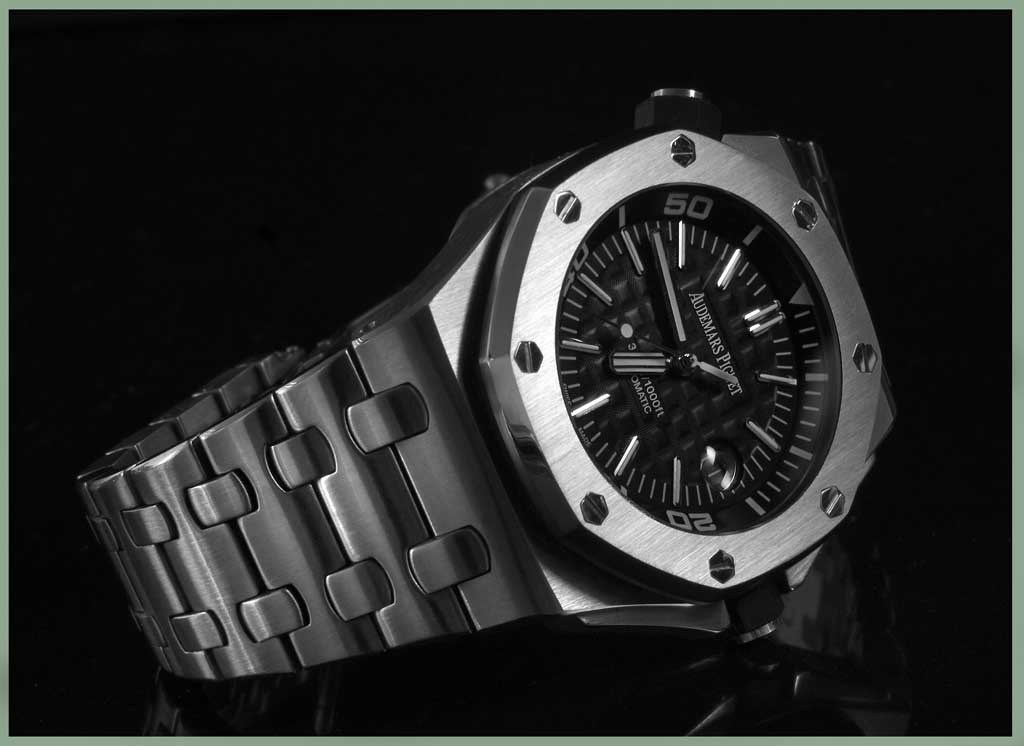 |
|
Pillar of the Community
United States
4050 Posts |
For watch shots, do you stop down the lens to get enough depth of field or do a focus stack? For coins, they are pretty flat so usually there is not a DOF issue but your watch shots have a lot of height to them...
On your coin shot, you have the light coming in at a pretty "low" angle. This is creating highlights on the edges of the devices rather than on the surfaces. This will emphasize surface issues, though it's hard to tell on the shot you published since it has a lot of masking artifacts in the fields.
My advice for full-coin shots is to bring the lights up to at least 60-deg from horizontal. I prefer 75 to 80-deg. Diffusion on each light to increase the "size" of the source is often required to minimize hotspotting, but too much diffusion on coins tends to obscure subtle detail that collectors want to see for grading and such.
|
|
New Member
Thailand
6 Posts |
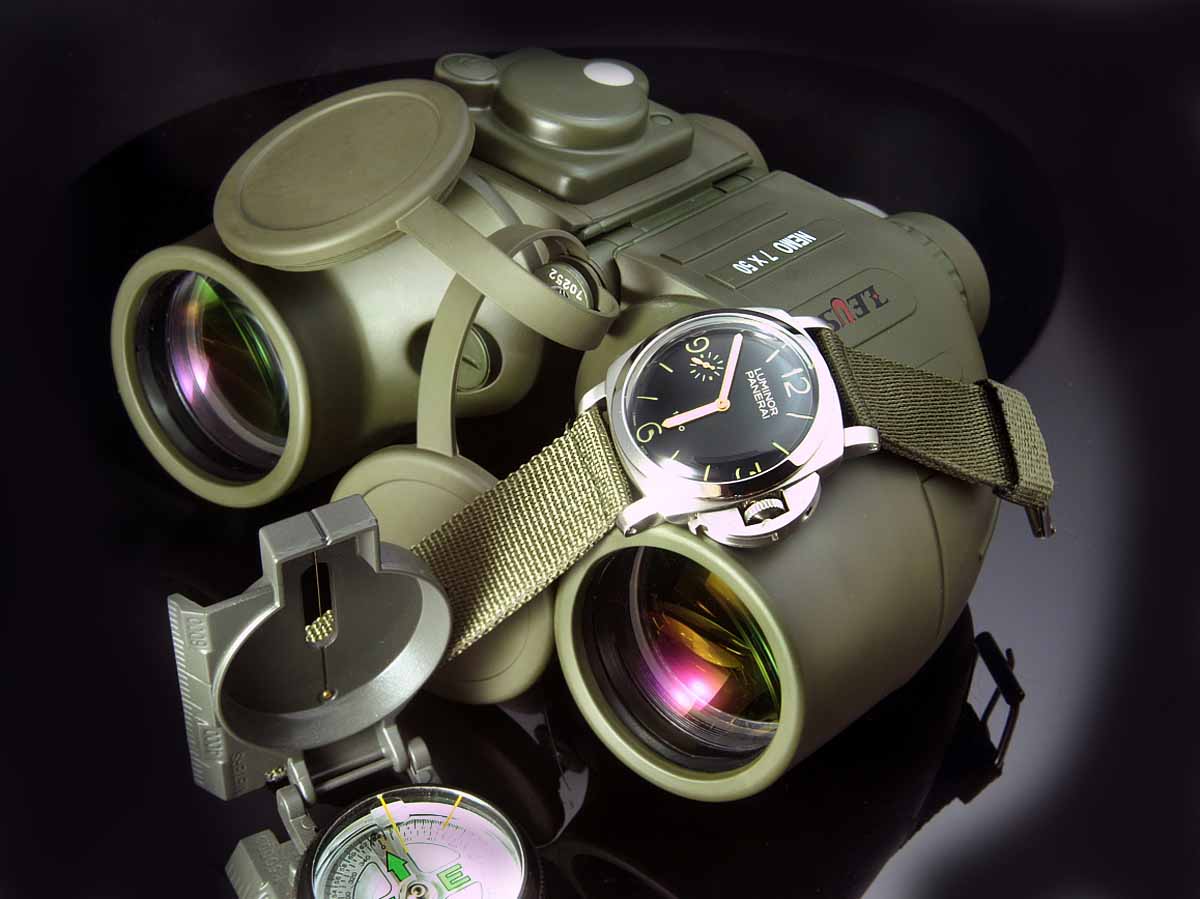
Thanks for the tips on coin photography, I'll experiment a little with softer diffusion and light angles and try to get it right, as I said, my aim is to show the coin accurately and not to mislead regarding coin condition etc. Thanks, no I don't stack watch images, for DOF, I use small apertures...f8 to f40 depending on subject matter, DOF can be an issue with watches, especially shot at unusual angles etc, but a good sturdy tripod is the answer, shot at the lowest ISO rating possible, also with digital you don't have to worry about reciprocity failure, so long exposures come out well and diffusion helps with so many shiny surfaces.
 |
| |
Replies: 12 / Views: 2,745 |
|








 Posted 03/20/2012 11:54 am


