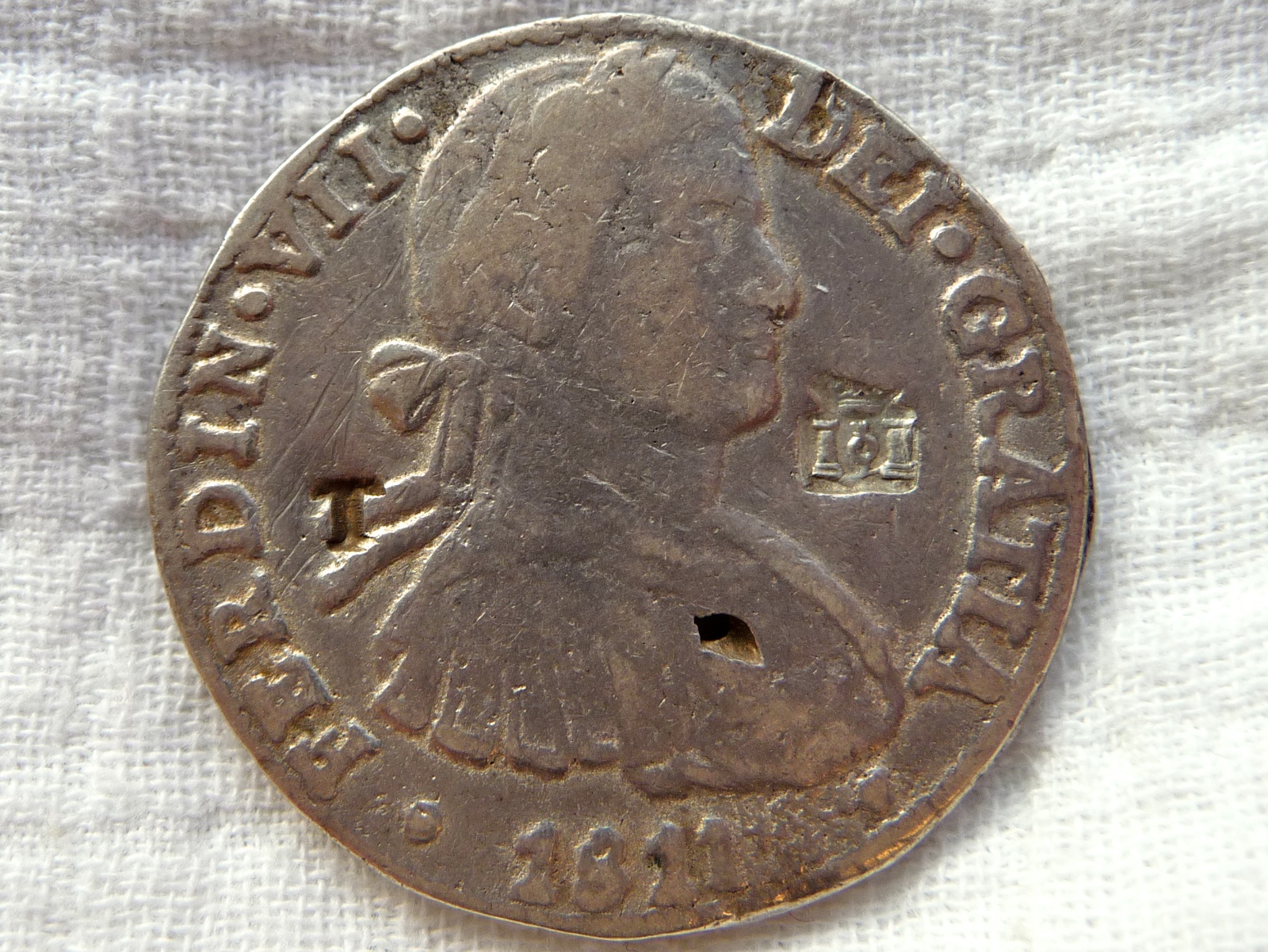
This coin is for Ferdinand VII specialists, other won't particularly find it cool ;)
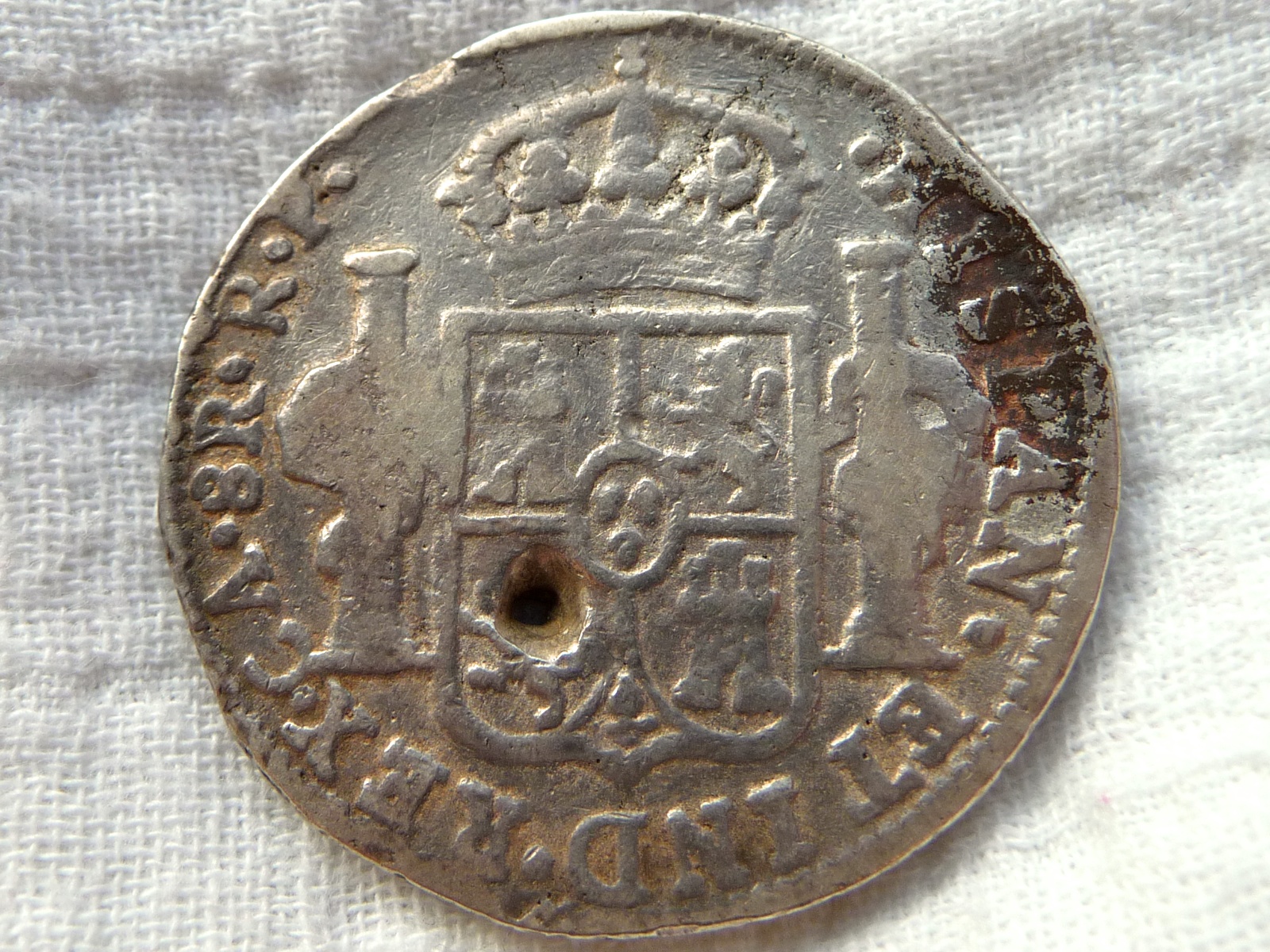
Unlike what one might think, is really in excellent shape.
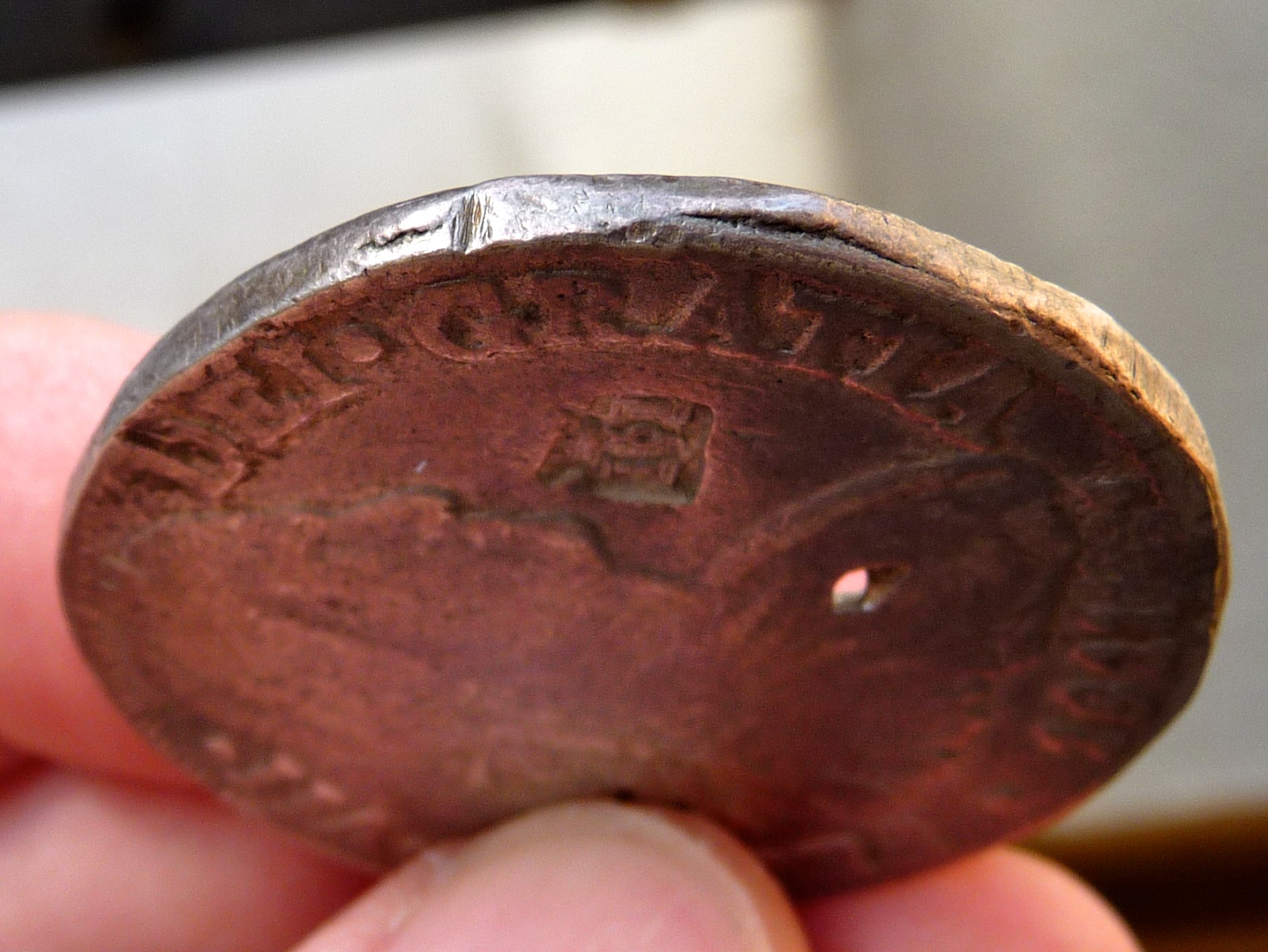
The coin was made from molten silver, using archaic molds - hence the look. But the two restamps applied to it are perfect, and show no wear: the currency is almost as done.
This is the story behind this coin:
In the last trimester of 1810, miners in the western mexican provinces were interrupting the path of silver collected for the Mexico mint, the War of Independence had begun. Insecurity was glaring in the transfer of silver. According to the minutes of the City Council of the City of Chihuahua, 28 March 1811 laying judged Miguel Hidalgo, mentions the following arrest of the leaders insurgents: "Hidalgo the most criminal and harmful to the Hereciarcas with his staff of Generals, Colonels, Brigadiers of faza and many of his evil (...) is the total loss experienced by the victorious Armas of Provas (...) seized 27 drawers, 10 cars, equipages , implements of war, money, 8 lots of silver coin". Hidalgo was executed for treason in this city of Chihuahua on July 30.
As in other cities in the province of Nueva Vizcaya, the lack of currency began to hinder trade, this led to the Governor and Commander in Chief of the Western Provinces, Don Nemesio Salcedo, to order the October 8, 1810 the opening of new mints, giving birth to that of the Villa de San Felipe de Chihuahua and Durango. On January 25, 1811 the Governor signed the order to start minting a provisional basis before the mints started working.
For lack of blanks in these new mints, work began using archaic techniques. In late 1812, the quality of work improved somewhat due to the arrival of Villagran and Guerrero from the Mint of Zacatecas.
Due to the low quality of manufacturing, many of these coins were thought to be false. Beginning June 24, 1815 order was given to reseal the coins for authentication with a T (Royal Treasury) and two crowned pillars (Comptroller of the Exchequer). This operation was checked and resealed at a cost of three thousand. As of July 14, 1817 190,000 pesos had been resealed.
The coinage of the mints continued provisional not well seen, so the September 5, 1818 was issued edict which required the acceptance of these coins under economic sanctions. (Mints of Nueva Vizcaya, MA Ortiz, 1965).
Original spanish text (my translation is a bit rough, I don't speak spanish and english is not my native english - it was a bit hard ...) :
Hereciarcas con su Plana mayor de Generales, Coroneles, Brigadieres de faza y otros muchos de su perverso (...) resulta de la total derrota que experimentó de las victoriosas Armas de Provas, provincias internas las quales se apoderaron de 27 cajones, 10 coches, equipages, pertrechos de guerra, dinero, 8 atajos de plata acuñada". Hidalgo fue fusilado por traición en esta ciudad de Chihuahua el 30 de julio.
Al igual que en otras ciudades de la provincia de Nueva Vizcaya, la falta de numerario empezó a dificultar el comercio; ésto llevo al Gobernador y Comandante General de las Provincias de Occidente, don Nemesio Salcedo, a ordenar el 8 de octubre de 1810 la localización de nuevas casas de moneda, surgiendo así la de la Villa de San Felipe de Chihuahua y la de Durango. El 25 de enero de 1811 el Gobernador firmó el bando para la puesta en marcha con carácter provisional de las casas de moneda antes
mencionadas.
Por falta de medios, en estas nuevas casas de monedas, empezó a trabajarse mediante el vaciado y no la acuñación de las monedas; utilizando, eso sí, una máquina cordonadora para marcar los cantos de las monedas, siendo en muchos casos su labor inapreciable. A finales de 1812, la calidad de los trabajos mejoró algo debido a la llegada de Villagrán y Guerrero procedentes de la Casa de Moneda de Zacatecas.
Debido a la baja calidad de las manufacturas el comercio daba por muchas de estas como falsas, comenzando el 24 de junio de 1815 a resellar las monedas para autentificarlas con una T (Tesoro Real) y un árbol coronado entre columnas (Contralor de la Real Hacienda). Esta operación de verificado y resellado tenía un coste de tres al millar. Hasta el 14 de julio de 1817 se habían resellado 190.000 pesos.
El numerario de las Casas de Moneda provisionales siguió sin ser bien visto, por lo que el 5 de septiembre de 1818 se dictó bando en el que se obligaba a la aceptación de dichas monedas bajo penas económicas. (Casas de Moneda de la Nueva Vizcaya, M. A. Ortiz, 1965).







 Posted 04/11/2012 10:19 pm





