











 Posted 04/07/2012 6:15 pm


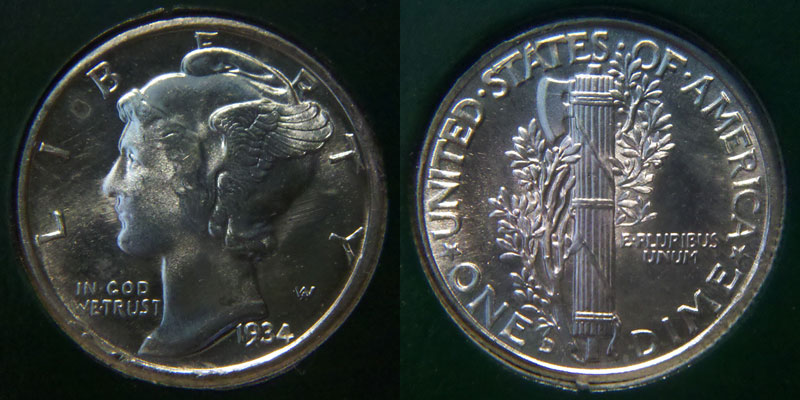
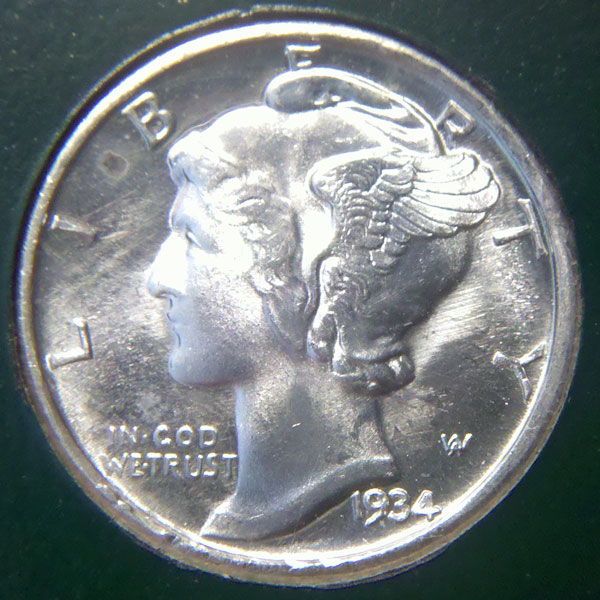
That is fascinating, CaptainFwiffo! I've never seen die clash like that in a Merc.
The way the "abrasions" run right into the head without touching it is a sign to me that there's something strange going on.
Is it just the lighting, or is there some doubling on the date?
I guess if there was any doubling of any kind, the abrasions wouldn't be so sharp...?
The way the "abrasions" run right into the head without touching it is a sign to me that there's something strange going on.
Is it just the lighting, or is there some doubling on the date?
I guess if there was any doubling of any kind, the abrasions wouldn't be so sharp...?


