| Author |
 Replies: 12 / Views: 6,669 Replies: 12 / Views: 6,669 |
|
|
New Member
Korea, Republic Of
38 Posts |
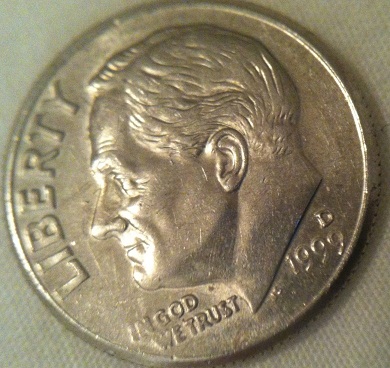
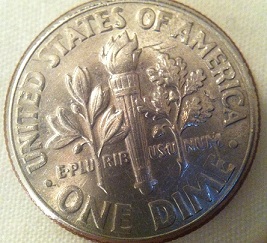
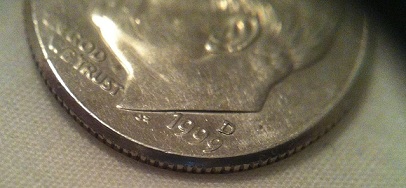
Is this a "railroad rim" or partial collar?   |
|
|
|
Rest in Peace
United States
1943 Posts |
The nickname "railroad rim" refers to an error called a partial collar strike. The nickname is misleading because the word rim in the nickname refers to the rim on a railraod train wheel and not the rim on a coin. A partial collar error happens when the collar only engages part way up around the planchet so when the coin is struck one half of the edge is in contact with the collar making this side the correct diameter while the other half of the edge of the coin is not in contact with the collar and will spread out over the top of the collar making the diameter larger on this side. So the visual effect if you hold the coin looking at it's edge is the effect of a train wheel with one half of the edge a larger diameter. The coin you have shown above is just slightly out of alignment on the obverse and the appearance of Reeding Marks is from a collar clash on the obverse die. |
|
Bedrock of the Community
United States
62064 Posts |
Here is an example: 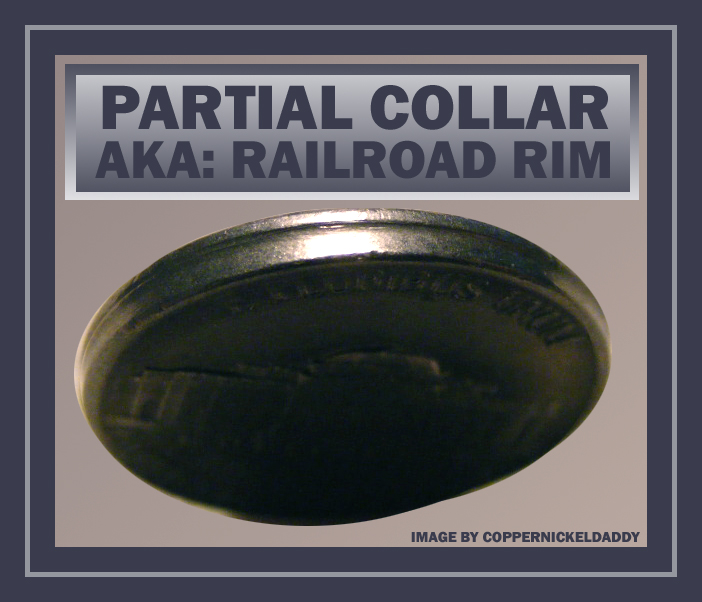 |
|
New Member
 Korea, Republic Of
38 Posts |
|
|
Bedrock of the Community
United States
62064 Posts |
It is a MAD coin. The ahammer die was not in alighnment with the fixed anvil die. When they are not correctly centered you get coins like yours. They are collectable when the devices fall over the edge of the coin. Here is an example: 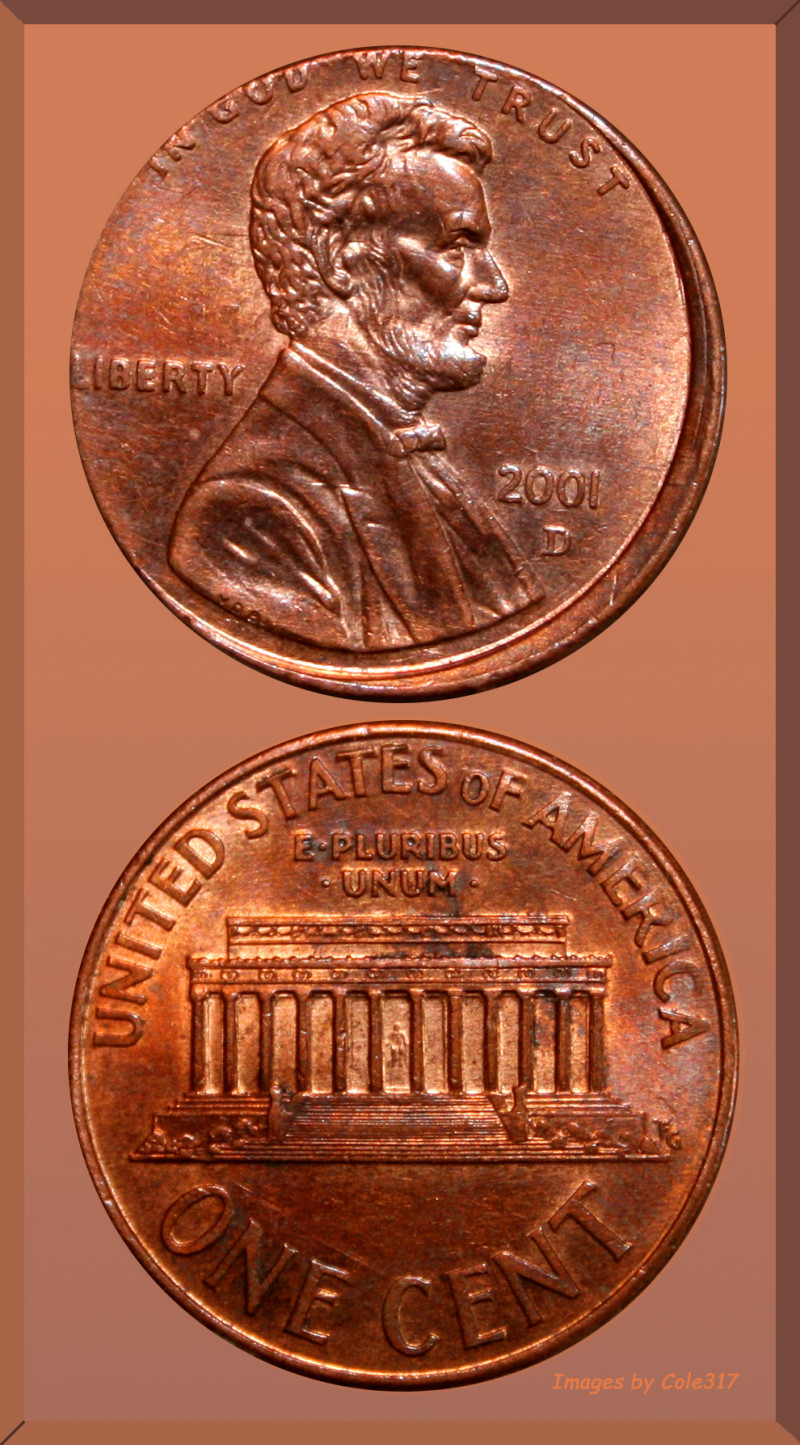 Yours isn't falling over yet. But now you know what to look for. |
|
New Member
Korea, Republic Of
38 Posts |
|
|
Bedrock of the Community
United States
17884 Posts |
The Original coin shows a collar clash.
The 1999 D believe it or not is normal.
|
|
Pillar of the Community
United States
1137 Posts |
whats up with the reeding on the 1999D?
|
|
New Member
Korea, Republic Of
38 Posts |
|
|
Bedrock of the Community
United States
17884 Posts |
Quote:
what is a collar clash? Clashmarks normally occur when the dies come together without a planchet between them and they transfer their images onto each other. In this case instead of the obv die hitting the reverse die it has hit the collar die and the collar transferred its image to the obverse die. The obverse die was originally misaligned far enough the the portion of the die that forms the upper surface of the rim clashed against the collar. Since the collar is reeded it left a saw toothed like clash mark on the die. Then the die was realigned back into its proper place. Then when coins were struck from it they show what appear to be a serrated clashmark on the rim. That is what is showing on the 2000 P rim above the LIBERT. |
|
New Member
Korea, Republic Of
38 Posts |
okay. thanks starting to understand, not there yet but getting there.
|
|
New Member
Korea, Republic Of
2 Posts |
Is that the same as an off center strike?
|
|
Pillar of the Community
United States
1137 Posts |
Kinmon1 - if it were off center, both sides of the coins would be off. This coin is not off center but is an example of a misaligned die and a collar clash, I just learned about the collar clash in this post.
|
| |
Replies: 12 / Views: 6,669 |
|







 Posted 05/13/2012 3:01 pm