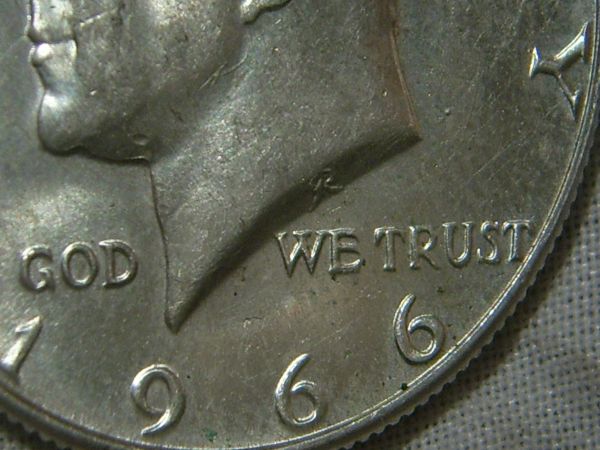
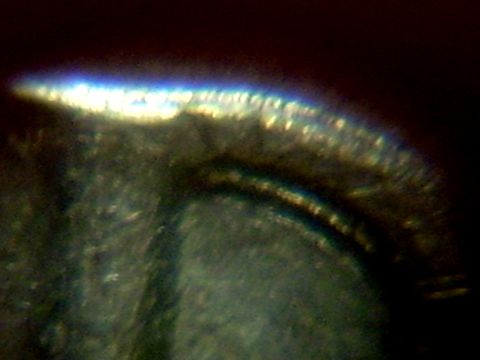
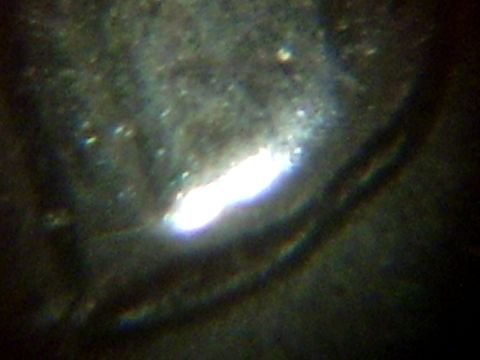
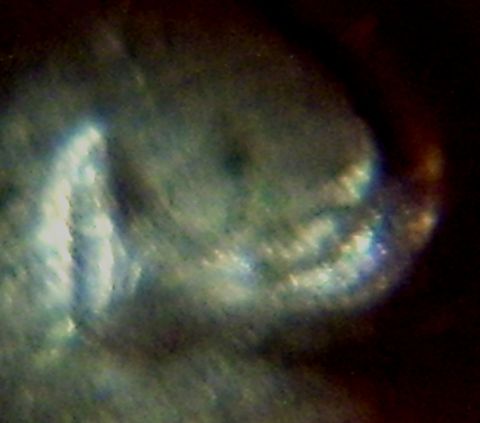
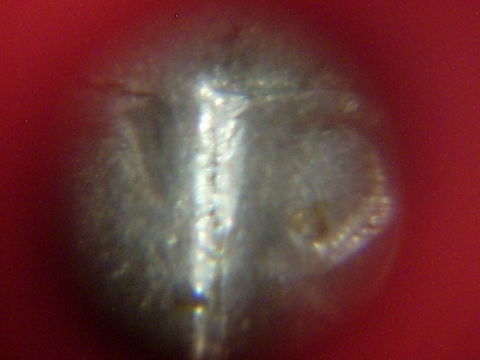
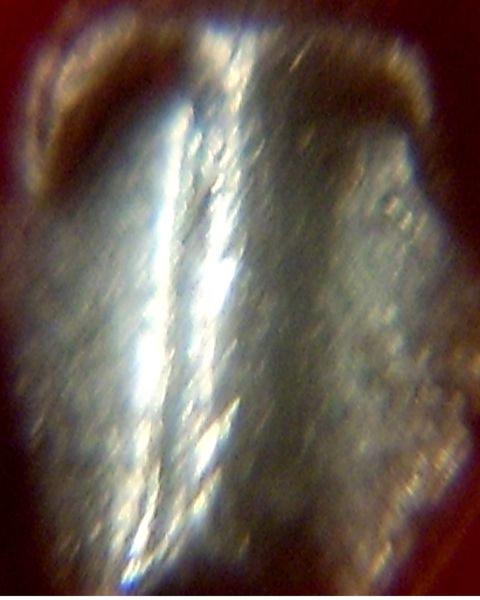
1. The coin is a normal coin. It shows what could be minor signs of
Machine Doubling.
2. Unholyroller, DrDon - both of you are correct and both of you are wrong:
Machine Doubling has at least four different causes, only two of which are expressed so far in this thread:
1. A coin can be struck twice, shifting slightly inside the collar between strikes. This is actually a very minor form of a double struck coin. Nice, wide naked eye examples bring a nice premium. The way to tell this form of
Machine Doubling clearly from the others is that the obverse AND the reverse are equally affected. This is referred to as
Strike Doubling.
2. A coin can be struck by a die which is fit into the press loosely. The die bounces on the coin shifting in position slightly between bounces. This also causes doubling that looks nearly identical to the type described above, but generally only affects one side of the coin - and that's usually the obverse. This form is referred to as die chatter.
3. A coin can be ejected before it comes completely off the die causing the details to be nudged to one side, leaving the impression of doubling. This is eject doubling, also a form of
Machine Doubling.
4. Die wear and abrasion from excessive strikes can cause the edges of the devices toward the rim to chip away leaving the impression of doubling. Rather than this being the malfunction of the machine, it is actually on the die itself, which in my mind removes it a little from the rest, but nevertheless is still considered a form of
Machine Doubling. This is most often called die-deterioration doubling.
So - both of you were right - you gave one form of
Machine Doubling and described it more or less accurately.
Both of you were wrong - in considering only one form of doubling as the only form called
Machine Doubling.
The commonality between these is that there is no premium value for any of them, they are all expected parts of running a coining press, NONE of them are doubled dies or die varieties in any stretch of the imagination, and all of them are very common.









 Posted 05/27/2012 12:16 am



 since I for one do not collect or look at


