| Author |
 Replies: 24 / Views: 2,945 Replies: 24 / Views: 2,945 |
|
Valued Member
United States
168 Posts |
Edited by w00zi
06/10/2012 7:01 pm
|
|
|
|
Valued Member
 United States
168 Posts |
|
|
Valued Member
United States
168 Posts |
|
|
Moderator
 United States
23731 Posts |
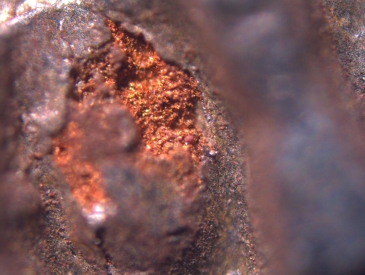
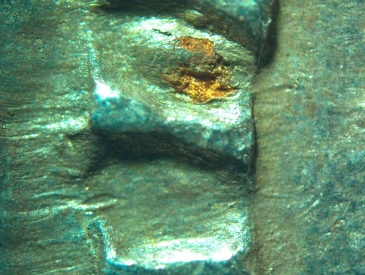
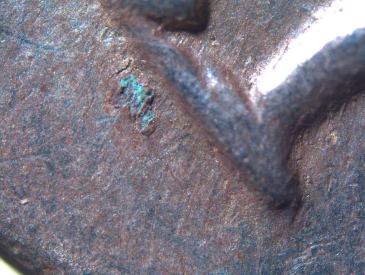
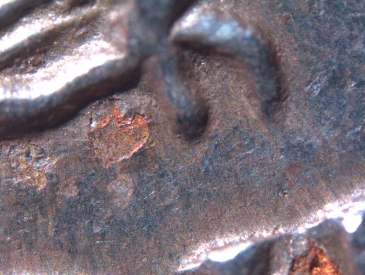
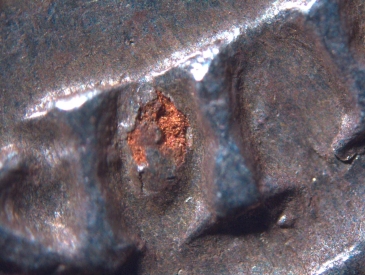
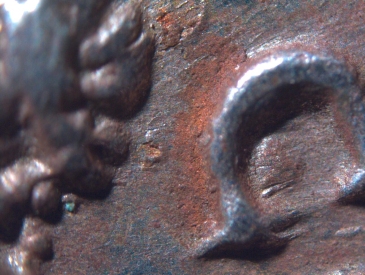
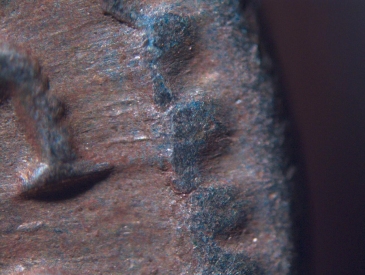
Interesting pics. What magnification did you use? The coin might be a fouree, looks like some BD starting.
|
|
Valued Member
United States
168 Posts |
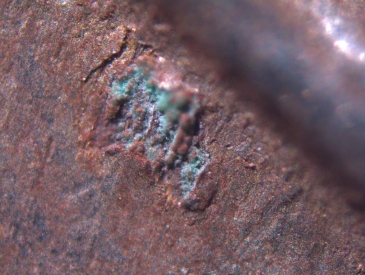
I believe the total magnification is between 50 and 100x. Is it possible for modern fakes to produce cuprite crystals?
|
|
Pillar of the Community
United States
4253 Posts |
Quote:
(am a graduate student in Genetics) Must be a smart guy unlike yours truly. Nice pics. I would love to be able to look at some of the unidentifiable coins I have or coins where I have trouble with the mintmark using your instruments. Very interesting. |
|
Moderator
United States
23731 Posts |
Wow my scope only goes to 30X, those are some nice clear pictures at that power. Your coin is probably not a modern copy. Would like to see pics of the whole coin though.
|
|
Valued Member
United States
168 Posts |
Quote:
Would like to see pics of the whole coin though Click the link at the top and scroll down to view my images of the whole coin. Edited by w00zi
06/10/2012 7:32 pm
|
|
Pillar of the Community
United States
1549 Posts |
A tool worth buying IMHO is a low end stereoscopic microscope. Low power is best but the 3D effect really lets you see interesting stuff on coins.
|
|
Bedrock of the Community
United States
10045 Posts |
Sharp pics!  The flow lines are very clear. |
|
Valued Member
United States
168 Posts |
Quote:
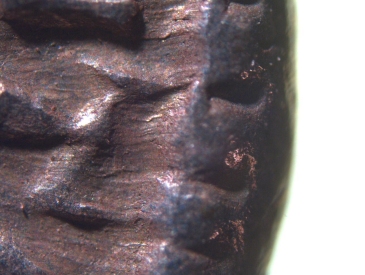
The flow lines are very clear What exactly are flow lines? Are flow lines depicted in my second picture? Thanks. I also found this site helpful but I don't speak Spanish (google translator is terrible)  http://translate.google.com/transla...sorillo.com/ http://translate.google.com/transla...sorillo.com/Edited by w00zi
06/10/2012 8:27 pm
|
|
Bedrock of the Community
United States
10045 Posts |
On the last pic you posted, I think the raised ridges going left are "flow lines"
Outward metal movement from the strike wears ridges into the die--correct me if this is inaccurate.
|
|
Pillar of the Community
3352 Posts |
Really? ... Ummm gawd, I'm pretty sure that if you zoom-in close enough on "anything", then it's gonna look kinda like something nasty from one of your college parties!!? However, those are certainly amazing photos, so "keep-up the good work in the genetics thang" ... => Every now and then I miss my college-daze ... then I wake-up and realize that I'm burning hotter now than I was then! ... => what the heck is retirement gonna be like!!   |
|
Moderator
United States
23731 Posts |
I remember the coin and that I had some concerns about the brown color between the letters. I believe the coin is from the period but maybe a fouree.
|
|
Valued Member
United States
168 Posts |
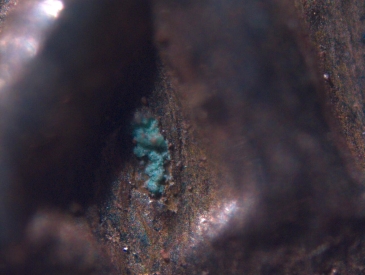
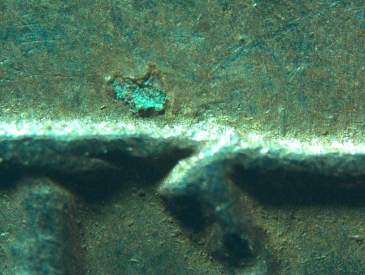
Thanks for the info! and I believe the green deposits are malachite (please correct me if I am wrong). The green deposits are not visible by the naked eye. And are fouree usually silver plated? If so I can easily do a density test to check the metal composition.
Edited by w00zi
06/10/2012 9:22 pm
|
|
Bedrock of the Community
Australia
21792 Posts |
Very few official silver coins of Caracalla were plated, but this appears to be one of them.
The corrosion products of the substrate metal suggest a copper (alloy) core.
Interesting.
|
| |
Replies: 24 / Views: 2,945 |











 Posted 06/10/2012 6:59 pm