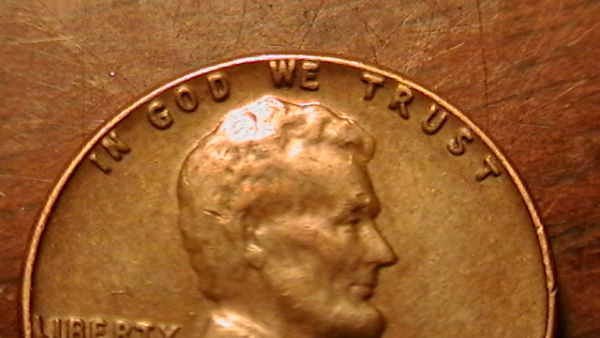
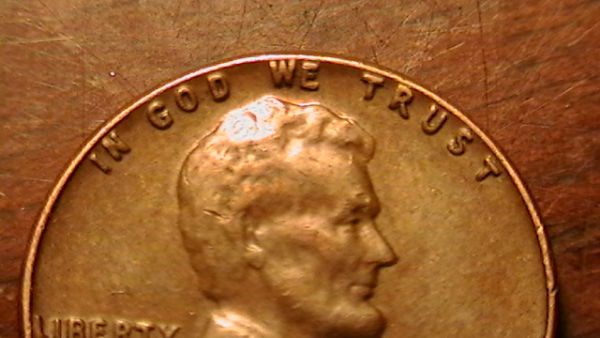
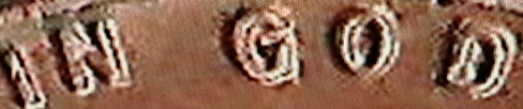
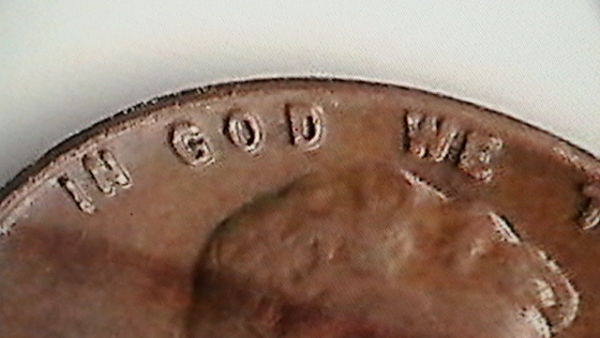
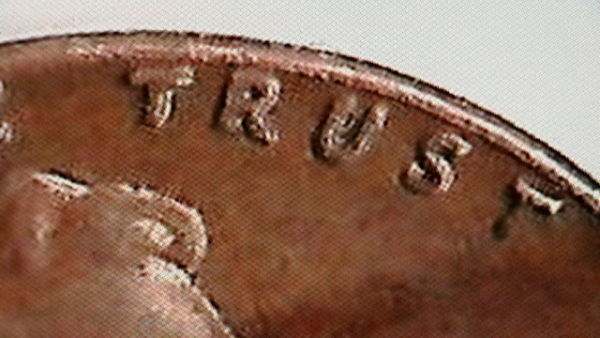
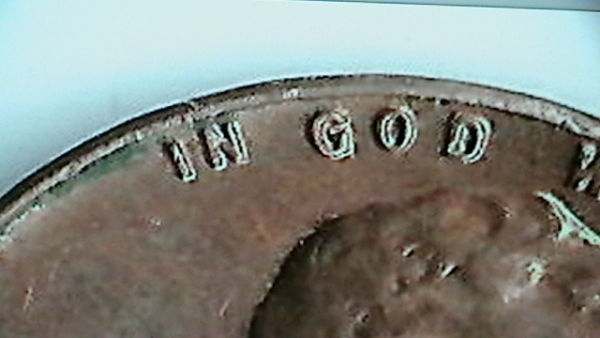
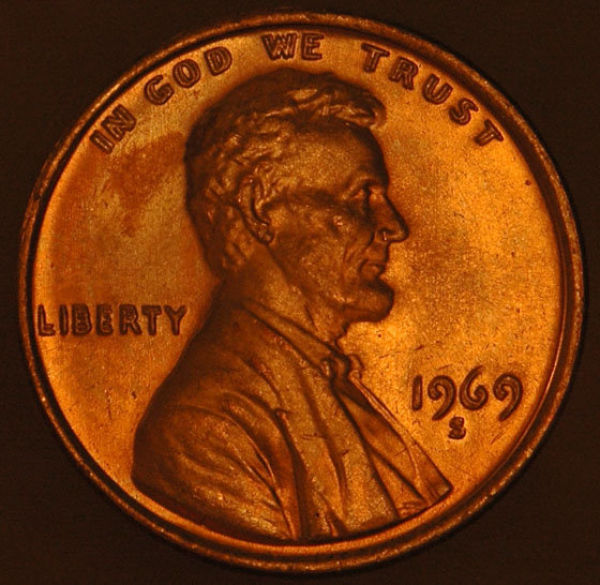
Sorry to say but your first two photos look nothing at all like the 1969-S doubled die. The rest of your pictures are too pixelated to say much of anything about them.
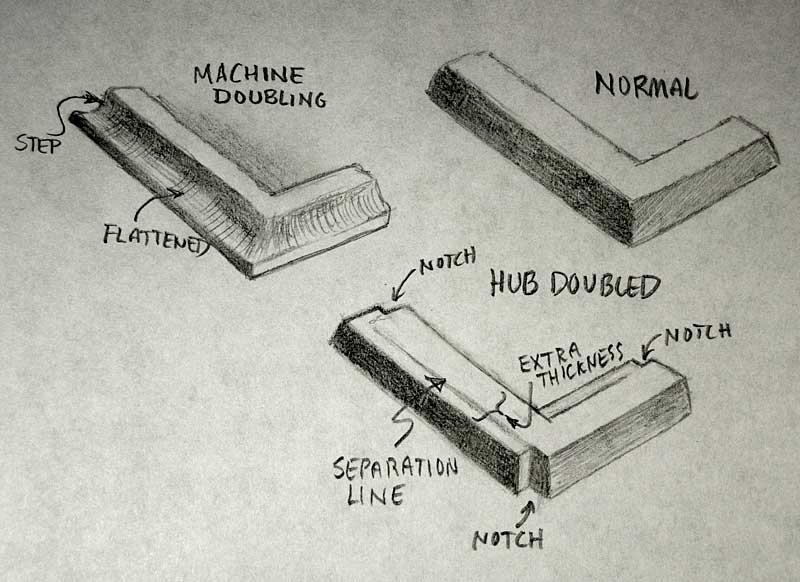
Machine Doubling is caused by loose die movement when a coin is struck, it leads to a flattened shelf-like doubling effect but the physical size of the devices is unaltered.
Doubled dies are created during the die production process. All dies start out as a shaft of tool steel. To create a die, the steel is impressed on a hub(positive die of a coin), annealed(heat treatment to soften the steel), and then hubbed a second time to fully impress the image. If the second hubbing is not perfectly aligned with the first hubbing, a doubled die will be created. It is essentially two separate impressions made on the die itself, creating a doubled image that can affect a small part of the details(such as an eyelid) or major portions of the design(such as the 1969-S
DDO). The doubling will have the same relief as all of the primary devices, unlike the flat shelf-like doubling caused by die bounce. Most classes of doubled dies will also display "notching" on the devices, a distinct separation of the serifs on the letters and numbers. Check out the drawing below for a visual depiction.
Machine Doubling is always considered to be common and it is an acceptable part of the minting process that adds no value to a coin. A few doubled dies would be considered somewhat common but most of them are fairly difficult to come by and the 1969-S
DDO is one of the rarest and most dramatic doubled dies in the entire
Lincoln Cent series.












 Posted 08/17/2012 4:23 pm


