Very hard to grade these, due to the nature of the design.
I guess that is why you have asked for a grade.
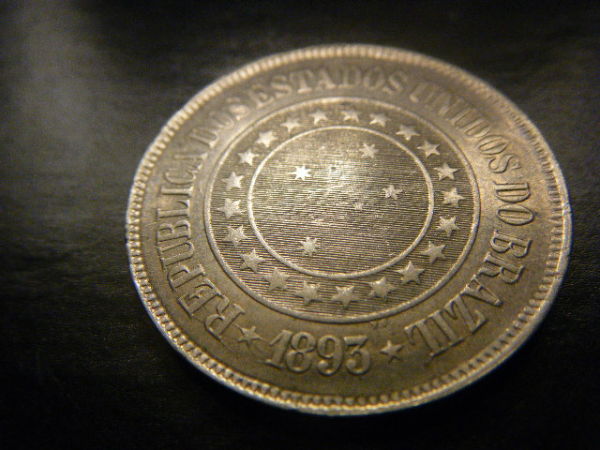
Perhaps the fine lines behind the Southern Cross are where you would look for wear.
Much the same approach as when grading U.S. 2 cent coins, or
Shield nickels, where you look for fusing of the fine lines.
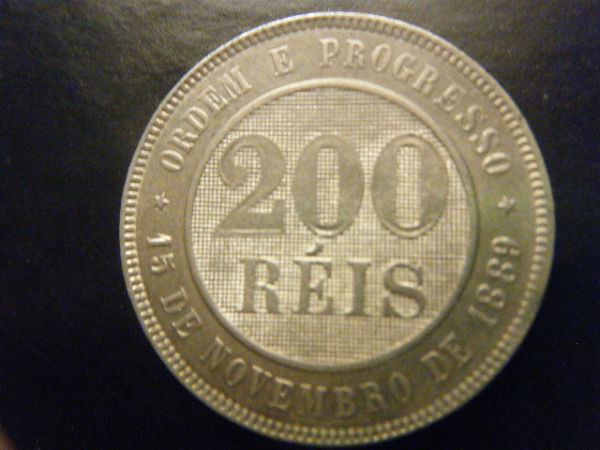
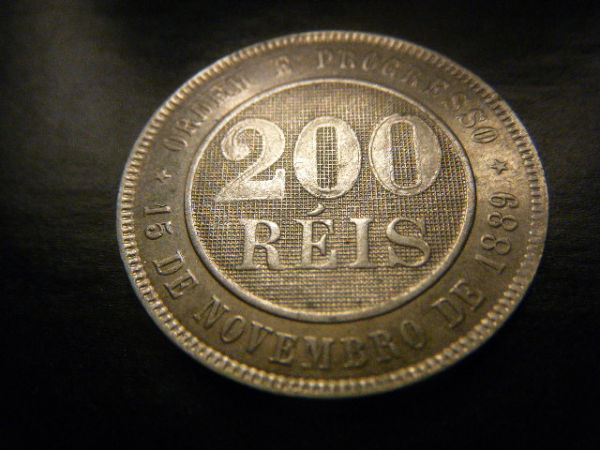
The ridges that define the '200' are also where you would look for wear.
The smallest star in the Southern Cross is the first to 'switch off', due to wear.
VF45, because it is hard to see the ridges on the inside of the '0' 's, in these pictures. A half grade better than my example, I also have to 100 and the 50.
In the real Southern Cross, it is the smallest star pictured here that is the is the first to twinkle, then switch off, due to atmospheric pollution. However, I think this coin will be long since cease to exist before the Southern Cross does!
I look up into the night sky, and the SC is an obvious constellation. You can find South by extending the axis of the Cross through it's foot, by another cross length, to a black spot in the sky, and dropping a vertical to the ground.
That spot on the ground is the direction of due South.
Probably a bit easier than looking for Polaris in the Northern sky, because the SC is so obvious, there four stars that have to be obscured by cloud, rather than just one tiny one.
SC also found on Australian and New Zealand flags.













 Posted 08/20/2012 11:03 am


