| Author |
 Replies: 10 / Views: 2,394 Replies: 10 / Views: 2,394 |
|
|
Valued Member
Canada
331 Posts |
 Yesterday I made a ring light from a $7 24-LED light I bought from Canadian Tire. The method is very similar to http://www.dansdata.com/ringlight.htm, except that I wired mine for AC power with an old 6V 300mA transformer. Also, I drilled out the centre of the light with a 2 1/8" (about 54mm) Forstner so that the shell slips over the filter of my 60mm dedicated macro lens (52mm dia) and is held in place by a 52->55mm step-up ring that acts like a retaining ring. Anyway, for $8 and some tools and parts I had around I fashioned a nice bright ring light source.  I took a few sample shots of different coins with the undiffused ring light and the results are... interesting. I have no idea what I'm doing. I hear SD uses a fluorescent ring light and that other people have experimented with ring sources. I guess the info I'm after is under what circumstances a ring light is useful for lighting coins. I'll try getting the "B&W look" shots out of encapsulated proof coins. I haven't had much time to experiment yet, but check out a few bizarre initial shots: $20 NCLT, modern Canadian specimen strike (matte parallel lined field, mirror devices), encapsulated, ring lit: 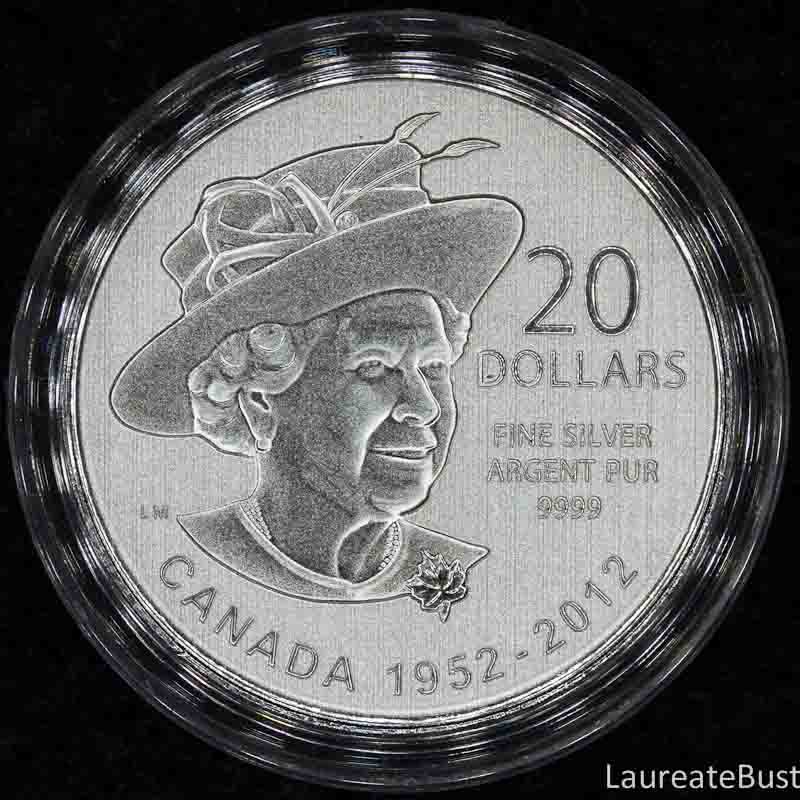 1939 MS silver dollar, in 2x2, ring lit: 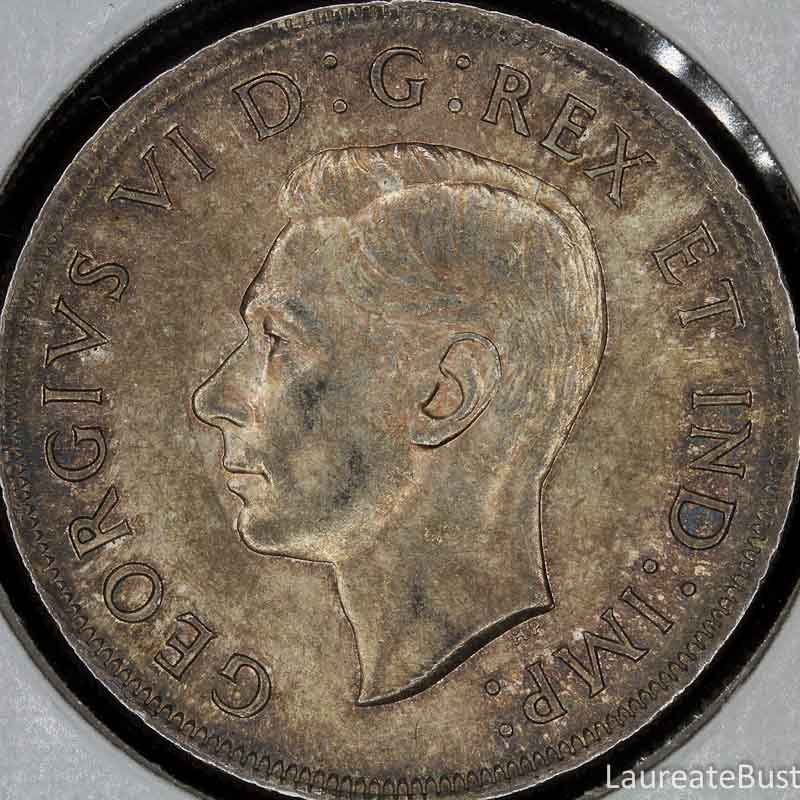 Same coin as above, in 2x2, dual "poor-man's jansjos": 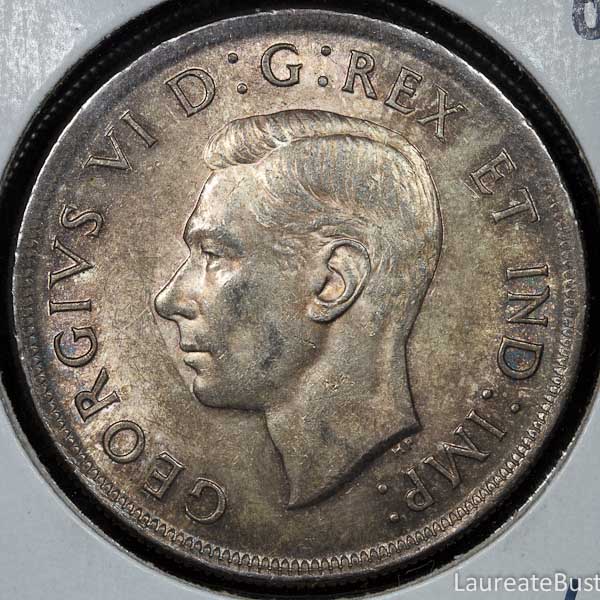 1951 MS silver dollar, in 2x2, ring lit: 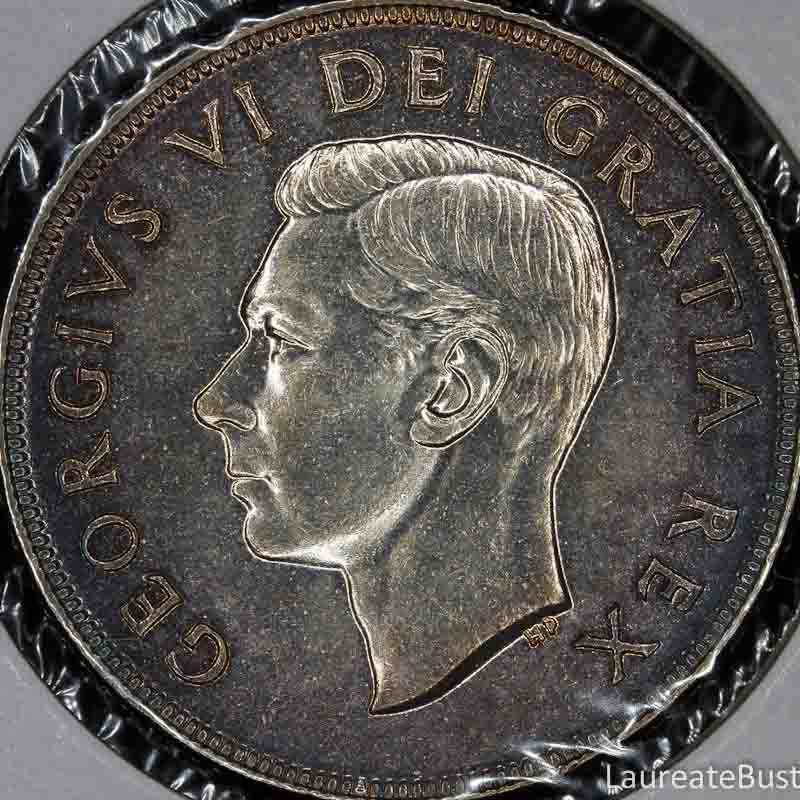 Same coin as above, dual "poor-man's jansjos": 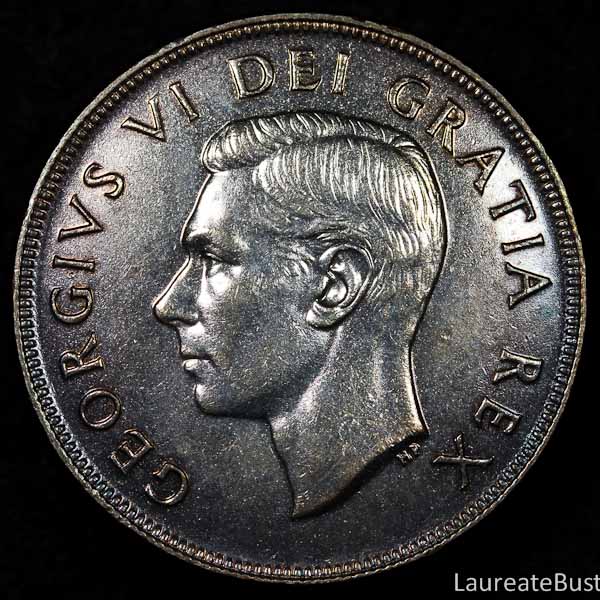 2001 AU penny, business strike: 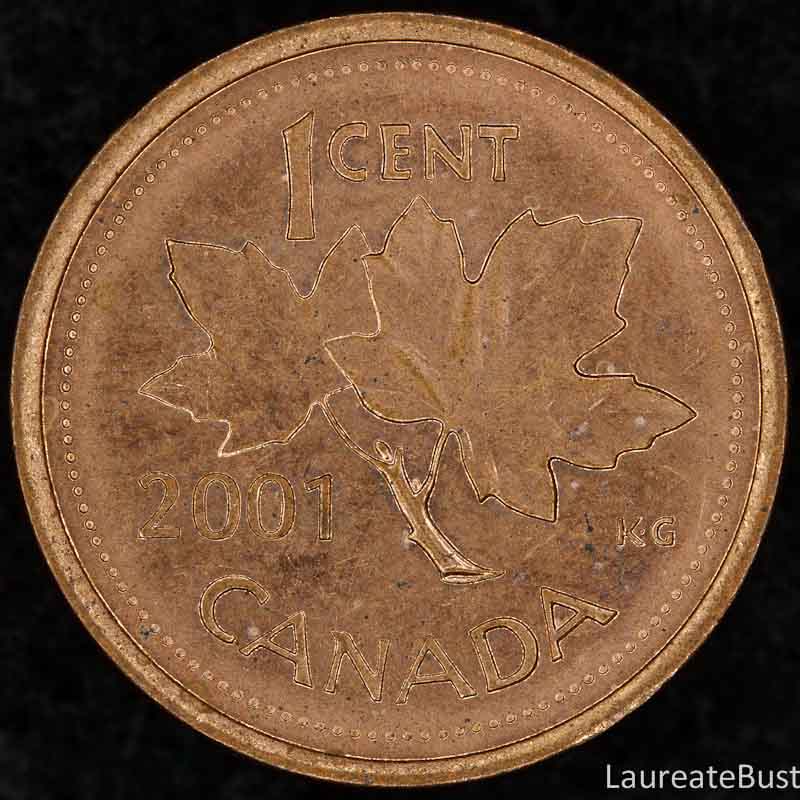 2011 MS nickel, business strike:  Comments (and especially help) welcome!
|
|
|
|
Moderator
 United States
56855 Posts |
All the shot look nice but the one cent.IMHO, John1 |
|
Valued Member
 Canada
331 Posts |
The one cent is definitely the biggest loser here, no question! I'd say the ring light acts like a lustre killer, because that penny is a typical, circulated AU red cent, not dull like it appears in that photo. Here's a shot of a proof NCLT 50 cent, encapsulated, ring lit: 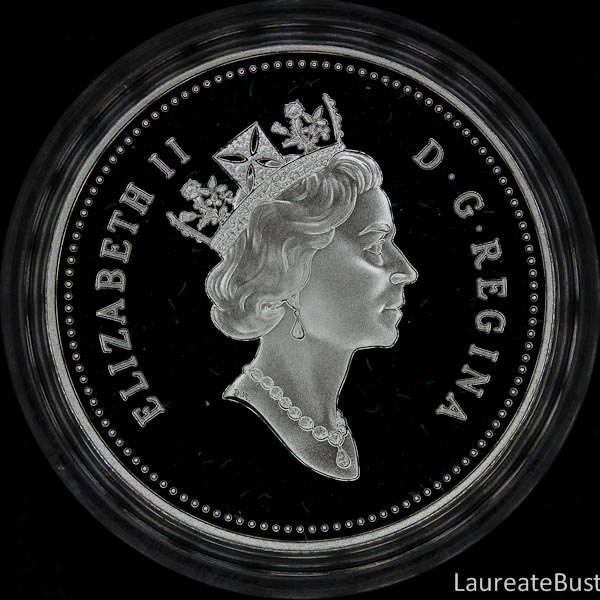 The green fibres are bits of the case flocking that seem to have gotten inside the capsule somehow... Still, here's a situation in which the ring light seems to excel. |
|
Pillar of the Community
United States
4132 Posts |
Ring lights do seem to do nicely with proofs, that's for sure.You can see all the individual LEDs around the capsule and the edges of the bust - have you tried adding some diffusion over them?
|
|
Moderator
United States
23522 Posts |
I use the ring fluorescent solely for Proofs. Now you know why.  |
|
Valued Member
Canada
331 Posts |
Quote:
have you tried adding some diffusion over them? Not yet. This ring light has only been set up (and somewhat crudely) for about 18 hours, and I'm away for a good chunk of the weekend. I'll probably get the chance to try some more shots on Monday. Diffusing my poor man's jansjos with parchment paper helped tremendously, so I expect it to improve these shots somehow too. You definitely can see the individual LEDs in the capsule, and the effect is not a pleasing one in my opinion. I guess I kind of knew going in that B&W effect proof shots were obtainable using ring lights. Of the other shots I've shown, I see the greatest potential in non-lustrous coins such as brown pennies, or coins with strong toning like the '39 dollar above. The toning is also more visible on the '51 dollar using the ring light, but the bust almost looks like a negative image of what I'd expect in-hand. Edited by LaureateBust
08/31/2012 1:48 pm
|
|
Moderator
United States
23522 Posts |
You'll find the arrangement far better with copper than silver, and generally better as the grade goes down. Still, I never achieved a "look" that satisfied me during my experimentation with anything other than Proofs.
It does detail nicely. Down the road, I'm going to try it with high magnifications - I suspect the result will be quite favorable.
|
|
Valued Member
United States
66 Posts |
10 and 2 is all you need. 10 and 2...
|
|
Pillar of the Community
United States
4051 Posts |
Quote:
It does detail nicely. Down the road, I'm going to try it with high magnifications - I suspect the result will be quite favorable. I believe you will be happy with it. I use a ringlight on the MZ7 or with microscope objectives on bellows for most of my high mag work. It isn't always best, especially if you are trying to show a particular shadow effect, but most of the time it's the best method for high mags. Quote:
10 and 2 is all you need. 10 and 2... I sorta like 10:30 and 1:30 since 3 hours apart maximizes luster and gives a nice X effect on the luster bars. Contact me for photographic equipment or visit my home page at: http://macrocoins.com |
|
Pillar of the Community
United States
1304 Posts |
I'm always looking to improve or find something to try. I have to ask if a ring light has had success on PCGS, NGC, or GSA prooflike or deep mirror prooflike coins. If so, would the following item be something that would be adaptable to a macro setup (such as Ray's microscope setup with say a 75mm enlarging lens)? http://www.ebay.com/itm/40031887845....m1423.l2649 |
|
Pillar of the Community
United States
4051 Posts |
I think the ringlight approach works well on slabs, but I have no experience with it (yet). The discussion of high mags with ringlights got me to make a comparison pic. Here's the detail around the date of a 1956-D Cent taken with a ringlight, followed by two diffused Jansjos. Note I did not take care to change white balance on the ringlight shot. The Jansjo shot is fairly accurate for color.  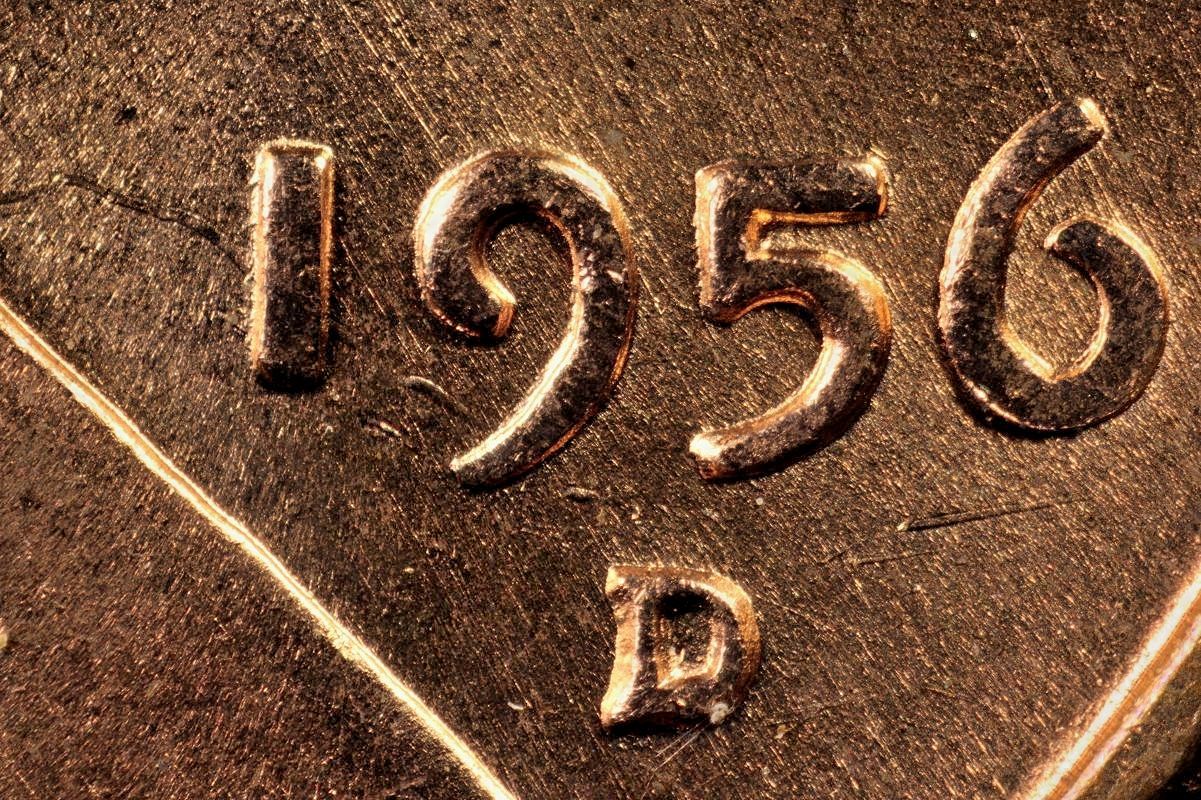 Contact me for photographic equipment or visit my home page at: http://macrocoins.comEdited by rmpsrpms
09/01/2012 2:20 pm
|
| |
Replies: 10 / Views: 2,394 |
|










 Posted 08/31/2012 1:22 pm