| Author |
 Replies: 27 / Views: 16,612 Replies: 27 / Views: 16,612 |
|
|
|
Pillar of the Community
Philippines
1156 Posts |
Hi Boston my standard recommended action is "dont clean"! however if it really gets to you as it does to me whenever I see goo and tar it goes like this: If its an expensive coin, and the country, denomination & year is readable, dont clean, just sell it and let the new owner take the risk or keep as is if it gets to you, use an ear cotton bud with acetone, when the goo or tar is gone faint rubbing lines may apear. The goal is one micron thickness off at a time, there is no shortcuts like soaking or brushing etc. So be mentally prepared to be patient, always checking every 4-5 rubs The result would either be great or a disaster, either way the gunk will be gone, and if you dont miss the gunk, then it'll be great hope that helps  |
|
Bedrock of the Community
United States
20753 Posts |
Quote:
Try:
water
detergent and rinsing immediately,
acetone and
physical removal,
in that order.
Never, ever, ever do this. As has been explained over and over, anything that is man made can and does vary constantly. Detergent is a word for possibly hundreds or thousands of products. For example a soap called Lava is so abrasive it is used by mechanics to remove almost anything. Most detergents do not specify what is in their products since the formulae is proprietary. DO NOT USE ANY DETERGENT ON COINS. And rinse with what? This would indicate to many tap water. Also, not good for coins. In some areas it kills house plants due to Chlorine or Salts added from a water softener. DO NOT USE TAP WATERON COINS. For some of the best usages of Acetone on coins, simply use the Search tab at the top and use words like Acetone, coin cleaning, cleaning coins, etc. Not sure about where your at but here in the USA Acetone is sold in almost anyplace that sells paint and by the quart. Usually by me for about $4/quart. For any rinsing always use Distilled water. Unless you really don't care about those coins, if Acetone and distilled water will not work, then I suggest leaving them alone. And do not pick at stuff on coins with any sharp objects such as a porcupine quill, toothpick, screwdriver, woodworking chisel. Might as well just run the coins through a wire wheel. I wish we had a sticky type thing for Acetone, coin cleaning, etc. |
|
Moderator
 United States
196702 Posts |
Quote:
You need to rinse the coin off quite thoroughly afterwards, otherwise the organic goo dissolved in the acetone will re-deposit back on the coin when the acetone evaporates off. It needs to be clarified that you should rinse with fresh acetone, not water. |
|
Rest in Peace
United States
1729 Posts |
I've had excellent luck with Goo-Gone and a toothpick in removing both organic glop and gum, but I've never used it on a valuable coin. It certainly doesn't damage the coins I've tried it on, and it's not flammable like acetone.
|
|
Pillar of the Community
United States
8535 Posts |
Oregon coin geek.....*** GO BEAVS ! ! ! ***
|
|
Pillar of the Community
United States
8535 Posts |
I had never heard of it before.
Oregon coin geek.....*** GO BEAVS ! ! ! ***
|
|
Pillar of the Community
United States
3552 Posts |
For any of the members interested in drilling down a bit further into these exotic type of chemicals' characteristics I extracted the following verbiage from the Goo-Gone MSDS (material safety data sheet): ----------------- Inhalation: May cause headache, nausea, drowsiness, central nervous system depression, convulsions and loss of consciousness. Flash Point: 186 F (86 C) Autoignition Temperature : > 450 F Extinguishing Media: Foam, carbon dioxide, and dry chemical. Leak and Spill Procedure: Evacuate area and turn off all sources of ignition. Conditions to Avoid: Sources of ignition. Incompatible Materials: Avoid contact with oxidizers. ---------------- I know it may be overkill to even mention this stuff but no one reading this can now ever complain that they were never informed. An oxidizer (hydrogen peroxide or certain certain types of acids...) is a chemical substance that can have the tendency to provide excess oxygen when exposed to higher temps. Consequently, these types of chemicals can potentially be a fire and/or explosion hazard when they come in contact with combustible types of materials: ie.: plastics, paper, wood, etc. Just when you thought you were out of the woods with the OK to use this type of product isn't it also nice to know that even weak sources of ignition like static electricity or friction are capable of generating a sufficient amount of heat energy to ignite these combinations of combustible materials and oxidizers.  I am not implying that it is necessary to be grounded with a wrist strap or showered with positive and negative ions via air deionization equipment but it certainly would not hurt at a minimum to always keep a fan pulling the vapor away from the work area when using Goo-Gone. fyi, mdpmedia |
|
Bedrock of the Community
Australia
21792 Posts |
Good old soap 'n water works just fine on gold coins!
|
|
Bedrock of the Community
United States
20057 Posts |
Be VERY careful following internet "advice". There are literally thousands of wrongs and half truths lurking in the shadows. 99% of what you read will cause permanent damage to your coins.....so far this thread is no different.
When starting any conservation project, follow the solvent polarity ladder. Soak for a couple of hours in the following solvents. Be sure to rinse well with the SAME solvent at the end of the soaking. Stop when the desired results are obtained at any stage.
1) distilled water
2) acetone
3) xylene
For the average Joe, these are the only three readily available and coin safe solvents. NEVER use household cleaners, detergents, soaps, olive oil, lemon juice, Brasso or ANY of the other crap generally recommended by the masses. They all will lead to a ruined coin.
|
|
Bedrock of the Community
United States
20057 Posts |
Quote:
Thanks for your detailed reply.
Here's a 'before' picture
It appears you have simple verdigris. It is NOT tar or ink! It is basic, copper corrosion that results from exposure to humidity and air. There are three levels of verdigris: light, moderate and heavy. The first two levels can usually be successfully conserved, however, heavy verdigris cannot be removed without causing permanent damage to the coin. I suggest you give my product, VERDI-CAREâ„¢ a try. It can usually resolve light to moderate verdigris problems without damaging the patina. Lincoln Cent Lover!VERDI-CARE™ INVENTOR https://verdi.care/
|
|
New Member
 United Kingdom
33 Posts |
BadThad,
It's definitely not verdigris.
It's actually green felt pen ink and the culprit is sitting on the floor beside me - my god-daughter; the coin is out of her dad's box of oddments.
I would be reluctant to try your product without a list of ingredients and presumably that's confidential.
Also, I'm not in the US at the moment and probably couldn't import it.
I've yet to try on the tarred coin.
|
|
New Member
United Kingdom
33 Posts |
Here are the before and after images. Before: 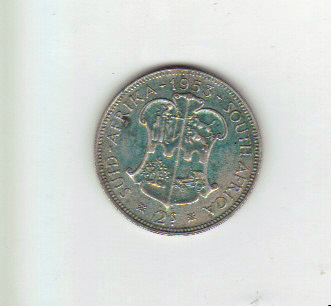 After: 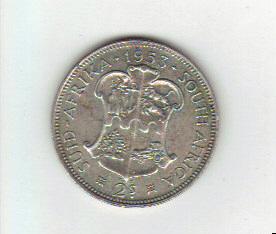 There are still some vestiges, however as it's not a valuable coin, I won't spend any more time on it. I will encourage Catriona not to colour in any more coins (old ones, at least). |
| |
Replies: 27 / Views: 16,612 |





 First Page


 Posted 09/13/2012 10:27 am


