| Author |
 Replies: 8 / Views: 1,882 Replies: 8 / Views: 1,882 |
|
|
Moderator
 United States
23731 Posts |
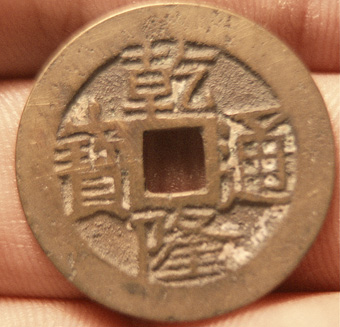
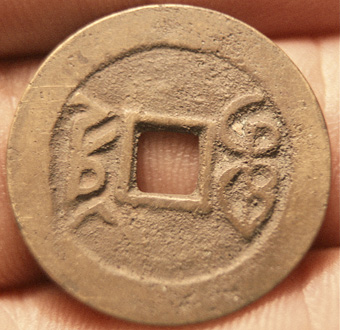
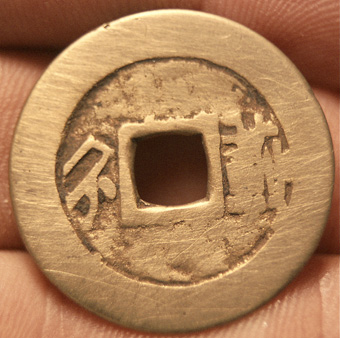
Here is a subject that is not often seen on the forum, and I really don't know if I will see many replies to it. One area of ancient coinage that seems to be over looked by most collectors is Chinese cast coins. Coinage in China is believed to have developed long before it did in the west. Granted the coins were odd shaped, (spade, knife, etc..) but they were still a form of coinage. Up until circa 221 BC, China was a group of different states. Qin Shi Huang 259-210 BC through wars defeated these states and unified China one country. He became the first emperor of China. He formed the Qin dynasty and from than on coins appeared in round form. They were cast bronze with a square or round hole in the center. This style lasted for more than two thousand years with only the emperors legends changing. I have managed to formed a small collection of these coins from circa 221 BC-1912 AD. For the most part the coins are cheap and one can have a nice collection for little money. The study of these coins is also very interesting and there are several source available on the web that will aid the collector. Here are a few of my coins: Sorry I had to piece meal this post, bad internet connection 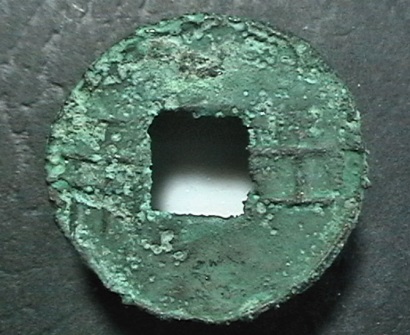 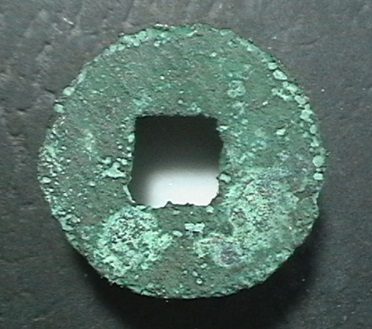 Qin dynasty @221 BC - 207 BC 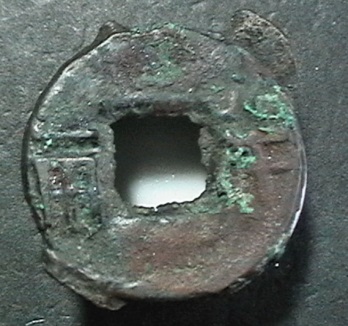 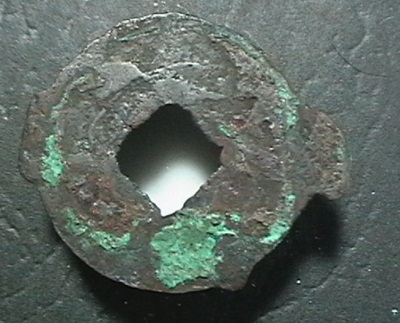 QIN DYNASTY 211 BC - 207 BC notice the casting spurs. 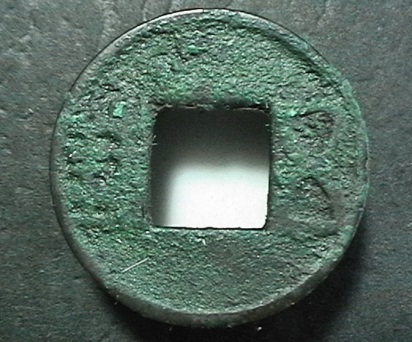 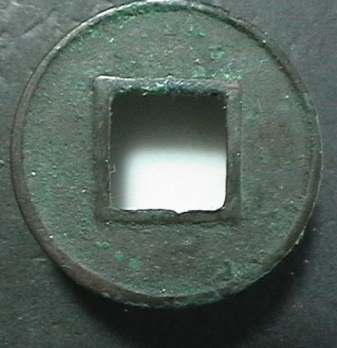 HAN DYNASTY 220 BC -220 AD 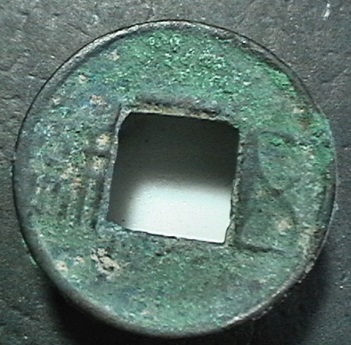 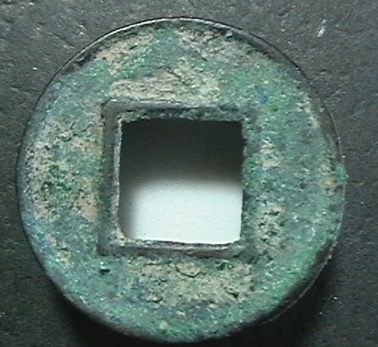 WESTERN HAN 118 BC 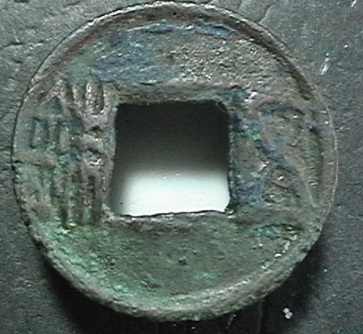 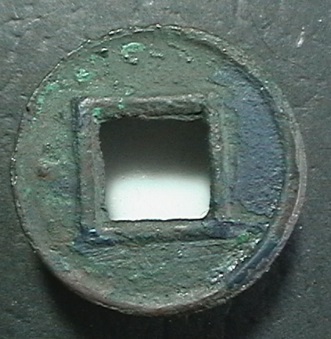 EASTERN HAN CIRCA 40 AD Edited by echizento
11/05/2012 1:35 pm
|
|
|
|
Pillar of the Community
United States
5155 Posts |
I have a good friend who has a rather large collection his grandfather assembled in the post war years. Many of his coins are knife and spade shaped. As you said they are generally very inexpensive. The problem that occurs with these coins is that they are cast, and where cast in vast quantities. He and I spoke to a gentleman who knew quite a bit about this history of these coins and the reason for being very inexpensive. The problem occurs in the antiques market. Many of these coins where relatively well preserved in Bronze pots and the pots where very rare and coins not. Then people started to melt down the coins into pots, until the coins became rare and the pots not. Then the whole thing came full circle in the the 1950's when people stated melting down the pots and making coins again. Thus here we are with an abundance of coins and a shortage of pots. Its really difficult- if not impossible to tell what coin and what pot was originally a coin and originally a pot. Interesting and very vast series of coinage indeed.
|
|
Pillar of the Community
United States
5155 Posts |
Really neat coins though some of these date to the Spring and Autumn period...771-403 BC now that's some seriously old coinage. In the same breath there is struck coinage in India around 600 BC, Gnarly old. Humm...maybe a new smackdown topic...Oldest coinage....
|
|
Valued Member
Spain
319 Posts |
|
|
Moderator
 United States
23731 Posts |
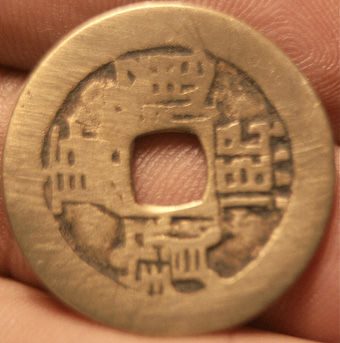
Those date to the mid to late 1700's
|
|
Moderator
Australia
17007 Posts |
As a general rule, if it doesn't fit into a 2x2 I don;t really want it. So the earlier proto-coins (knives, spades etc) aren't really interesting to me. But I have a collection of ancient and mediaeval Chinese coins. And they are both cheap and readily available. I once found a Ban Liang coin, very similar to your second piece, in a dealer's "Cash Coins - $2 each" scratchtray, mixed in with all the replicas and modern pieces. Quote:
Coinage in China is believed to have developed long before it did in the west. Granted the coins were odd shaped, (spade, knife, etc..) but they were still a form of coinage. Which civilization "invented coinage first" depends on your definition of "coin" and on which archaeologists you happen to be reading. Certainly, the Chinese seem to have invented the concept of manufacturing objects specifically for use as money long before similar objects were made in the West. To classify as a "coin", in my mind, it doesn't have to be round but there really needs to be some kind of convenience of shape. On that criteria, Chinese proto-coins can't really qualify until you enter the "ant-nose money" and smaller spade periods, all of which were made after the invention of "proper" coinage in Greece and India. Don't say "infinitely" when you mean "very"; otherwise, you'll have no word left when you want to talk about something really infinite. - C. S. Lewis
|
|
Pillar of the Community
United States
5010 Posts |
those are pretty darn cool....I'm sure i'll dabble in those coins eventually. but I currently have no idea what is what with those coins. I'm still hoping a chinese coin shows up in the current smackdown about ancients/medieval...seems to me they conserved there basic design for a long time and would prove a great deal of confusing fun in the ancient vs medieval debate.
Edited by chrsmat71
11/05/2012 9:23 pm
|
|
Pillar of the Community
United States
514 Posts |
I am interested in these coins as well.
Cash coins from the Ching/Qing dynasty are very common and found in junk bins for $1 or less. Surprisingly, coins from the Song dynasty (circa 900s-1100s) are almost as cheap! Starting with collecting those two, it is easy to branch out into the other dynasties.
Fakes are always a concern. But if you're used to having your guard up with other ancients, all the same rules apply here. Again one of the biggest lessons is to buy from reputable dealers with return policies.
I am just now starting to collect the very old coins you have shown. For now I am trying a 'one from each dynasty' collection, but we will see where that leads. . .
-wheatiefan
|
|
Pillar of the Community
United States
5010 Posts |
wheatifan, if you have any pics of your song area coins (or related periods)...please share them with us in the current smackdown!
|
| |
Replies: 8 / Views: 1,882 |
|










 Posted 11/05/2012 1:51 pm