| Author |
 Replies: 11 / Views: 1,359 Replies: 11 / Views: 1,359 |
|
|
Valued Member
United Kingdom
300 Posts |
Are any of the fake denarus made of silver ? I have one that is silver but feels like a reproduction in comparison to the others .
Thanks
|
|
|
|
Pillar of the Community
United States
3496 Posts |
What do you mean by 'fake' ? Ancient fouree or modern fake ? Or something else ?
|
|
Valued Member
 United Kingdom
300 Posts |
Sorry , I mean modern fake .
|
|
Pillar of the Community
United States
3496 Posts |
I am sure people have made castings using melted modern coins. There would be no need to skimp on the weight as a few grains more or less of silver hardly effect the cost of doing business. Making reproductions on the other hand some 'reputable' producers would use some other metal if they hoped to sell them as souveniers for a few pesos each to the tourists.
|
|
Valued Member
United Kingdom
300 Posts |
Thanks FVRIVS , it's this one . 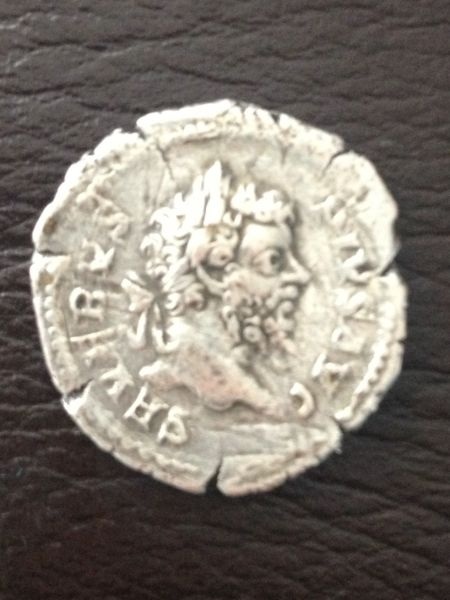 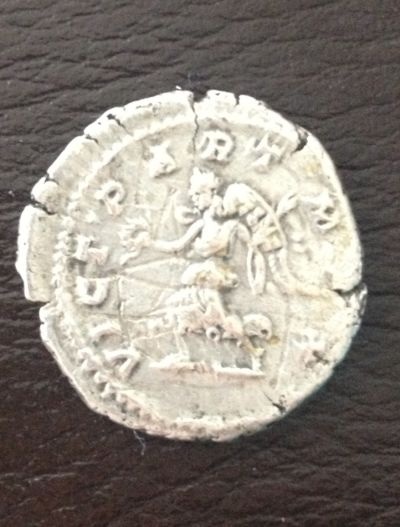 |
|
Pillar of the Community
United States
1549 Posts |
 Many modern fakes are made of silver. Included are the die struck reproductions by Slavey which should fool no one because of their style but I see being offered as real regularly. Rumor says he obtained his metal by melting old European silver. Some of his coins are actually better than the originals when it comes to alloy. No real coin of Pescennius Niger had as good metal as does the common Slavey (row 2 far right). Tourist junk tends to be made of pot metal but there are many better producers. There are even rare fakes made from copy dies struck on flans made by melting down genuine, common denarii. If you want to make a deceptive $100,000 fake you would not think twice about melting a few holed, damaged, worn and common coins to get the trace elements right. There are also ancient 'fakes' made with good silver. Some of these may have been made as a money of necessity to serve in a region where the real thing was not available but where there was bullion. To me, they should not be called fakes but collected as 'foreign' coins. |
|
Pillar of the Community
United States
3496 Posts |
The excess flan cracks seem to indicate that something is amiss. Silver shouldn't be that resistant to being stamped. If not for the color you might think it was low grade bronze with impurities that made it brittle. I suspect some impurity was alloyed with the silver to stretch the supply. What it was I have no idea.By the way it looks 'old' and not modern !
Edited by FVRIVS RVFVS
03/02/2013 09:18 am
|
|
New Member
Bulgaria
45 Posts |
Greetings.Like FVRIVS RVFVS says in these too many edge cracks some of them seems artificial intervention,maybe the silver does not look old at first glance from the photos.However, well done work may mislead an untrained eye.In most counterfeits always have differences in weight.
Regards
|
|
Pillar of the Community
United Kingdom
1590 Posts |
Seems a lot of bother for someone to have gone to if it is a wrong un. Its not a particularly rare or valuable coin.
The edge tears or splits often occur on the lighter (weight wise) Roman silver when they have been recovered from ground with a certain content, or have been deeply imprinted. I have dug up a number of coins that have a similar edge. The clue is generally looking for obvious regularity in the triangular shapes along the edge. At a glance, In my opinion, the coin you have is genuine of the period. I am no expert but am a collector of Roman & Celtic as well as an avid Metal Detector and have handled a lot of these.
As we all know, its a pretty difficult thing to decide on photos alone. For peace of mind pop it into a local museum that has a good curator.
You will never soar like an eagle if you hang around with turkeys.....
|
|
Pillar of the Community
United States
3496 Posts |
I think the denarius is 'good'. Only that the alloy is brittle. Pure silver is soft and malleable and doesn't crack when struck. The more 'impurities' the more brittle it becomes. The silver of the Severans shows a marked decline in purity. It may be that they experimented with different metals with which to alloy the silver or just were less careful about removing the slag which floats to the top of the molten metal. Or were using too much recycled bronze to further reduce the percentage of silver.
|
|
Valued Member
United Kingdom
300 Posts |
Thanks guys , I only think it fake because it has a completely different feel to my dug denarus , I'm happy it's good .
|
|
Pillar of the Community
United Kingdom
946 Posts |
As Furius stated, the silver content of Denarii declined even further under the Severan dynasty. Below is three examples of Denarii found here in England of Septimius Severus. The first one has tarnish on its surface, with the silver underneath, and even that may be just a wash over copper alloy core. The second is very corroded, maybe due to its weak alloy. The third seems to have lead mixed into whatever silver was used. We know that both Septimius and his son Caracalla were active here in Britannia, campaigning. This meant paying the soldiers, and their pay may well have been of debased coinage such as these. 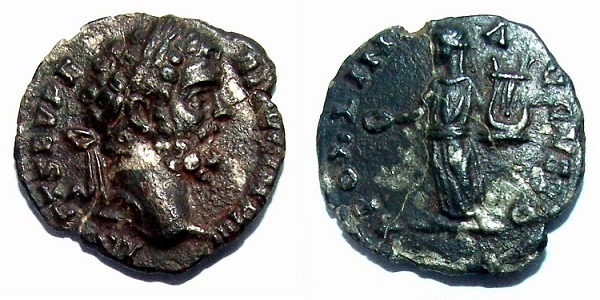 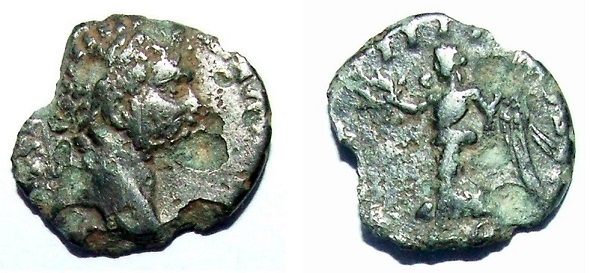 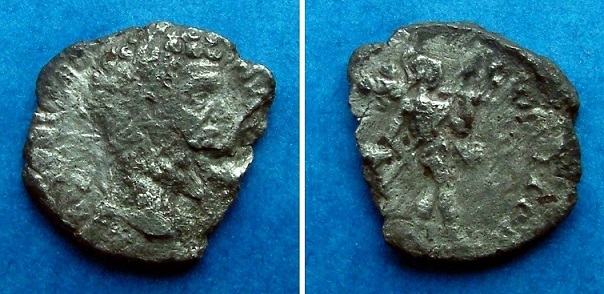 |
| |
Replies: 11 / Views: 1,359 |
|






 Posted 03/02/2013 08:05 am





