| Author |
 Replies: 8 / Views: 2,215 Replies: 8 / Views: 2,215 |
|
|
Pillar of the Community

United States
4051 Posts |
In a thread on another group I described in words what happens as the incident angle of light goes from "low" to "high". Here is a photo sequence showing the effect in 10 degree increments measured with a protractor. I used only one light to make the effect more prominent. The light is shining directly at the coin in each case, at the same distance from the coin and from approximately 9:00. I only went to 80-degrees because it would take a change of setup to achieve 90-degrees, or "axial". Which do you prefer? Now, don't ask me "which one best represents the look of the coin in hand?" because they all do, it just depends on the angle you hold the coin to the light. 10-degrees  20-degrees  30-degrees 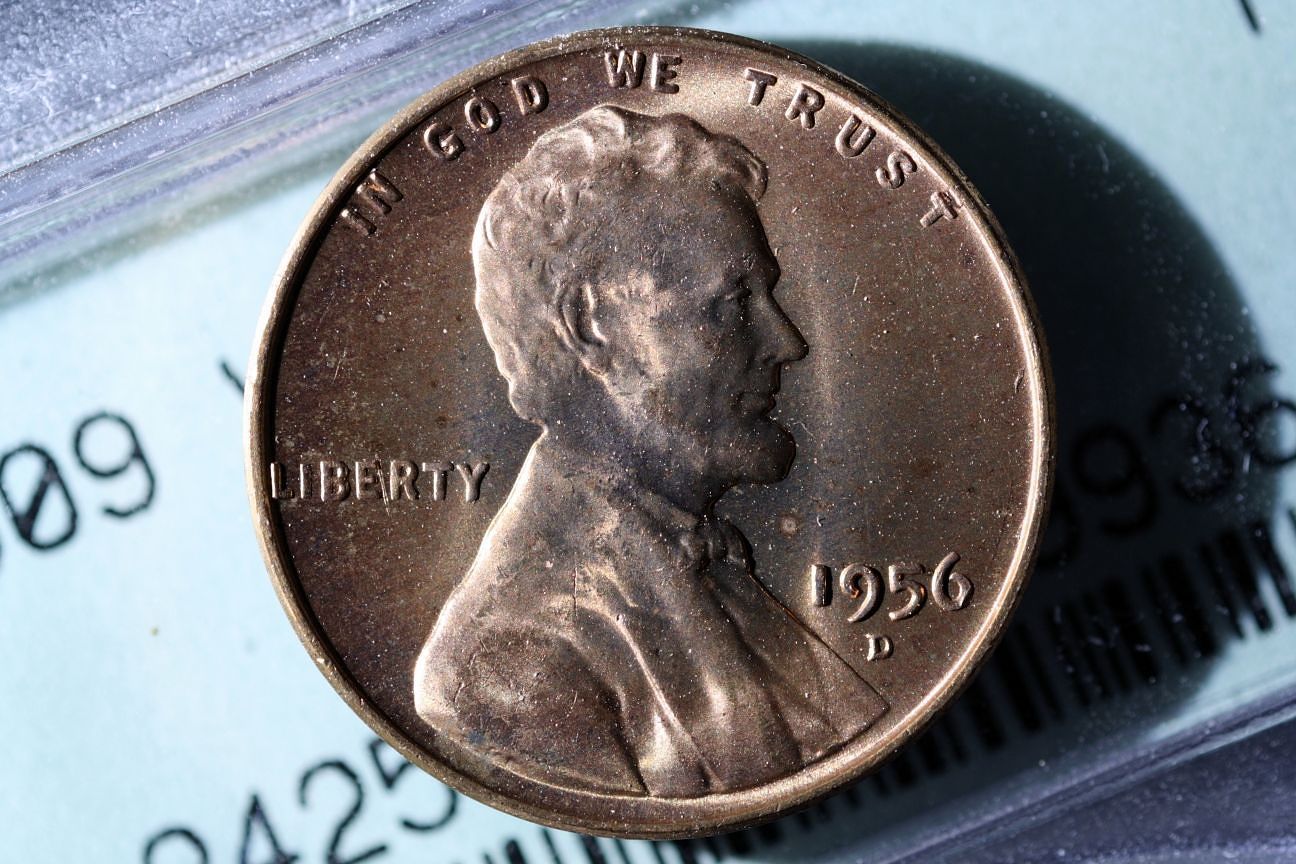 40-degrees  50-degrees  60-degrees  70-degrees  80-degrees  |
|
|
|
Pillar of the Community
United States
4132 Posts |
I like the last one.
I'd like to see the same experiment with two light sources.
|
|
Pillar of the Community
 United States
2448 Posts |
I shoot mine from about 45 degrees each side. Your technique is much more dramatic. Me likey!
|
|
Pillar of the Community
United States
511 Posts |
|
|
Pillar of the Community
 United States
4051 Posts |
OK, I took another sequence with two lights at 10 and 2, and adjusted levels to match the photos a bit better to each other. Here are the results: 10-deg  20-deg  30-deg  40-deg  50-deg  60-deg  70-deg  80-deg  Contact me for photographic equipment or visit my home page at: http://macrocoins.com |
|
Pillar of the Community
United States
4132 Posts |
I think these series validate the "higher angles are better" philosophy.
|
|
Pillar of the Community
United States
627 Posts |
Ray, this is a great demonstration. Not only does the coin take on more depth and life when the angle is higher, but the true colors and luster also come alive. The 10 degree images look like diffused lighting images, where the light was highly diffused behind a paper towel or something.
|
|
Pillar of the Community
Australia
2830 Posts |
thankyou for a very interesting demonstration.
That reminds me that by experimenting with one's light source, one might be able to highlight a feature of a particular coin:
I have in mind a die crack or similar.
There was another thread recently, which showed the effect of different background-colours.
I think that generally, diffuse lighting is the most "informative", unless there is a special feature to be revealed.
I use daylight, but my subject is on a table near a window. I find overcast days are best for photography: the clouds are my diffuser.
That said, I live 12.5 degrees from the equator, and sunshine is plentiful.
|
|
Pillar of the Community
United States
1200 Posts |
I thought it clear that the dual light source effect was better and that the higher angle approach was also better.
Then--just to do a real head-to-head comparison, I opened up 8 internet sessions on my trusty Mac and positioned the 8 dual light source in the same
position on the screen, so I could in just a couple seconds (almost like a slo-mo video) flip through all 8 images. When I flipped through them from10
degrees through 80 degrees, the difference in the effect was nothing less than startling. I'm now an official high-angle lighting convert.
I envy your ability to effectively use sunlight where you live. I'm located in a frequently overcast river valley above 42 degrees N, so using sunlight here is
frequently more of a daydream than it is my reality.
|
| |
Replies: 8 / Views: 2,215 |
|







 Posted 03/27/2013 5:52 pm





