| Author |
 Replies: 7 / Views: 1,089 Replies: 7 / Views: 1,089 |
|
|
Pillar of the Community
United States
1137 Posts |
|
|
|
|
Pillar of the Community
United States
1915 Posts |
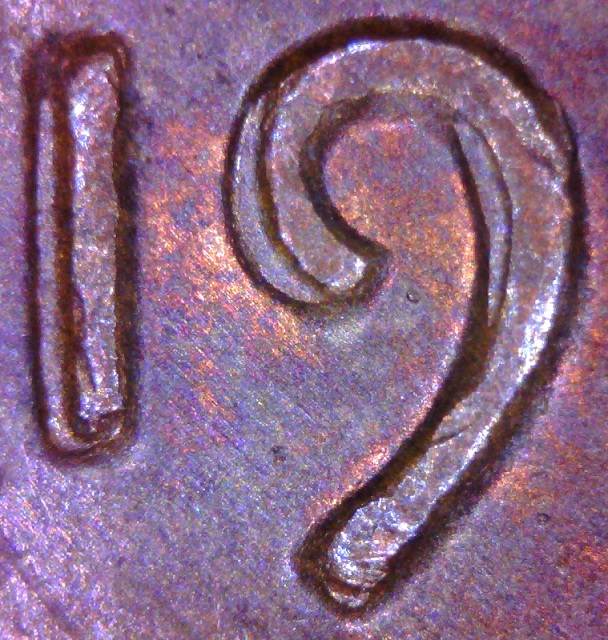
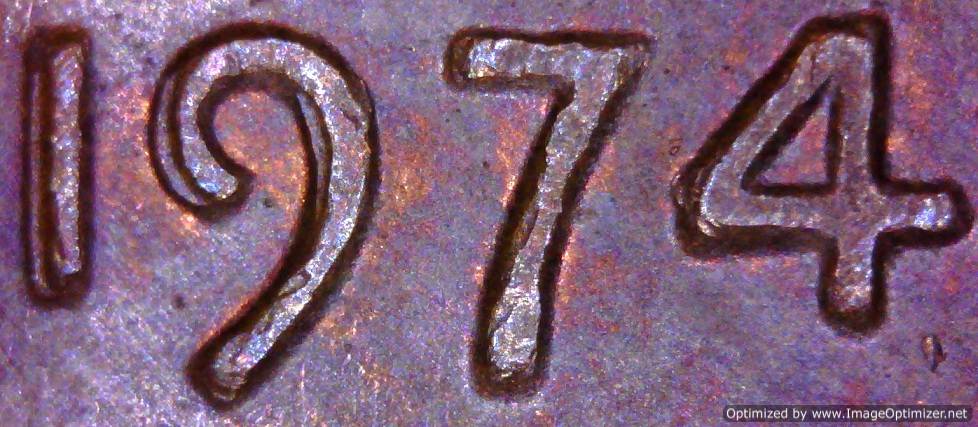
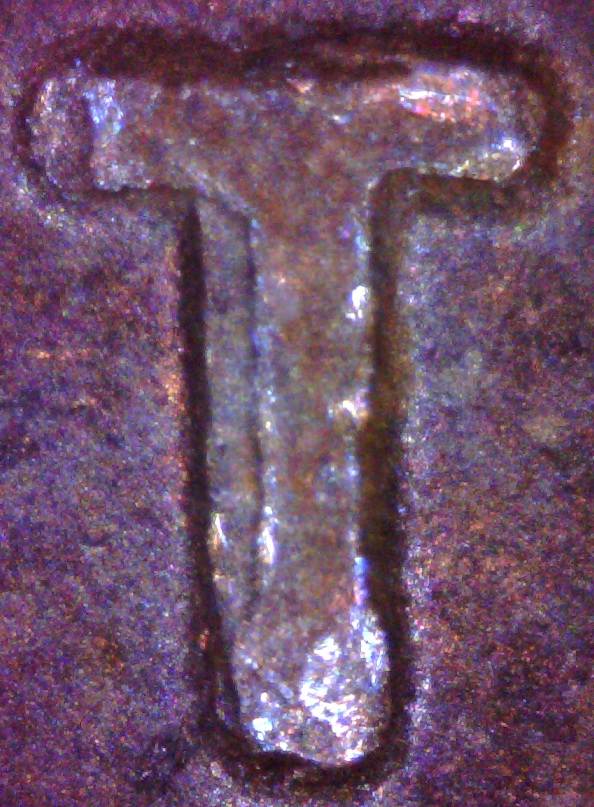
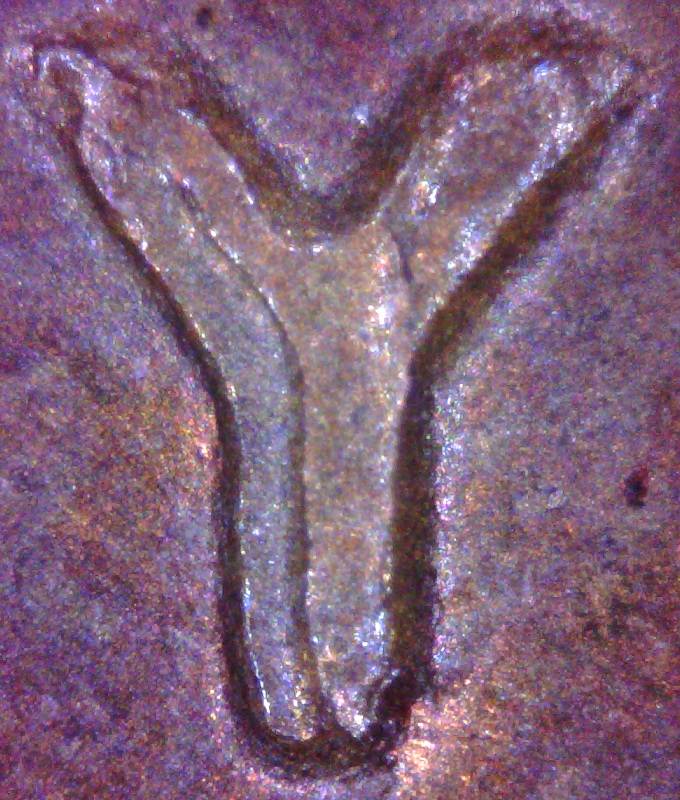
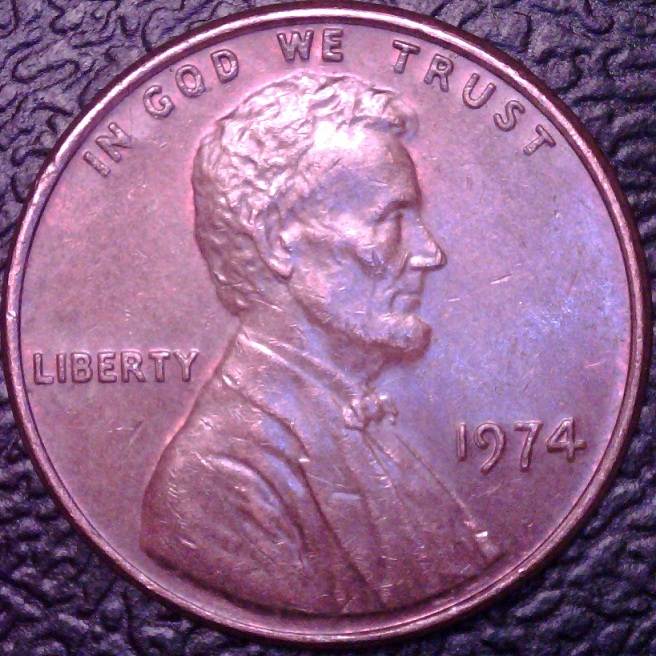
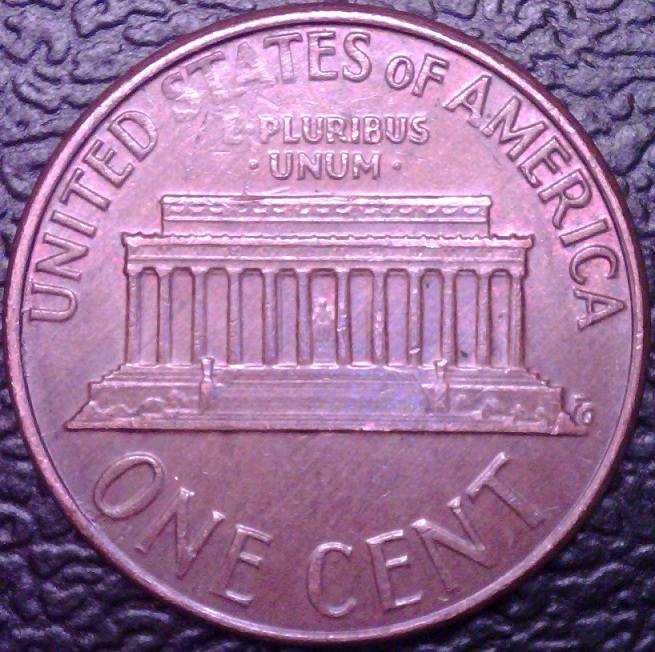
Machine Doubling without a doubt. I am surprised you cannot tell yourself with all the info available on this forum. True doubled die add to the thickness, whereas MD takes away. Plus it is flat, where a true doubled die is not.
|
|
Pillar of the Community
 United States
1137 Posts |
seal006 --- I can tell the difference honestly but I am not asking about the difference between DDO and MD, I was asking for the difference between, master die doubling and Machine Doubling. |
|
Pillar of the Community
United States
1915 Posts |
Oh, ok. Well Master Die Doubling looks like a Doubled Die. The only difference is that it was double hubbed on a master die which is what makes a working hub, which makes the working dies. So any coin that came from that master die that had doubling will show the same doubling, making it much more common than the doubled dies we variety freaks hunt. The ones we want are from hubbing the working hub to the working dies. Therefore the most a true doubled die can be minted is how ever many that working die struck. Here is a diagram that Coop provided me when I did a presentation on variety coins at my coin club meeting earlier this month.  If you notice on this diagram that there are very few master dies for each year, so if the doubling occurred on any of them while hubbing with the master hub you could potential see the same doubling effect of half of the coins from that year, which would be very common. The doubling we look for happens in the final stage before minting begins, so now you can see why there would be so fewer of them. Edited by seal006
03/29/2013 1:26 pm
|
|
Bedrock of the Community
United States
12437 Posts |
MDD typically refers to " Machine Doubling damage", I do not think I have ever seen it used in reference to master die doubling. Doubling derived from the master die would look just like a normal doubled die, although it is typically very minor doubling and can be found on many coins from a given year. Hub and master die doubling is on the die itself while Machine Doubling is simply caused by die movement when a coin is struck. |
|
Pillar of the Community
United States
1137 Posts |
It makes more sense now and explains why I see serifs and things like that on a previous MDD post I made recently. So this coin here would be normal MD. I will keep the other MDD only because it is a great reference, I know it is not worth anything, it will go into the interesting and educational binder. One other question, I know it is not an error we really like but would MDD be considered a variety?
|
|
Pillar of the Community
United States
1915 Posts |
Technically, it is a variety, but because it happens so early in the process and so many coins would exhibit the anomaly, it is not a desired collectible. Now extreme cases of Machine Doubling have sold quite well on ebay. Granted most were misrepresented as doubled dies, and uneducated buyers got suckered. This why it is important to educate yourself before you waste your money, and with resources like this forum and others that have knowledgeable people willing to help, there really is no excuses. I have sold a few, one went for $25. In my listings I make sure to explain what it is like this:  |
|
Pillar of the Community
United States
1137 Posts |
Very nice way to advertise Seal, wish all sellers on ebay and in local stores felt the same as you when doing business. Thanks guys! Seal did you see this one I found: https://goccf.com/t/146032 |
| |
Replies: 7 / Views: 1,089 |
|







 Posted 03/29/2013 11:49 am





