| Author |
 Replies: 13 / Views: 2,680 Replies: 13 / Views: 2,680 |
|
|
Pillar of the Community
Luxembourg
588 Posts |
I got this one in a real nice lot of 18th century coins from Luxembourg. This type has been cast while the town was in siege. They have been made from melted bells. They do always look relatively crude but this one is extremely crude and has been made of lead. It's weight is 25.77gr while an original should be between 16 and 23gr. Could this be a contemporary forgery? Even at this time when only a few were able to read was it possible that someone could be fooled by such a thing? 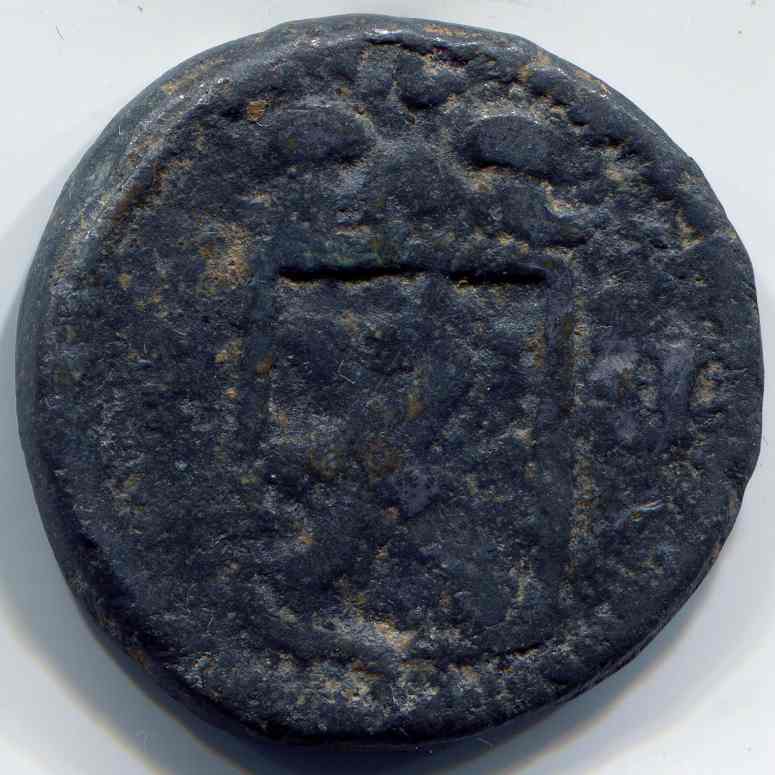 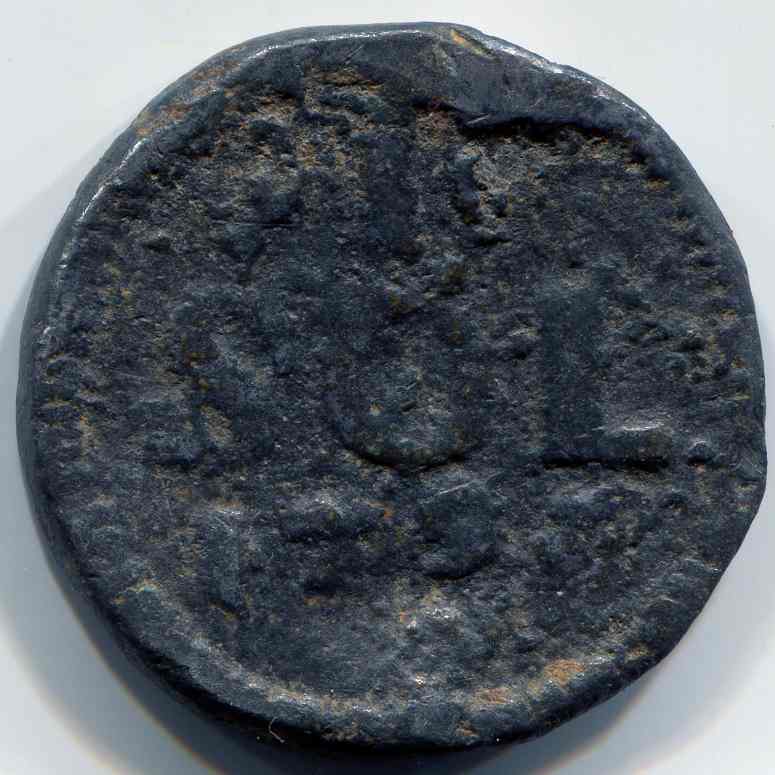 |
|
|
|
Pillar of the Community
 Luxembourg
588 Posts |
No one wants to give an opinion on this "coin"?
Any hint would be greatly appreciated. :)
|
|
Pillar of the Community
United States
1761 Posts |
Never seen this contemporary counterfeit. But as you know its either a documented Seige (Emergency Money) issue or a contemporary counterfeit (produced illegally outside a legitimate mint of the time). You can't classify it BOTH WAYS.
Most people classify cast pieces as lead pieces where lead is really added in a small amount normally at 4-10% range to lower the melting point of the copper/lead mix to assist in the casting operation. Most casts particularly of this period are bronze casts (Cu/Sn/Pb).
If there is no documentation for this coinage as seige - then you are FORCED to call these contemporaries of the period.
John Lorenzo
United States
|
|
Pillar of the Community
Luxembourg
588 Posts |
Hi colonialjohn Thank you for your explanations. Here is an original coin. What makes me wonder with this lead copy is how crude it is. 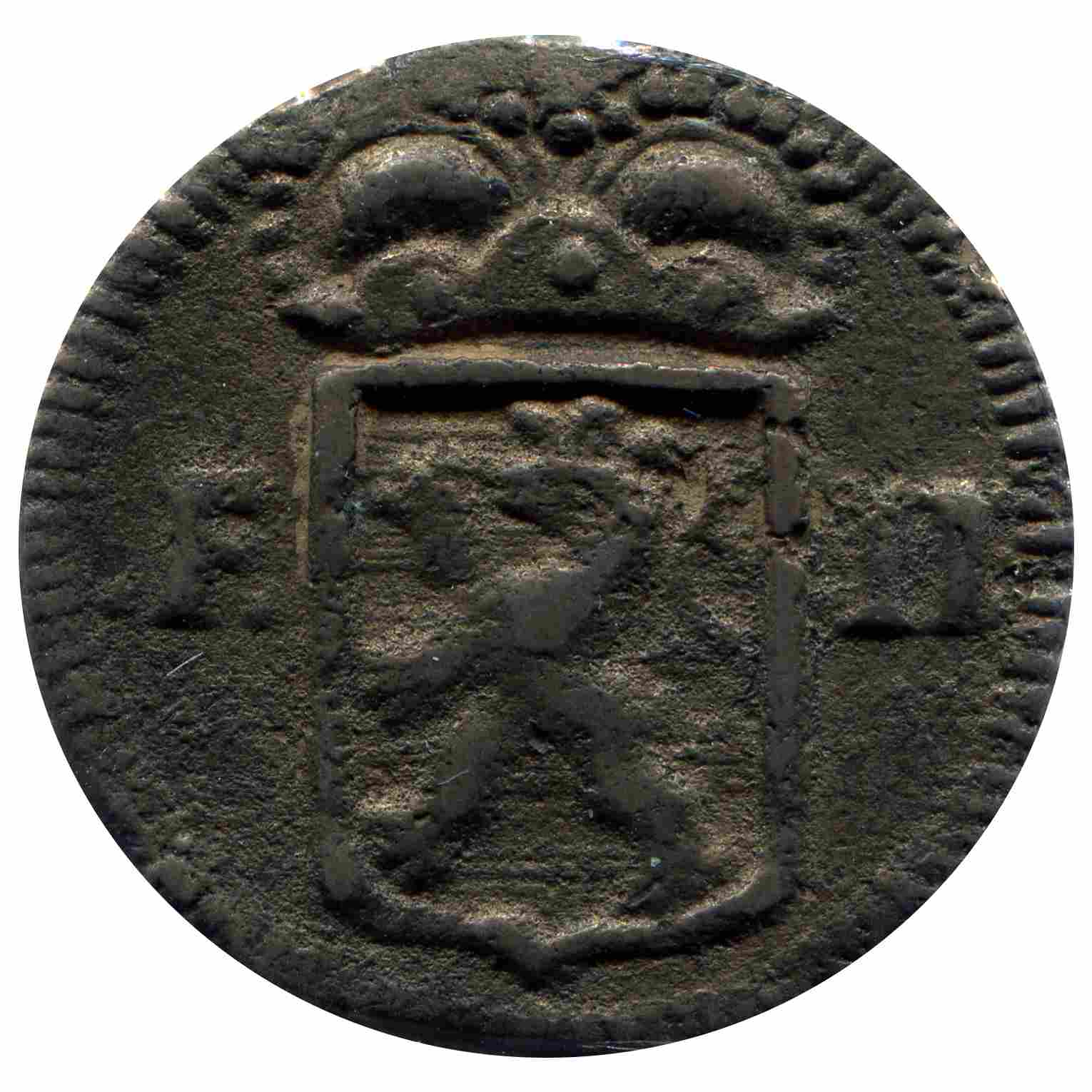 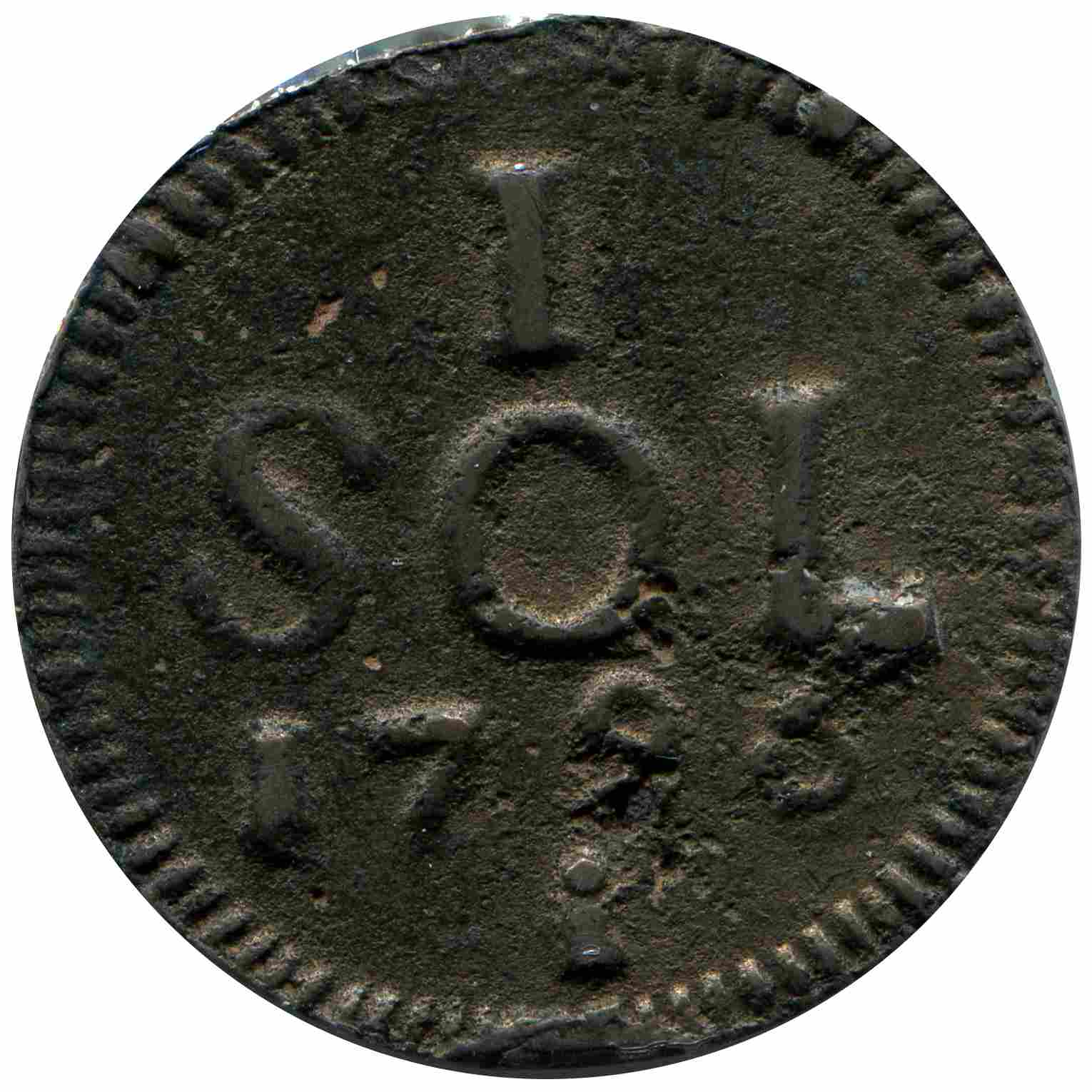 |
|
Pillar of the Community
United States
1761 Posts |
Even the originals look like cast production pieces due to the pebble like surfaces.
Did some minor checking - for these issues dealer are selling them as siege cast bronze issues - looking in KM may provide further answers ... I suspect the lead content was variable giving you variable appearances as you present here ... a contemporary counterfeit of a seige emergency money piece ... can such an animal exist or be proven? <BG>. As an example ... Google the Mossman/Smith cast study on English George II 1/2d's ... we see lead going from ~ 4-12.5%. Your initial piece probably is a v.high lead cast bronze ... the NORMAL manufacturing operation for these seige 1 Sol pieces during this time.
John Lorenzo
United States
Edited by colonialjohn
06/17/2013 11:31 am
|
|
Pillar of the Community
United Kingdom
2145 Posts |
John,
Not very useful; couldn't you just provide the link, please ?
I tried Googling but I did not find it.
|
|
Pillar of the Community
United States
1761 Posts |
When I provide links in the past the Moderators get upset with me ... see colonial coins at the University of Notre Dame site. Then read through the cast counterfeit British halfpence section. I am still too lazy to look in KM but I would guess a high lead seige piece of a bronze cast manufacturing method.
|
|
Pillar of the Community
United States
1962 Posts |
Google... is... your... friend... Sweet Yeezus:
Search: Mossman Smith George II halfpenny ............ FIRST link!
Anyway, looking at some auction archives, the weights do seem to be all over the place on this issue, but solid specimens seem to cluster in the 16-20g range... And the quality of the surface varies as well, but this example is particular rough/crude. Also, the denticles on this piece are virtually non-existent, while on "originals", there sees to be at least some definition. Clearly, this piece is "different" from typical 1795 examples.
Given that this piece is so far overweight (especially since it looks like it should have lost some weight due to environmental impact), and how crude it looks, I would guess this is a contemporary counterfeit of the "original" issue... whether that original was "siege" coinage or in fact a counterfeit issue itself.
-----------------
PS - John, for links, I'd suggest just providing "whateverwebsite.com"... leave out the www and http. This way, the site doesn't show as "linkified"... less overt. The reader can simply copy and paste the text link.
|
|
Pillar of the Community
Luxembourg
588 Posts |
These coins (the originals) have been cast from bells that were melt down. I have no information if lead has been added to the alloy but the first coin looks to me like (almost) pure lead. When I look into my Prifix catalogue (reference book for Luxembourgish coinage), there is a note about local forgeries, but they seem to be in yellow metall AND generally underweight, which is the last thing you can blame of this coin.  |
|
Pillar of the Community
United States
1674 Posts |
Maudry,
Your coin is genuine. The extra weight and crudeness is simply a result of the material used. I would be willing to bet the coin looked much less crude when it was first made. Emergency coinage inherently is not strictly supervised as far as standards are concerned.
|
|
Pillar of the Community
United States
1761 Posts |
I did check KM last night since I was working on another purchase and this issue is a KM listed Seige coinage just for this year and denomination. It's value does not warrant an XRF analysis in terms of you possibly sending it to me - I see your point it does appear to have more lead than normal for a bronze cast seige coin. As Numismat suggests maybe the QC control of incoming materials was very variable for this issue - as you would expect? As an example with James II Gun Money I have confirmed an assortment of metals in their alloys from several examples in my collection. Do I think its a high lead like a piece of U.S. Bryan Money which generally are alloy'd with antimony (Sb) and register lead ~90% - no I don't. Interestingly with high lead issues as I have encountered in certain medieval CC's (more than any other time period for post - 1500 coinage) we generally see Sb/Pb alloys when high Pb is encountered. But these are ALWAYS struck. I have yet to see a KM listed Seige listed piece - described as cast - and YET exhibit a v.high lead content. Normally lead values above 10% in a casting mold due to their value simply to lower the boiling point of the overall alloy mixture - so what may appear different in texture could be patina and a higher lead value than normal say ~10%. As previously mentioned this slight change of 5 to 10% can dramatically change the weight and appearance as confirmed in the Mossman/Smith GII 1/2d Cast study for bronze cast pieces.
John Lorenzo
United States
Edited by colonialjohn
06/19/2013 11:13 am
|
|
Pillar of the Community
United States
1962 Posts |
John, the SG of lead is only 1.27 times that of copper... If we use the current weight for this piece of 25.77g (not even adding any back for loss due to wear/corrosion) compared to what looks to be a target weight for this issue - 20 grams, that yields a multiple of 1.29. Of course, that comparison only works if this planchet is "normal" diameter/thickness.
|
|
Pillar of the Community
United States
1761 Posts |
As one example with old celtic coins from the 1200's we see bronze/lead alloys with lead reaching 30% in some investigatons. Its possible this coin is a FREAK occurance. Normally with tin bronze casts the normal range for 18thC pieces is 5-10%. It could be higher the farther back in time you go and in particular a seige type piece with poor QC in the overall operation. My point all along is when someone says I have a lead seige piece of a bronzed cast documented operation (As per KM listing) I then question the percentage on how high it can possibly be above 10% - the normal upper limit. This coin is nothing more than trinket and has limited value but its a good candidate for an X-Ray beam - FOR SURE!
JPL
|
|
Pillar of the Community
Luxembourg
588 Posts |
Thanks a lot for your knowledgeable replies!
The "lead" coin is a little bit smaller in diameter than the "bronze" coin but it is also a little bit thicker but nothing shocking.
I have so far 3 coins of this type. The two pictured in this thread and normal looking one which has more wear and which has unfortunately been cleaned.
If I go with the maths of realeswatcher, I get comforted with my opinion that it is pure lead.
|
| |
Replies: 13 / Views: 2,680 |
|










 Posted 06/14/2013 07:39 am


