Posted 08/25/2013 6:31 pm


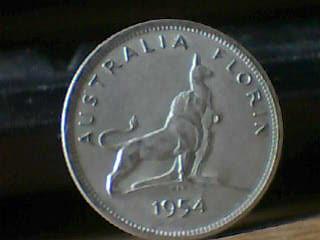
All of them except the 1934-5 were issued into circulation as circulating commemoratives. They were "found in change" as they were issued through the same channels as normal circulation coins. But they didn't last long in circulation because everyone who could afford to keep one kept one as soon as they saw them, because they were "different" and "special".
You can see this quite clearly when comparing the prices for the two different florins issued in 1927:
1927 Coat of Arms - mintage 3.42 million, price US$750 in Unc
1927 Canberra - mintage 2 million, price US$150 in Unc.
Sorry for using US catalogue prices, it's all I have on hand at work - but you get the picture. Even though the "normal" coat-of-arms type is theoretically commoner, it is rarer in high condition - because they weren't "special", nobody thought to keep them aside. The commemoratives are relatively easy to obtain in high grade.
You can see this quite clearly when comparing the prices for the two different florins issued in 1927:
1927 Coat of Arms - mintage 3.42 million, price US$750 in Unc
1927 Canberra - mintage 2 million, price US$150 in Unc.
Sorry for using US catalogue prices, it's all I have on hand at work - but you get the picture. Even though the "normal" coat-of-arms type is theoretically commoner, it is rarer in high condition - because they weren't "special", nobody thought to keep them aside. The commemoratives are relatively easy to obtain in high grade.
Don't say "infinitely" when you mean "very"; otherwise, you'll have no word left when you want to talk about something really infinite. - C. S. Lewis