| Author |
 Replies: 28 / Views: 5,183 Replies: 28 / Views: 5,183 |
|
Valued Member
United States
355 Posts |
Well, I'm sure those of you who have used Verdi-Care will be like "DUH!" but this stuff is awesome. A frew weeks ago I posted this pic to get ideas on what ya'll thought about the green stuff on this coin. 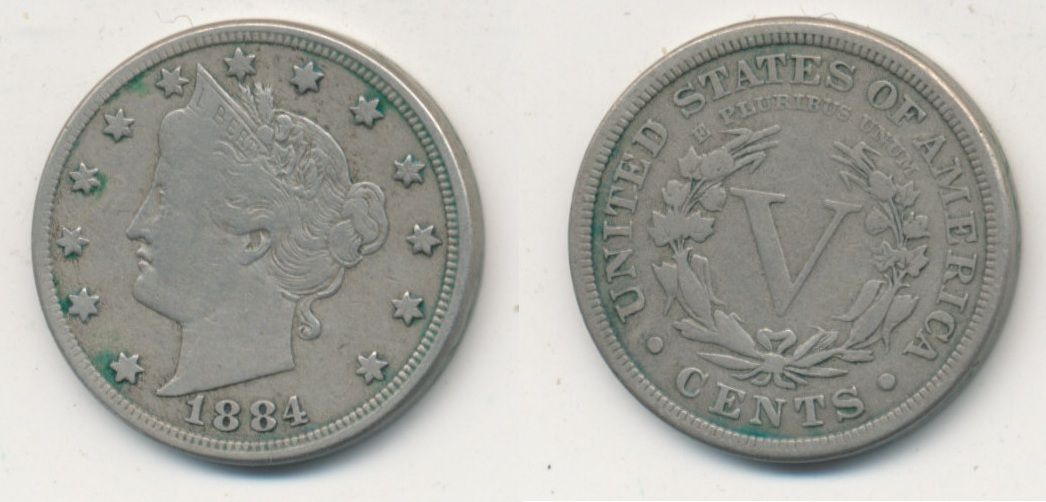 Well after ordering Verdi-care, reading the instruction on it, I attempted the toothpick method and here are the results. FANTASTIC!!! I have all kinds of other coins I can't wait to use this on. 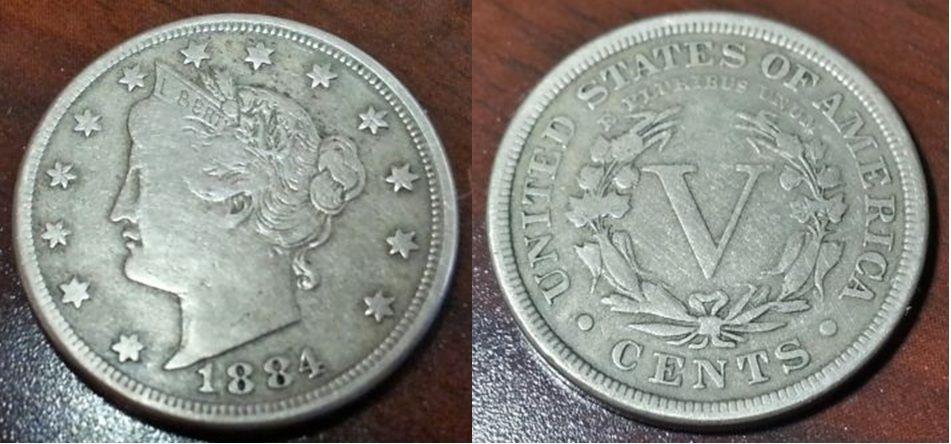 |
|
|
|
Moderator
 United States
194816 Posts |
Well done.  |
|
Rest in Peace
United States
7075 Posts |
Thanks for posting. I haven't even considered trying it -- but your results are encouraging.
|
|
Pillar of the Community
United States
1436 Posts |
I've used it the past few yearsm, and swear by it. Aside from removing verdigris from coins, it also acts as a preservative to keep verdigris from coming back. I think it is a GREAT product! BAD THAD here on the CCF is the inventor of it. Do a search on the forum for VERDI-CARE to see what others have been saying. As with most everything, however, there are people who don't agree... I guess to each, his own. |
|
Valued Member
United States
306 Posts |
Quote:
I've used it the past few years, and swear by it. Aside from removing verdigris from coins, it also acts as a preservative to keep verdigris from coming back. I think it is a GREAT product!  Great job! |
|
Pillar of the Community
Australia
3840 Posts |
I find verdicare to be extremely excellent to deal with nickel copper coins. I have mixed result with copper coins but it could be possible that the coin was originally cleaned which may have been re-toned.
|
|
Pillar of the Community
United States
591 Posts |
I remember when this was first starting to roll out lol. My question is how does it affect the coin dos that make it cleaned?
|
|
Moderator
United States
23522 Posts |
Quote:
My question is how does it affect the coin dos that make it cleaned? Like any "acceptable" conservation method (acetone, for example), it's as much about selecting the right coin for the process as the process itself. Some will just end up looking cleaned whatever you do. There are plenty of coins in slabs, post-Verdicare; BadThad probably has far more data on the subject than I. |
|
Valued Member
United States
217 Posts |
Great results there! I need to pick up a bottle and give it a try on some of mine that are not doing so well.
|
|
Bedrock of the Community
United States
20029 Posts |
Great conservation! Thanks for sharing!
|
|
Valued Member
Australia
117 Posts |
I don't understand the acclaim this product seems to be receiving. I've devoted the last five days (since the product was delivered) to trying use it on my 'problem' coins, but so far haven't managed to improve the appearance of a single one. Not only has it failed to remove even the tiniest verdigris spots, it doesn't even seem to be able to clean up surface residues. The only big change I've noticed is that on two coins it turned the colour of the verdigris from a deep dark emerald green to a bright, almost fluro blue-green - probably not a change for the better. I'm sorry now that I didn't take a BEFORE scan, but this is AFTER: 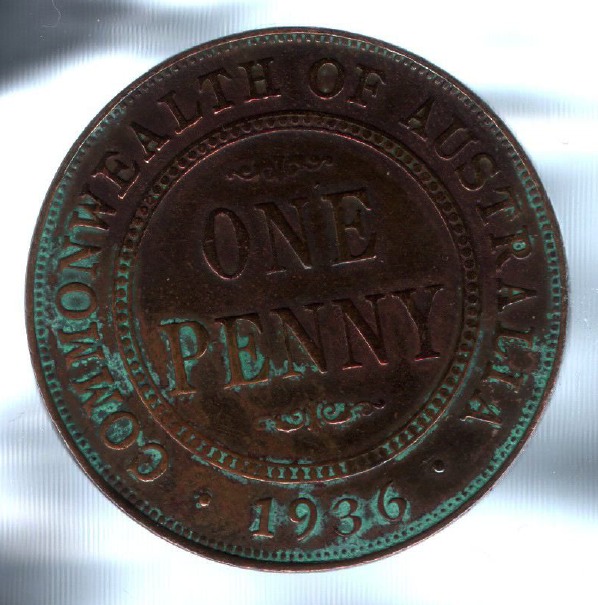 I'm at my wit's end - after VERDI-CARE, what can I do now? Edited by jimjamtwo
11/29/2013 9:43 pm
|
|
Pillar of the Community
Australia
1006 Posts |
That is way to much verdigidis in my opinion for it to work properly and it looks like it has embedded it self within the metal itself
|
|
Valued Member
Australia
117 Posts |
Possibly, but I've also had negligible results on coins with much less verdigris than this. I've used the product on about 30 coins, not one of which looked different afterwards, regardless of how long I soaked it. This one, for example (I tried to fix the sooty area around the king's chin and at the king's mouth): 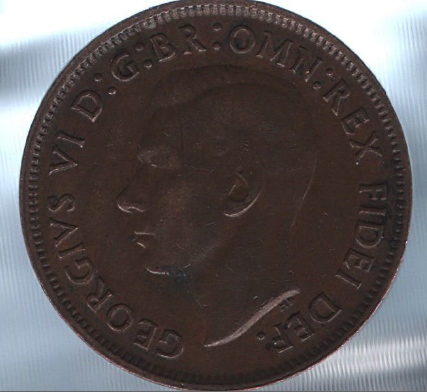 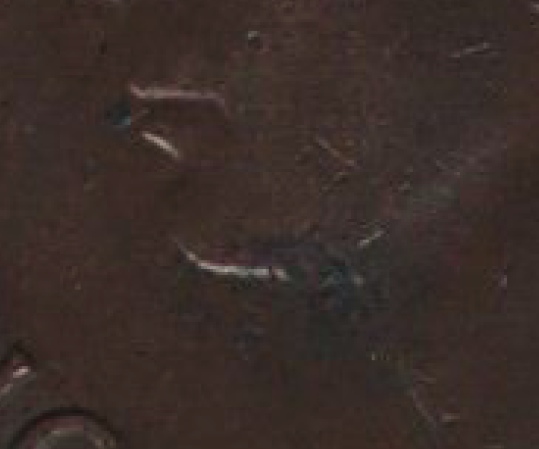 If Verdi-Care can't fix a small area like this, what can it do? Incidentally, the point the scan of the 1936 penny was meant to make was that the product changed the colour of the verdigris to bright blue green. Before I applied Verdi-Care, these areas were dark green. Edited by jimjamtwo
11/30/2013 01:11 am
|
|
Pillar of the Community
United States
1511 Posts |
Jimjamtwo- Are you just soaking it? Or working it with a toothpick, rose thorn etc? I believe this is the method? Quote:
Well after ordering Verdi-care, reading the instruction on it, I attempted the toothpick method and here are the results. I have yet to purchase or use it, but from the comment above it would seem the directions suggest working the verdigris with a toothpick or such, so maybe try that if you haven't.. |
|
Valued Member
Australia
117 Posts |
I've tried all three methods described in the Verdi-Care instruction sheet, including the toothpick method. However, I must admit that I have been doing it very lightly, for fear of scratching the coin. Perhaps, I need to wield the toothpick a little more aggressively. Since the 1936 penny is probably unsavageable by other means, I'm going to try that now and post the results, for better or worse. UPDATE: After about two hours of more assertive toothpicking, I'm pleased to be able to say that the coin presents a significantly improved appearance. Unfortunately, the scan, which highlights the verdigris, doesn't actually do it justice. The verdigris seems to be lingering in areas like the denticles which are very hard to get at, even with a toothpick. However, in real life these areas are nowhere near as apparent as they are in the scan. 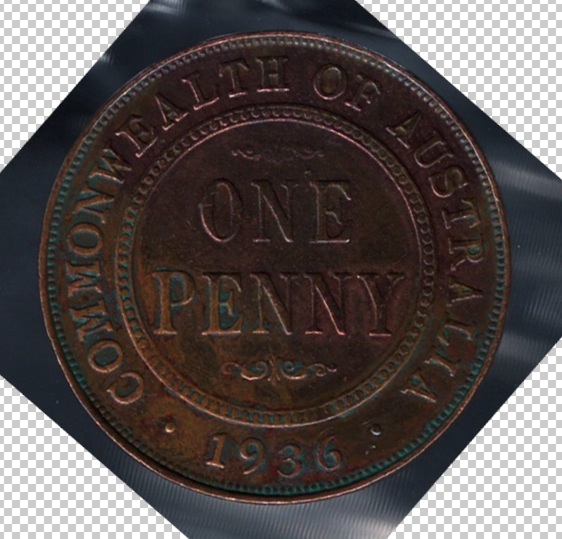 Edited by jimjamtwo
11/30/2013 03:38 am
|
|
Pillar of the Community
United States
1511 Posts |
Nicely done, it looks great! I just wanted to make sure you had tried this way as you mentioned soaking it for a while but not the toothpick part. Again, very nicely done it looks 100% better! As for the denticles, maybe a sharp rose thorn? Should have a finer tip than a toothpick and is soft enough where it shouldn't damage the coin at all. Good luck!
|
| |
Replies: 28 / Views: 5,183 |







 Posted 10/07/2013 1:15 pm





