| Author |
 Replies: 30 / Views: 4,319 Replies: 30 / Views: 4,319 |
|
Pillar of the Community
United States
740 Posts |
i belive is it 1972-d DDO,need confirmation 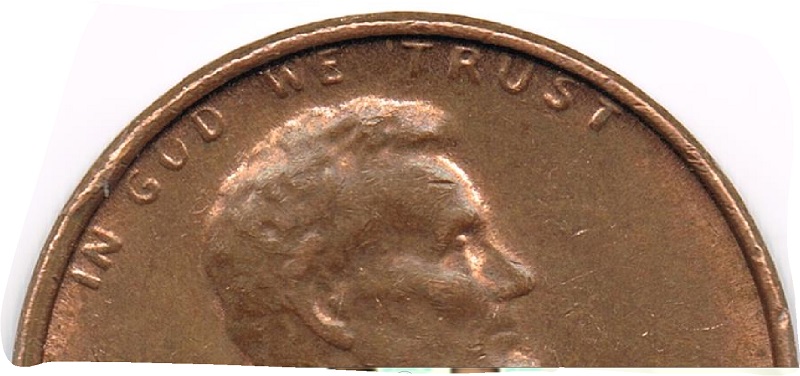 |
|
|
|
Pillar of the Community
United States
853 Posts |
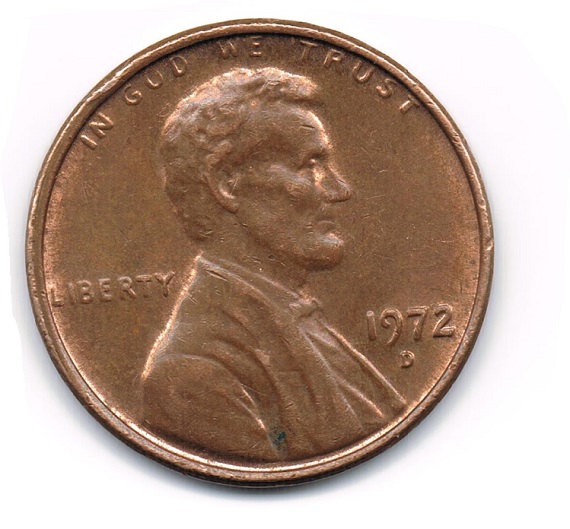
Can you post a pic of the full obverse. It always helps to see the mint mark position.
|
|
Valued Member
164 Posts |
How would we see it?Cosmos
|
|
Valued Member
United States
315 Posts |
I don't see it, but just knowing that it is D instead of P makes me think it is highly unlikely.
|
|
Pillar of the Community
872 Posts |
The 1972 series, all of them, seem to suffer the die issue. Wexler mentions somewhere on his site about a DDO appearance on the 1972 year that is not a DDO, its simply a jacked up die making. If I find the article I will fwd a link. Wexler does have info on the 1972-d http://doubleddie.com/661955.html |
|
Bedrock of the Community
United States
62064 Posts |
Coppercoins has 5 listed so far for the Denver mints. It may be one that is already listed. Seeing the devices enlarged and the date and mint mark would be a great help. Look very promising.
|
|
Pillar of the Community
872 Posts |
The article is at the bottom of the 1972 DDO on Wexler's site, but it says "1972 1¢ WMDO-001 Doubled Master Die Description: An extremely close Class I CW spread shows on the letters of LIBERTY, IGWT, and the horizontal bar of the 2 in the date. On early die state specimens the E of WE appears to show tripling suggesting a CCW spread in addition to the CW spread. Die Markers: Obverse: The affected master die shows a short die gouge extending eastward inside the upper S of TRUST. Other obverse die markers will vary with the different working dies that were affected. Reverse: Die markers will vary with the different working dies that were affected. Submitted By: John A. Wexler Cross References: CONECA: MD-1-O-I-CW+II-C (formerly listed as MD-5-O-I-CW+II-C), Crawford: CDDO-005 (MD) Values: No extra value! Comments: Shortly after the various obverse doubled die cent varieties were produced that year, the Lincoln Cent master die for 1972 failed and a new one had to be produced. Clearly the Mint was having problems that year with the hubbing process as was evidenced by the many doubled die varieties produced. Those problems carried over to the second master die that was produced for the Lincoln cents that year. That second master die was produced with minor doubling. It is estimated that the doubled master die was created somewhere around April or May of 1972. All of the Lincoln cents struck by working dies that descended from the doubled master die show this minor doubling. The doubling can be seen on the letters of IGWT, the letters of LIBERTY, and very slightly on the date. Since 60% to 70% of all Lincoln cents for 1972 show this doubling, it is far too common to have any value. This includes 1972 D-Mint, S-Mint, and proof coins produced that year. Newer doubled die collectors should be very careful if responding to ads for 1972 doubled die Lincoln cents. There are individuals out there trying to sell specimens of this doubled master die for premiums far in excess of what they should be. You should not be paying more than the normal numismatic value of a 1972 cent for 1972 cents with this master die doubling. Those trying to sell them to unsuspecting buyers advertise them as "genuine doubled dies" which they are. The ads are truthful in that respect, but they fail to tell you that it is a specimen of the doubled master die that can easily be found without paying a premium for it. Back when they were first listed they were assigned a listing number of 1972 1¢ MD-5-O-I+II. Those trying to sell them at a premium identify them as "5-O-I+II" but they leave off the master die indicator "MD." If you are fairly new to doubled die collecting, don't let yourself fall victim to these scams. If you would like to add a specimen of the doubled master die to your collection for educational purposes, go out and look for them yourself. Since the majority of 1972 cents show this doubling, you should easily find one for the cost of a "regular" 1972 Lincoln Cent. " |
|
Pillar of the Community
872 Posts |
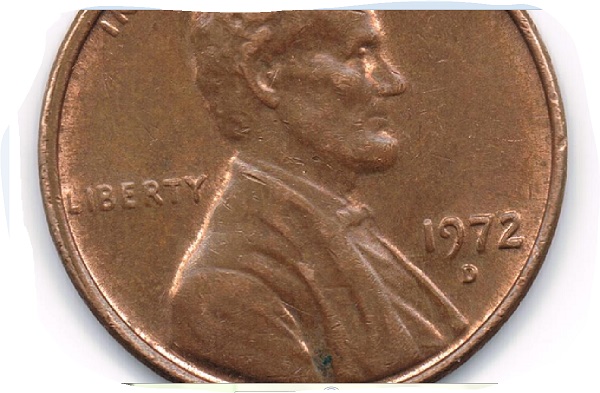
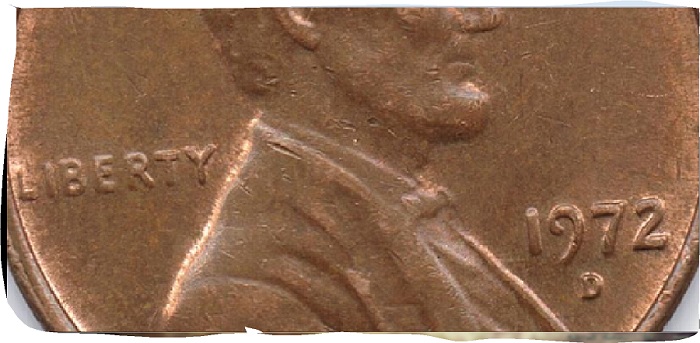
For the Half Pic above.......The IN is thicker than normal.....the "W" is pretty thick....The "R" and last "T" is thicker than normal. so sure I agree it has potential. Look at the date. if it is REAL thick compared to a "normal" 1972, you mat have a winner. LIBERTY may show some doubling as well, but Coop will probably agree, typically the "L" in LIBERTY will show some sign of doubling, and others letter may as well.
|
|
Pillar of the Community
 United States
740 Posts |
|
|
Pillar of the Community
United States
740 Posts |
|
|
Pillar of the Community
United States
740 Posts |
|
|
Bedrock of the Community
United States
62064 Posts |
Large images of the date mint mark area could help me get an overlay to see if the mint mark locations are a match. Looks very close for 002.
|
|
Pillar of the Community
United States
740 Posts |
|
|
Pillar of the Community
United States
740 Posts |
|
|
Bedrock of the Community
United States
62064 Posts |
The locations of the mint mark look very close. But larger images if the doubling would help a lot to be sure it is a doubled die.
|
|
Pillar of the Community
United States
3640 Posts |
Looks normal to me.
Definately not the 002 anyway.
|
| |
Replies: 30 / Views: 4,319 |







 Posted 10/20/2013 11:03 pm