










 Posted 12/31/2013 07:44 am


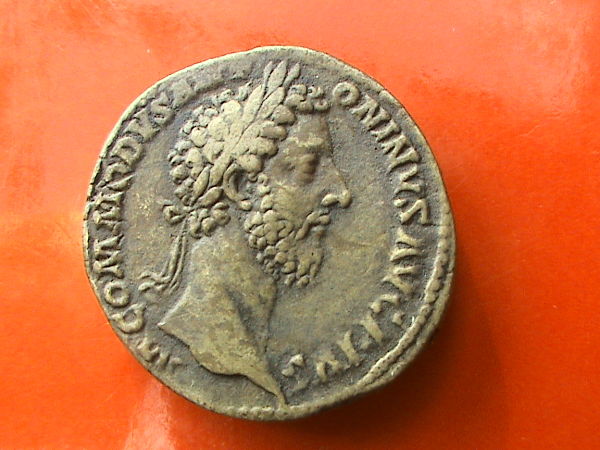
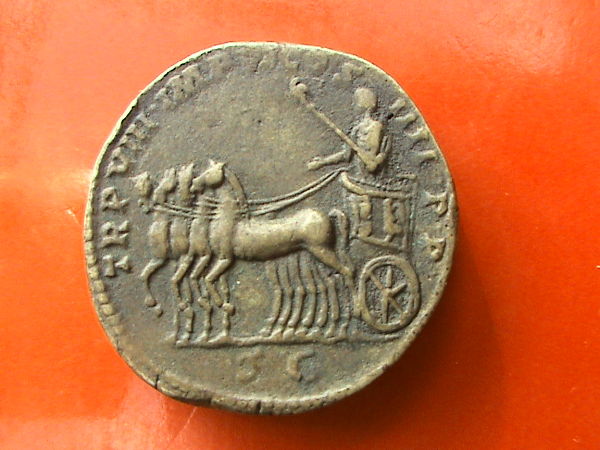
It is a very nice cast copy. The evidence is in the porosity seen clearly on left side of reverse and the tiny casting 'pearls' visible in the obverse legend. These are formed by tiny bubbles which adhere to the surface of the wax model during investment with the plaster like mold material. A vibration is generally applied to dislodge any trapped air bubbles but a few always manage to cling inside the corners of details such as letters or hair curls. An examination of the coin edge should show a point of entry for the metal. Probably near the porous area.
Sorry to have to tell you this.
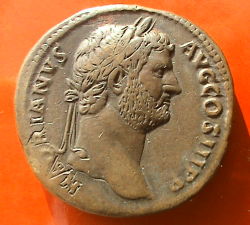
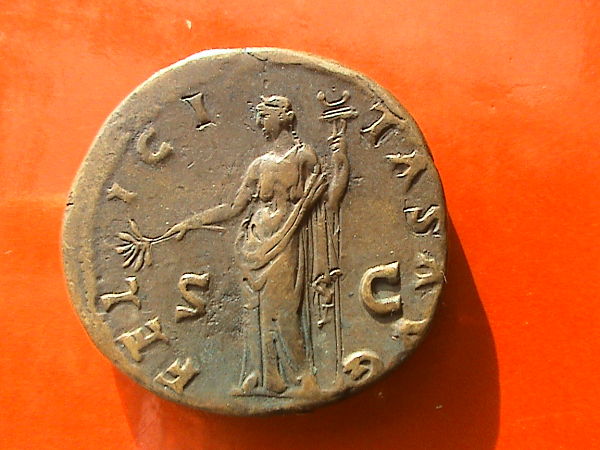
The first coin (Hadrian) seems real enough. The issue though is that most collectors would be very bothered by the obvious 'engraving' used to give the coin added detail. It looks like it was a very acceptable sestertius to begin with. Plenty of high relief which a collector might admire. From my point of view the coin was "Vandalised" by someone with unclear intent. Some gentle scraping of surface material while frowned on is not completely out of the question. Carving into the metal though I am afraid is not only frowned upon ...... it is painful to see
Sorry to have to tell you this.
The first coin (Hadrian) seems real enough. The issue though is that most collectors would be very bothered by the obvious 'engraving' used to give the coin added detail. It looks like it was a very acceptable sestertius to begin with. Plenty of high relief which a collector might admire. From my point of view the coin was "Vandalised" by someone with unclear intent. Some gentle scraping of surface material while frowned on is not completely out of the question. Carving into the metal though I am afraid is not only frowned upon ...... it is painful to see


