| Author |
 Replies: 13 / Views: 10,819 Replies: 13 / Views: 10,819 |
|
|
New Member
United States
4 Posts |
|
|
|
|
Pillar of the Community
United States
1699 Posts |
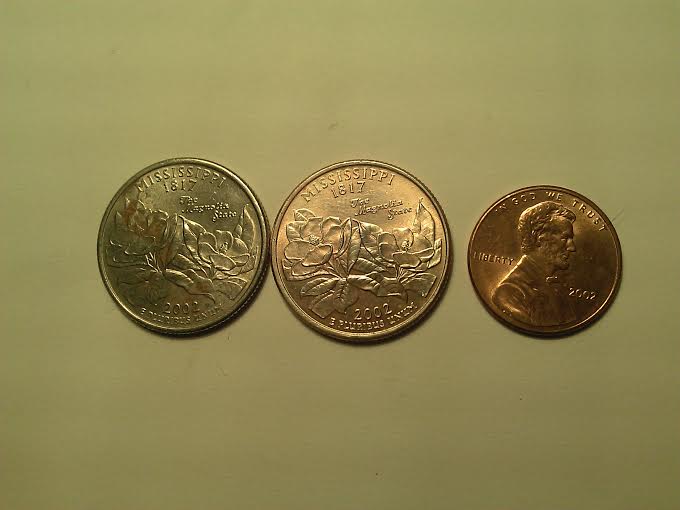
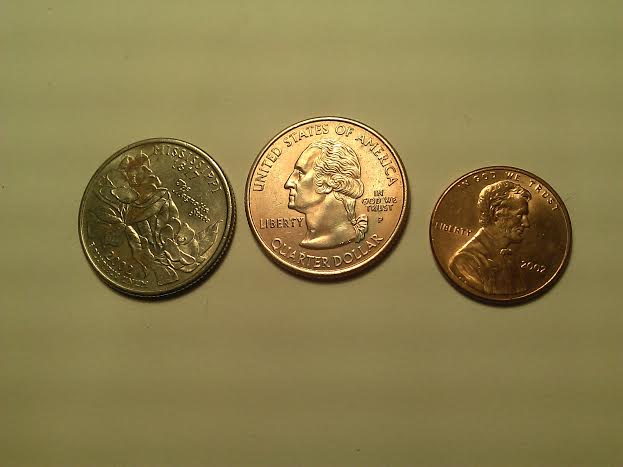
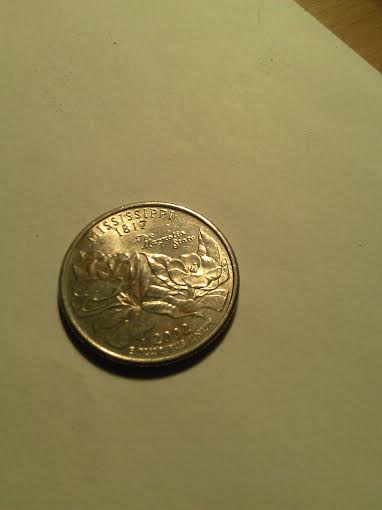
The first two pictures look to be struck on an improperly annealed planchet. What you're seeing is the copper that migrated to the surface.
|
|
New Member
 United States
4 Posts |
Sounds legit! Would they have a value of more than 25 cent? :)
|
|
Pillar of the Community
United States
1699 Posts |
It look lustrous, probably ms or high au. Get some better pics to show the true color, put it up on ebay, and I could see $10. |
|
Bedrock of the Community
United States
62064 Posts |
What is the darker colored areas on the coin? If it were a missing cladding, then the color should be an overall copper color. With the different colors it makes if look like a copper plating on the coin?
|
|
Valued Member
United States
80 Posts |
I always thought these types of colors and staining might come from cleaning wash/treatment they use on clad coins since they look more like staining then anything. Either the coin went through more then one wash or the wash chemical wasn't rinsed off correctly and stained the coin or just the result of PMD staining/toning/enviromental damage. Surly on the second coin. The first one does have that deeper chocolate color to it like is seen on some of the better examples of Improper sinter/improper annealing/If the surface metal looks strange or destorted that usually is a good sign of improper annealling. If the metal surface looks and feels like a normal coin and the color/tone is the only difference then I would guess that its just staining from either pmd/enviromental or maybe the chemical washes/treatments that clad coins I'm pretty sure go thru. I think the first coin looks like it was sprayed with copper cote engine gasket maker it has the same appearence when you spray a light coat of it on some metal or anything! If you can polish even a little of the copper color off one of the reeds then id say its just stained. Staining is one thing, Complete METALMORPHASIS is on a whole different level and when you see it There is no dought that what your looking at is something special not just a surface stain OR FLUKE of enviromental damage! |
|
Valued Member
United States
80 Posts |
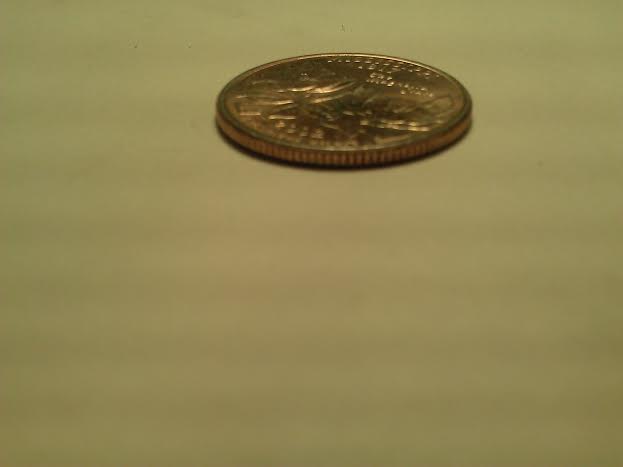
Is the coin sticky to the touch or tacky. LOL if it is then I'm sure its copper coat high temp engine gasket maker sold at most auto stores! can you take some more pictures with flash on. Get some pictures with some (flash)light reflection and some that show luster reflection that would be best. A picture of the reeding is always needed.
|
|
Pillar of the Community
United States
1699 Posts |
Quote:
What is the darker colored areas on the coin? Those are the areas closest to the original 25% nickel 75% copper alloy. Quote:
I always thought these types of colors and staining might come from cleaning wash/treatment they use on clad coins since they look more like staining then anything. I don't believe there is any current process in use that would leave such a stain. Edited by ErrorCoins222
01/10/2014 12:59 am
|
|
Valued Member
United States
80 Posts |
Pictures with flash and macro on would be needed to say anything for sure. I'm still guessing it was sprayed with copper coat just based on those pictures or electro plated. A couple good pics with macro and flash takin straight on and one pic of the reeding is needed other then that and with those pictures it just looks stained, plated or sprayed. I dought a single molecule of the cladding is missing on this coin like I said missing clad layers are usually very dramatic along with improper annealing and sintered planchets. I have seen many coins slabed as copper wash, improper annealing, sintered planchet or what ever else and I read that each grading company labels them diferently. The color kind of looks right for improper annealing and there is probably a few stages of metalmorphasis the coin goes through when it gets stuck in the annealing chamber so microscopic inspection would be needed or some lazer spectometer tests since the effects are not that dramatic and doesn't show any flaking, grainy metal, darkend/charred areas or any of the other disciptive details or colors of improper annealing other then the chocolate brown copper color which kind of looks like that pinkish copper shade you see on lightly plated coins on the lighter side(reverse). I like to know what he thinks so far based on what has been said after all he has the coin. the op should look up improper annealing and let us know what he thinks. so crush what do you think so far. Can you take some pictures with flash on and get at least one good photo of the reeding. Do you have a scanner? if so can you get a scan of the coin with 1200 dpi setting or higher if you have a scanner/printer.
Without better pictures I vote copper plating or copper spray. With those pictures the colors match more closely with electroplating. I'm leaning towards copper spray coating.
Im really not sure better pictures will help I would like to see some anyways. I do think its possible thats its improper annealling keep doing some research and let me know what your final conclusion is and one more time post some better pictures not that those are bad its just there is no flash and the angle of light looks like is at a 45 degree angle. straight on with flash and macro on is best even if it looks a little white washed. If you are using a digital camera you can move the coin till you see the coin on the right side of the lcd screen and there will be less light reflection then if you center the camera on the coin also if you take the picture with the coin on the left side of the camera right under the flash there will be more reflection you dont have to worry about the coin being centered in the picture you can always crop it later. I like to adjust the coin off center of the lcd so its in the left upper corner right under where the flash is on the camera then crop it later.
|
|
Valued Member
United States
80 Posts |
Quote:
I don't believe there is any current process in use that would leave such a stain. Do you know what washes and or treatments they use on cladded quarters these days? I know they wash them before striking but do they add a treatment to help protect the metal from enviromental corrosion. Maybe they use a wash wax formula like is used for cars so the coins get cleaned and a layer of surface protection to protect against corrosion. any idea's or could someone point me to some threads about washes and treatments used on clad coins? |
|
New Member
United States
4 Posts |
|
|
Valued Member
United States
80 Posts |
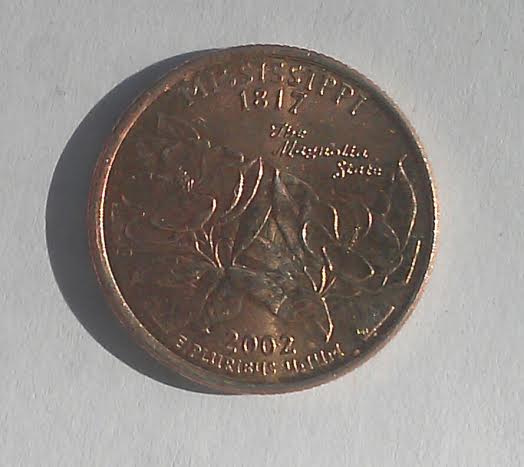
I would say its hard to tell for sure on less dramatic annealing errors. The photo's are better but it still looks like it was plated to me. I have seen other slabbed impropery annealed quarters that looks kind of like yours but I have seen even more plated one's that look the same so I woulnt say anything for sure. I ill suggest you take it to a coin/jewelery shop that has a laser spectrometer to make sure there is no gold plating on it because it looks gold/cu plated. Look up coin shows in your area and take it to the next one and get more hands on opinions.
|
|
Pillar of the Community
Canada
1005 Posts |
Tell whoever wants to buff a coin with a cloth to buy it first then go nuts.
|
|
Bedrock of the Community
United States
17884 Posts |
Quote:
The first two pictures look to be struck on an improperly annealed planchet. What you're seeing is the copper that migrated to the surface. The annealing temperatures are no where close enough tomeltthe surfaces and allow the copper to migrate. More likely a sinctered planchet where copper dust in the annealing furnace has bonded to the surface of the planchet. Quote:
They rubbed it for about ten minutes with a soft rag and there were no changes to the color. Rubbed it with a cloth for 10 minutes!! Well even if it is a real sinctered planchet most of the numismatic value just went out the window. |
| |
Replies: 13 / Views: 10,819 |
|









 Posted 01/08/2014 8:43 pm