| Author |
 Replies: 17 / Views: 17,882 Replies: 17 / Views: 17,882 |
|
Valued Member
United States
122 Posts |
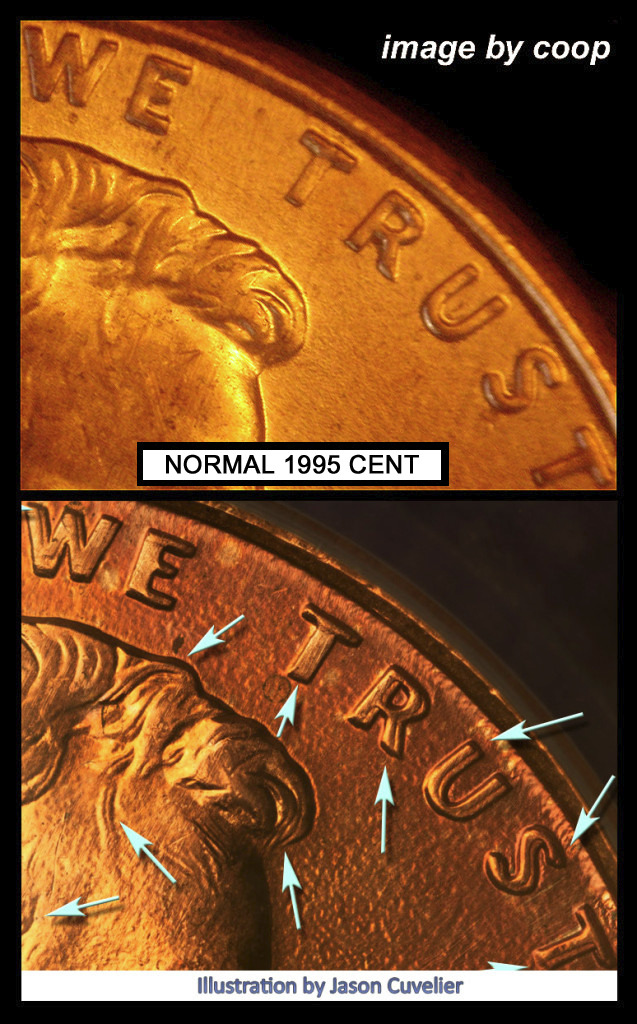
When someone is looking for a double die coin like this one for example, in order for my coin to really be a DD does it have to be as dramatic as the pic I am showing from Lincoln Cent Resource ? Again I very new to all this and there are just some questions like this I can not seem to find an answer to when reading books or other forms of info. The first pic I got off of LCR. They are showing a 1958 Double Die. 1.  2.  3.  4.  5.  6.  |
|
|
|
Moderator
 United States
56855 Posts |
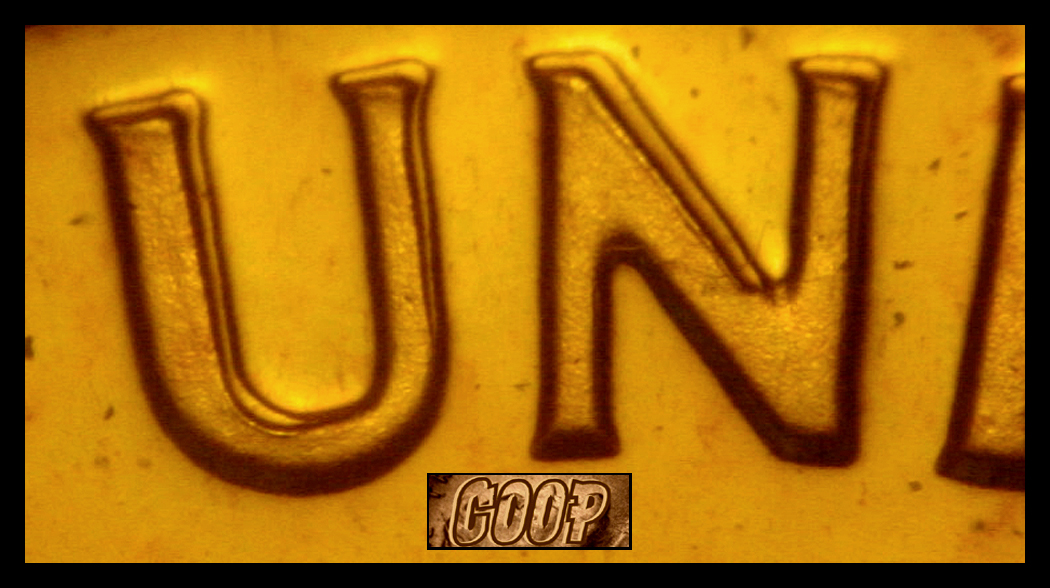
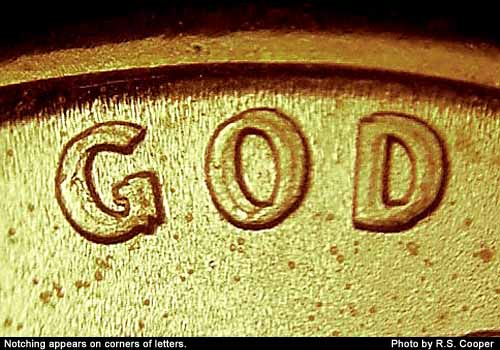
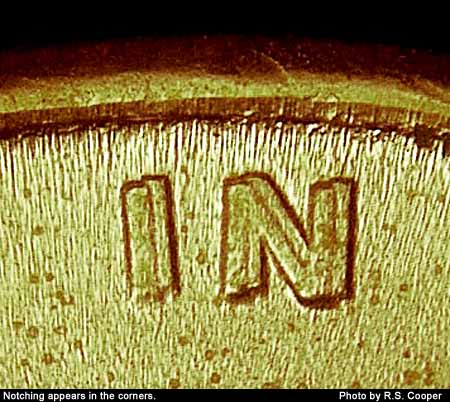
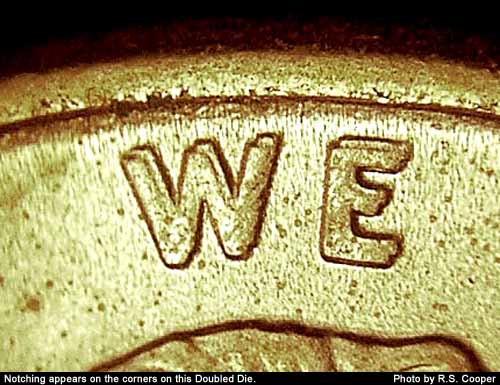
Quote:When someone is looking for a double die coin like this one for example, in order for my coin to really be a DD does it have to be as dramatic as the pic I am showing from Lincoln Cent Resource ? No,that is a major DDO. You could retire if you found that one. Check CC's site to get an idea of DDO / DDR. John1  |
|
Bedrock of the Community
United States
62064 Posts |
Edited by coop
02/21/2014 2:00 pm
|
|
Valued Member
 United States
122 Posts |
Great explanation Coop and THANK YOU for take the time to do that. So if I am understanding all the above the 3 pics you have listed below "Hub Doubled" are examples of Double Die Observe (The coins that most people seem to be looking for)and the first set of pics are examples of Machine Doubling Errors ? My understanding of Machine Doubling Errors is yes my coin above does have errors on it but it is not the type of coin that would typically bring good value to a coin collection like a DDO coin would ? |
|
Bedrock of the Community
United States
62064 Posts |
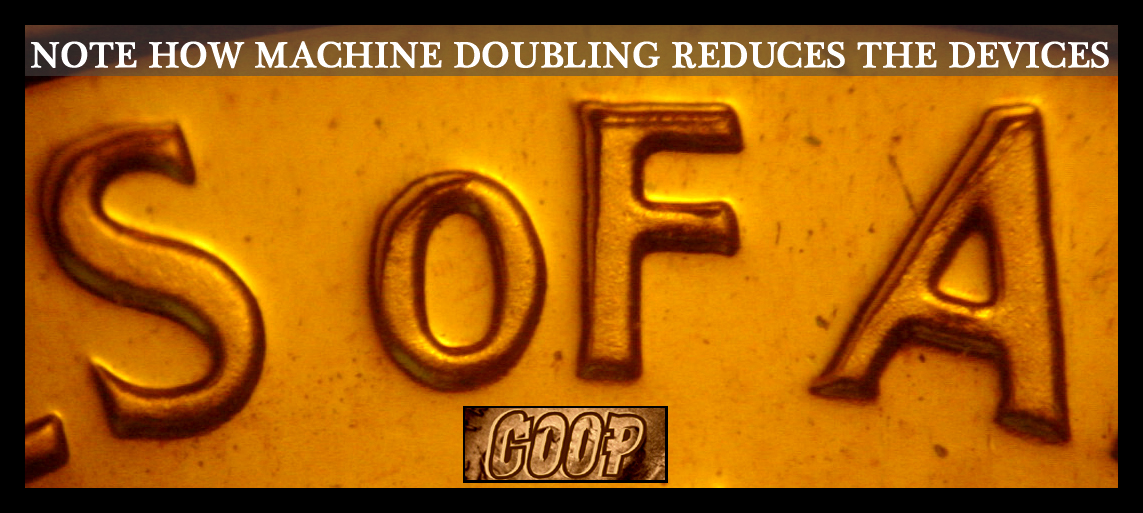
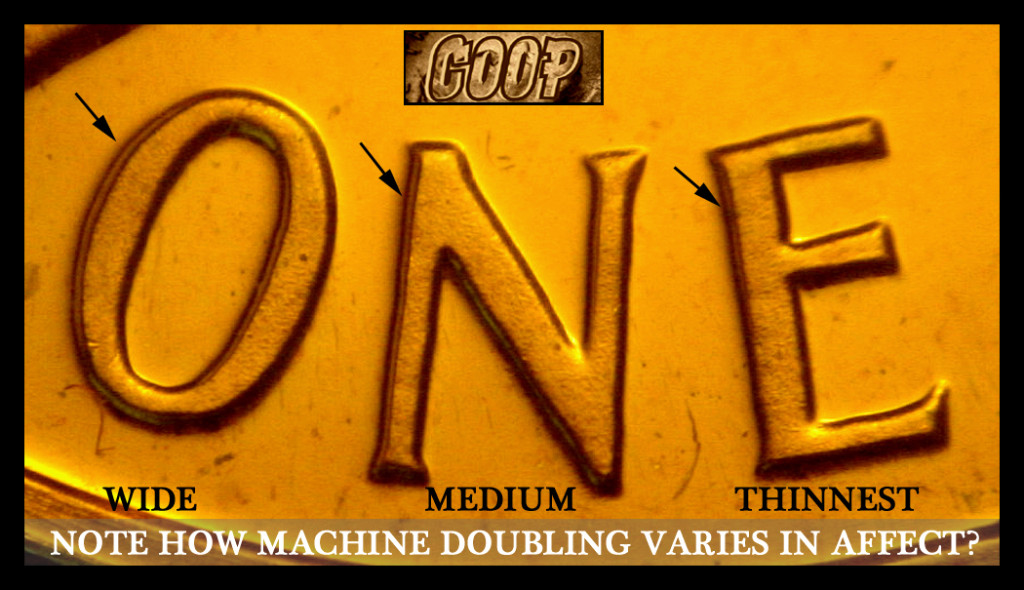
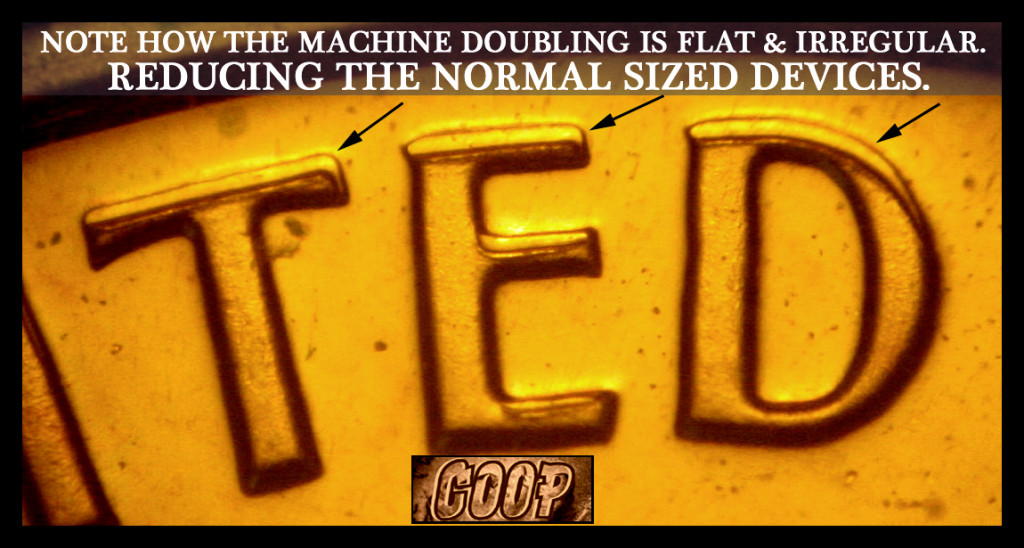
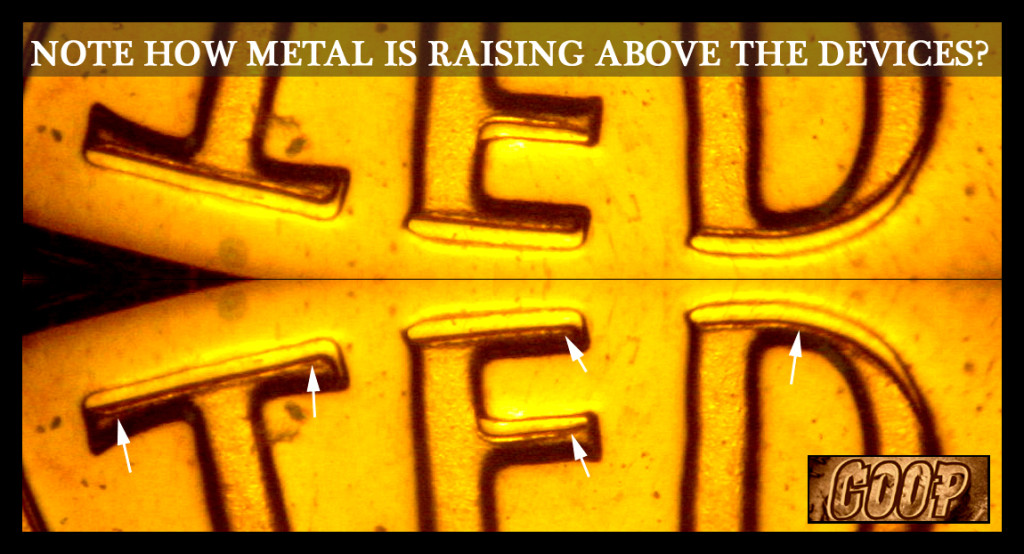
Correct. On a machine doubled coin, the die is normal(Or sometimes it is a doubled die), just the moving slightly during the strike. It can cause both on the same coin. Here is an example of a doubled die that suffered Machine Doubling damage. 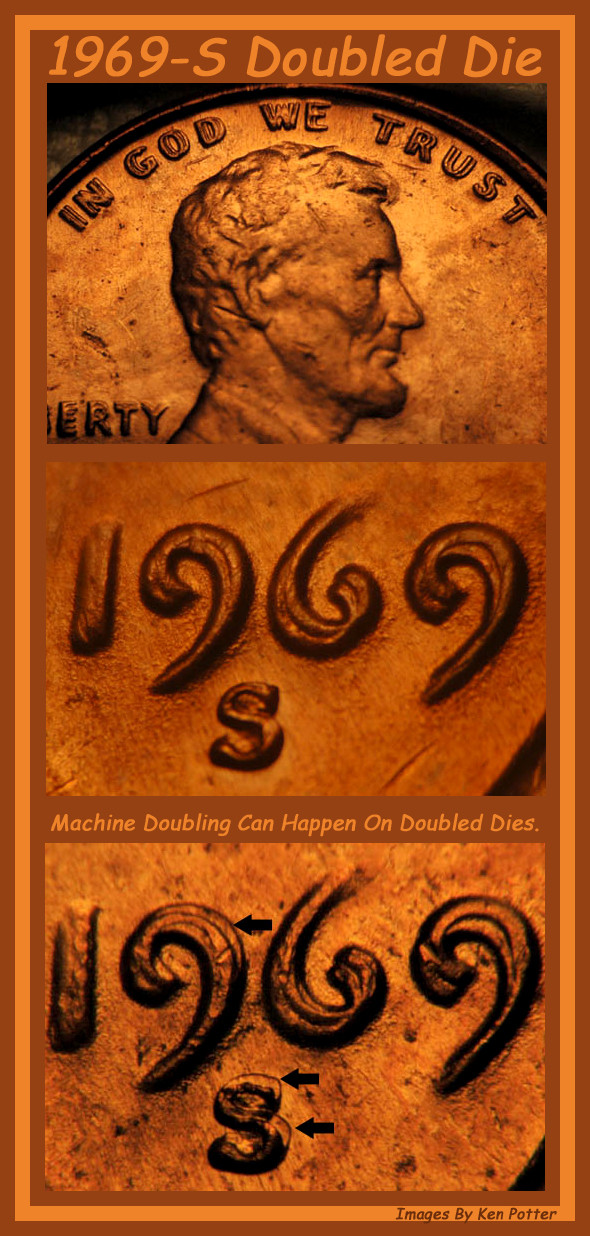 You can see where the devices were damaged during the strike. Machine Doubling is real common on 1968-1972 cents. So when something is plentiful, they are less desirable. IE: 1972 had a doubled master die. A large percentage of the dies from that year (all 3 mints) exibit this. Making them a Master Doubled Die example. These are a doubled die, but very common. Again not extra value for these. 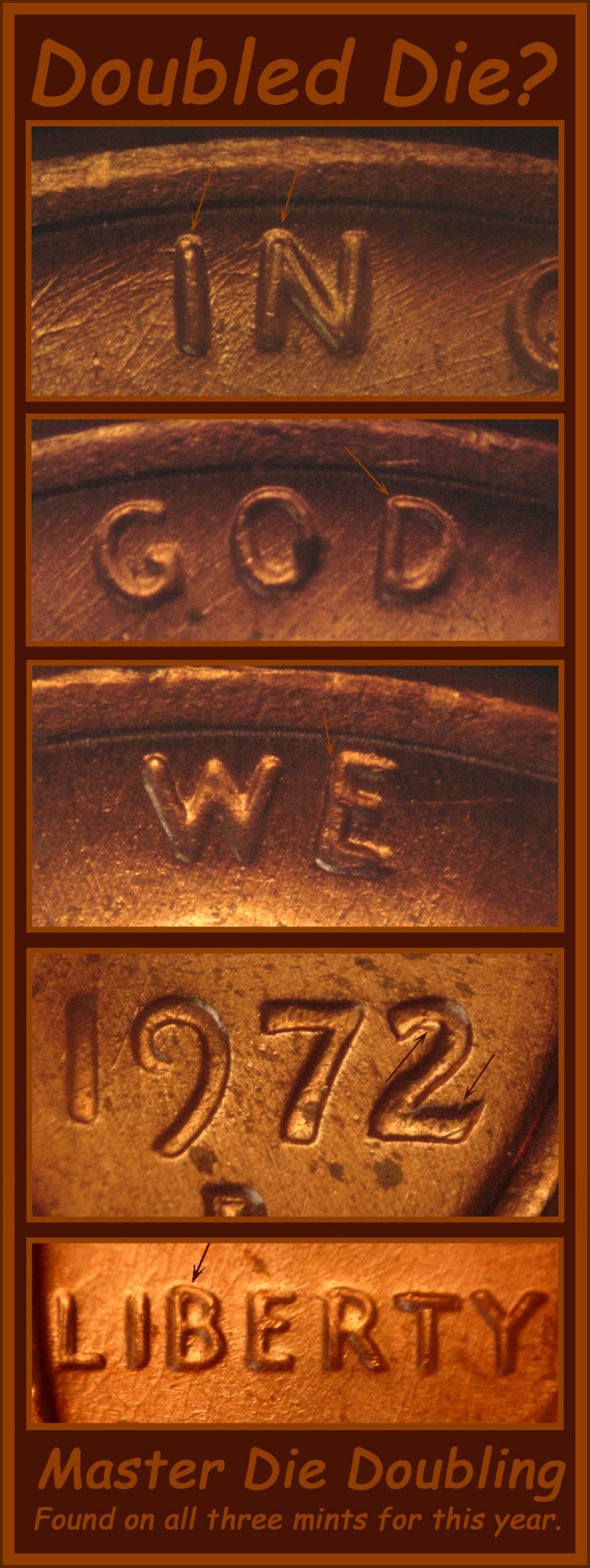 |
|
Valued Member
United States
122 Posts |
Dang on Coop again Thank You for taking the time to explain this.
I feel like I have learned more from this thread then I have in the last 30 days...
|
|
Rest in Peace
United States
4078 Posts |
|
|
Valued Member
United States
122 Posts |
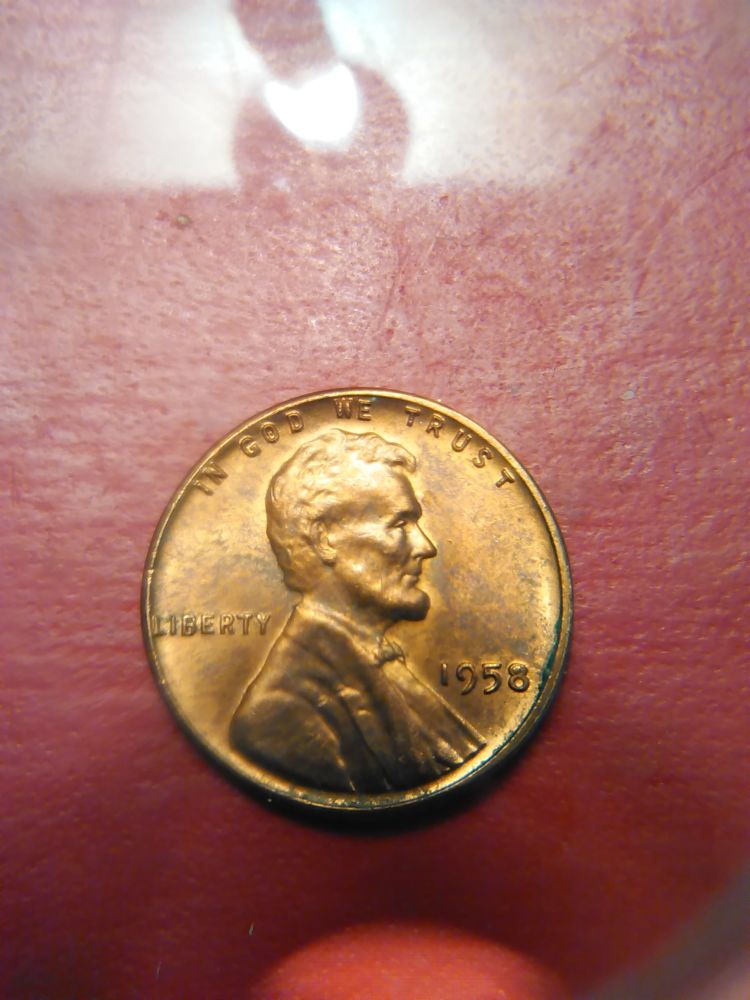
Well let me test what I have learned then. This is a coin I have been messing with because of the lines I am seeing. From what you explained to me and I think I understand this a lot better now. I would want to say this coin is Double Die. the thin extra lines are not bigger or they do not seem to be rolling up and over. They look to me that they are lower and flat, almost as if they are behind the main letters. Am I getting closer ?  |
|
Valued Member
United States
374 Posts |
Lower and flat (shelf-like) is very characteristic of Machine Doubling. Your Franklin, to me, looks like another good example of MD. |
|
Valued Member
United States
132 Posts |
Check out doubleddie.com It is a fantastic site that shows the different variations of doubling be it machine or hub.
|
|
Bedrock of the Community
United States
62064 Posts |
Sorry, Machine Doubling again. When you look at the devices in question, not how the overall size of the devices are not larger than normal, but thinner in certain areas. The is Machine Doubling that damages the devices and makes a shelf like look. On a doubled die, there would be rounded and enlarged. It is very common to find Machine Doubling on the larger coins. More area to have just a minute movement, leaving the classic look of Machine Doubling damage. |
|
Valued Member
81 Posts |
Are there any known die markers to look for on either side to authenticate a 1958 DDO? |
|
Bedrock of the Community
United States
62064 Posts |
No markers necessary. The hub doubling is very strong. You don't need markers when they are this obvious. Even looking at the coin from a distance shows the hub doubling: 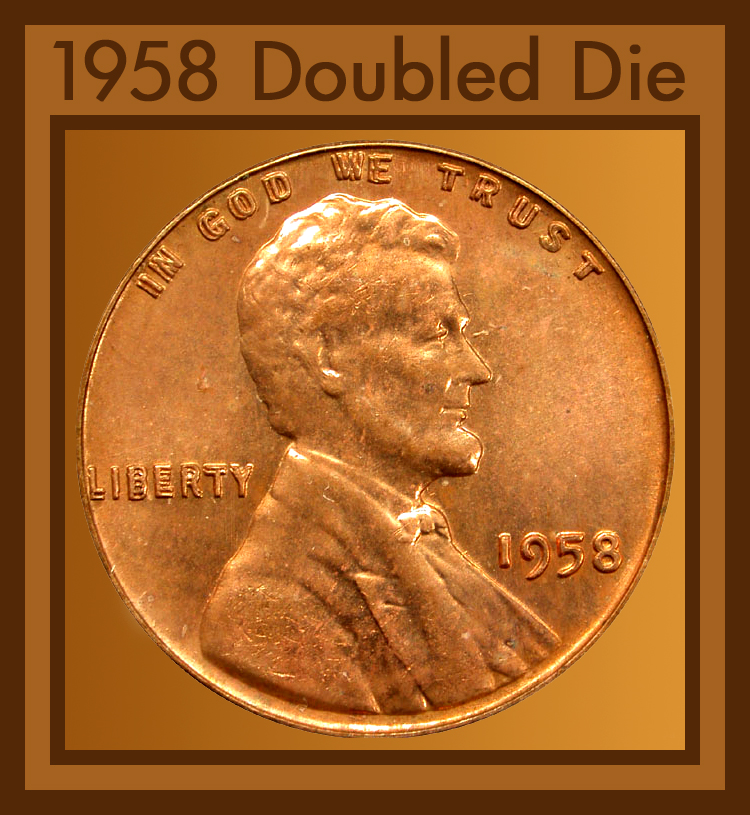 There are only 2-3 examples of this doubled die known. Probably noticed and the die was tossed in the scrap after being defaced. |
|
Valued Member
81 Posts |
|
|
Valued Member
81 Posts |
I found this while crh I believe this is one of the famous 1958 DDO varieties! Your thoughts? |
|
Bedrock of the Community
United States
62064 Posts |
From the image provided, it looks like the devices are normal in size. Possible broken post on the top part of the 8 making it start to fill in. Note on the image I posted above how the devices are doubled. Look at LIBERTY?  Note the hub doubling on this area of the 1958P-1DO-001? There are two sets of letters there. Your coin just look normal. On the OP's coin you can see machine damage on the tops of the devices in some images. This is actually damaged after the strike occurred, damaging these devices part way above the lower part of the struck devices. Here is a 1957 with the same affect on the date that shows the damage affect just part of the devices, cause them to be reduced. 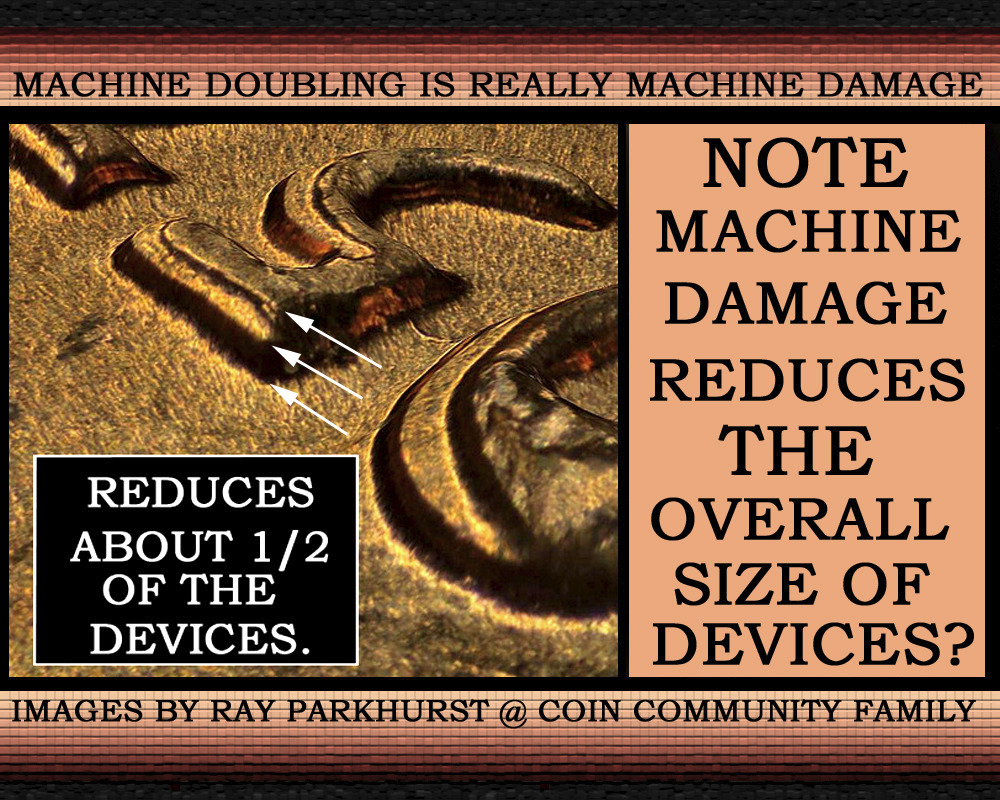 The die movement/hop/bounce after the strike damaged those devices. What were are looking for is just the opposite, the devices being enlarged by hub doubling. 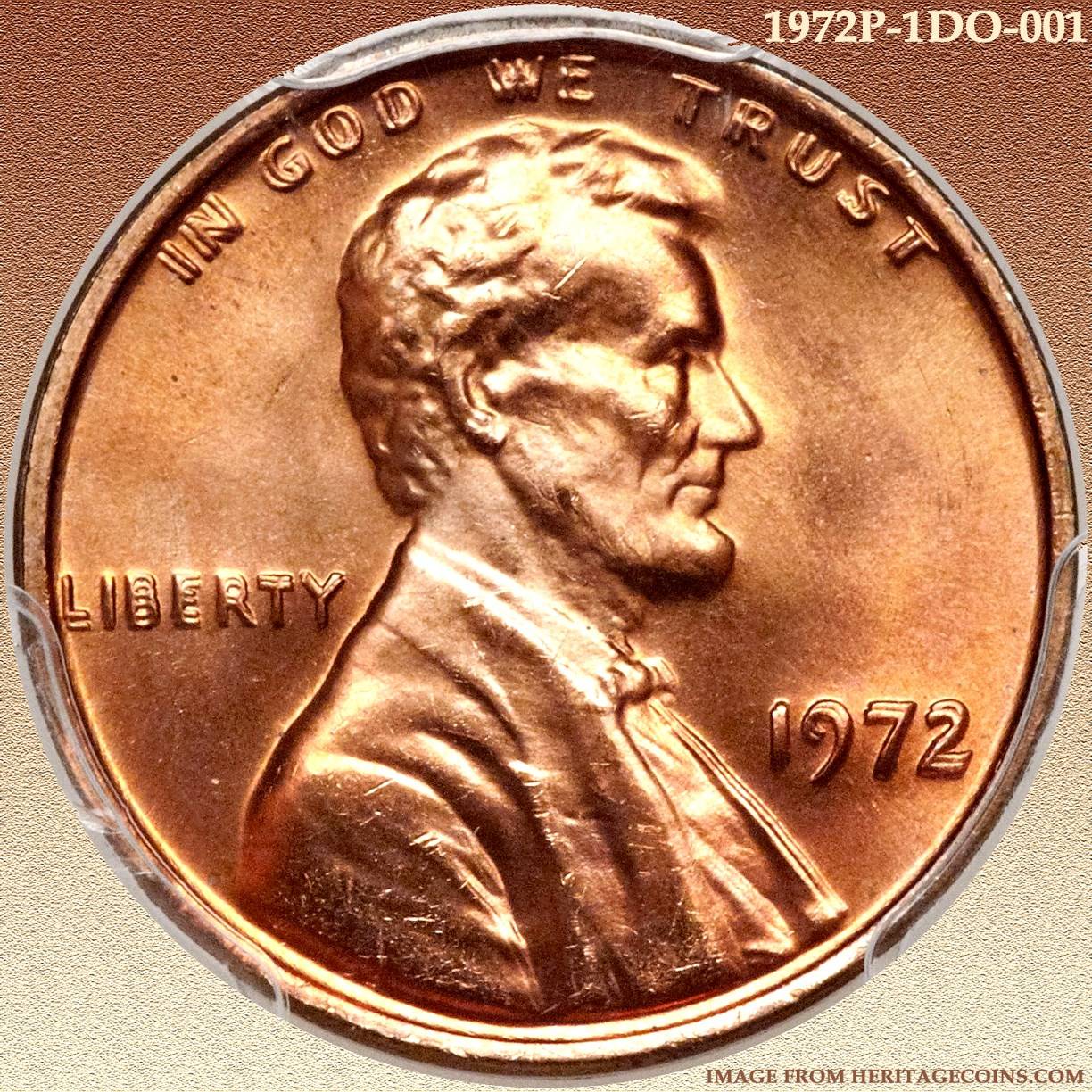 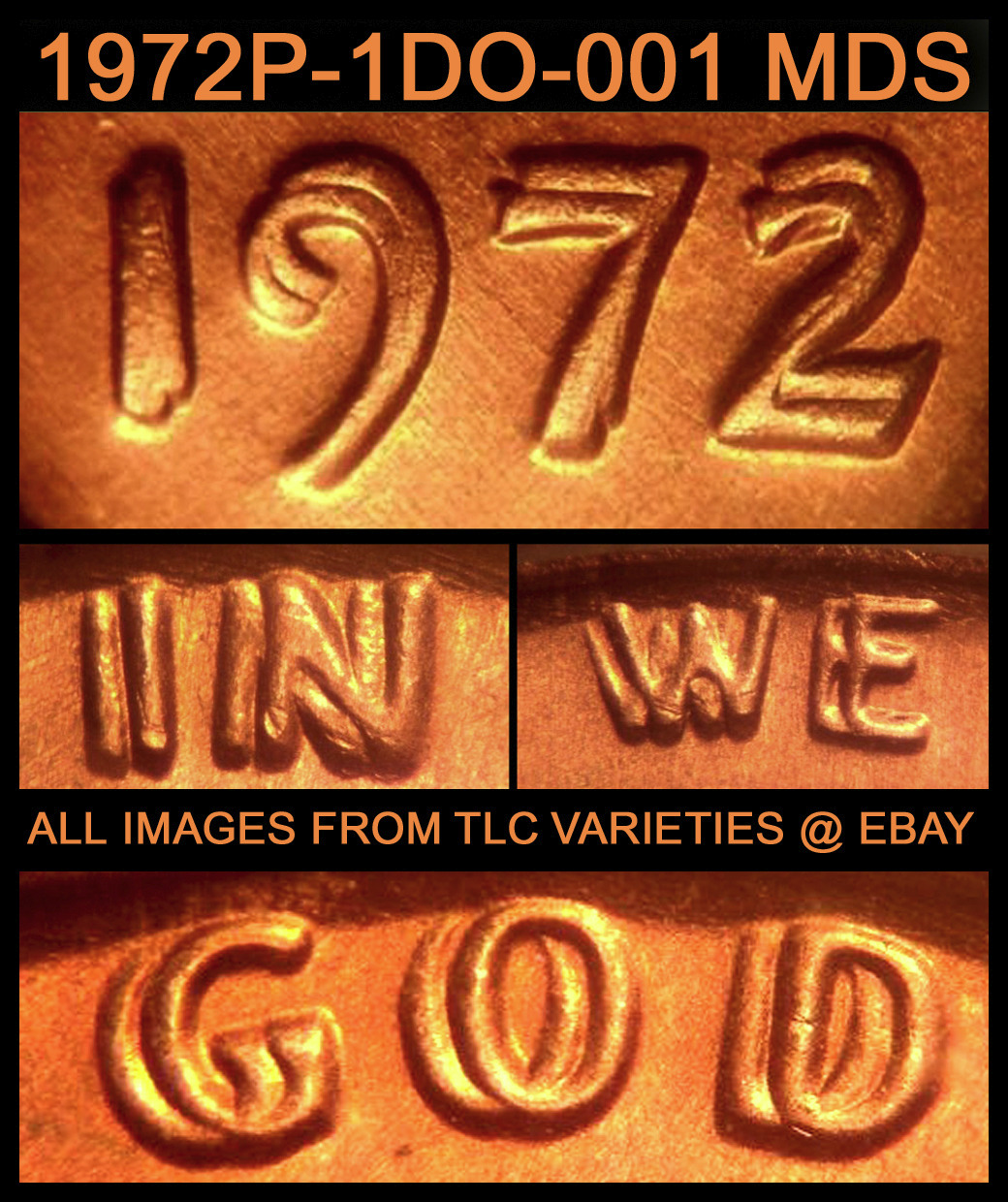 Hub doubling created on this die a double set of devices on certain areas of this die. The doubling is on the die, thus the term doubled die. On machine damage the die is just a normal die, but because of the striking of the coin, it alters the devices on the coin. One is worth it weight in gold. The normal coins with the MD is worth its weight in copper. So go gaga over MD, but to me they are just a damaged coin. (I guess I'm just a variety purist) |
| |
Replies: 17 / Views: 17,882 |








 Posted 02/21/2014 1:59 pm