| Author |
 Replies: 8 / Views: 3,946 Replies: 8 / Views: 3,946 |
|
|
Valued Member
United States
157 Posts |
To your errors and varieties experts out there: Look along the bottom of the four digits of the date, and the three stars to the left of Liberty's neck. Is this a die crack? Thanks, Brian 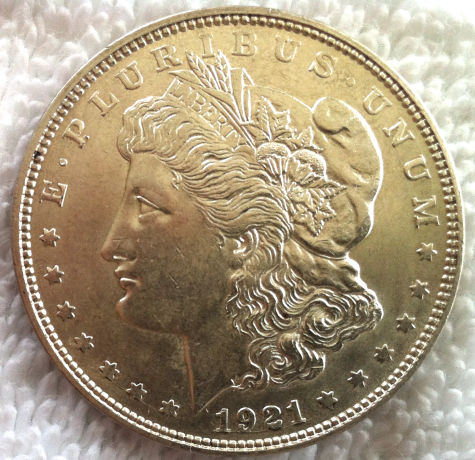 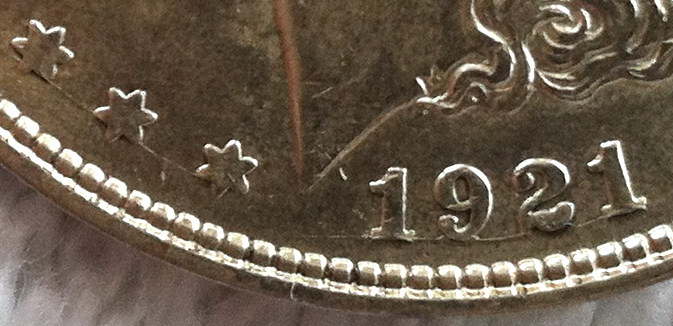 |
|
|
|
Rest in Peace
United States
10625 Posts |
|
|
Moderator
 United States
23522 Posts |
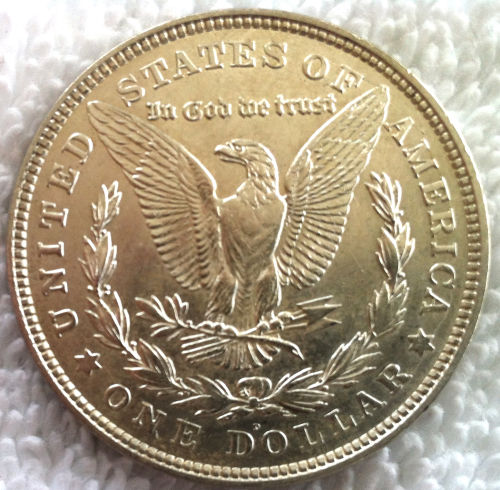
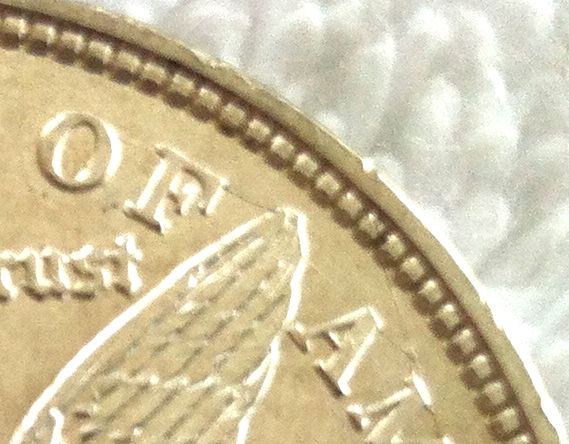
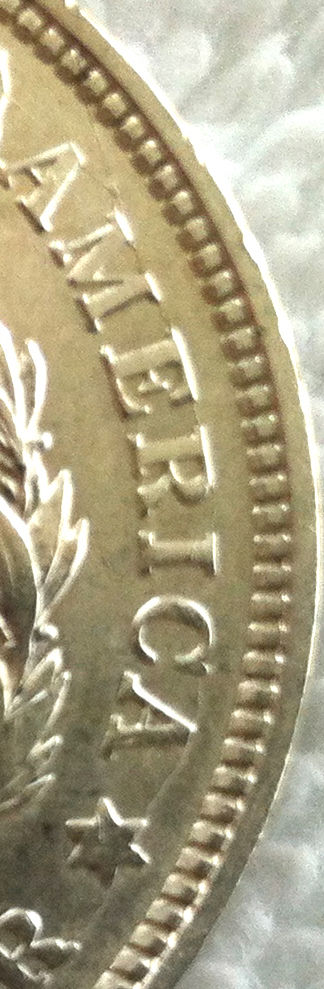
Yep. Let's have a look at the reverse cracks, if any, and see what we can do about attributing this one. The cracking around 9-2 is distinctive, and narrows things down somewhat. I lean VAM-1L at the moment.
|
|
Pillar of the Community
United States
9811 Posts |
"Buy the Book Before You Buy the Coin" - Aaron R. Feldman - "And read it" - Me 2013! ANA Life Member #3288 in good standing since 1981, ANS, Early American Coppers Member (EAC), Colonial Coin Collectors Club member (C4), Conder Token Collector Club member (CTCC), Civil War Token Society (CWTS) member, Liberty Seated Collectors Club (LSCC) & Numismatic Bibliomania Society member (NBS), USMex, Member in good standing, 2¢ variety collector. See my want page: http://goccf.com/t/140440 |
|
Valued Member
 United States
157 Posts |
|
|
Moderator
United States
23522 Posts |
The AM was all I needed to see. It's an early die state of VAM-1L; that chip between the A and M becomes a full-fledged break into the denticles in a later state. Sorry I can't post pics or links - I'm on my smartphone during lunch at work.
|
|
Pillar of the Community
United States
7842 Posts |
|
|
Rest in Peace
United States
10625 Posts |
I agree with SsuperDdave, VAM1L early die state.
|
|
Valued Member
United States
157 Posts |
|
| |
Replies: 8 / Views: 3,946 |
|










 Posted 03/05/2014 10:05 pm


 Ssuper Ddave is the Morgan 1921 God or Geek (I'm not sure which)