



Coin Community Family of Web Sites Join Thousands of Coin, Bullion, & Money Collectors
Royal Canadian Mint products, Canadian, Polish, American, and world coins and banknotes. 300,000 items to help build your collection! Join Thousands of Coin, Bullion, & Money Collectors Coin, Banknote and Medal Collectors's Online Mall Vancouvers #1 Coin and Paper Money Dealer Specializing in Modern Numismatics Royal Estate Auctions - $1 Coin Auctions


Username:
Password:
Save Password
Forgot your Password?


This page may contain links that result in small commissions to keep this free site up and running.

Welcome Guest! Registering and/or logging in will remove the anchor (bottom) ads. It's Free!

What Happened And How Is It Called

To participate in the forum you must log in or register.
Author Previous TopicReplies: 4 / Views: 1,611Next Topic  
New Member

Poland
47 Posts
 Posted 03/17/2014  4:36 pm Show Profile   Bookmark this topic Add wojciech_sz to your friends list Get a Link to this Message Number of Subscribers
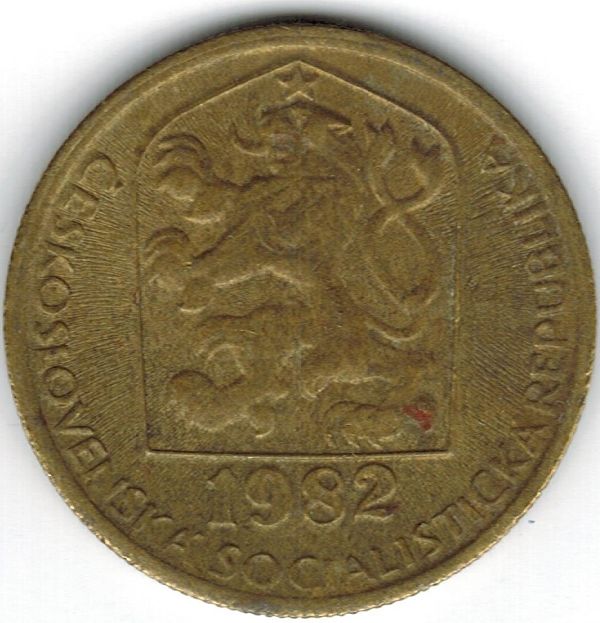
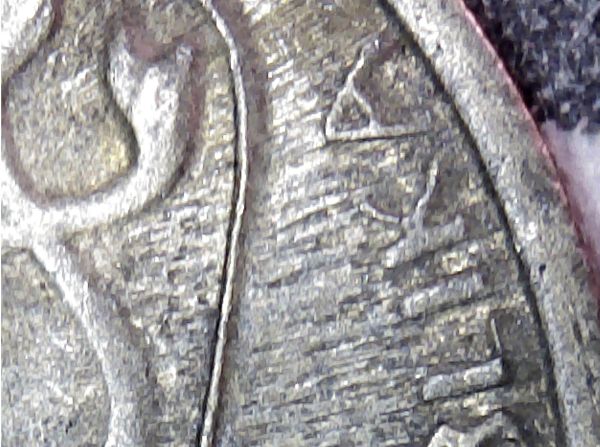
I came across this coin. Maybe someone smart can tell me how is it called and/or what happened?

What-Happened-And-How-Is-It-Called

What-Happened-And-How-Is-It-Called

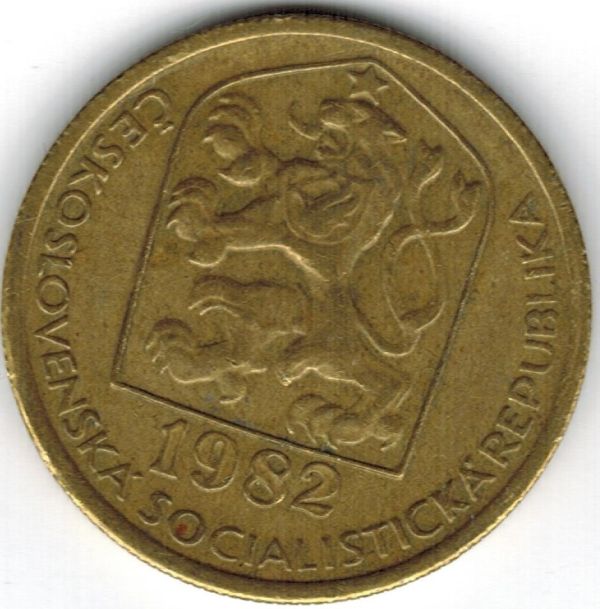
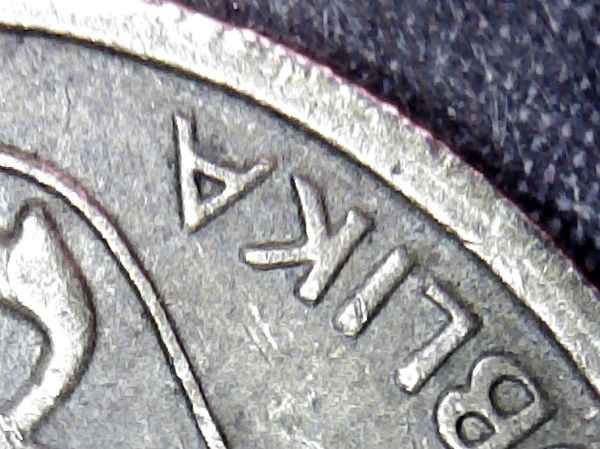
A normal coin:


What-Happened-And-How-Is-It-Called

What-Happened-And-How-Is-It-Called
Pillar of the Community
Lucky Cuss's Avatar
United States
4883 Posts
 Posted 03/17/2014  5:42 pm  Show Profile   Bookmark this reply Add Lucky Cuss to your friends list Get a Link to this Reply
My first thought is a corrosive process of some sort, like it had been buried in the ground or immersed is some chemically reactive liquid for some time. Interesting that the central devices seem relatively unaffected.
Colligo ergo sum
Edited by Lucky Cuss
03/17/2014 5:43 pm
Bedrock of the Community
biokemist6's Avatar
United States
12437 Posts
 Posted 03/17/2014  7:03 pm  Show Profile   Bookmark this reply Add biokemist6 to your friends list Get a Link to this Reply
Those are radial die flow lines, a sign of extreme die wear. Every time a coin is struck, the expansion of the planchet in the coining chamber wears microscopic grooves into the die. These tiny flow lines are initially responsible for the cartwheel luster you see on a nice uncirculated coin. As more coins are struck, the die flow lines become more pronounced until you see a radiating pattern of rough grooves, such as on your coin, with the grooves most pronounced towards the rim.
New Member
Poland
47 Posts
 Posted 03/18/2014  08:06 am  Show Profile   Bookmark this reply Add wojciech_sz to your friends list Get a Link to this Reply
Thank You very much for such an interesting explanation
Bedrock of the Community
DVCollector's Avatar
United States
10045 Posts
 Posted 03/19/2014  2:54 pm  Show Profile   Bookmark this reply Add DVCollector to your friends list Get a Link to this Reply
Extreme die wear--that's one of the more dramatic examples I've seen!
  Previous TopicReplies: 4 / Views: 1,611Next Topic  

To participate in the forum you must log in or register.


Disclaimer: While a tremendous amount of effort goes into ensuring the accuracy of the information contained in this site, Coin Community assumes no liability for errors. Copyright 2005 - 2026 Coin Community Family- all rights reserved worldwide. Use of any images or content on this website without prior written permission of Coin Community or the original lender is strictly prohibited.
Contact Us  |  Advertise Here  |  Privacy Policy / Terms of Use

Coin Community Forum © 2005 - 2026 Coin Community Forums
It took 0.26 seconds to rattle this change. Forums