| Author |
 Replies: 12 / Views: 2,057 Replies: 12 / Views: 2,057 |
|
|
Pillar of the Community
United States
801 Posts |
|
|
|
|
Pillar of the Community
United States
2824 Posts |
|
|
Pillar of the Community
 United States
801 Posts |
That's neat, thx. I'll look that up and compare.
|
|
Pillar of the Community
United States
2824 Posts |
A way to compare them quickly is if you take photo of the date and mint mark - you or other can do overlays to help match the rpm by mint mark placement - help to narrow it down before checking all the markers.
Edited by OcalaFlorida
07/15/2014 10:05 am
|
|
Moderator
 United States
56855 Posts |
Looks like an RPM to me. John1  |
|
Pillar of the Community
United States
1132 Posts |
Not to detract from the OP, but I'm new to all of these technical terminologies & could use a bit of guidance. Is split serif a font? Is there a guide to the acronyms commonly used on the forum?
|
|
Pillar of the Community
United States
2824 Posts |
|
|
Bedrock of the Community
United States
62064 Posts |
The split serif are the corners of the punchings in two separate strikes. 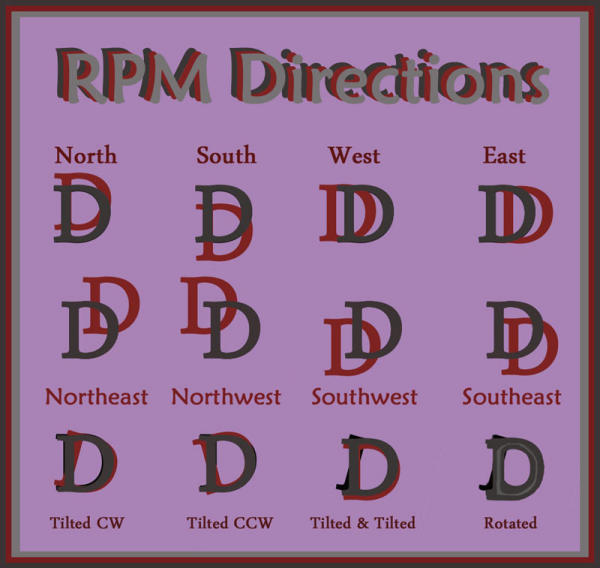 |
|
Pillar of the Community
United States
801 Posts |
While we are on the subject, what is the process to "re-punch" a mint mark? What's the determining factor to re-punch? What is the occasion of finding them?
|
|
Bedrock of the Community
United States
17884 Posts |
Until 1990 all the mintmarks were punched into each die by hand (actually from 1986 to 1990 they were phasing out the practice with the cents being the last denomination to have the mintmark move to the master hub.)
The person at the mint would place the punch against the unhardened die and hit it with a hammer. He would then look at the result and either approve it, or if he didn't think the punch had penetrated deeply enough he would put the punch back into the the previous punching and hit it again. If the punch didn't down into the previous punch exactly the second blow would result in a "repunched" mintmark.
Usually the repunching is very close with the it being the result of just a minor misalignment of the punch in the previous attempt. But sometimes the worker would apparently decide that the placement of the first punching was off and he would "correct" it by moving the punch to the "proper" place before hitting it. This type of repunched mintmark is much rarer because the die would probably be rejected upon inspection or if it did reach production would soon be identified on the coins it was producing and be condemned.
There are also a few cases where a mintmark is WAY far off. For example there is a variety of 1957 D quarter with an extremely far off repunched mintmark. The mintmark is supposed to be below the wreath between the stems of the wreath. But in this variety there is a faint D mintmark on the LEFT side of the left stem as well as one in the normal position. I can't believe the mint worker would have deliberately punched a mintmark that far off, so I suspect that was the result of him accidentally dropping the punch and it landed on the die creating the faint D.
Edited by Conder101
07/16/2014 11:25 am
|
|
Pillar of the Community
United States
801 Posts |
Thank you for the time to respond and wonderful explanation. AMB
|
|
Bedrock of the Community
United States
62064 Posts |
The re-punching happens before the die is hardened/used. The dies are not taken back in to re-punch after the die is started being used. This all happens in the die creation stage. Not an after the use thing.
|
|
Bedrock of the Community
United States
17884 Posts |
When I said unhardened I meant before the die was hardened. I should have been more clear.
|
| |
Replies: 12 / Views: 2,057 |
|







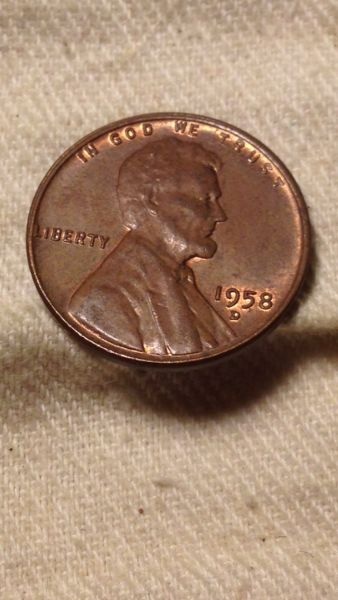
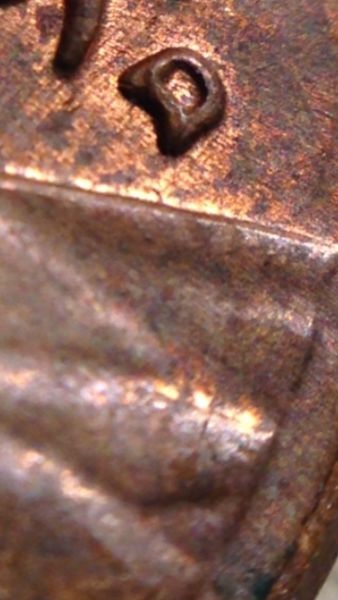


 Posted 07/14/2014 10:41 pm





