I have a reasonably large reference collection of fake ancient coins, maintained for my own education, to learn how to more easily learn how to spot fake coins.
It is my philosophy to use the products of the evil doings of fakers against them.
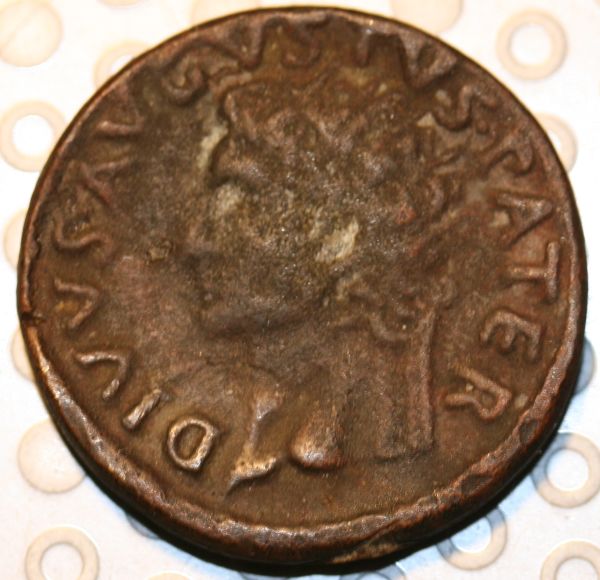
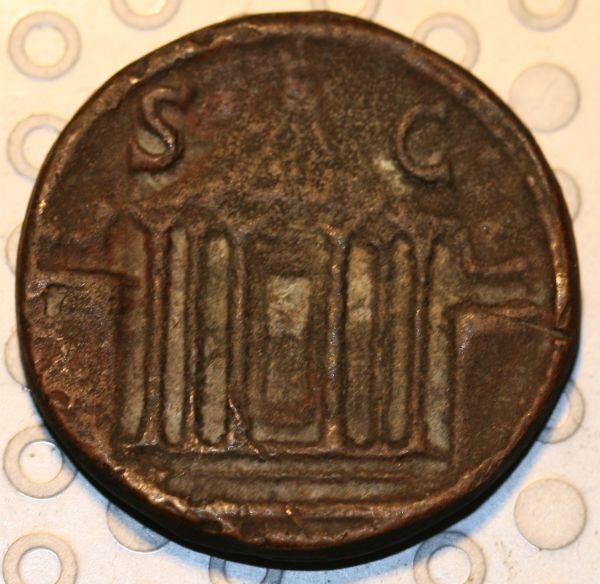
This coin to my appearance is also a fake, mainly due it's charactertics of fabric.
The image of the divus Augustus is so mushy that it very strongly suggests a third generation (or more) copy.
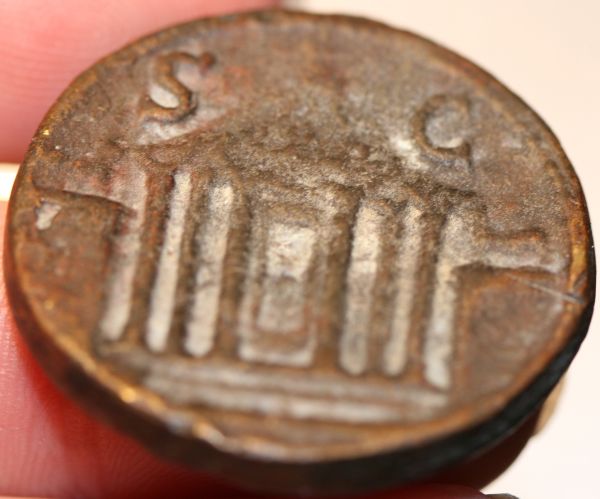
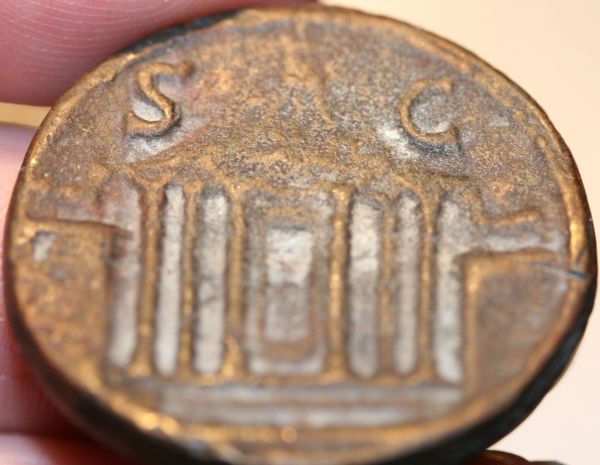
The regular roundness of the flan is way too round for almost all ancient coins, and the even thickness in all areas of the coin is way too even. This coin has an upturned rim on both sides, which is almost unknown in ancient coins.
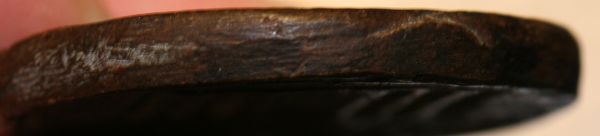
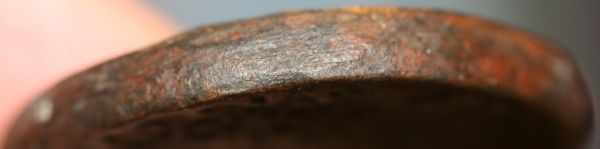
You have properly photographed the edge where a file was used to remove the remains of a casting sprue, which has subsequently been tapped flat, then atrificially patinated over. The patination of the whole coin is much too even.
It is the comments that I offer here as examples of the 'character of fabric' with this particular coin. My 'gut' feeling immediately led me to doubt it's authenticity, based mainly on the appearance of coins in my reference collection of fake ancient coins.









 Posted 07/29/2014 07:38 am


