| Author |
 Replies: 16 / Views: 3,779 Replies: 16 / Views: 3,779 |
|
Valued Member
United States
291 Posts |
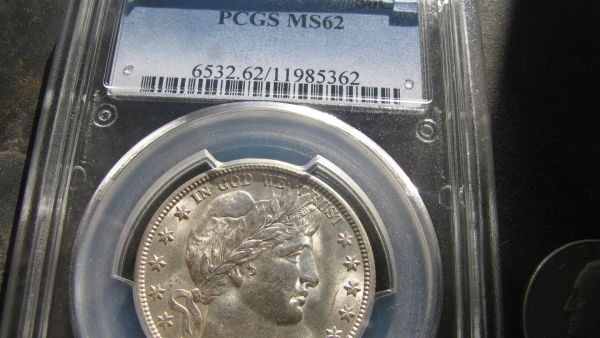
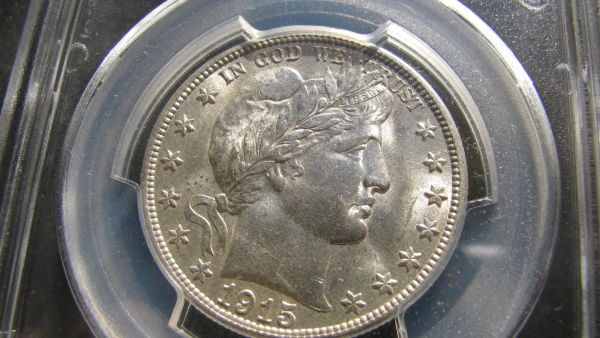
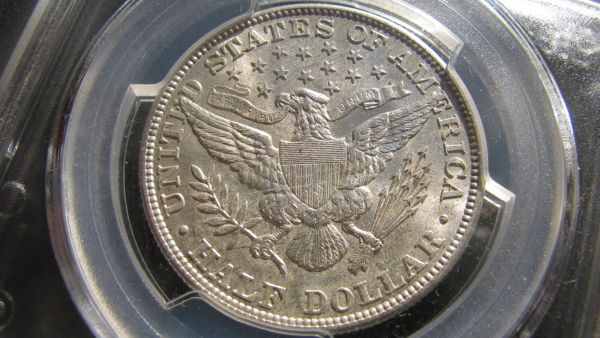
Why are Barber half dollars so hard to find in higher grade condition? Possible answers: (1) Maybe halves were more popular in commerce in the late 1800s and early 1900s than they are today. I mean, when do you ever see halves in commerce today? Does this explain why I can't find a high grade example for under a grand today? (2) Another thought is the Barber half design was rather bland and uninspired, sort of like the Morgan dollar, and as such, they were not set aside to collect. (3) The economy experienced a few serious depressions during and after the Barber time period, so any that were set aside by collectors were spent because people needed food and times were tight. (4) The silver melts, due to inflation, silver bubbles, or the need for silver for the manhattan project. (5) Maybe the government back then (via the banks) took in, melted and repurposed the older coinage (the way they do with currency today) so they could mint Walkers and Franklins? What else? |
|
|
|
Pillar of the Community
968 Posts |
The barber half was the workhorse of the economy through the 1920's. They were basically a $20 bill. They were used, abused, and worn to slicks by 30-40 years of commercial use. My grandpa told me Barbers were easy to find and plentiful right into the depression. It wasn't until WW2 that mintages on "moderns" ramped up and started to make Barbers less common.
|
|
Pillar of the Community
United States
1158 Posts |
Could it also be just a bad design that wears easily? The barber nickels, dimes and quarters seem equally scarce in higher grades.
|
|
Pillar of the Community
United States
4705 Posts |
I agree with both answers. There was really no reason for anyone to save them. In a way it is surprising the low grade ones survived the great post-1964 silver melts.
|
|
Bedrock of the Community
United States
20753 Posts |
Actually the answer has already been stated. Not to long ago people just didn't save coins. They used them. Way, way back when I was a kid people used all coins for money. No one I knew collected coins and most people I knew could't afford to collect them so they spent them. My Dad used to give me my allowance in Silver Dollars and I spent them all regardless of dates, type, mint, etc. Walking Liberty halves were so common that no one even thought of them as a collectors item. Any coin you can imagine was just a coin and used as just a coin. Vending machines everywhere took coins and no one thought to look to see what they were so coins just got circulated over and over and over. Barber coins were just coins when I was a kid and to get a sitting Liberty anything in change was just normal. We used to use coins so they got worn. |
|
Pillar of the Community
United States
4705 Posts |
Carl, it's great to have a perspective from a 200 year old man! JUST KIDDING! I'm an old guy too.
Thanks for your input.
|
|
Valued Member
 United States
291 Posts |
Jim- We were all thinking that. :-)
Carl- Thanks for the response. That perspective is very helpful.
|
|
Pillar of the Community
United States
1158 Posts |
I know that's the typical answer, "coins were just used and not collected back then" But that doesn't explain why the barbers are so much more worn on average than other coins of the same era. A 1910 penny is easy to find in AU condition and is not terribly valuable. A 1910 barber coin or Liberty nickel is extremely difficult to find not worn to near slick. |
|
Rest in Peace
United States
699 Posts |
Think of what a Half Dollar actually bought when it was first minted !! The average salary of a working man was approximately $5.00 per week. No one in those circumstances was saving Half Dollars. The coin was the work horse of all circulating coins, much like the Quarter Dollar is today. Only the affluent could afford to save them - and most coin collectors of that era thought the coin was ugly. My Grandfather saved coins - and I have his coins - which I hope to hand down as well. Here is one that he plucked from circulation. When I was 14, I made the mistake of removing all that ugly tarnish ...  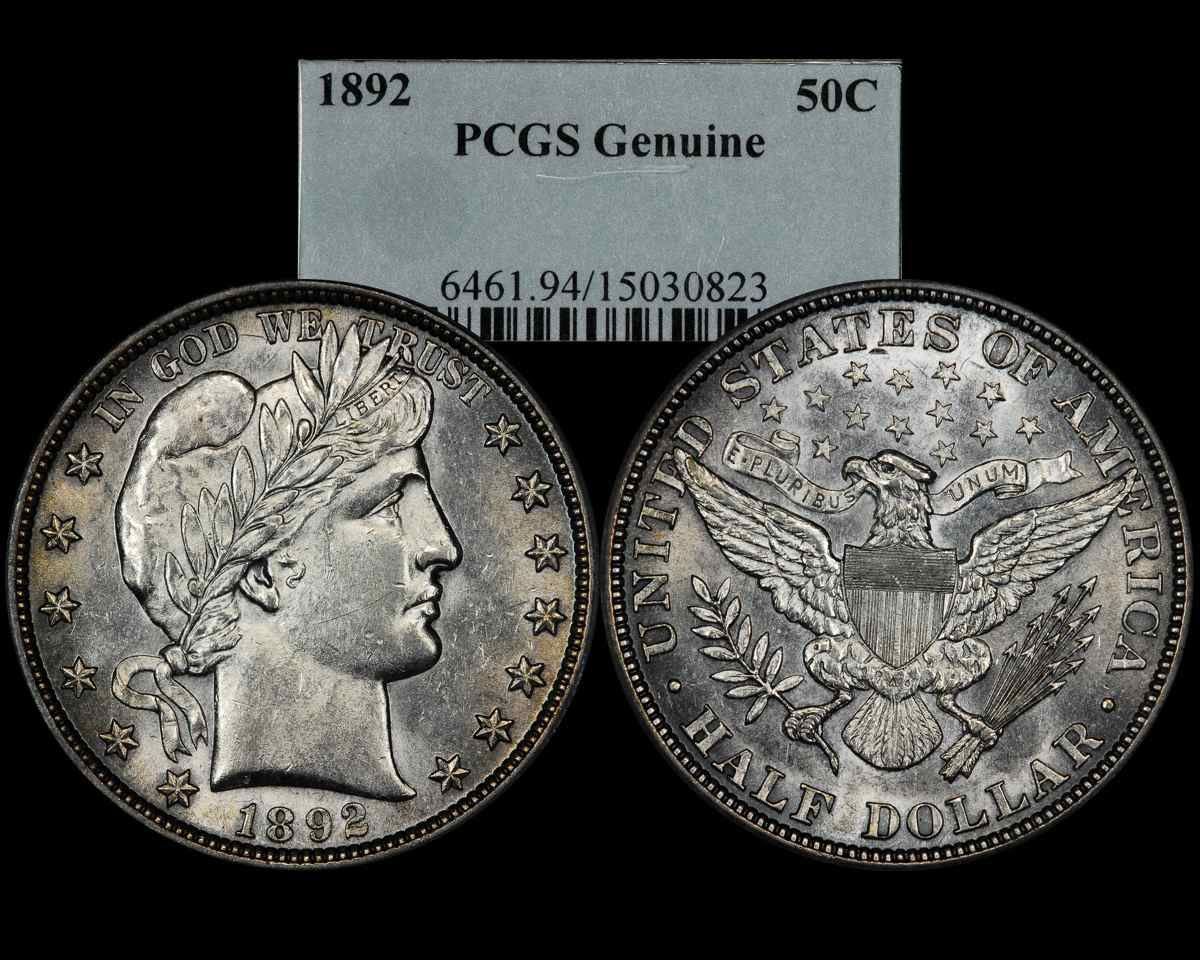 |
|
Pillar of the Community
United States
1158 Posts |
Yes, but the Barber dimes, Liberty nickels and quarters are nearly as rare in high grades. I still feel like it was a less durable design |
|
Pillar of the Community
862 Posts |
"Carl, it's great to have a perspective from a 200 year old man! JUST KIDDING! I'm an old guy too.
Thanks for your input."
TOO FUNNY. LOL
|
|
Pillar of the Community
United States
4705 Posts |
|
|
Pillar of the Community
United States
1158 Posts |
perhaps with a name that contains "bucks", a couple grand is affordable, but it certainly isn't to many of us!
|
|
Pillar of the Community
968 Posts |
Quote:
perhaps with a name that contains "bucks", a couple grand is affordable, but it certainly isn't to many of us! Preach. |
|
Bedrock of the Community
United States
20753 Posts |
Also, look at the quantity minted. With Barber halves most are in the one to three million minted. If a few hundred million people each used just one with a one million made, it would get worn fast. Clothing too was harsher back then so carrying any coins got worn just from being in a pocket. Naturally some coins were made with dumb places for dates such as the Standing Liberty quarter. And too don't forget all the machines that were made for coins. Today most people just use a plastic card for money. Was no such thing back then. Might have been but I just don't remember ever seeing one. Kids too used to play games with coins. That too did some damage and a lot of wear. Quote:
"Carl, it's great to have a perspective from a 200 year old man! JUST KIDDING! I'm an old guy too. Why I still remember when US coins first starting coming out too.  |
|
Valued Member
United States
72 Posts |
From "The Complete Guide to Barber halves" by David Lawrence (1991), the quote below can be found in the forward: " Barber halves were actively circulated during their time and most of the survivors were probably melted during the 1979/80 silver boom. The remaining pieces are largely found in G and VG condition If common dates, AG condition if early scarce dates. Only one of every 5 - 10,000 minted have remained in mint state to this day. In contrast, proofs were saved. Though they only numbered in the hundreds for a given year, it looks as if half are still available." http://blog.davidlawrence.com/index...es-foreword/Edited by Catbert
08/04/2014 12:42 pm
|
| |
Replies: 16 / Views: 3,779 |







 Posted 08/03/2014 2:52 pm