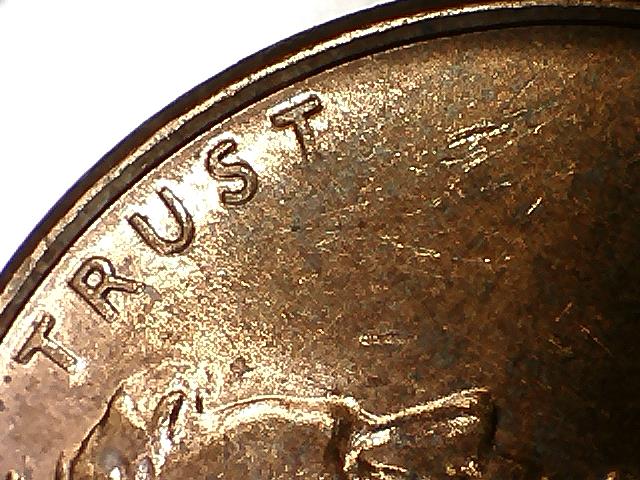
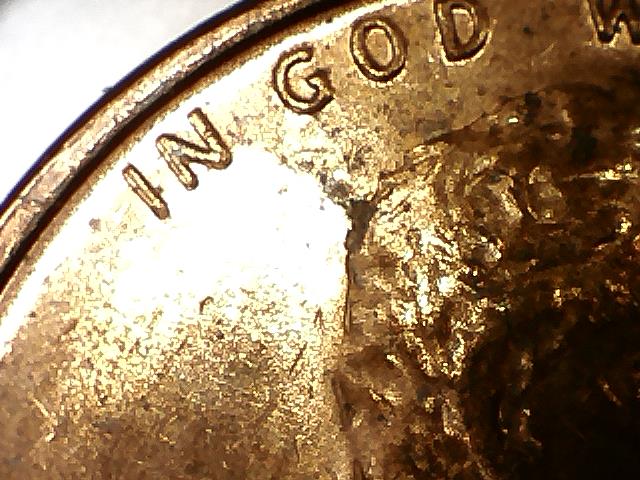
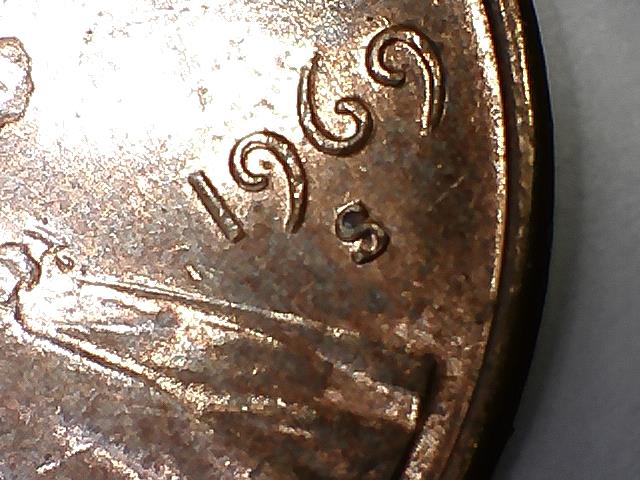
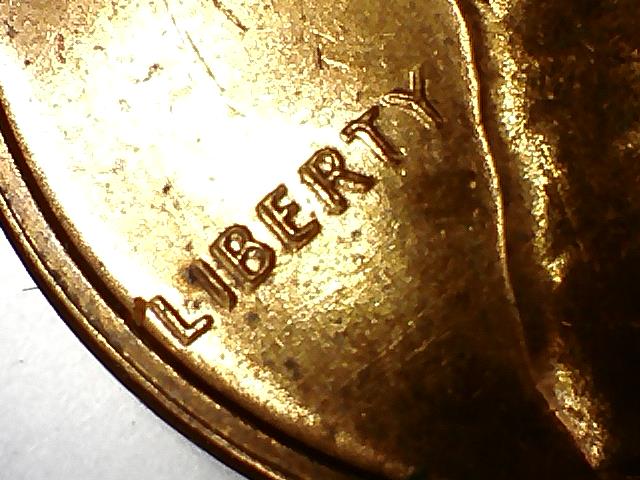
If they are LED lights, you might try blocking out all but one. A single light source is best. Most of the time I remove them all and put in a better lighting system. On that has one bulb and a mild source of light. I use a 14V bulb in my system for micro photos. The light system I got with my scope was removed in 24 hours to replace it with what I'm using now. I tried other types, but this one does the best for me.
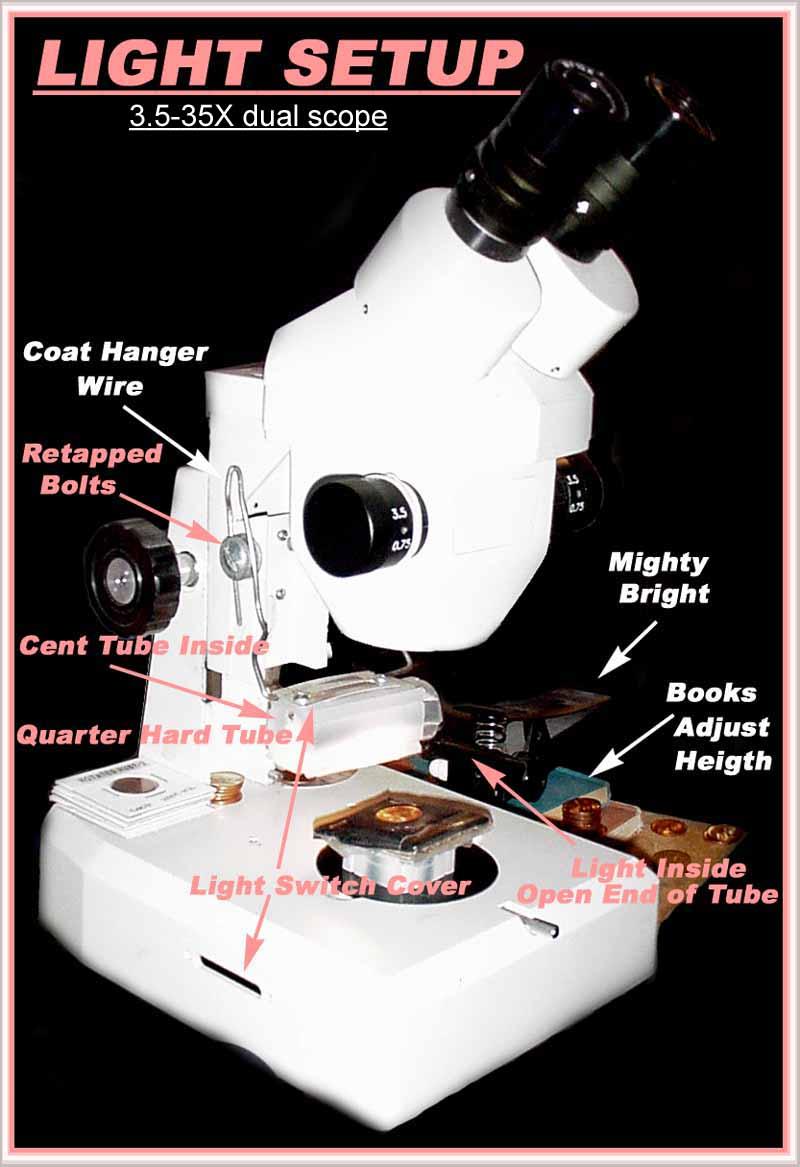
Note the light source at 12:00 for the direction. Note the angled ramp to direct the light into the microscope. They are inexpensive and work great with a few modifications I made to the scope to get better images.
The ramp I use is a 2X2 with a piece of cardboard at the open end. covered with dark material and I added a top off a square half dollar tube. (See first image) With this setup I may add a coin or two to the bottom edge on the 6:00 side of the ramp to get the light to flow over the full coin evenly. But for micro images I don't need to unless it need an even flow of light.
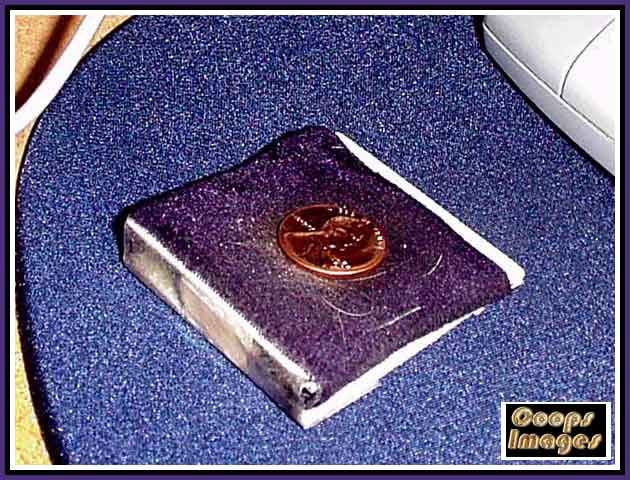
The angle of the ram needs to be with the top at 12:00 and bottom (Wider edge) at 6:00. If you need to rotate,
rotate the coin and not the ramp. I've tried ring lights and they add too many reflections and remove light and shadow which is important on coin images.
I tried a fiber light setup, but I wasn't happy with the results with it either.

For full coin images of several coins, I use a different setup for these.
A light always need a diffuser. Even secondary light is unwanted. If you think you are having a problem with a secondary source, a facial tissue/white bond paper/light tissue paper will remove this. But I've use many things to work as a diffusers. Plastic grocery bag material and white bond paper are the most successful for me.










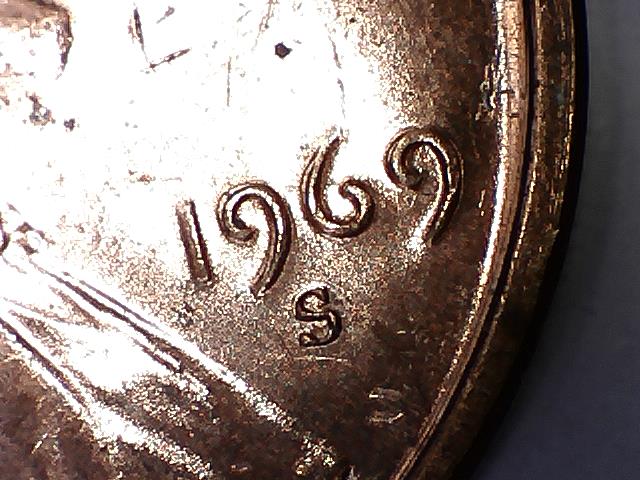
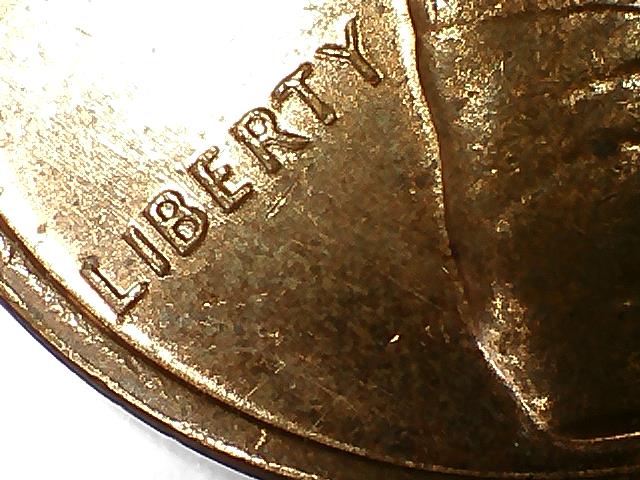


 Posted 09/18/2014 1:18 pm




 ) and I still have trouble getting good pictures!


